
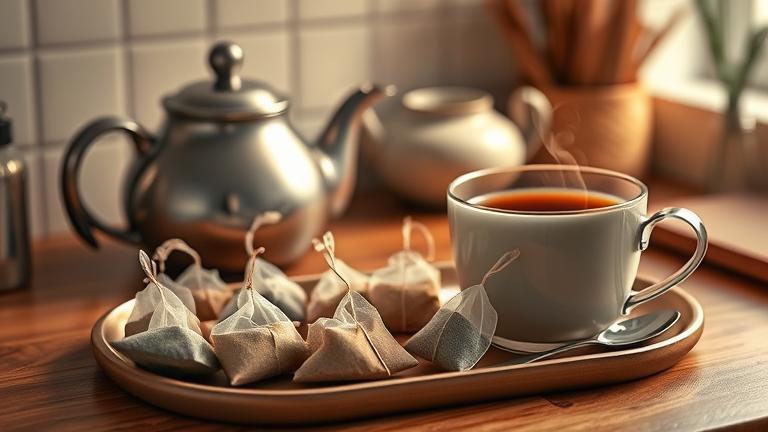
Are Reused Tea Bags Safe to Use?
Many tea lovers wonder if reusing tea bags is safe. It’s common to do so to save money or reduce waste, but safety should come first. Knowing what to look for can help you enjoy your tea without worry. In general, reusing tea bags can be safe if you follow some simple tips.
What Are the Risks of Reusing Tea Bags?
Reusing tea bags might pose some health risks if not done properly. The main concern is bacteria. Once a tea bag is used, moisture and warmth create a perfect environment for bacteria to grow. If you reuse a tea bag that has been sitting out too long or is contaminated, you might risk foodborne illnesses.
Another issue is flavor. Tea bags lose their strength after the first use. Reusing can lead to a weak taste or over-extraction of tannins and other compounds, which might leave a bitter or stringy flavor. Also, some tea bags are made from materials that are sensitive to multiple steepings, potentially releasing unwanted substances.
Best Practices for Safe Reuse
To reuse tea bags safely, follow these guidelines:
- Only reuse tea bags that look and smell fresh. If a tea bag feels wet, slimy, or smells off, toss it.
- Use clean hands and utensils to handle tea bags to prevent introducing bacteria.
- Do not reuse tea bags that have been sitting at room temperature for a long time. It’s safest to reuse within a few hours of first steeping.
- Allow the tea bag to dry completely after use if you plan to reuse it later. Store it in a clean, dry container.
- Limit the number of times you reuse a tea bag. Most varieties are best used once or twice at most.
- Consider the material of your tea bag. Natural fiber bags, like paper or cotton, are more suitable for multiple uses than some synthetic or porous bags.
Tips for Better Results
Reusing tea bags can still give you decent flavor if done right. To enhance your second or third brew, try steeping the tea bag a little longer. Keep in mind, the taste will be milder and sometimes more bitter or astringent.
Pay attention to your senses. If the tea tastes strange or the smell is off, it’s better to discard the bag. Also, avoid reusing tea bags that have been contaminated or stored improperly.
Summary Table: Reusing Tea Bags – What You Need to Know
| Aspect | Recommendation |
|---|---|
| Safety | reuse only if the tea bag looks, smells, and feels fresh. Do not reuse if in doubt. |
| Handling | Use clean hands and tools, and store dried tea bags properly. |
| Frequency | limit reuse to 2-3 times maximum per bag. |
| Material | prefer natural fiber tea bags for multiple uses. |
| Flavor | expect milder flavor with each reuse; steep longer for stronger taste if needed. |
Benefits of Reusing Tea Bags
Reusing tea bags is a simple way to enjoy several practical benefits. Whether you are looking to save money, help the environment, or get the most flavor from your tea, reusing your tea bags can be a smart choice.
One of the biggest advantages is cost savings. Tea bags can add up in price over time, especially if you buy high-quality or specialty teas. By reusing a tea bag once or twice, you stretch your tea supply further, saving you money in the long run. Just remember that the strength of the tea may decrease with each use, so you might need to brew a little longer or choose stronger varieties when reusing tea bags.
Another important benefit is helping the environment. Tea bags contribute to waste, especially when made from non-biodegradable materials. Many tea bags are now made from paper or biodegradable materials that break down faster. When you reuse a tea bag, you’re reducing waste and your carbon footprint. This easy change supports eco-friendly habits and minimizes landfill contributions.
Flavor Enhancement and Personalization
Reusing tea bags can also boost flavor in some cases. For example, the first brew might be more delicate, but subsequent brews can develop a richer, more robust taste. This is especially true for herbal and loose teas. Some people enjoy the milder, subtler flavors of the second or third brew, which can be perfect for a relaxing midday drink or a gentle, soothing moment.
Additionally, reusing tea bags allows you to experiment with flavors. You might reuse a bag with different additions, such as a slice of lemon, a bit of honey, or a sprig of mint, to create a customized beverage. Just be aware that the longer the tea bag sits out between uses, the more it might dry out, so keep it in a sealed container or a dry space to preserve its quality.
Tips for Reusing Tea Bags Safely
- Always let the used tea bag cool down before handling to avoid burns.
- Dry the tea bag thoroughly if you plan to reuse it later, as moisture can lead to mold.
- Limit reuse to 1-2 times to maintain good flavor and quality.
- Choose biodegradable or natural fiber tea bags when possible for easier reuse and environmental benefits.
Overall, reusing tea bags is a small change that can offer several advantages. It helps save money, reduces waste, and can even add a new twist to your tea-drinking experience. Give it a try and see how it works for your everyday tea routine!
How to Reuse Tea Bags Effectively
Reusing tea bags is a great way to enjoy your favorite tea multiple times while saving money and reducing waste. With some simple tips, you can maximize the flavor and make sure your reused tea bags are safe to use. Let’s explore how to do it right.
1. Choose the Right Tea Bags for Reuse
Not all tea bags are suitable for multiple uses. Look for high-quality, tightly sealed tea bags made from natural materials like paper or cotton. Avoid using tea bags with synthetic or porous materials, as they may release chemicals or become damaged quickly. Green, black, or herbal tea bags are usually good options for reusing.
2. Properly Steep and Remove
When brewing a cup of tea, steep the tea bag for the optimal time, usually 3 to 5 minutes for green and black teas. After steeping, gently squeeze the tea bag to remove excess liquid. Do not twist or wring it too hard, as this can damage the bag and release bitter flavors. Remove the tea bag carefully and set it aside to cool.
3. Dry and Store Correctly
Once the tea bag has cooled, let it dry completely before reusing. Place it on a paper towel or use a low-temperature oven or food dehydrator for quick drying. Store the dried tea bags in an airtight container or a sealable bag, away from moisture and strong odors. Proper storage helps maintain flavor and prevents mold or bacteria growth.
4. Maximize Flavor in Reuse
For the second or third use, steep the dried tea bag in slightly hotter water or for a longer time to extract more flavor. Keep in mind that reuse will usually result in milder taste, so adjust the steeping time accordingly. Don’t reuse the same tea bag more than three times, as flavors diminish and safety could become a concern.
5. Safety Tips for Reusing Tea Bags
- Always inspect tea bags for signs of mold, tears, or unusual smells before reuse.
- Never reuse tea bags if they’ve been sitting out for days or stored improperly.
- Avoid reusing flavored or infused tea bags more than once, as they can develop off-flavors or bacteria more quickly.
- Wash your hands before handling used tea bags to prevent contamination.
6. Creative Uses for Used Tea Bags
If you decide not to brew a second cup, used tea bags can still be helpful. They make excellent natural deodorizers when placed in the fridge or shoes. You can also use them as a soothing compress for minor skin irritations or eye puffiness. Just make sure they’re clean and free from any mold or residue if used on skin.
By following these tips, you can enjoy tea multiple times and make the most of each tea bag safely. Remember, a little care goes a long way in getting the best flavor and keeping your reuse process safe and effective.
Do Reused Tea Bags Keep Their Flavor?
If you love a good cup of tea, you might wonder whether reusing tea bags affects their flavor. Many people reuse tea bags to save money or reduce waste, but does the taste stay good after the first brew? The answer depends on a few factors, including the type of tea and how many times you reuse the same bag.
In general, tea bags do lose some of their flavor after the first steep. When you brew tea for the first time, it releases all its rich flavors, aromas, and healthy compounds. When you reuse the same tea bag, there’s less of these elements left to extract. As a result, the second or third cup made from the same bag tends to be milder, sometimes even bland.
How Reusing Affects Flavor
When you dip a tea bag into hot water, it begins to release its compounds, including tannins, antioxidants, and essential oils. These give tea its distinctive taste and aroma. After the first brew, most of these are gone, leaving behind mostly the bag and a small amount of flavor.
If you decide to reuse a tea bag, the second brew might taste weaker or flatter. Sometimes, it can take on a slightly different flavor profile, depending on the type of tea. For example, black tea may be too dull after reuse, while some herbal teas might still have faint flavor notes.
Tips for Reusing Tea Bags
- Use the same tea bag within a short time after the first steep. Waiting too long can cause bacteria growth and make the tea taste off.
- Adjust the water temperature and steeping time. Some teas can handle a second steep better if you use slightly cooler water and shorter steeping time.
- Consider the type of tea. Green and white teas are more delicate and may not be suitable for reuse, while herbal teas often retain some flavor.
- Do a quick taste test before brewing a second cup. If it tastes very weak or odd, it’s better to discard the bag.
Safety Tips
Reusing tea bags is generally safe if you follow some simple hygiene rules. Avoid reusing them if they look moldy, smell off, or have been sitting out for a long time. Bacteria can grow on damp tea bags, especially if they are stored in warm, humid places.
To keep your reuse safe and enjoyable, rinse the tea bag gently with hot water after each use and let it dry completely. This step helps prevent bacterial growth and keeps your re-used tea bags smelling fresh.
Summary
In summary, tea bags do lose much of their flavor after the first use. Reusing them can give you a weaker and sometimes slightly different-tasting tea. For the best flavor, it’s usually best to use a fresh tea bag each time. But if you’re looking to save some money or reduce waste, a second or third brew can still be enjoyable just be mindful of hygiene and taste expectations.
Environmental Impact of Reusing Tea Bags
Reusing tea bags is a simple way to help protect our environment while enjoying your favorite brew. Many tea lovers don’t realize that discarding tea bags after one use can contribute to unnecessary waste. By reusing your tea bags, you can reduce the amount of trash that ends up in landfills and help conserve resources.
Most tea bags are made from organic materials like paper, silk, or cotton, which are biodegradable. When you reuse a tea bag, you give it a second life and minimize the need to produce new ones. This reduces the demand for raw materials, saves energy, and lowers pollution from manufacturing processes. Plus, fewer tea bag waste means less clutter and fewer smells in your trash or recycling bin.
How Reusing Tea Bags Benefits the Environment
- Reduces waste sent to landfills, which helps decrease methane emissions caused by the decomposition of organic waste.
- Conserves resources like water, energy, and raw materials used in making new tea bags.
- Highlights sustainable habits that can be easily integrated into daily routines.
It’s important to note that not all tea bags are suitable for reuse. Some, especially if they contain plastic or other synthetic fibers, might not be environmentally friendly or safe to reuse repeatedly. Look for tea bags made from natural, unbleached materials for best results.
Tips for Reusing Tea Bags Effectively
- Let the tea bag dry completely after each use to prevent mold growth. You can air-dry it on a paper towel or tray.
- If a tea bag becomes too weak or starts to fall apart, replace it with a new one for safety and best flavor.
- Reuse the same tea bag a few times, but always ensure it still infuses well and doesn’t develop mold or odors.
- Consider using the leftover tea twice for hot drinks or as a base for homemade beauty treatments, like face masks, to extend its benefits.
Environmental Considerations
While reusing tea bags is good for the environment, it’s also important to know when to compost or discard them. If the tea bag is made from natural fibers and doesn’t contain synthetic additives, you can usually compost it after several uses. Just be sure to remove any staples or tags first. Reusing tea bags is a small but impactful way to make your daily tea habit more sustainable and eco-friendly.
Cost Savings with Reuse
Reusing tea bags is a simple way to save money and make your tea routine more budget-friendly. Instead of tossing out a tea bag after one steep, you can often get a second or even third cup from the same bag. Over time, this small change adds up and helps cut down your weekly tea expenses.
Many tea lovers don’t realize how much they can save by reusing tea bags. If a box of tea costs four dollars and comes with 20 bags, you’re paying about 20 cents per cup if you use a new bag each time. But if you reuse each bag twice, your cost drops to about 13 cents per cup. Reusing thrice cuts the cost further, making each cup about seven cents. When you do the math, it’s clear that reusing tea bags saves you quite a bit over months and years.
How Many Times Can You Reuse a Tea Bag?
Most tea bags can be reused at least once or twice without losing flavor. Light teas like green or white generally re-steep well. Heavier, robust teas such as black or chai might only be good for one extra use. It’s best to taste test before reusing if the flavor seems weak or the bag looks quite dry, it’s time to toss it and start fresh.
Practical Tips to Maximize Savings
- Store used tea bags: Keep used tea bags in a small container or sealable bag in the fridge until you’re ready to reuse them. This keeps them fresh and prevents unpleasant odors.
- Adjust steeping time: When reusing a tea bag, steep it a little longer to extract more flavor. This helps you enjoy a strong cup even with the same bag, extending its usability.
- Combine with other reuse options: Use leftover tea bags to make iced tea, herbal infusions, or even for natural cleaning around the house, increasing their utility and saving more money.
Are There Any Downsides?
Reusing tea bags isn’t perfect for every situation. Some teas may develop a bitter taste after multiple steeps, and for health reasons, it’s best not to reuse them if they look moldy or smell off. Also, note that over reused tea bags may not produce the same vibrant flavor, so balance savings with enjoyment.
Summary
By reusing tea bags, you can cut your tea costs significantly over time. It’s an easy change that requires minimal effort and no special equipment. Just store your used bags properly, taste test, and enjoy your tea while saving some money with each cup. Small savings like these add up, making your tea budget stretch further without sacrificing flavor.
Tips for Storing Reused Tea Bags Safely
Reusing tea bags can be a great way to save money and reduce waste, but it’s important to store them properly to keep them fresh and safe. Proper storage helps prevent spoilage, mold growth, and unpleasant odors that can affect your next brew. In this section, you’ll find practical tips to store reused tea bags safely and maintain their quality for future use.
1. Cool and Dry Environment
Always store reused tea bags in a cool, dry place away from direct sunlight. Heat and moisture can cause mold to develop and can make the tea bags spoil faster. A pantry or a cupboard is usually a good spot. Avoid storing them in humid areas like the bathroom or near the stove. Keeping the tea bags in a dry environment helps preserve their flavor and prevents spoilage.
2. Use an Airtight Container
To protect reused tea bags from air, store them in an airtight container or a sealed jar. Exposure to air can cause the tea to dry out and lose its flavor. Plus, airtight storage prevents the smell of other pantry items from affecting the tea’s original taste. You can use small glass jars, plastic containers with tight-fitting lids, or resealable plastic bags.
3. Clean and Dry Before Storage
Make sure the tea bags are thoroughly rinsed and dried before storing them. Any leftover tea leaves or moisture can encourage mold. Pat them dry with a paper towel or leave them to air dry for a few minutes. This step is especially important if you plan to reuse the tea bags multiple times.
4. Label and Date Your Tea Bags
If you plan to store reused tea bags for future use, it’s helpful to label them with the date of reuse. This prevents you from keeping them too long, which can reduce their quality and safety. A simple sticky note or a piece of masking tape works well for this purpose.
5. Limit Storage Time
For the best quality and safety, store reused tea bags no longer than a week in the refrigerator or a few days at room temperature. Over time, the flavor and aroma fade, and the risk of spoilage increases. If you notice any mold, off smells, or discoloration, discard the tea bags immediately.
6. Special Considerations for Unique Tea Types
Some teas, like green or herbal, are more delicate and spoil faster. For these, it’s best to use them within a shorter period and store them tightly sealed. Black tea, which is more robust, can last a bit longer if stored properly.
Summary Table of Storage Tips
| Tip | Details |
|---|---|
| Environment | Store in a cool, dry place away from sunlight |
| Container | Use airtight jars or resealable bags |
| Preparation | Ensure tea bags are clean and dry |
| Labeling | Write date of reuse to track freshness |
| Storage Duration | No longer than 1 week at room temp or in fridge |
With these simple storage tips, you can safely reuse your tea bags, enjoy their flavors longer, and keep your kitchen tidy and safe. Remember, always trust your senses if a reused tea bag looks or smells off, it’s best to discard it and brew fresh ones.