
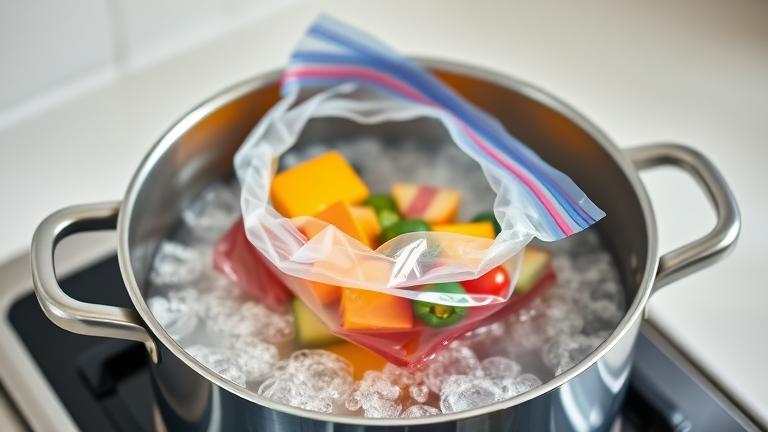
Is Boiling Food in Ziploc Bags Safe?
Many home cooks consider boiling food in Ziploc bags a convenient method for cooking, especially for sous-vide or gentle boiling. However, safety is an important concern when using plastic bags for this purpose. Not all Ziploc bags are designed to withstand high temperatures, which could cause health risks.
Most Ziploc bags are made from polyethylene, which has a melting point around 220°C (430°F). When boiling food, the temperature of water is typically about 100°C (212°F). Under normal boiling conditions, these bags are generally safe to use, provided they are specifically labeled as heat-safe or boil-safe. Always check the packaging for any warning against high-temperature use.
Potential Health Risks
Using non-heat-resistant plastic bags can lead to melting or leaching of chemicals into your food. Substances like BPA and phthalates, which may be present in some plastics, are concerns for health. When these chemicals seep into food, it could pose health risks with prolonged or frequent exposure.
To avoid this, use only bags marked as “freezer-safe” and “boil-safe,” which are tested for temperatures used in cooking. Avoid reusing sandwiches or storage bags that aren’t intended for boiling, as they may degrade faster and release harmful substances.
Safety Tips for Boiling in Ziploc Bags
- Always choose bags labeled as heat-safe or boil-safe. Check the manufacturer’s instructions.
- Do not overfill the bags; leave some space to prevent bursting.
- Use a large pot of boiling water and keep the bag fully submerged during cooking.
- Ensure the bag is securely sealed to prevent water from entering and contaminating the food.
- Remove the bag from boiling water carefully using tongs or gloves to prevent burns.
- After boiling, let the bag cool before handling to avoid burns from hot steam or liquid.
While boiling food in Ziploc bags can be a quick and simple method, it’s important to prioritize safety. Double-check that your bags are suitable for boiling, and avoid reusing bags that aren’t designed for high temperatures. Following these tips helps ensure your food is both safe and delicious.
How to Properly Seal Ziploc Bags for Cooking
Sealing Ziploc bags correctly is essential when cooking, especially during boiling processes. A secure seal prevents leaks and keeps food safe and contained. Knowing how to seal your Ziploc bags tightly can make a big difference in your cooking experience.
Choose the Right Bag
Start with a high-quality Ziploc bag designed for cooking. These are usually the freezer or storage varieties, built to withstand heat and moisture. Check that the bag’s zipper seal is clean and free of debris before use.
Remove Excess Air
Before sealing, gently press out as much air as possible from the bag. You can do this by closing the bag almost all the way, leaving just a small gap. Then, gently push out the remaining air with your fingers. Less air in the bag helps prevent floating and reduces the risk of leaks during boiling.
Seal the Bag Properly
Once most of the air is out, press the zipper closed firmly across the full length of the seal. Go slowly to ensure that the entire zipper is closed evenly. You can double-check by running your finger along the seal to feel for any gaps.
Use the Water Displacement Method
If you want an extra secure seal, try the water displacement method. Fill the bag with your ingredients, leaving some space at the top. Slowly lower the bag into a pot of boiling water or simmering water, which will push the air out of the bag. While submerging, seal the bag completely just above the water line, ensuring no air remains inside.
Double Seal for Extra Security
If you’re worried about leaks, double seal your Ziploc bag. After the initial seal, press down again or close the bag with a second zipper to reinforce the seal. This extra step is especially useful for longer boiling times or delicate foods.
Tips for Safe Boiling
- Use a clip or heavy utensil to hold the bag in place if it tends to float.
- Always check the seal before placing the bag in hot water to prevent leaks.
- Ensure the bag is fully submerged but not touching the bottom of the pot to avoid melting.
For more tips on safe food preparation and storage, visit our how long cooked spinach lasts in the fridge.
Practicing these sealing techniques will help you cook with confidence, knowing your food stays sealed and safe during boiling. Proper sealing not only prevents messes but also preserves flavors and nutrients throughout the process.
Best Foods for Boiling in Ziploc Bags
Cooking foods in Ziploc bags while boiling is a convenient and efficient way to prepare meals. This method is especially popular for foods that benefit from gentle, even cooking and help retain flavor and moisture. Commonly boiled foods in Ziploc bags include vegetables, seafood like shrimp, and small cuts of meat such as chicken breasts or thin steaks.
Before boiling, proper preparation is key. Ensure your seafood, like shrimp, is fully thawed and cleaned. Vegetables should be washed thoroughly and cut into uniform pieces so they cook evenly. Meats should be seasoned or marinated if preferred and cut into manageable portions. Always use food-safe, BPA-free Ziploc bags designed for heat exposure, and avoid overfilling to prevent the bag from bursting during boiling.
How to Prepare Foods for Boiling in Ziploc Bags
- Start by gathering your ingredients. Wash and cut vegetables, season meats, and thaw seafood completely.
- Place the food into a Ziploc bag, leaving some space for movement and expansion during cooking.
- Seal the bag tightly, using a tie or clip to prevent leaks. Make sure the seal is secure to avoid water from entering.
- Bring a large pot of water to a rolling boil. The water temperature should reach 100 degrees Celsius or 212 degrees Fahrenheit.
- Carefully lower the sealed Ziploc bag into the boiling water using tongs or a slotted spoon. Ensure the bag is fully submerged for even cooking.
- Set a timer based on the food type. Shrimp, for example, cooks in about 2-3 minutes, while vegetables may take 5-10 minutes.
- Once cooked, use tongs to remove the bag from the water. Let it cool slightly before opening to avoid hot steam burns.
- Check that the food has reached the desired doneness. Use a thermometer or test the texture for accurate results.
This boiling method in Ziploc bags is ideal for meal prepping, sous vide-style cooking, or when you want to cook delicate foods evenly. Always remember to use high-quality bags that are explicitly safe for boiling, and don’t reuse bags that have been used with raw meats unless thoroughly cleaned.
Tips for Perfect Boiling in Ziploc Bags
- Make sure the water is at a rolling boil before adding the bag.
- Do not overfill the bags to prevent bursting and ensure proper circulation of hot water.
- Use a clip or tie to seal the bag securely, but leave some space for expansion.
- Always handle hot bags with tongs or oven mitts to avoid burns.
For more ideas on cooking seafood like shrimp, see our guide on how to boil frozen shrimp. Happy cooking with your boiling in Ziploc bags—easy, safe, and mess-free!
Step-by-Step Guide to Boil in a Bag
Boiling in a bag is a convenient way to cook your ingredients evenly and safely. To start, gather your ingredients such as vegetables, seafood, or even pasta. The key is using a sturdy, resealable plastic bag like a Ziploc to contain your food during boiling.
Begin by filling a large pot with enough water to fully submerge the bag. Turn on the heat and bring the water to a rolling boil. While waiting for the water to heat up, prepare your ingredients by rinsing and cutting them into appropriate sizes. For seafood like shrimp, ensure it is fully thawed and cleaned.
Preparing the Bag and Ingredients
Place your ingredients into the Ziploc bag. For best results, remove excess air from the bag to prevent it from floating and ensure even cooking. Seal the bag tightly, making sure it is securely closed. You can double-check the seal by pressing around the edges to prevent water from leaking in during boiling.
Some home cooks add seasonings, herbs, or marinade into the bag for flavor infusion. Just be mindful not to overfill the bag; leave some space for the ingredients to move around during cooking.
Boiling the Bag
Once the water reaches a vigorous boil, carefully lower the sealed bag into the boiling water using tongs or a slotted spoon. Submerge the bag completely so the water can cook the food uniformly. Keep the water at a steady boil throughout the process.
Set a timer based on your ingredients’ cooking time. For example, vegetables might take about 8-10 minutes, while seafood like shrimp may need only 3-5 minutes. Check the internal temperature or texture to ensure proper doneness.
Safely Removing and Serving
Use tongs to carefully lift the bag out of the boiling water. Place it on a plate or in a bowl, and allow it to cool slightly before opening. Be cautious of hot steam when handling the bag open. Once opened, transfer the cooked ingredients to a serving dish.
For safety, avoid reusing the same bag for raw and cooked foods. If desired, you can pour the contents into a dish and serve immediately, or use the cooked ingredients in another recipe.
- Tip: Use a clip or twist tie to keep the bag closed tightly while boiling.
- Tip: Make a small hole in the bag for steam to escape, if you prefer more even cooking and less pressure.
By following these steps, you can enjoy perfectly cooked ingredients with minimal mess. Always monitor the water level and temperature to ensure safety. This method is great for easily cooking meals and portioning out ingredients ahead of time.
Learn more about safe food handling
Pros and Cons of Using Ziploc for Boiling
Using Ziploc bags for boiling food can be a convenient and practical method, but it also has some important considerations. Let’s explore the advantages first.
Pros
- Mess-Free Cooking: Ziploc bags contain all the ingredients and juices, reducing splatters in your pot and making cleanup easier. When cooking things like shrimp or vegetables, you avoid the hassle of scrubbing pots afterward.
- Portion Control and Precision: Sealing food in bags allows you to control portions and cook to your preferred doneness. This is especially useful for delicate foods that require exact timing.
- Enhanced Flavor: The sealed environment helps trap flavors and juices, resulting in more flavorful dishes. Plus, you can add herbs or spices directly in the bag for infusing your food.
- Portable and Reusable: If using reusable silicone bags, this method is more eco-friendly and reduces waste.
Cons
- Safety Concerns: Not all plastic bags are designed to withstand boiling temperatures. If the bag is not labeled as heat-safe, chemicals could leach into your food, which can pose health risks.
- Leakage Risks: If the seal is not tight or if the bag has a defect, water might seep in during boiling, ruining the food or causing a mess in your pot.
- Environmental Impact: Single-use plastic bags contribute to waste. Using disposable Ziploc bags for boiling adds to environmental concerns. Reusable silicone bags can be a better alternative.
- Limitations on Food Types: Very hot liquids or foods with high fat content may not be suitable for all Ziploc bags. Always check if the bag is labeled as boiling safe before use.
- Temperature Control: Care must be taken not to overfill the bag or use bags that are not intended for boiling, as they may burst or melt under high heat.
To maximize safety, always use Ziploc bags marked as microwave or heat-safe, and double-check that they are properly sealed. For environmentally conscious cooking, consider options like reusable silicone bags instead of single-use plastic. Overall, Ziploc bags can be a handy tool for boiling food if used correctly, but understanding the potential pitfalls helps you make better choices in the kitchen. For more tips on food storage and cooking methods, visit how long does frozen shrimp last in the fridge.
Common FAQs About Cooking with Ziploc Bags
Cooking with Ziploc bags offers a convenient way to prepare, store, and even cook food. However, many home cooks have questions about safety, best practices, and techniques when it comes to using these versatile bags in the kitchen. Here are some frequently asked questions to help you use Ziploc bags with confidence.
Is it safe to cook food inside Ziploc bags?
Yes, it is generally safe to cook in Ziploc bags, especially if you use their freezer or sandwich bags that are labeled as microwave-safe or suitable for boiling. These bags are designed to withstand certain temperatures and can be used for sous-vide cooking or boiling, if the label confirms it. However, avoid using regular storage bags not meant for high temperatures or direct heat, as they may melt or leach chemicals into your food.
Always check the manufacturer’s instructions on the package for specific heat limits. To reduce risk, avoid overfilling the bag, remove excess air, and use gentle heat. This ensures your food cooks evenly and safely without the bag breaking apart or releasing unwanted substances.
What techniques should I follow when cooking with Ziploc bags?
Here are some tips for successful cooking in Ziploc bags:
- Use bags labeled as microwave-safe or boiling-safe.
- Remove as much air as possible before sealing to prevent the bag from floating or bursting during cooking.
- Submerge the bag fully in water if boiling, ensuring it stays below the waterline to prevent leaks.
- Use a clip or a clothespin to secure the bag’s opening if needed.
- Cook at moderate temperatures and avoid boiling for extended periods if unsure about the bag’s temperature limits.
Another tip is to double-bag for extra security, especially for longer cooking times or when using bags that are not specifically rated for boiling. This extra layer helps prevent leaks and keeps your food safe and contained.
Are there safety concerns I should be aware of?
While Ziploc bags are generally safe for cooking, some safety concerns include using the wrong type of bag for high heat, which may cause melting or chemical leaching. Always verify that your bags are labeled as microwave-safe or boil-safe.
It’s also important to watch out for bag punctures or tears that can lead to leaks. Properly sealing and handling the bags reduces the risk of contamination. For added safety, do not reuse single-use bags for multiple cooking processes or storage, especially if they have been used for raw meats or seafood.
If you want to explore more about cooking seafood, check out our guide on how to boil frozen shrimp, to ensure safe and delicious seafood preparations.
Tips for Safe and Effective Bag Cooking
Choose the Right Bag
When bag cooking, it is essential to select a safe, food-grade bag, like a high-quality Ziploc or freezer bag. Avoid using thin or damaged bags, as they may leak or break during boiling. Make sure the bag is labeled as heat-safe for boiling purposes to prevent any chemical leaching or accidents.
Use Proper Sealing Techniques
Proper sealing is crucial for bag cooking. Before boiling, remove as much air as possible from the bag to prevent it from floating or opening. Use a double zipper or fold the top securely to ensure a tight seal. This helps to lock in flavors, prevent water from seeping into the bag, and keep the food safe from contamination.
Follow Food Safety Guidelines
Always start with fresh, high-quality ingredients. Do not leave raw or cooked food at room temperature for too long. When boiling, maintain a rolling boil to ensure food reaches the safe internal temperature. For example, seafood like shrimp should be cooked to at least 145°F. Check internal temperatures with a food thermometer to prevent foodborne illnesses.
Monitor the Cooking Process
Keep an eye on the boiling water to avoid overflows or injuries. Use a sturdy pot with enough water or broth to submerge the bag completely. Stir gently if needed to promote even cooking. Avoid overcrowding the pot, as it can decrease boiling efficiency. Once done, handle the hot bag with tongs or oven mitts to prevent burns.
Handle and Store Bags Properly
After cooking, carefully remove the bag from the boiling water. Let it cool slightly before opening to avoid steam burns. Serve the contents promptly or store leftovers in the refrigerator. For future safety, consume refrigerated bag-cooked foods within 24 hours to maintain freshness and prevent spoilage.
- Use food-grade, heat-safe bags designed for boiling or simmering.
- Seal bags tightly to prevent leaks and contamination.
- Ensure your ingredients are fresh and cooked to safe temperatures.
- Be cautious when handling hot bags and boiling water.
- Store leftovers properly and consume within a safe timeframe.
For a detailed guide on boiling seafood like shrimp, visit how to boil frozen shrimp. Following these tips will help you achieve delicious, safe, and perfectly cooked meals when bag cooking.