
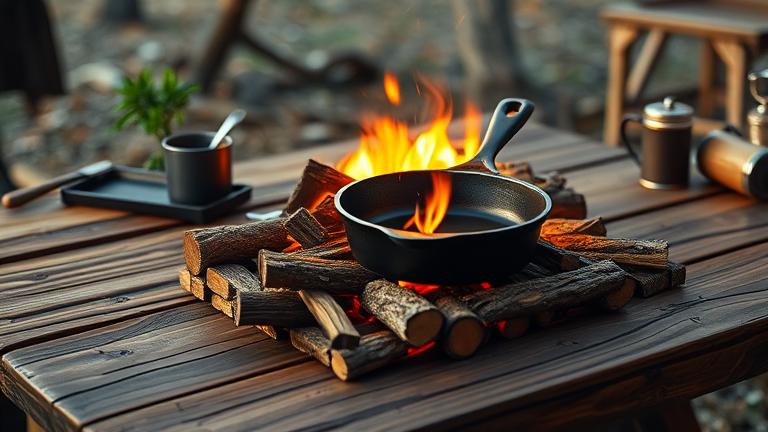
What Is Kindling and Is It Safe to Use?
If you’ve ever started a campfire or lit a cozy fireplace, you’ve likely used something called kindling. But in the kitchen, especially if you’re interested in outdoor or rustic cooking methods, the term kindling can also come into play. So, what exactly is kindling, and is it safe to incorporate into your cooking routines?
Kindling refers to small, dry sticks or pieces of wood that are used to start a fire. It’s typically thinner and lighter than regular logs, making it easy to ignite. In outdoor cooking or grilling, kindling helps get the main fire going quickly. It is usually made from softwood like pine, cedar, or spruce because these burn fast and ignite easily.
In a culinary context, kindling can be useful when you plan to light charcoal or a wood fire for barbecuing, smoking, or even baking in a wood-fired oven. When used correctly, it helps create a strong, steady flame that cooks your food evenly and efficiently. However, understanding its properties and safety considerations is important to avoid accidents or harmful fumes.
Properties of Kindling
Proper kindling should be dry, lightweight, and free from chemicals or treatments. Always choose natural, untreated wood to minimize the release of toxic fumes when burning. Wet or green wood, which often contains more moisture, won’t ignite easily and can produce excess smoke or even dangerous creosote buildup inside chimneys.
When selecting kindling, aim for small sticks that are about matchstick or pencil thickness. This size makes it easier to start a fire quickly. Once the kindling is burning well, you can add larger pieces of wood or charcoal to sustain the fire for longer cooking sessions.
Is It Safe to Use Kindling in Cooking?
Most traditional outdoor cooking methods using wood or charcoal rely on kindling as an essential part of the fire-starting process. When you use natural, untreated wood and follow safety protocols, using kindling is generally safe. Just keep these tips in mind:
- Always use kindling in a well-ventilated area to avoid inhaling smoke or fumes.
- Never use treated or painted wood, as it can release toxic chemicals when burned.
- Use long matches or a firelighter to keep your hands safe from the flames.
- Maintain a safe distance from the fire, especially when adding new kindling.
- Have a fire extinguisher, water, or sand ready in case of emergencies.
When to Use Kindling in Your Cooking
Kindling is most appropriate when you’re setting up a fire for grilling or using a wood-fired oven. It’s perfect for getting your fire going quickly and creating a steady flame. It’s especially handy if your cooking involves slow smoking, roasting, or baking in coals or open flames.
However, if you’re using a gas grill or electric cooker, kindling isn’t necessary. Its primary role is in flames and ember-based cooking methods. Always follow safety guidelines and make sure your fire is fully extinguished after cooking to prevent accidental fires.
Benefits of Cooking with Kindling
Using kindling to start a fire for cooking offers several practical advantages that can improve your outdoor and indoor cooking experience. Kindling, which includes small sticks, twigs, or other thin wooden pieces, is an ideal fuel source to ignite larger logs or charcoal efficiently. It not only helps get your fire going quickly but also enhances the overall quality of your cooking method.
One of the main benefits of cooking with kindling is the improved flavor it can impart to your food. When you use natural wooden kindling, especially different types of hardwoods, they can add subtle smoky notes to your dishes. This can enhance the aroma and taste, giving your grilled meats, roasted veggies, or even baked bread a richer flavor profile. Unlike lighter fluid or chemical starters, natural kindling provides a clean burn that preserves the natural flavors of your food.
Besides flavor, kindling also boosts efficiency. Because it ignites quickly and burns evenly, it helps you reach your cooking temperature faster. This means less waiting time and fuel waste, making your cooking process more economical and environmentally friendly. Properly arranged kindling creates an active, steady fire that maintains consistent heat, essential for tasks like roasting, baking, or slow cooking.
Another important advantage is safety. Using dry, seasoned kindling reduces the risk of flare-ups or uncontrolled fires that can occur with unseasoned or damp wood. When lighting a fire with kindling, it is easier to control the initial burn and prevent accidents. Plus, handling small pieces is safer and more manageable, especially for beginner cooks or when lighting a campfire.
Kindling also contributes to a cleaner workspace. Since it burns quickly and thoroughly, there are fewer ashes or leftover debris compared to larger logs. This makes cleaning up after cooking simpler and quicker. Additionally, because kindling often comes from natural sources, it minimizes the use of chemical starters, leading to a more eco-friendly cooking method.
For best results, choose the right kindling. Look for softwoods like cedar or pine for quick ignition, but remember these can produce more smoke and a stronger smell. Hardwoods like oak or maple burn longer and cleaner, providing a steadier heat ideal for longer cooking sessions. Keep your kindling dry and well-stored to ensure it ignites easily and burns efficiently.
In summary, cooking with kindling offers benefits such as enhanced flavor, faster and more efficient heating, increased safety, and a cleaner cooking environment. Using the right type of kindling can elevate your outdoor or indoor cooking projects, making the process more enjoyable and successful. Whether you’re grilling, baking, or slow roasting, proper type and handling of kindling can make a big difference in your culinary adventures.
Best Types of Wood for Cooking
Choosing the right wood for cooking with kindling is essential for both flavor and safety. Not all woods burn well or produce good smoke, so it’s helpful to know which types are best suited for culinary uses. The goal is to find woods that burn evenly, produce minimal chemicals, and add a pleasant smoky aroma to your food.
Some woods are naturally safer and cleaner when used for cooking, while others can release harmful toxins or produce unpleasant tastes. When selecting wood for your fire, consider the characteristics such as hardness, dryness, and aromatic properties.
Characteristics of Ideal Cooking Wood
- Hardness: Hardwoods tend to create better logs for burning because they burn longer and produce consistent heat. Softer woods burn faster and are less ideal for cooking purposes.
- Low Resin Content: Woods with minimal resin or sap reduce the risk of smoking producing harsh flavors and harmful chemicals.
- Proper Dryness: Always use seasoned wood. This means it has been dried for at least 6 to 12 months and has a moisture content below 20%. Wet wood produces more smoke and is less efficient.
- Aromatic Qualities: Some woods impart pleasant smoky flavors, enhancing grilled meats or vegetables.
Top Woods for Cooking
Here are some of the best choices when it comes to cooking with wood:
| Wood Type | Characteristics | Uses & Tips |
|---|---|---|
| Hickory | Strong, smoky flavor. Very dense and long-burning. | Popular for pork and ribs. Use in moderation to avoid overpowering flavors. |
| Oak | Moderate smoky flavor, burns evenly, and is widely available. | Great for grilling and smoking a variety of foods. Well-seasoned oak is best. |
| Maple | Sweet, mild smoke with pleasant aroma. | Perfect for poultry, fish, and vegetables. Adds a touch of sweetness. |
| Apple | Light, fruity aroma and mild smoke flavor. | Ideal for chicken, pork, and cheese. Use chunks for a gentle flavor. |
| Pecan | Mildly nutty flavor with a sweet aftertaste. | Excellent for poultry, seafood, or vegetables. Use sparingly for best flavor. |
| Cherry | Subtle fruity aroma, burns cleanly. | Good for all kinds of meats and adds a beautiful color to foods. |
Woods to Avoid
- Pine, Spruce, and Other Softwoods: These contain high levels of resin, which can produce harsh smoke and create undesirable flavors.
- Green or Wet Wood: Using unseasoned wood results in excess smoke and less efficient burning.
- Wood Treated with Chemicals: Never burn painted, stained, or pressed woods, as they release toxic fumes harmful to health.
Safety Tips for Using Wood in Cooking
- Always use seasoned, dry wood to reduce smoke and toxins.
- Store your wood in a dry, covered area to keep it ready for use.
- Never burn treated or painted woods in your cooking setup.
- Ensure proper ventilation when cooking with wood to prevent smoke buildup indoors.
How to Prepare and Light Kindling Properly
Lighting kindling correctly is an important step for starting a fire safely and efficiently, especially when cooking over an open flame or in a wood stove. Proper preparation helps ensure your fire ignites quickly and burns steadily. Here, you’ll find friendly, practical tips to prepare and light your kindling like a pro.
Choosing the Right Kindling
Start with small, dry sticks or twigs. Look for materials that are lightweight, thin, and dry. Avoid green or wet wood, as it is harder to ignite and produces more smoke. Dry pine, small birch branches, or thin hardwoods work great for kindling. The goal is to create a layer of tiny, easy-to-light pieces that feed the larger logs.
Preparing the Kindling
- Break or cut your wood into small pieces—about the thickness of your finger or smaller. This helps the fire catch and spread evenly.
- Arrange the pieces so they are dry and loosely stacked. Don’t pack them tightly; this allows air to circulate and helps them ignite more easily.
- Gather enough kindling to sustain the initial burn, usually a handful or two, depending on your stove or fireplace size.
Setting Up Your Fire
Use a simple fire-building technique like the teepee or log cabin method. For the teepee, arrange your kindling in a cone shape with a small opening at the bottom. Place your firelighter or match inside this opening. The open design allows air to flow through, promoting ignition.
Lighting the Kindling
- Light the firestarter or match at the base of the kindling teepee, ensuring it catches evenly.
- Gently blow on the flames if needed, but avoid blowing too hard, which can disturb the setup.
- Allow the kindling to burn steadily until it is well ignited and produces a good bed of glowing embers. This usually takes a few minutes.
Safety Tips
- Keep a fire extinguisher, water, or sand nearby in case of an emergency.
- Wear heat-resistant gloves when handling matches or fire-starting tools.
- Never leave a lit fire unattended. Always supervise until it is fully out or safely contained.
- Ensure your chimney or venting system is clean and working properly if you are lighting a fire indoors.
Common Mistakes to Avoid
- Using damp or green wood, which smokes excessively and is hard to ignite.
- Packing kindling too tightly, blocking airflow.
- Overloading the fire with large logs before the kindling is fully burning, which can smother the flames.
By taking the time to prepare your kindling properly and following these safety practices, you’ll create a strong, steady fire suited for cooking or warming. Remember, patience is key. A well-ignited kindling layer will lead to a successful and enjoyable fire experience every time.
Cooking Techniques Using Kindling
Using kindling to cook is a fun and practical way to prepare food outdoors. Whether you want to grill, roast, or create a cozy campfire meal, mastering these techniques can enhance your outdoor cooking adventures. With a little practice, you’ll be able to turn simple wood splinters into a reliable heat source for delicious results.
First, it’s important to understand how to set up your kindling effectively. Start by choosing dry, seasoned wood that burns well and produces less smoke. Gather small sticks, twigs, and thin splits that ignite quickly. Arrange your kindling in a way that allows plenty of airflow, which helps it catch fire and burn evenly.
Building an Open Fire
The most common method of cooking with kindling is building an open fire. This setup provides direct heat ideal for grilling or roasting food. Here’s how to do it:
- Create a sturdy firebase using larger logs or stones to contain the fire.
- Place your smallest sticks and twigs in the center, forming a crisscross or teepee shape. This design encourages air circulation and quick ignition.
- Light the kindling with a match or lighter, ensuring your initial flames are steady. Use long matches or a fireplace lighter for safety.
- As the kindling catches fire, gradually add larger pieces or more wood to develop a strong, hot fire.
Allow the fire to burn until you see a good bed of hot embers. These produce a consistent, controllable heat perfect for cooking food over flames or coals.
Using a Fire for Grilling
Grilling over an open fire involves placing food directly over the hot embers or flames. To do this safely and effectively:
- Ensure your fire has transformed into glowing embers. This provides steady, even heat without flare-ups.
- Use a grill grate or a flat stone placed carefully above the embers. This keeps your food from burning directly in flames.
- Preheat the grate for a few minutes to prevent sticking.
- Cook your food, flipping as needed, until it reaches the right internal temperature. Thin cuts like steaks, kebabs, and vegetables work well on fire grates.
Roasting with Kindling
Roasting involves cooking food slowly over the fire using indirect heat. This technique is great for foods like corn on the cob, potatoes, or marshmallows. Here’s a simple way to do it:
- Build a fire and let it burn down until you have a bed of hot coals and small flames at the edges.
- Use a roasting stick, skewer, or foil-wrapped items placed near the coals, not directly in flames.
- Turn food regularly to cook evenly and prevent burning.
- Keep a close eye, adjusting the distance from the fire for the desired cooking pace.
Safety Tips and Practical Advice
- Always set up your fire in a safe, open space away from overhanging branches or structures.
- Keep water or a fire extinguisher nearby in case of unexpected flare-ups.
- Never leave your fire unattended. Always fully extinguish it when done.
- Be patient with your fire-building—strong, steady flames make better cooking fires and reduce smoke.
With these techniques, you can turn simple kindling into a versatile cooking tool. Practice makes perfect, and soon you’ll be roasting marshmallows, grilling perfect steaks, or cooking hearty stews over an open fire with confidence. Happy outdoor cooking!
Tips for Achieving the Perfect Fire
Creating a strong, steady fire using kindling is an essential skill for many outdoor activities and cooking adventures. A well-managed fire provides consistent warmth, efficient cooking, and a safe environment. Here are some expert tips to help you control and maintain your fire effectively.
Start with the Right Materials
Select dry, clean kindling such as small twigs, sticks, or wood shavings. Dry wood ignites more easily and burns more steadily than damp or green wood, which can produce smoke and soot. Avoid using treated wood, painted wood, or trash, as these can release harmful fumes. Gather enough kindling to get your fire going, but don’t overstock, as excess wood can smother the flames.
Build a Proper Fire Structure
A good fire structure helps air flow and makes it easier to control the fire. The most common method is the teepee setup, where you arrange the kindling in a cone shape with an opening at the bottom for air. You can also use the log cabin style, stacking larger logs around your kindling in a square. Make sure there’s enough space for air to circulate, which is essential for maintaining combustion.
Light the Fire Safely
Use matches or a lighter to ignite the kindling at multiple points to ensure an even start. Keep a safe distance and always have water or a fire extinguisher nearby. Once the kindling catches, gently blow on the base of the fire to supply oxygen. Be patient during the initial ignition phase, and avoid ruffling the flames too much, as this can smother the fire or cause safety hazards.
Control the Fire’s Temperature
To manage how hot your fire burns, adjust the amount of air you allow in. If flames are too large or produce excessive smoke, gently cover the fire with a screen or adjust your kindling arrangement to restrict airflow. Conversely, to increase heat, carefully fan the flames or add more dry wood gradually. Regularly monitor the fire to prevent it from getting out of control.
Maintain Safety and Comfort
Always keep a clear area around your fire, free of flammable materials. Never leave the fire unattended, especially when it’s still burning or when you plan to leave. When you’re finished, let the fire burn down to ash, then spread the remaining embers to cool. Douse the fire completely with water, stirring the ashes to ensure no hot spots remain. Confirm that everything is cool before leaving.
Common Mistakes to Avoid
- Using green or damp wood, which produces excessive smoke and weak flames.
- Overloading the fire with too much wood at once, choking airflow.
- Ignoring safety protocols, such as neglecting to keep water nearby or leaving fires unattended.
- Building a fire on unsuitable ground that can cause unintended spread or damage.
Expert Tips for a Better Fire
- Practice patience and give the fire time to build steadily before adding larger logs.
- Adjust airflow by opening or closing vents, or by using a bellows or fan to control temperature.
- Keep your kindling dry and stored in a protected container to ensure quick lighting when needed.
Safety Tips When Cooking with Kindling
Using kindling to start a fire for cooking can be a fun and efficient way to prepare delicious meals. However, it’s important to follow safety precautions to prevent accidents and ensure everyone stays safe. Whether you are new to cooking with kindling or have some experience, these safety tips will help you enjoy your time in the kitchen without unnecessary risks.
First, always choose a safe location for your fire. Set up your cooking area outdoors in a clear space away from overhanging branches, structures, or other flammable materials. Use a fire pit or a designated outdoor fire bowl if possible. Make sure the surface is stable and non-flammable, preventing the fire from tipping over or spreading unexpectedly.
Handle tools carefully. When working with matches, lighters, or fire-starting aids, keep them away from children and pets. Use long-handled tools like tongs or pokers to manage the kindling and flames. Never leave the fire unattended, and always keep a bucket of water, a hose, or a fire extinguisher nearby in case of emergencies.
Building your fire safely is key. Start with small pieces of dry kindling, placing them in a crisscross pattern to promote good airflow. Avoid overloading the fire with too much kindling at once, which can cause uncontrollable flames. As the fire catches, gradually add larger pieces of wood or charcoal if needed.
When it is time to extinguish the fire, do so thoroughly. Use water or extinguishing agents specifically designed for fires, and pour slowly to avoid spreading ash and embers. Stir the ashes with a long tool to ensure all hot spots are cooled down. Never leave a fire smoldering unattended, and double-check that it is completely out before leaving the area.
- Never cook near dry grass, leaves, or other easily ignitable ground cover.
- Keep a safe distance between the fire and yourself, especially when adding kindling or adjusting flames.
- Wear heat-resistant gloves if handling hot tools or large pieces of kindling.
- Stay alert and attentive throughout the cooking process to catch any potential hazards early.
- Make sure children and pets are kept well away from the fire at all times.
By following these simple safety tips, you can enjoy the warmth and flavor kindling brings to your outdoor cooking adventures. Remember, safety always comes first, and taking a few extra precautions can make your cooking experience more enjoyable and stress-free.