
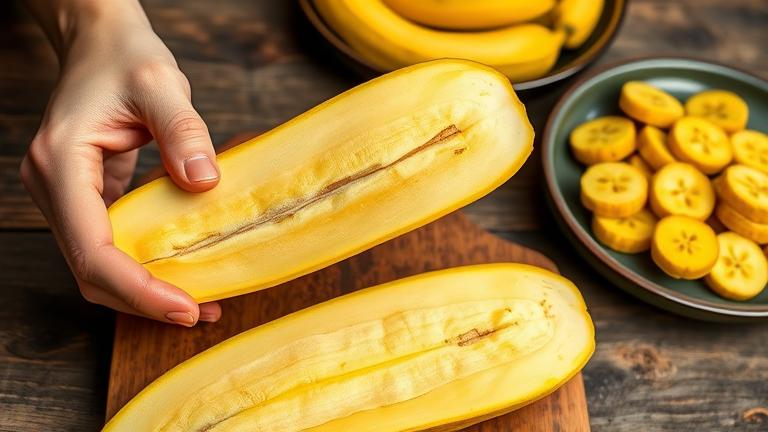
Is Eating Raw Plantains Safe and What Are Their Nutritional Benefits?
Many people wonder whether it is safe to eat plantains raw. When properly prepared, raw plantains are generally safe to consume. Unlike their cooked counterparts, raw plantains can retain certain nutrients that might be reduced through cooking processes.
It is important to handle them correctly to avoid any potential health issues. Cooking plantains helps improve their flavor and digestibility, but eating them raw can preserve delicate vitamins that are sensitive to heat.
How to Eat Raw Uncooked Plantains
Raw plantains are an excellent source of essential nutrients. They are particularly rich in vitamin C, vitamin A, and vitamin B6, which support immune function, vision, and metabolic health. In addition, raw plantains provide a significant amount of potassium.
Potassium plays a vital role in regulating blood pressure and maintaining fluid balance in the body. They also contain dietary fiber, which promotes healthy digestion and gut health. The antioxidants in plantains, such as lutein and beta-carotene, help protect the body against oxidative stress and cell damage, further supporting overall health and wellness.
Creative Ways to Enjoy Raw Plantains
Raw plantains can be incorporated into your diet in numerous creative and traditional ways. Since they are less sweet and starchy when raw, they are suitable for salads and snacks. A popular method involves thinly slicing raw plantains and adding them to salads for a crunchy texture and subtle sweetness. They can also be diced and blended into smoothies to create nutritious drinks with fruits like mango or banana.
Traditional cuisines around the world also feature raw plantains in various recipes. For example, in Caribbean cuisine, raw plantain slices are sometimes pickled to serve as tangy appetizers. In West
African dishes, raw plantains are grated and mixed with spices to craft savory toppings for different dishes. Exploring these methods can inspire home cooks to experiment with raw plantains beyond their typical cooked uses and enjoy their nutritional benefits in new culinary creations.
Tips for Handling and Consuming Raw Plantains Safely
To safely enjoy raw plantains, start by selecting ripe, unblemished fruit. Ripe plantains typically have a yellow skin with some black spots, indicating sweetness and readiness for consumption. Always wash plantains thoroughly under cold water to remove dirt and surface bacteria before cutting. Proper peeling is essential to avoid contamination from residual dirt or pesticides.
When preparing raw plantains, use clean utensils and cutting boards to prevent cross-contamination. It is also advisable to cook or thoroughly heat plantains prior to eating, as consuming raw plantains may introduce antinutrients that interfere with digestion.
These compounds, such as lectins, can cause digestive discomfort if eaten in excess and are neutralized through cooking. Store fresh plantains in a cool, dry place and aim to consume them within a few days to maintain freshness and prevent spoilage.
The Cultural Significance of Raw Plantains Around the World
Plantains hold an important place in many cultural cuisines worldwide. In West Africa, they are often prepared as fried snacks or porridges, reflecting their culinary significance within local traditions. Latin American countries like Colombia and the Dominican Republic incorporate raw plantains into dishes like mofongo and plantain chips, showcasing their versatility and regional flavors.
In Southeast Asia, especially Indonesia and the Philippines, cooked or fried plantains such as pisang goreng and banana cue feature prominently as desserts and snacks. The Caribbean uses raw plantains in hearty stews and fritters that highlight their nutritional value and cultural importance. In Middle Eastern cuisine, green plantains are included in vegetable stews and spicy salads, demonstrating their adaptability.
Beyond their culinary uses, plantains symbolize prosperity and social cohesion in communities such as Nigeria and the Caribbean. Festivals often celebrate plantain dishes, emphasizing their role in communal bonding and cultural traditions. This global appreciation underscores how plantains serve not just as nourishing food but also as symbols of cultural identity and community pride.
Health Benefits and Potential Drawbacks of Raw Plantains
Consuming raw plantains can offer significant health benefits. Eating them in their raw form helps preserve enzymes and nutrients that cooking might destroy. Nutrients like vitamin C and antioxidants are better retained when plantains are eaten raw, making them a potent addition to a balanced diet (Farmonaut). These nutrients support immune health, skin vitality, and overall wellness.
However, there are potential drawbacks to eating raw plantains. Raw plantains are harder to digest for some individuals and may cause gastrointestinal discomfort such as bloating or gas. It is also important to note that raw plantains contain natural toxins like lectins and antinutrients, which can be harmful if consumed in large quantities. Cooking neutralizes these compounds, increasing safety and digestibility.
Deciding whether to include raw plantains in your diet depends on individual health goals and digestive tolerance. Those with sensitive stomachs should exercise caution and consult with healthcare professionals if unsure. Balancing the potential benefits of preserved nutrients with possible digestive issues can help you determine the best way to enjoy plantains for your personal health.