
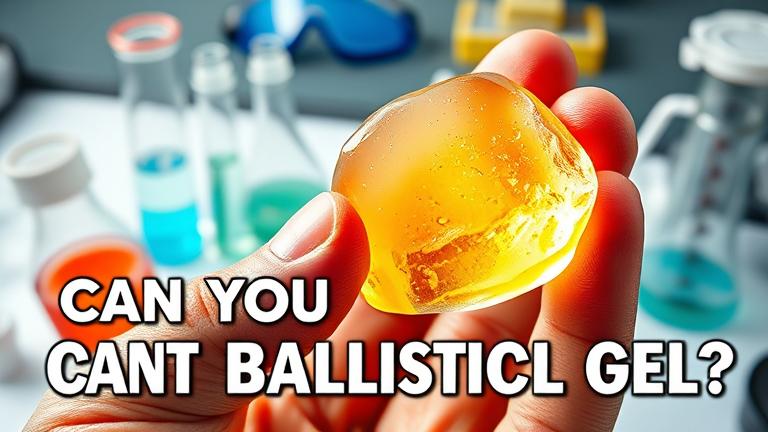
What Is Ballistic Gel? An Overview of Its Uses and Composition
Ballistic gel is a fascinating synthetic substance that has found extensive applications across forensic science, biomechanics, and military training. Its origins trace back to World War II, where it was developed to analyze wound patterns caused by projectiles. Today, it remains widely used for testing firearm ballistics, simulating human tissue, and training law enforcement and military personnel.
The primary functions of ballistic gel are forensic investigations, firearm performance testing, and medical research. It allows experts to observe how bullets and other projectiles behave upon impact.
This simulation is crucial in advancing protective gear development, refining ammunition, and understanding injury mechanisms.
The typical composition of ballistic gel includes a mix of water, gelatin, and various additives. These ingredients mimic the consistency and density of human tissue, enabling accurate testing environments.
Despite its utility, it is important to note that ballistic gel contains chemicals and stabilizers that are not safe for human consumption. Its synthetic nature makes it suitable solely for testing and educational purposes, not ingestion.
Can You Eat Ballistic Gel? The Truth About Its Edibility and Risks
Many enthusiasts and curious individuals sometimes wonder if ballistic gel can be eaten due to its gelatinous appearance. Its texture resembles edible gelatin desserts, leading some to ask if it is safe for consumption.
However, the reality is quite different. Ballistic gel is composed of synthetic chemicals and stabilizers that are not intended for human ingestion. These substances can pose serious health risks if consumed.
The inert, non-edible nature of ballistic gel means that eating it can lead to digestive problems, chemical poisoning, or choking hazards. Some chemicals present in the mixture may be toxic, and their ingestion can cause harmful effects.
Ingesting ballistic gel is strongly discouraged by health authorities. It is important to keep it away from children and animals as well, to prevent accidental swallowing. Consuming it may result in poisoning from synthetic residues or physical blockages in the digestive system, which could require medical intervention. Overall, despite its appearance, ballistic gel should never be considered edible, and mishandling or ingestion should be avoided at all costs.
For a visual overview, check out this informative YouTube video that highlights the non-edible nature of ballistic gel:
Edible Alternatives to Ballistic Gel: Safe and Tasty Options
For those interested in replicating the texture or purpose of ballistic gel in culinary or scientific experiments, several safe substitutes are available. These alternatives mimic the firm, rubbery texture of ballistic gel without the health risks associated with synthetic chemicals.
One popular veggie-based alternative is agar-agar, a vegetarian thickening agent derived from seaweed. It is low in calories, free from animal products, and widely used in culinary applications like desserts and molecular gastronomy. Studies demonstrate that agar-agar is safe and suitable for dietary needs.
Gelatin, made from collagen, provides another effective substitute. It offers a protein-rich, chewable texture and can be adjusted by changing its concentration. Hydrolyzed collagen powders, often sourced from fish or bovine cartilage, are also safe options with high purity standards.
Another innovative alternative involves konjac root flour, which creates a jelly-like consistency when heated and mixed with water. Konjac is rich in fiber, has a low glycemic index, and is suitable for blood sugar management. Its gelling properties have been well documented in culinary circles.
Lastly, aquafaba, the viscous water from cooked chickpeas, offers a natural thickening agent that can be whipped or set into gels. Though it does not perfectly mimic ballistic gel’s texture, it is a versatile, vegan substitute suitable for a variety of culinary uses.
Experimenting with these alternatives not only enhances safety but also opens new avenues for healthy and ethical food preparation.
Health and Safety First: Understanding Unconventional Materials in Food
Eating non-food materials can cause severe health problems, particularly due to toxicity and physical injury. It is vital to distinguish between edible ingredients and hazardous substances to avoid accidental poisoning or damage.
Proper identification involves understanding food safety standards, reading labels carefully, and sourcing ingredients responsibly. Eating contaminated or unverified foods may expose you to bacteria, pesticides, or illegal additives.
Testing for contaminants is a crucial step in maintaining food safety, particularly when dealing with unfamiliar or unconventional foods. Techniques such as microbiological tests for bacteria like Salmonella and E. coli, as well as chemical analyses, help identify potential hazards. These methods ensure that your food is safe and free from harmful substances.
Research has shown that rigorous testing mitigates health risks and ensures consumer safety. Whether trying exotic foods or experimenting in the kitchen, following principles of food safety prevents foodborne illnesses and promotes wellbeing.
In the context of substances like ballistic gel, it is equally important to handle them properly and keep them isolated from our food sources. These materials are strictly designed for scientific use and should be managed with appropriate safety precautions. Proper disposal and restricted handling prevent accidental ingestion or exposure to toxic chemicals.
Final Verdict: Is Eating Ballistic Gel a Good Idea?
After reviewing the composition, risks, and alternatives, it is clear that consuming ballistic gel is not advisable. Its synthetic ingredients and chemical stabilizers are unsafe for human ingestion and pose significant health hazards.
The primary purpose of ballistic gel is for research, testing, and training, not for human consumption. Attempting to eat or handle it improperly can lead to poisoning, choking, or internal injuries.
For those interested in similar textures, choosing edible, health-conscious substitutes like agar-agar, gelatin, or konjac provides safe, enjoyable options. These alternatives can be customized for taste and texture while ensuring safety.
In conclusion, edible or not, ballistic gel should be treated as a specialized testing material. Its risks far outweigh any curiosity-driven indulgence. Always prioritize safety, and use appropriate substitutes when needed.
Remember, exploring culinary or scientific boundaries should never compromise health and safety. If you are curious about using gels like ballistic gel in scientific settings, follow proper handling procedures and always adhere to safety guidelines.