
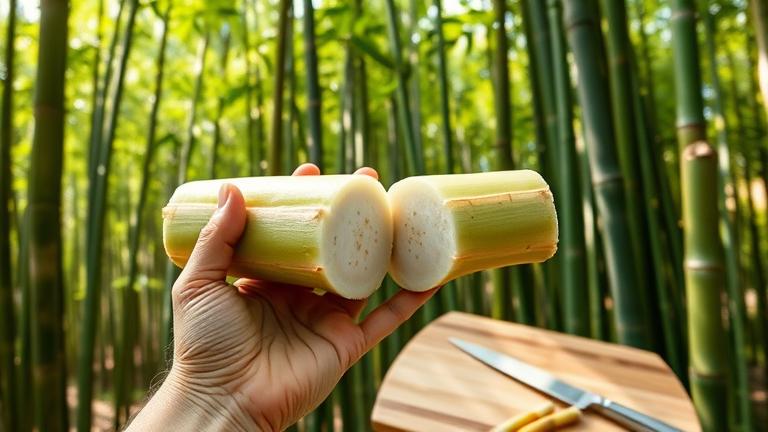
Tips for Safely Eating Raw Bamboo Shoots
Eating raw bamboo shoots can offer a crunchy texture and nutritional benefits if done correctly. The first step is selecting the right shoots, which should be fresh, firm, and free from discoloration or mold. It is essential to properly prepare the bamboo shoots by peeling off the tough outer layers and thoroughly rinsing the tender inner parts. This process helps remove dirt, pesticide residues, and potential contaminants that may be present.
Before consumption, soaking bamboo shoots in water for several hours is recommended. This soaking process allows natural toxins, such as cyanogenic compounds, to leach out gradually. As these toxins can cause health issues like cyanide poisoning if ingested in high quantities, proper soaking is crucial for safety.
Additionally, it is advised to peel and rinse bamboo shoots thoroughly, then cut them into manageable pieces to facilitate even soaking. If there is concern about potential toxins or digestion difficulties, lightly cooking the shoots is a prudent step. Cooking not only reduces toxin levels but also enhances digestibility and flavor. Buying bamboo shoots from reputable suppliers ensures they are fresh and free from contamination, which further minimizes health risks.
Incorporating raw bamboo shoots into salads or sushi can provide a delightful crunch and nutritional boosts. They are rich in dietary fiber, antioxidants, and essential vitamins. When prepared correctly, raw bamboo shoots can be a safe and healthy addition to a variety of dishes.
Nutritional Benefits of Bamboo Shoots
Bamboo shoots are a treasure trove of nutrients. They are rich in antioxidants, vitamins, and minerals that support various bodily functions. For instance, bamboo shoots contain vitamin B6, vitamin E, potassium, magnesium, and zinc, all vital for maintaining good health.
The antioxidants found in bamboo shoots help neutralize free radicals, potentially reducing the risk of chronic diseases such as heart disease and certain types of cancer. These compounds contribute to overall health by combating oxidative stress. Moreover, the vitamins in bamboo shoots, including vitamins A, C, and E, support skin health, vision, and immune system functions.
The mineral content, especially potassium and magnesium, aids in maintaining healthy blood pressure and muscle function. Bone health is also supported due to the presence of zinc and other minerals. Consuming bamboo shoots regularly can help contribute to a well-balanced diet and promote general well-being.
Bamboo shoots are also an excellent source of dietary fiber, which plays a significant role in digestion and gut health. Their low calorie and fat content make them an ideal food for weight management and metabolic health. Including bamboo shoots in meals can improve nutrient intake while supporting a healthy lifestyle.
Sustainable Harvesting and Cultivation of Bamboo Shoots
Bamboo shoots are harvested during the spring and early summer months, typically between March and June. This timing aligns with their natural growth cycle when the shoots are young and tender, which is crucial for optimal flavor and texture.
Proper harvesting techniques are vital to ensure sustainability. Collectors should target bamboo shoots that are about 10 to 15 centimeters tall, avoiding overharvesting from a single bamboo grove. Selective harvesting allows the bamboo plants to regenerate naturally, maintaining ecological balance.
Sustainable cultivation practices include organic farming methods, such as using organic fertilizers and minimal water application. These practices reduce environmental impact and promote healthy bamboo growth. To preserve the freshness and safety of harvested shoots, prompt processing methods like boiling and freezing are employed.
Eco-conscious practices, such as crop rotation, conservation plots, and avoiding removal of too many shoots at once, support biodiversity and long-term resources. These methods prevent soil degradation and ensure bamboo forests can thrive sustainably. Smart management of bamboo resources is essential for balancing economic benefit with environmental preservation.
Traditional and Modern Culinary Uses of Bamboo Shoots
Bamboo shoots hold a significant place in Asian cuisine and reflect a rich culinary history. They are widely used in dishes across China, Japan, Thailand, Vietnam, and India. The flavor and texture of bamboo shoots complement a variety of traditional dishes, from stir-fries to curries.
In Chinese cuisine, bamboo shoots are common in stir-fry dishes, often combined with pork or chicken to add crunch and flavor. A classic example is bamboo shoot and pork stir-fry, renowned for its balance of textures and savory taste.
Vietnamese cuisine features bamboo shoots in canh chua, a sour soup that highlights their refreshing crunch. Thai cuisine incorporates bamboo shoots into salads flavored with herbs and spices, creating vibrant and spicy dishes. Indian recipes often use bamboo shoots in curries, providing a unique combination of taste and texture that pairs well with aromatic spices.
Modern chefs are exploring innovative uses for bamboo shoots, such as incorporating them into vegan and gluten-free recipes. They are increasingly used in salads, grain bowls, toppings for pizzas, pasta, and fusion dishes. Their adaptability makes bamboo shoots popular among health-conscious cooks and culinary innovators.
Risks and Precautions When Eating Bamboo Shoots Raw
Consuming bamboo shoots raw carries certain risks primarily due to natural toxins and potential allergies. Bamboo shoots contain cyanogenic compounds that can release cyanide when they are eaten raw. If not properly prepared, this can lead to poisoning, which makes thorough cooking essential.
Cooking bamboo shoots thoroughly, typically boiling for at least 20 to 30 minutes, eliminates harmful toxins and makes them safe to eat. Doing so reduces the risk of cyanide poisoning and ensures the shoots are digestible and safe for consumption.
Allergy considerations are also important. Some individuals might experience allergic reactions, such as swelling, rash, or breathing difficulties, after consuming bamboo shoots. It’s wise to start with small quantities and consult an allergist if you have known food sensitivities.
To minimize risks, always source bamboo shoots from reputable suppliers. Proper cleaning involves peeling off outer layers, rinsing thoroughly, and blanching in boiling water to remove bitterness and toxins. For storage, fresh bamboo shoots should be immersed in water in the fridge and changed daily or vacuum-sealed and frozen for longer preservation.
Conclusion
In summary, bamboo shoots are a nutritious and versatile ingredient valued in many cuisines. Proper selection, preparation, and cooking are critical to enjoying their benefits safely. When eaten raw, soaking and peeling can significantly reduce health risks.
Sustainable harvesting practices support environmental health and ensure the longevity of bamboo resources. Nutritionally, bamboo shoots offer numerous vitamins, minerals, antioxidants, and dietary fiber.
Understanding traditional and modern culinary applications highlights their culinary importance and adaptability. By following safety guidelines and sourcing responsibly, you can enjoy bamboo shoots as part of a healthy diet. These efforts help maximize benefits while minimizing potential health concerns associated with raw consumption.