
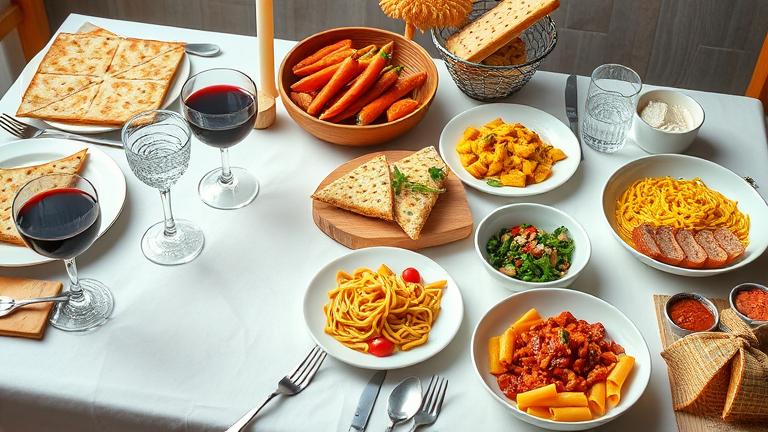
Passover and Pasta: What’s the Deal?
Many people wonder about the connection between pasta and Passover. Is it okay to eat pasta during the holiday? The answer depends on how strict your Passover observance is and the types of pasta you choose. Let’s explore the relationship and what you need to know to enjoy your meals comfortably and confidently during Passover.
Passover is a special week for Jewish families, celebrating freedom and commemorating the Israelites’ exodus from Egypt. During this time, many foods are avoided to remember the unleavened bread, or matzah, that the Israelites ate in haste. Because pasta is made from wheat, it can seem to conflict with Passover rules, but there’s more to the story.
Understanding Passover dietary rules
During Passover, many Jews observe a ban on chametz, which includes leavened grains like wheat, barley, oats, spelt, and rye. Chametz must be removed from the home before Passover begins. Most traditional Passover diets exclude bread, pasta, crackers, and certain cereals that contain these grains.
However, there are special products called kosher for Passover pasta made from alternative ingredients. These pastas are produced without chametz and are certified by rabbinic authorities for Passover use. They are often made from ingredients like rice, corn, or quinoa, which are not chametz and are considered acceptable during the holiday.
Can I eat regular pasta on Passover?
If you follow a stringent Passover diet, regular wheat pasta isn’t suitable. It contains chametz and must be avoided during the holiday. For those with a more lenient approach, some might eat regular pasta after consulting with their rabbi or community standards. But generally, it’s safest to stick with specially prepared Passover pastas to honor the holiday’s restrictions.
Tips for enjoying pasta during Passover
- Always look for “kosher for Passover” labels on pasta boxes. These products are tested and approved for Passover consumption.
- Store your Passover pasta separately from regular grains and pasta to avoid accidental mixing.
- Experiment with different shapes and kinds of Passover pasta. Quinoa pasta and rice noodles can add variety to your menu.
- Check the ingredients carefully. Some products may contain added wheat flour or other chametz ingredients, even if labeled “Passover.”
Quick comparison table
| Type of Pasta | Made From | Chametz Status | Passover Approved? |
|---|---|---|---|
| Regular Wheat Pasta | Wheat | Yes | No |
| Kosher for Passover Pasta | Rice, Quinoa, Corn | No | Yes |
Finally, remember that everyone’s Passover practice can vary. When in doubt, consult your rabbi or community guidelines for specific rules. With a little planning, you can enjoy pasta dishes during Passover without worries, honoring tradition while still tasting delicious foods.
Is Pasta Kosher for Passover?
If you’re wondering whether standard pasta products are kosher for Passover, you’re asking an important question. Many home cooks love pasta, but during Passover, special rules apply to what can be eaten. Not all pasta is automatically considered kosher for Passover, so it’s vital to read labels carefully and understand what to look for.
During Passover, Jewish dietary laws prohibit chametz, which includes leavened grains like wheat, barley, rye, oats, and spelt that are not specially prepared for Passover. Regular pasta is typically made from wheat flour and water, and unless it is specifically certified, it may contain chametz. So, standard pasta is generally not considered kosher for Passover.
However, there are varieties of pasta made specifically for Passover. These are often labeled as “Kosher for Passover” or “Kosher Pessah.” They are made with ingredients that have been carefully prepared to remove chametz, like matzah flour or other Passover-approved ingredients. If you want to enjoy pasta during Passover, choosing these specially certified products is the safest route.
What to Look for on Labels
When shopping for pasta during Passover, always check the packaging for specific symbols and labels. Here’s what to look for:
- Kashrut certification symbols: Look for symbols like OU-P, OK-P, Star-K P, or others indicating Passover certification.
- Label wording: Words like “Kosher for Passover” or “Pessah” should be clearly visible.
- Ingredients list: Ensure it contains only Passover-approved ingredients. For example, it should not contain wheat-based chametz or additives derived from chametz.
Always verify the certification is current and from a trusted authority. During Passover, even small mistakes in labeling can lead to dietary violations, so when in doubt, it’s best to choose products with a reliable Passover certification.
Practical Tips for Cooking During Passover
- Read labels carefully each year, as products can change.
- Store Passover-approved pasta separately from regular pasta to avoid confusion.
- Follow the cooking instructions on Passover-certified pasta to ensure it remains suitable for Passover consumption.
In summary, regular pasta is not automatically kosher for Passover. Always look for certified Passover labels and symbols, and select specially made pasta to enjoy your favorite dishes without worries. With a little attention, you can include delicious pasta recipes in your Passover meal plan safely and enjoyably.
Best Passover-Friendly Pasta Brands
During Passover, many families look for pasta options that meet dietary restrictions and are approved for the holiday. Finding the right brand can make your Passover meals both delicious and worry-free. Luckily, there are several reputable brands known for producing Passover-friendly pasta that tastes great and is easy to prepare.
Popular Brands Offering Passover Pasta
One of the most well-known brands is Barilla. They offer gluten-free and rice-based pasta options that are certified kosher for Passover. These pastas have a neutral flavor, so they pair well with many traditional holiday sauces. Another trusted choice is Maya Kaimal, which specializes in chickpea and lentil pastas. These are high in protein and perfect for those looking for a healthy twist.
Additionally, Jovial Foods is celebrated for its gluten-free, rice, and millet-based Passover pasta. Their products are widely available and easy to cook, making them popular among families celebrating Passover. Biona also offers organic and kosher-certified pasta options suitable for the holiday.
Tips for Choosing Passover Pasta
- Always check the packaging to confirm the product is certified kosher for Passover. Look for the symbol on the box.
- Consider the type of pasta you prefer whether traditional egg noodles or gluten-free options. Your choice depends on dietary needs and taste preferences.
- Look for pasta that cooks quickly and holds up well after boiling. Read reviews to see how others rate the texture and flavor.
- Keep variety in mind. For example, using a mix of rice, chickpea, or lentil-based pastas can add diversity to your holiday meals.
Storage and Cooking Tips
| Tip | Details |
|---|---|
| Storage | Store unopened pasta in a cool, dry place. Once opened, keep it in an airtight container to preserve freshness. |
| Cooking | Follow package instructions for boiling time. Passover pasta often cooks faster than regular wheat pasta. Add salt to the water for flavor, and stir gently to prevent sticking. |
| Serving Suggestions | Pair Passover pasta with traditional dishes like brisket gravy, or make simple olive oil and garlic noodles for a quick side. |
Choosing the right Passover-friendly pasta brand helps you enjoy your holiday meals without worry. Whether you prefer rice, chickpea, or millet-based options, these trusted brands provide variety, quality, and convenience. With a little planning, you can create delicious, compliant dishes that everyone will love during Passover.
Preparing Pasta for Passover
Passing over traditional Passover dietary laws means being careful with ingredients and preparation methods, especially when it comes to pasta. During Passover, observant Jews avoid chametz, which includes anything made from wheat, barley, rye, oats, or spelt that has leavened or fermented. Since most commercial pasta is made from wheat, it often contains chametz and isn’t suitable for Passover unless specially designated.
The good news is that there are specially made Passover pasta options available. These are typically made from alternative ingredients like kudzu root starch, potato, or corn, and are certified kosher for Passover. When preparing pasta for the holiday, it’s important to know how to identify these products and handle them properly to keep your meal compliant with Passover laws.
Choosing the Right Pasta
- Look for certification: Always check for a reliable kosher for Passover symbol on packaging, such as the OU-P or OK-P certification.
- Select alternative ingredients: Consider pastas made from sweet potato, tapioca, or rice if approved for Passover. These are typically labeled clearly.
- Buy from trusted stores: Purchase your Passover pasta from reputable suppliers specializing in holiday products to avoid accidental chametz contamination.
Cleaning and Avoiding Chametz
It’s essential to ensure all utensils and cookware are free of chametz before preparing Passover pasta. If you plan to use your regular pasta pots and colanders, they should be kashered, which involves a thorough scrubbing and boiling in hot water to remove any residues.
If you’re using new utensils, check if they need special kashering instructions based on their material. Glass and metal utensils usually are easier to kasher, but always consult a knowledgeable authority if unsure.
Preparing Pasta Safely During Passover
- Use separate utensils: Always cook Passover pasta in clean, designated Passover pots or those properly kashered.
- Keep equipment dedicated: Avoid mixing Passover pasta with regular chametz pasta to prevent cross-contamination.
- Cook in fresh water: Boil the pasta in new, hot water to ensure no chametz residue is present.
- Watch carefully: Be mindful of boiling times to avoid overcooking or sticking, which is common with alternative pastas.
Extra Tips for Passover Pasta Preparation
- Flavor enhancements: Use fresh herbs, garlic, or Passover-approved olive oil to add flavor without chametz.
- Practice portion control: Since Passover pasta options may be limited, cook only what you plan to serve to avoid leftovers or waste.
- Store properly: Keep Passover pasta in sealed containers away from chametz to prevent accidental contamination.
| Preparation Step | Tip |
|---|---|
| Select certified Passover pasta | Always check for kosher for Passover certification on packaging |
| Clean utensils & cookware | Kasher utensils properly before use |
| Cook in fresh water | Ensure boiling water is free of chametz residues |
Following these guidelines helps you enjoy delicious Passover pasta dishes while adhering to dietary laws. With a bit of planning and attention to detail, preparing the holiday meal can be straightforward and satisfying. Remember, when in doubt, consult a rabbi or kosher authority for specific questions about products and kashering procedures.
FAQs About Pasta and Passover
If you’re celebrating Passover and love pasta, you might have some questions about what is allowed and what alternatives are available. Here are some common questions and easy-to-understand answers to help you enjoy this special holiday without worries.
Can I eat regular pasta during Passover?
Most traditional pasta is made from wheat or other grains that are chametz, which is forbidden during Passover. Chametz includes any grain that has come into contact with water and has fermented or risen. Since regular pasta falls into this category, it is not permitted during Passover.
If you want to enjoy pasta during Passover, look for special Passover pasta made from alternative ingredients that are not chametz. These are usually made from potato, millet, or other Passover-friendly flours.
What are the Passover-approved pasta alternatives?
There are many tasty substitutes available for those observing Passover. Some popular options include:
- Matzo noodles: Made from ground matzo, these are traditional and very kosher for Passover.
- Vegetable noodles: Spiralized zucchini, carrots, or sweet potatoes make healthy and gluten-free pasta substitutes.
- Chickpea or lentil pasta: Some brands offer pasta made from legume flours that are gluten-free and suitable for Passover.
- Potato-based pasta: Available in certain health food stores, these are another good Passover option.
Always check the packaging to make sure the product is certified kosher for Passover.
Are there any specific restrictions on pasta ingredients during Passover?
Yes, the main restriction is avoiding chametz, which means any wheat, barley, rye, oats, or spelt that may have fermented or risen. During Passover, even small traces of chametz are prohibited.
This is why many traditional pasta brands are off-limits. Always verify the ingredients and look for products labeled “kosher for Passover” or “certified Passover.” Avoid any products that contain added grains or fillers not approved for the holiday.
How should I store Passover pasta alternatives?
Store Passover pasta in a clean, sealed container to prevent cross-contamination with chametz or regular grains. Keep them separate from other flours and grains that are not kosher for Passover. On the holiday, always check for any signs of spoilage before cooking.
Any tips for cooking Passover pasta or alternatives?
- Follow package instructions closely for best results.
- Use a large pot of boiling water and add a little salt to prevent sticking.
- Be gentle when stirring to avoid breaking delicate vegetable noodles.
- Cook vegetable noodles for a shorter time than traditional pasta to keep them firm and vibrant.
Enjoy your Passover meals with these safe, delicious alternatives, and don’t hesitate to get creative with your recipes. There are plenty of tasty options to keep your holiday meals joyful and in compliance with dietary laws.
Tips for Cooking Passover Pasta
Cooking Passover pasta can be a simple and enjoyable experience by following a few practical tips. During Passover, many cooks look for ways to prepare delicious meals that stay within the dietary rules. Whether you’re using traditional matzah flour pasta or special gluten-free options, these tips will help you create tasty dishes everyone will love.
Choose the Right Pasta
First, make sure the pasta you select is Passover-friendly. Traditional wheat-based pasta often isn’t allowed unless it’s specifically marked as gluten-free or made from matzah flour. Many stores now carry Passover pasta options made from corn, rice, or potato starch. Read the packaging carefully to ensure it meets Passover standards and is free from chametz, which is forbidden during the holiday.
Cook Pasta Properly
When cooking Passover pasta, use a large pot with plenty of salted water. The salt enhances flavor, just like in regular pasta cooking. Bring the water to a rolling boil before adding the pasta. Be gentle when dropping in the pasta to prevent breaking or sticking. Follow the package instructions closely, but keep in mind that gluten-free pasta might cook faster. Always taste-test a small piece to check for tenderness aim for ‘al dente,’ which means slightly firm to the bite.
Prevent Sticking and Breakage
Pasta made from alternative ingredients can be more delicate. To avoid sticking, stir the pasta gently after adding it to the boiling water and occasionally during cooking. You can also add a few drops of oil to the water, which helps keep the pasta from clumping together. Drain the pasta promptly once it is cooked to prevent overcooking and stickiness.
Enhance Flavor with Passover-Friendly Sauces
For Passover dishes, avoid traditional wheat-based sauces that might contain chametz. Instead, try olive oil, garlic, herbs, or vegetable-based sauces. Adding fresh vegetables or matzah crumbs can boost flavor and texture. Remember to taste and adjust the seasoning, as Passover dishes often have a unique flavor profile.
Serving Tips
Serve your Passover pasta hot, topped with herbs or a squeeze of lemon for freshness. Consider pairing it with roasted vegetables or a protein like grilled chicken or fish. For a more filling meal, include a side salad or matzah ball soup. Keeping the dish simple and flavorful will make your Passover meal special.
Storage and Reheating
If you have leftovers, store them in an airtight container in the refrigerator. Reheat gently in a microwave or on the stove, adding a splash of water or Passover-friendly oil to prevent drying out. Eat within a day or two for the best taste and texture.
- Tip: Avoid overcooking the pasta to keep it from becoming mushy during reheating.
- Tip: Always double-check ingredients to ensure they are Passover-compliant, especially if buying pre-made sauces or seasoning mixes.
- Tip: Experiment with different herbs and vegetables to find your favorite Passover pasta flavor blends.
Cooking Passover pasta can be both simple and creative. With these practical tips, you’ll be able to prepare tasty dishes that are respectful of the holiday rules and pleasing to everyone at your table.
Delicious Passover Pasta Recipes
Looking for tasty pasta dishes to celebrate Passover? You’re in the right place. During Passover, many traditional ingredients are avoided, but that doesn’t mean your pasta options have to be limited. With a few simple adjustments, you can enjoy delicious, compliant pasta recipes that everyone will love.
In this collection, you’ll find easy-to-make recipes that honor Passover dietary rules while keeping the flavors exciting. Whether you’re hosting a family dinner or a small gathering, these recipes are perfect for celebrating with good food and great company.
Tips for Passover-Friendly Pasta Cooking
- Check the ingredients: Ensure your pasta contains only Passover-approved ingredients, typically made from 100% matzah or without leavening agents.
- Use kosher for Passover ingredients: For sauces and additions, make sure they are labeled kosher for Passover to avoid accidental chametz (leavened products).
- Sweet and savory balance: Many Passover dishes are savory, but don’t hesitate to add a touch of sweetness, like honey or fruit, to enhance flavors.
- Enhance texture and flavor: Incorporate fresh herbs, roasted vegetables, and nuts for added texture and flavor that complement Passover restrictions.
Popular Passover Pasta Recipes
Here are some crowd-pleasing ideas to inspire your Passover meal:
- Matzah Pasta with Tomato Basil Sauce: Use broken pieces of matzah to mimic pasta, boiled until tender. Toss with a fresh tomato, garlic, and basil sauce for a simple, flavorful dish.
- Holiday Vegetable and Mushroom Pasta: Sauté a mix of seasonal vegetables and mushrooms. Mix with gluten-free, Passover-approved pasta and a drizzle of olive oil and lemon for a light, satisfying meal.
- Eggplant and Roasted Pepper Pasta: Roast eggplants and peppers until smoky, then blend into a spread or toss with Passover pasta. Top with fresh herbs and nuts for texture.
Serving and Presentation Tips
Present your Passover pasta dishes in an inviting way. Use colorful vegetables and herbs to brighten the plate. Serve with a side of fresh salad or matzah toast for a complete meal. Adding a sprinkle of nuts or grated cheese (if permitted) can also elevate the dish.
Remember, the key to a successful Passover pasta meal is careful ingredient selection and a pinch of creativity. With these recipes and tips, you can enjoy a festive, delicious Passover celebration full of comforting pasta dishes that fit perfectly within dietary guidelines.