
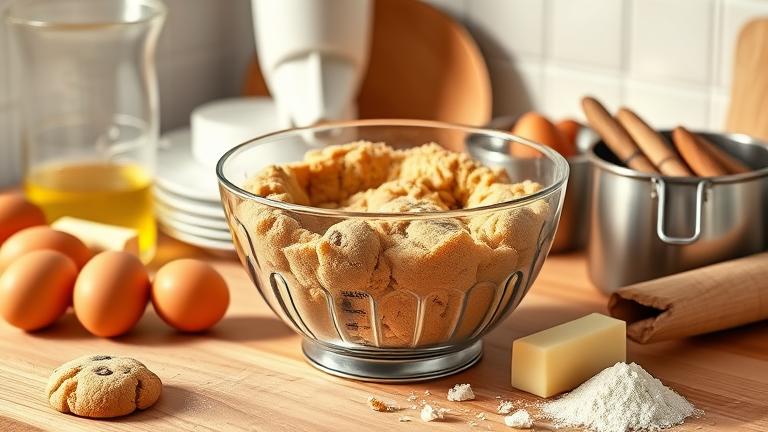
Can You Swap Vegetable Oil for Butter?
Many home cooks wonder if they can swap vegetable oil for butter when baking or cooking. The short answer is yes, but with some important considerations. Vegetable oil and butter have different properties that can affect the texture, flavor, and outcome of your recipe.
Butter is made from animal fat and contains about 80% fat, along with water and milk solids. It adds a rich flavor and a tender crumb to baked goods. Vegetable oil, on the other hand, is pure fat, usually derived from plants like soy, canola, or sunflower. It provides moisture and tenderness without adding any flavor.
Feasibility of Substitution
You can usually replace butter with vegetable oil in recipes like muffins, pancakes, or quick breads. The general rule is to use about 25% less oil than butter because oil is 100% fat, whereas butter contains water and solids. For example, if a recipe calls for 1 cup of butter, you can use about ¾ cup of vegetable oil.
However, keep in mind that butter’s flavor is distinct. If you want a richer taste, you might prefer sticking to butter or adding flavorings like vanilla or cinnamon when using oil.
Here is a video that provides additional insight into substituting vegetable oils and butter in baking:
Considerations When Substituting
- Texture: Butter provides structure and richness, especially in cookies and pastries. Replacing it with oil may result in a softer, more tender crumb but less flaky layers in things like croissants or pie crusts.
- Flavor: Butter has a distinctive taste that oil lacks. Consider adding flavor extracts or spices to compensate if needed.
- Cooking Method: For frying or sautéing, vegetable oil works well and can easily replace butter. For baking, consider the impact on texture and flavor.
Practical Tips
When substituting oil for butter in cookie recipes, use about ¾ of the amount of butter called for. For example, if the recipe requires 1 cup of butter, use ¾ cup of oil. Mix the oil thoroughly with other wet ingredients to ensure even distribution.
If you prefer a firmer cookie with a butter flavor, you might want to combine butter and oil. Try replacing half the butter with oil for a balance of flavor and moisture.
Summary
| Factor | Butter | Vegetable Oil |
|---|---|---|
| Moisture Content | Contains water | Pure fat |
| Flavor | Buttery, rich | Neutral |
| Best Uses | Pastries, flavor-rich baked goods | Frying, moist cakes, quick bread |
In conclusion, swapping vegetable oil for butter is quite feasible in many recipes, especially baked goods like cookies. Just remember to adjust quantities and consider how each ingredient’s properties will influence the final product. With a little experimentation, you can find the perfect balance for your tastes and needs.
Best Oil Substitutes for Baking Cookies
Replacing butter with oil in cookie recipes can be a great way to alter the texture or accommodate dietary needs. When choosing an oil for baking cookies, it’s important to consider how its characteristics will affect the final product. Some oils create moist, tender cookies, while others add a bit of flavor or crunch.
Here are some of the most suitable oils to use as substitutes for butter when baking cookies:
Olive Oil
Olive oil is a popular choice for baking due to its heart-healthy fats and rich flavor. It adds moisture and a slightly fruity or peppery taste to cookies. Use extra virgin olive oil for a more pronounced flavor or light olive oil for a neutral taste. Keep in mind that strong olive oil can influence the overall flavor of your cookies, so adjust other ingredients accordingly.
Vegetable Oil
Vegetable oil is a versatile and neutral option perfect for classic cookies. It has a mild flavor that won’t overpower other ingredients. Because it’s liquid at room temperature, it helps keep the dough moist and tender. Use the same amount of vegetable oil as you would butter for a straightforward substitution.
Canola Oil
Canola oil is another neutral oil that works well in cookies. Its light flavor and smooth consistency make it a great substitute. It’s also low in saturated fat. Use an equal amount of canola oil to replace the butter in your recipe.
Coconut Oil
Coconut oil is a popular vegan substitute for butter. It adds a slight coconut flavor and makes cookies tender and chewy. Coconut oil solidifies at room temperature but melts when baked, giving cookies a nice texture. Use melted coconut oil in the same amount as butter, but be aware that it can make cookies a bit denser.
Sunflower Oil
Sunflower oil offers a neutral taste and good stability at baking temperatures. It results in soft, moist cookies without introducing any strong flavors. It’s an excellent choice if you want a subtle, clean-tasting cookie.
Comparison Table of Oils for Cookie Baking
| Oil Type | Flavor | Best For | Notes |
|---|---|---|---|
| Olive Oil | Fruity, peppery | More flavorful cookies | Use extra virgin for best taste; can influence flavor |
| Vegetable Oil | Neutral | Classic cookies | Most straightforward substitute |
| Canola Oil | Neutral | Soft, moist cookies | Mild flavor, low saturated fat |
| Coconut Oil | Coconut flavor | Vegan, chewy cookies | Solid at room temperature, melts when baked |
| Sunflower Oil | Neutral | Subtle-flavored cookies | Good stability, light taste |
Tips for Substituting Oil in Cookies
- Use the same quantity of oil as you would butter in your recipe.
- Remember that oils can influence the flavor, so choose one that complements your ingredients.
- Larger versions of recipes might need slight adjustments to baking time or temperature.
- For a healthier option, opt for oils rich in unsaturated fats like olive or sunflower oil.
Substituting oil for butter in baking cookies can be simple and effective, giving you more flexibility. Whether you’re aiming for a healthier twist or want to experiment with flavors, these options can help you achieve delicious results. Just remember to consider the flavor profile and texture each oil brings to your cookies.
How Different Fats Change Cookie Flavor
The type of fat you use in cookie baking can significantly influence the flavor profile of your cookies. Different fats bring their unique tastes and textures, which can make all the difference between a bland cookie and a rich, flavorful treat. Whether you’re choosing butter, vegetable oil, or other fats, understanding how they affect your cookies can help you achieve your perfect batch.
Butter
Butter is a classic choice for cookies because it adds a rich, creamy flavor. It contains milk solids and water, which contribute to a tender crumb and a slightly sweet, savory taste. Cookies made with butter tend to be flavorful, with a hint of that characteristic dairy richness. This fat enhances the overall flavor and aroma during baking, making cookies taste more indulgent.
Vegetable Oil
Vegetable oil has a neutral flavor, which means it won’t compete with other ingredients or add extra flavor to your cookies. While it keeps the texture moist and soft, it doesn’t contribute much to the cookie’s taste. Using vegetable oil is a good choice if you want to emphasize other flavors, like chocolate or spices, without altering the flavor profile.
Other Fats and Their Impact
- Lard and shortening often produce cookies that are crisp and flaky because of their high fat content. They also have neutral flavors and don’t interfere with other ingredients.
- Coconut oil offers a subtle coconut flavor and can lend a unique aroma to your cookies, especially if cracked or unrefined version is used.
- Specialty fats like brown butter provide a deeper, nutty flavor that adds richness and complexity to baked cookies.
Tips for Choosing the Right Fat
- If flavor is your priority, butter is the best choice for a rich, savory taste.
- For a neutral, moist texture without added flavor, opt for vegetable oil.
- Experiment with different fats to find your favorite flavor and texture combinations.
Quick Comparison Table
| Fat Type | Flavor Impact | Best For |
|---|---|---|
| Butter | Rich, creamy, slightly sweet | Classic, flavorful cookies |
| Vegetable Oil | Neutral, subtle | Moist, soft cookies emphasizing other ingredients |
| Coconut Oil | Coconut aroma, slightly sweet | Unique flavor profiles, tropical taste |
| Lard/Shortening | Neutral, flaky texture | Crisp, tender cookies |
Remember, the fat you choose can enhance or mute the overall flavor of your cookies. Have fun experimenting with different fats to discover your favorite flavor combinations!
Health Benefits: Oil vs. Butter
When baking cookies, choosing between vegetable oil and butter can influence both the flavor and the healthiness of your treats. Understanding their nutritional impacts helps you make smarter choices in the kitchen. Let’s explore how each ingredient affects your health based on their nutritional aspects.
Vegetable oils are typically sourced from plants like soy, sunflower, or corn. They are often lower in saturated fats compared to butter, and they contain healthier fats such as polyunsaturated and monounsaturated fats. These fats are known to help reduce bad cholesterol levels when used in moderation, which can lower your risk of heart disease. For example, using olive oil or canola oil instead of butter in baking can be a better option for your heart health.
Butter, on the other hand, is a dairy product made from cream. It has a higher content of saturated fats and cholesterol, which in excess may contribute to cardiovascular issues. However, butter does contain some beneficial nutrients, like fat-soluble vitamins A, D, E, and K. These vitamins support important functions like vision, bone health, and immune defense. Despite these benefits, regular excessive consumption of butter might pose health risks, especially for those with existing heart concerns.
When it comes to cooking and baking cookies, the choice of fat can also influence the texture and flavor. Butter provides a rich, creamy taste and helps create a tender crumb, making your cookies delicious. Vegetable oils tend to produce cookies with a softer texture and longer shelf life. For a healthier recipe, you might consider substituting part of the butter with oil, balancing flavor with nutritional benefits.
Here’s a quick comparison table to summarize:
| Aspect | Vegetable Oil |
|---|---|
| Fat Type | Polyunsaturated and Monounsaturated fats |
| Saturated Fat | Lower |
| Cholesterol | None |
| Vitamins | Limited, some vitamin E |
In conclusion, using vegetable oil instead of butter in your baking can be a healthier choice, especially if you aim to reduce saturated fat intake. However, remember that butter offers unique flavor and texture benefits. The key is moderation and balance, enjoying your cookies while maintaining a nutritious diet.
Tips for Baking with Vegetable Oil
Baking cookies using vegetable oil as a substitute for butter can be a smart way to achieve moist and tender treats. Vegetable oil is a versatile ingredient that can give your baked goods a light texture and help them stay fresh longer. To ensure your cookies come out perfectly, here are some practical tips to keep in mind when baking with vegetable oil.
Choose the Right Type of Oil
Pick light vegetable oils like canola, sunflower, or vegetable oil. These oils have a neutral flavor that won’t interfere with the taste of your cookies. Avoid oils with strong flavors, such as extra virgin olive oil, unless it complements your recipe.
Measure Accurately
Use standard measuring spoons and cups for precise measurement. Too much oil can make cookies greasy, while too little may result in dry or crumbly cookies. Accurate measuring helps you achieve the perfect balance for moist, chewy cookies.
Adjust Your Recipe
Because oil is liquid, it can cause your cookies to spread more during baking. Consider reducing the sugar slightly or chilling the dough before baking to prevent over-spreading. Sometimes, a small tweak makes a big difference in the final texture.
Mix the Oil Well
Make sure to blend the vegetable oil thoroughly with other ingredients. Proper mixing ensures even distribution of the oil, resulting in uniformly moist cookies with consistent flavor and texture.
Monitor Baking Time and Temperature
Cookies made with oil may bake faster or spread more than those made with butter. Start checking your cookies a minute or two earlier than your normal baking time to avoid overbaking. Keep the oven temperature steady for even results.
Use Baking Aids
Parchment paper or silicone baking mats are excellent for preventing sticking and promoting even baking. These tools are especially helpful when using oil as a substitute, ensuring your cookies come out easily and look appealing.
Proper Storage
Cookies baked with vegetable oil tend to be moist and tender. Allow them to cool completely before storing in an airtight container. This helps preserve their freshness and prevents them from becoming soggy.
Remember, baking with vegetable oil can be a bit of an experiment. Feel free to try different oils to see which one gives your cookies the flavor and texture you prefer. With careful measurement and attention, you can enjoy homemade, moist cookies every time.
In summary, using vegetable oil as a substitute for butter in your cookie recipes is straightforward. Follow these tips to ensure your baked goods turn out delicious, tender, and perfectly textured. Happy baking!
Common Mistakes in Oil Substitution
When replacing butter with vegetable oil in cookie recipes, it’s easy to make some common mistakes that can affect the final results. Knowing what to avoid will help you get perfect cookies every time.
One of the biggest errors is using the wrong type of oil. Not all oils behave the same when baked. For example, using a strongly flavored oil like olive oil can change the taste of your cookies. It’s best to choose a neutral oil such as vegetable or canola oil for a subtle flavor.
Another common mistake is replacing butter with oil in a way that changes the liquid-to-solid ratio too much. Butter contains about 20% water, which helps create a tender crumb. When you use oil instead, your dough might become too greasy or too dry. To prevent this, replace butter with oil at a 1:1 ratio but consider reducing the overall amount slightly if your dough feels too wet or greasy.
Tips to Avoid These Mistakes:
- Use neutral-flavored oils like vegetable, canola, or sunflower oil for baking cookies.
- Start by replacing only part of the butter, such as half, to see how the dough reacts before using all oil.
- Adjust the dry ingredients if your dough becomes too greasy or dry. A good rule of thumb is to add a little extra flour if needed.
- Chill the dough for 30 minutes before baking to reduce over-spreading if using oil.
Making these small adjustments can help you avoid some typical pitfalls. Remember, every recipe is a little different, so don’t be afraid to experiment a bit and note how your cookies turn out.
| Common Mistake | Typical Result | How to Fix It |
|---|---|---|
| Using a strongly flavored oil like olive oil | Altered taste | Use neutral oils like vegetable or canola oil |
| Replacing butter at a 1:1 ratio without adjustments | Cookies that spread too much or are greasy | Reduce the oil slightly or chill the dough before baking |
| Ignoring the water content in butter | Texture issues, either dry or greasy cookies | Adjust dry ingredients or use a combination of butter and oil |
By avoiding these common mistakes and following some simple tips, you’ll be able to substitute oil for butter confidently. Your cookies will turn out tender, flavorful, and perfectly baked every time!
FAQs About Baking with Vegetable Oil
Can I replace butter with vegetable oil in cookies?
Yes, you can substitute vegetable oil for butter in cookies, but the results may differ slightly. Vegetable oil is a liquid fat, so it can make your cookies softer and more moist. Keep in mind that butter adds flavor and structure, so the texture and taste might change a bit when using oil.
Typically, use about ¾ cup of vegetable oil for every 1 cup of butter called for in the recipe. When making the substitution, consider reducing the overall liquid content slightly if the dough seems too greasy or sticky.
Does using vegetable oil make cookies softer or crisper?
Using vegetable oil usually makes cookies softer and chewier rather than crisp. Oil retains moisture better than butter, which leads to a tender, melt-in-your-mouth cookie. If you prefer crisper cookies, you might want to use a little less oil or combine oil with a small amount of solid fat like shortening.
For a crisper texture, you can also bake at a slightly higher temperature or extend the baking time by a minute or two, but be sure to watch your cookies closely to avoid burning.
How much vegetable oil should I use as a substitute for butter?
For baking cookies, replace each cup of butter with about ¾ cup of vegetable oil. This accounts for the difference in fat structure between solid butter and liquid oil.
Always measure carefully and start with the recommended amount. If your dough looks too greasy, add a little more flour or decrease the oil slightly next time. Adjustments might be needed depending on your specific recipe and the type of cookies you’re baking.
Will my cookies taste different if I use vegetable oil instead of butter?
Yes, they may taste slightly different. Butter has a rich, creamy flavor that vegetable oil cannot fully replicate. Cookies made with oil tend to have a more neutral, less pronounced flavor, which can be great if you enjoy the natural taste of other ingredients.
For added flavor, consider mixing a splash of vanilla extract or other flavorings into the dough when using vegetable oil. This helps to enhance the overall taste and make up for the missing buttery flavor.