
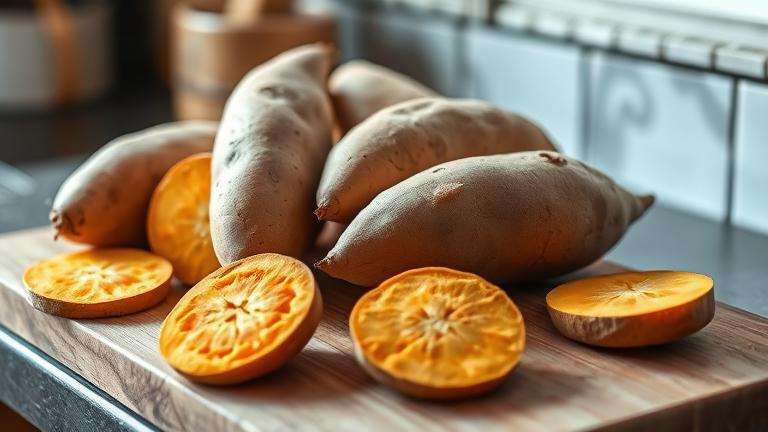
How To Recognize Spoiled Sweet Potatoes
Sweet potatoes are delicious and nutritious, but it’s important to know how to tell when they have gone bad. Identifying spoiled sweet potatoes helps prevent food waste and keeps your meals safe. Fortunately, most signs of spoilage are easy to spot once you know what to look for.
Start by examining the appearance of your sweet potatoes. Fresh sweet potatoes have firm, smooth skin with a vibrant color, usually orange, purple, or white. If you notice any dark spots, mold, or shriveled patches, these are signs that your sweet potatoes might be spoiled. Sometimes, you might see tiny black or greenish specks, which are best discarded, as they can indicate mold or bacterial growth. Also, avoid sweet potatoes with large cuts or deep blemishes that expose the inside, as these areas are more likely to spoil quickly.
Next, check the texture. Fresh sweet potatoes feel firm and solid to the touch. If they become soft, mushy, or slimy, it’s a sign they are decaying. When you press on them, and they give way or feel spongy, it’s best to toss them out. Sometimes, sweet potatoes develop wet spots or a sticky surface, which indicate decay or bacterial activity. Avoid eating sweet potatoes if their texture has changed significantly from firm to limp or if they have unusual wetness.
The smell is another helpful indicator. Fresh sweet potatoes have a mild, earthy aroma. If they emit a sour, rotten, or unpleasant odor, that’s a clear sign they are no longer good to eat. A foul smell often means bacteria or mold are taking over, and consuming spoiled sweet potatoes can lead to stomach issues. Trust your nose—if it smells off, it’s safest to discard them rather than risk eating spoiled produce.
In summary, keep an eye out for visual cues like dark spots, mold, or shriveling. Feel for firmness and avoid sweet potatoes that feel mushy or sticky. And always rely on your sense of smell—any off or sour odors mean they should be thrown away. Regularly inspecting your sweet potatoes before cooking will help ensure you only enjoy fresh, tasty tubers and keep your kitchen safe.
- Inspect for dark spots, mold, or shriveled skin.
- Feel the texture—firm is good, mushy or slimy means discard.
- Trust your nose—sour or rotten smells indicate spoilage.
Signs That Sweet Potatoes Are Going Bad
Sweet potatoes are delicious and nutritious, but like all fresh produce, they can spoil over time. Knowing the signs of a bad sweet potato helps you avoid wasting food or eating something that might not be safe. Keep an eye out for these common indicators that your sweet potato has gone past its prime.
The first and most obvious sign is visible mold. If you spot fuzzy, discolored patches—usually green, black, or white—it’s a clear sign the sweet potato is deteriorating. Mold tends to start on the surface and can quickly spread throughout the tuber. If only a small spot shows mold, you might think about cutting it away, but it’s safer to discard the entire sweet potato to prevent any health risks.
Another key indicator is sprouting. When sweet potatoes begin to produce tiny shoots or “eyes,” it’s a sign they’ve been stored for a while and are starting to age. While sprouted sweet potatoes are generally safe to eat once the sprouts are removed, extensive sprouting often means the potato is losing its freshness and flavor. If the sprouts are long and numerous, or if the sweet potato feels soft, it’s best to toss it out.
Soft or shriveled areas also show that a sweet potato is going bad. Fresh sweet potatoes should feel firm and smooth. If you notice soft spots, wrinkles, or shriveled skin, it indicates moisture loss or decay inside. Sometimes, these soft parts can be cut away, but if large sections are affected or the entire sweet potato feels mushy, discard it to be safe.
Color changes can also be a sign of spoilage. Look for dark spots, discoloration, or spots that are different from the usual orange or purple hues. These spots can indicate bruising or internal rot. When cutting into a sweet potato, if you find dark or discolored tissue inside, it’s best to throw it away, as these signs mean decay has set in.
In addition to visual cues, smell is another helpful warning sign. Fresh sweet potatoes should have a mild, earthy scent. If it smells sour, fermented, or rotten, it’s a sign that bacteria or mold may be growing inside, and the sweet potato is no longer safe to eat.
To keep your sweet potatoes fresh for longer, store them in a cool, dark, well-ventilated place. Avoid refrigerating them, as cold temperatures can change their texture and flavor. Regularly check your stored sweet potatoes for any of these signs so you can enjoy them at their best and stay safe from spoiled produce.
Best Storage Methods To Keep Sweet Potatoes Fresh
Keeping sweet potatoes fresh and flavorful requires the right storage methods. Unlike some vegetables, sweet potatoes prefer a cool, dark, and well-ventilated environment to stay in good shape for longer. By following simple tips, you can extend their shelf life and enjoy their sweetness for weeks.
The key factors for storing sweet potatoes are temperature, humidity, and proper containers. If stored correctly, they can last from one to three weeks, while improper storage can cause spoilage or sprouting much faster. Knowing the right conditions ensures you get the best quality and flavor whenever you cook with them.
Ideal Storage Conditions for Sweet Potatoes
Sweet potatoes do best at a temperature between 55 and 60 degrees Fahrenheit. If it’s too cold, especially below 50°F, they may develop a hard core or an unpleasant taste. Too warm, and they will spoil quickly. Humidity is also important—aim for about 85-90 percent humidity to prevent them from drying out.
When storing, avoid exposing sweet potatoes to direct sunlight or high temperatures. Light can cause them to sprout or turn green, which often indicates the presence of solanine, a toxin. Also, do not store them in the fridge, as cold temperatures convert their starches into sugars, altering their flavor and texture.
Choosing the Right Storage Containers
- Ventilated Baskets or Boxes: Use baskets, paper bags, or crates that allow air circulation. Good airflow helps prevent moisture buildup which can encourage mold or rotting.
- Keep Them Dry: Store sweet potatoes in a dry place. Excess moisture promotes mold growth. Avoid plastic bags unless they are perforated or have small holes for airflow.
- Avoid Plastic Containers: Plastic can trap humidity and cause sweet potatoes to spoil faster. Stick with natural materials or breathable containers.
Additional Storage Tips
Place sweet potatoes in a cool, dark corner, such as a pantry or cellar. Make sure the area is well-ventilated to help excess moisture escape. Regularly check on them and remove any spoiled or sprouted potatoes to prevent spreading spoilage.
If you notice sprouting or soft spots, it’s best to use those sweet potatoes soon or discard them. Sprouts can be cut away, and the rest can still be used if the potato feels firm and looks normal. Do not wash sweet potatoes before storage, as moisture can encourage mold. Instead, brush off dirt before storing.
Summary of Storage Time
| Storage Method | Temperature | Humidity | Approximate Storage Time |
|---|---|---|---|
| Cool, dark, ventilated space | 55-60°F (13-16°C) | 85-90% | 1 to 3 weeks |
| Refrigerator (not recommended) | Below 50°F | N/A | Less than 2 weeks, flavor may change |
Remember, proper storage not only keeps your sweet potatoes fresh longer but also preserves their natural sweetness and texture. With the right conditions and a little routine care, you can enjoy delicious sweet potatoes whenever you want!
How Long Do Sweet Potatoes Last?
Sweet potatoes are a delicious and versatile root vegetable that can stay fresh for quite a while when stored properly. Knowing how long sweet potatoes last helps you plan your meals and avoid waste. Proper storage conditions are key to keeping them fresh and tasty for as long as possible.
Under the right conditions, fresh sweet potatoes typically last from one to two weeks in the pantry. If stored correctly, they can sometimes stay good for up to three weeks. Keep in mind that fresh sweet potatoes are best when kept in a cool, dark, and well-ventilated place.
Storage Conditions Matter
- Temperature: Sweet potatoes prefer a temperature between 55°F and 60°F. Too cold, and they can develop a hard core or become spoilage-prone; too warm, and they sprout or rot faster.
- Light: Keep them away from direct sunlight. Light can cause them to sprout or turn green, which may affect flavor and texture.
- Humidity: Moderate humidity levels (around 60%) are ideal. Too much moisture can lead to mold or rot, while too little can cause shriveling.
- Air Circulation: Good air circulation prevents moisture buildup. Avoid storing them in sealed plastic bags; instead, use mesh bags or open bowls.
How to Store Sweet Potatoes for Max Freshness
- Choose firm, unblemished sweet potatoes when buying or harvesting. Avoid those with soft spots, bruises, or sprouting eyes.
- Place sweet potatoes in a cool, dark, well-ventilated area, such as a pantry or cellar.
- Avoid refrigeration. Cold temperatures can change their texture and flavor, turning the flesh hard and altering the taste.
- Keep them in a breathable container, like a basket or paper bag, to promote airflow.
Signs That Sweet Potatoes Are Going Bad
Even with proper storage, sweet potatoes won’t last forever. Watch for these signs of spoilage:
- Soft spots or wrinkles on the skin
- Any mold or dark discoloration
- Bad odor or sour smell
- Sprouting eyes or shoots, which indicate the potato is trying to grow again
Short-Term vs Long-Term Storage
| Storage Method | Approximate Duration | Notes |
|---|---|---|
| Countertop (cool, dark place) | 1-2 weeks | Best for immediate use |
| In a cellar or pantry with good ventilation | Up to 3 weeks | Ideal for longer storage |
| Refrigerator (not recommended long-term) | Up to 1 week | Causes texture changes, not preferred for fresh sweet potatoes |
By paying attention to storage conditions and inspecting your sweet potatoes regularly, you can extend their freshness and enjoy their sweet, nutty flavor for as long as possible. Always trust your senses—when in doubt, it’s safest to discard any potato that shows signs of spoilage.
Checking Freshness Before Cooking
Before you start cooking sweet potatoes, it’s important to ensure they are fresh and safe to eat. Fresh sweet potatoes will taste better and have a better texture. Checking for freshness can help you avoid waste and enjoy a delicious, nutritious meal.
Start by inspecting the exterior of the sweet potatoes. Look for any signs of spoilage such as dark, soft, or shriveled spots. A fresh sweet potato should have smooth, firm skin without cuts, bruises, or blemishes. If the skin is wrinkled or soft, it may be past its prime. Gently squeeze the potato; it should feel firm and solid, not mushy or spongy.
Next, check for mold or an unpleasant smell. If you notice any visible mold on the skin or a sour, rotten odor, discard the sweet potato. A fresh sweet potato will have a mild, earthy scent or no smell at all.
When inspecting for spoilage, avoid sweet potatoes with cuts or deep bruises. These areas can harbor bacteria or mold, which can make you sick if eaten. Also, look for sprouts or small shoots emerging from the skin. While sprouted sweet potatoes aren’t necessarily spoiled, they may have a different texture and flavor. If you prefer, you can cut these parts away before cooking.
Another tip is to check the color of the flesh once cut open. When peeling or slicing, the interior should be a vibrant orange or yellow, depending on the variety. If the inside shows dark spots, discoloration, or a mushy texture, it might be spoiled. Fresh sweet potatoes will have moist, firm, and brightly colored flesh.
For best storage practices, keep sweet potatoes in a cool, dark, and well-ventilated place. Avoid storing them in the refrigerator, as cold temperatures can alter their texture and flavor. Proper storage helps maintain freshness and prevents spoilage.
Here are some quick tips for ensuring your sweet potatoes are fresh:
- Always select firm and smooth-skinned potatoes.
- Avoid any with visible mold, cuts, or soft spots.
- Check for sprouts and trim them if you plan to cook the potato.
- Store in a cool, dark, and ventilated area for maximum freshness.
By following these simple steps, you’ll be able to pick the freshest sweet potatoes for your recipes. Freshness not only improves taste and texture but also ensures you’re cooking with safe ingredients. When in doubt, trust your senses — sight, smell, and touch are your best tools for assessing freshness before you start cooking.
Common Causes Of Sweet Potato Spoilage
Understanding why sweet potatoes spoil can help you keep them fresh longer. Sweet potatoes are delicious and nutritious, but they are also perishable if not stored properly. Several factors can cause sweet potatoes to spoil, including improper storage, physical damage, and environmental conditions. Being aware of these causes can help you avoid waste and enjoy your sweet potatoes at their best.
1. Improper Storage Conditions
The way you store sweet potatoes plays a big role in how long they stay fresh. Sweet potatoes thrive best in a cool, dark, and well-ventilated place. Ideally, they should be kept at temperatures between 55°F to 60°F (13°C to 16°C). A pantry or cellar often works well. Avoid storing them in the fridge, as cold temperatures can cause their texture to become hard and unpleasant.
If sweet potatoes are stored in a warm or damp environment, they are more likely to spoil quickly. Moisture creates the perfect setting for mold and rot. Light exposure can also lead to sprouting or greening, which can affect flavor and texture. Keep them in a breathable container like a basket or a paper bag to allow air circulation.
2. Physical Damage
Sweet potatoes are sensitive to bumps, scratches, and bruises. When damaged, their protective skin is broken, making it easier for bacteria and fungi to enter. This can lead to quicker spoilage and rot. Always handle sweet potatoes gently, especially when harvesting or transferring them. Check for any cuts or dents before storing and remove any damaged ones right away to prevent the spread of decay.
Additionally, avoid stacking sweet potatoes too tightly. Crushing or pressing on them can cause bruising that might not be visible initially but can lead to spoilage over time.
3. Environmental Factors
Humidity and temperature fluctuations also influence how quickly sweet potatoes spoil. High humidity can encourage mold growth and rot, especially if combined with poor ventilation. Sudden changes in temperature can cause condensation inside storage containers, creating a damp environment ideal for mold.
On the other hand, exposure to direct sunlight or heat sources can cause sprouting or shriveling. To keep your sweet potatoes fresh, store them in a cool, dark place away from heat sources like radiators or windows. Regularly check your stored sweet potatoes and remove any that show signs of spoilage, such as soft spots, mold, or an unpleasant odor.
Common Mistakes That Lead to Spoilage
- Storing sweet potatoes in the fridge, which can alter their texture.
- Keeping them in sealed plastic bags without ventilation, causing moisture buildup.
- Overhandling or dropping sweet potatoes during harvest or storage.
- Storing in overly warm or humid environments.
By paying attention to these common causes of spoilage, you can extend the life of your sweet potatoes. Proper storage, gentle handling, and controlled environmental conditions can help you enjoy fresh, flavorful sweet potatoes for longer.
When Is It Safe To Eat Spoiled Sweet Potatoes
Knowing when sweet potatoes have gone bad is important to keep your meals safe and delicious. Spoiled sweet potatoes can develop signs of spoilage that indicate they are no longer safe to eat. It’s better to be cautious than risk food poisoning.
Usually, sweet potatoes last about one to two weeks when stored properly in a cool, dark place. But even within this time, it’s essential to check for signs of spoilage before cooking or eating.
How to Spot Spoiled Sweet Potatoes
- Look for mold: Check the surface for fuzzy or slimy patches, which are clear signs of mold. Mold can develop even inside the vegetable if it’s been stored for too long or in damp conditions.
- Notice any soft spots or wrinkles: Fresh sweet potatoes are firm. If they feel mushy, slimy, or have growing wrinkles, they are no longer fresh.
- Check for discoloration: Slight discoloration might not be a problem, but dark or black spots, especially if they are spreading, indicate spoilage.
Smell and Feel
Sweet potatoes should have a mild, earthy smell. If they emit a sour, rotten, or foul odor, it’s a sign they are spoiled. Also, if they feel slimy or sticky when touched, dispose of them immediately.
Signs of Advanced Spoilage
- Sprouting: Small sprouts are common but not necessarily dangerous. However, if the sweet potato is soft, moldy, or rotten around the sprouts, it’s safest to discard it.
- Very soft or rotted texture: Don’t eat sweet potatoes that have turned into a mushy or rotten mess. They can cause stomach upset or food poisoning if consumed.
Safety Precautions and When to Discard
If you notice any of the above signs, it is best to discard the sweet potatoes. Eating spoiled sweet potatoes can lead to foodborne illnesses like nausea, vomiting, or diarrhea.
Always remember, when in doubt, throw it out. Trust your senses—look, smell, and feel. It’s better to lose a sweet potato than to end up with an upset stomach.
Proper Storage Tips
- Store sweet potatoes in a cool, dark, and well-ventilated place such as a pantry or cellar.
- Avoid refrigeration, as cold temperatures can make sweet potatoes hard and alter their texture.
- Keep them in a paper bag or basket to allow airflow and prevent mold growth.
Remember
- Use your senses as your best guide to determine freshness.
- If a sweet potato shows any signs of spoilage, it’s safest to discard it and choose a fresh one for your cooking.
- Proper storage can help extend the shelf life of sweet potatoes and prevent spoilage.