
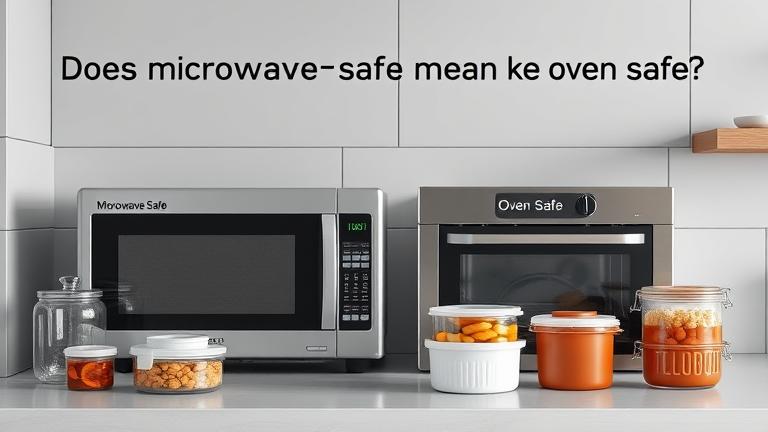
Understanding Microwave Safe Materials
When it comes to using a microwave, knowing which materials are microwave safe is essential for safe and effective cooking. Microwave safe materials are designed to withstand microwave radiation without melting, warping, or releasing harmful chemicals. Using the right items helps prevent accidents and keeps your food safe to eat.
Most microwave safe materials are made from specific kinds of plastics, ceramics, glass, or silicone. These materials don’t absorb microwave energy and won’t heat unevenly or break apart. Let’s explore each type and how they work with microwave radiation.
Common Microwave Safe Materials
- Glass: Glass containers, especially those labeled microwave safe, are a popular choice for heating food. They don’t absorb microwaves and are resistant to high temperatures. Use tempered glass or oven-proof glass for safety.
- Ceramics: Many ceramic dishes and mugs are microwave safe. They are sturdy, heat evenly, and do not contain metal parts that could cause sparks. Always check for a microwave-safe label to avoid cracks or damage.
- Plastics: Not all plastics are microwave safe. Look for plastics labeled as microwave safe or marked with a microwave-safe symbol. These plastics are specially formulated to resist melting and chemical leaching under microwave heat.
- Silicone: Silicone cookware or utensils are flexible, heat-resistant, and safe for microwave use. They don’t absorb microwave energy and are great for steaming or reheating food.
Materials to Avoid in the Microwave
Some materials should never go into the microwave because they can cause safety hazards or damage your appliance. Common offenders include:
- Metal: Metal pans, foil, or containers can reflect microwave radiation, causing sparks and potentially fires. Never use metal in the microwave unless it is specifically designed for microwave use.
- Unmarked Plastics: Plastics without a microwave-safe label may melt or release chemicals into your food. Avoid using old or cracked containers.
- Certain Ceramics and Glasses: Not all ceramics or glassware are microwave safe. Containers with metallic paint or decorations should be avoided, as they can also spark.
How to Identify Microwave Safe Materials
Identifying whether a container is microwave safe is simple. Look for labels or symbols usually found on the bottom of dishes or packaging. The microwave safe symbol looks like a microwave oven or wavy lines. Some items will also say “microwave safe” explicitly.
If you’re unsure, conduct a quick test: place the container with a cup of water inside and microwave for about a minute. If the container stays cool and the water heats up, it’s usually safe. If the container becomes very hot or shows signs of melting, it’s best not to use it in the microwave.
Final Tips for Using Microwave Safe Materials
- Always check for labels before microwaving new containers.
- Avoid using containers with metallic parts or decorations.
- Use oven mitts or pot holders when removing hot containers.
- Allow food to stand for a minute after heating to avoid burns from superheated liquids.
By understanding the properties of microwave safe materials, you can enjoy quick, safe, and delicious meals. Remember, the right container makes all the difference for a safe microwave experience!
What Does Oven Safe Mean?
If you enjoy cooking at home, you probably come across the term “oven safe” when shopping for cookware or bakeware. But what exactly does it mean when a dish or pot is labeled as oven safe? In simple terms, oven safe indicates that the cookware can withstand the heat of an oven without melting, cracking, or becoming damaged. It also means the material and construction are suited for use at high temperatures, typically from about 200°F up to 500°F or more, depending on the product. Knowing what “oven safe” means helps you use your kitchen tools safely and get the best results from your recipes.
What Makes a Product Oven Safe?
To be considered oven safe, a product must be made from materials that can handle high temperatures. Common oven-safe materials include glass, ceramic, metal, and certain types of silicone. Each has different heat tolerances and suitability for various cooking tasks.
- Glass: Usually made from tempered or borosilicate glass, which can generally handle oven temperatures up to 350°F or sometimes 450°F. Be aware that sudden temperature changes can cause thermal shock and crack the glass.
- Ceramics and Porcelain: These are often oven safe if they are intended for baking or cooking. Check the manufacturer’s guidelines, as some may contain glazes or decorations that are not oven safe.
- Metals: Stainless steel, cast iron, and aluminum are excellent for oven use because they can withstand high heat without damage. Cast iron pans, for example, are perfect for baking and roasting.
- Silicone: Oven-safe silicone can typically handle temperatures up to 450°F to 500°F, making it suitable for baking pans, molds, and utensils.
How High Can an Oven Safe Product Go?
The heat tolerance varies depending on the material. For example, most glassware is oven safe up to 350°F to 450°F, while cast iron can often handle 500°F or even higher. It’s important to check the manufacturer’s instructions or labels for specific temperature limits. Exceeding these limits can cause warping, cracking, or even dangerous breakage.
Oven Safe vs Microwave Safe
While oven safe means a product can handle high baking temperatures, microwave safe is entirely different. Microwave safe items are designed to withstand microwave radiation, which heats food differently. For instance, some plastics are microwave safe but not oven safe, as they might melt or release harmful chemicals in a hot oven.
Always read the labels or manufacturer’s instructions to avoid using a product in a way that could damage it or pose safety risks. If you’re unsure whether a dish is oven or microwave safe, look for symbols on the bottom or packaging or consult the product’s details online.
Tips for Using Oven Safe Cookware Safely
- Always follow the recommended temperature guidelines provided by the manufacturer.
- Gradually heat and cool your cookware to prevent thermal shock, especially with glass or ceramic dishes.
- Use oven mitts or pot holders when handling hot cookware to prevent burns.
- Inspect your cookware regularly for cracks or damage before using it in the oven.
Understanding what makes a product oven safe helps you use your cookware properly and safely. Whether baking, roasting, or broiling, choosing the right piece for the right temperature results in better dishes and happier cooking experiences.
Key Differences Between Microwave and Oven Safe
When cooking or reheating food, it’s important to use cookware that is either microwave-safe or oven-safe. While these terms are sometimes used interchangeably, they refer to different safety standards and material compatibilities. Understanding these differences can help prevent accidents, enhance your cooking experience, and protect your kitchen equipment.
What Does Microwave Safe Mean?
Microwave-safe cookware is designed to withstand the heat and electromagnetic waves generated by your microwave oven. Materials labeled as microwave-safe won’t absorb microwave energy, which means they won’t heat up excessively or cause sparks. Usually, such items are made of plastics, glass, or ceramics that are free from metal components.
However, not all plastics are microwave-safe. Some plastics can melt or release harmful chemicals when heated, so always look for a microwave-safe label or symbol. For example, many plastic containers have a microwave-safe symbol showing wavy lines, indicating they are suitable for microwave cooking.
Using non-microwave-safe containers can result in uneven heating, food contamination, or even damage to your microwave. A common mistake is reheating food in a plastic container not intended for microwave use, which could melt and cause a mess or health hazards.
What Does Oven Safe Mean?
Oven-safe cookware is built to handle high temperatures typically used in baking, roasting, or broiling. This includes temperatures often up to 500°F (260°C) or more. Materials labeled as oven-safe are usually made of glass, ceramic, metal, or special heat-resistant plastics.
One key feature of oven-safe cookware is thermal stability — the ability to withstand temperature changes without cracking or breaking. For example, Pyrex glass and cast iron cookware are known for their oven safety.
It’s important to note that some items considered oven-safe are not suitable for microwave use, especially those containing metal parts. Using metal cookware or aluminum foil in a microwave can cause sparks and fires.
Differences in Material Compatibility
| Material | Microwave Safe | Oven Safe |
|---|---|---|
| Plastic | Yes, if labeled microwave-safe | Usually no, unless specifically heat-resistant |
| Glass | Yes, most are safe | Yes, especially borosilicate glass |
| Ceramics | Often, but check for metal accents | Yes, most are safe |
| Metal | No, metal should never go in microwave | Yes, but only in the oven, not microwave |
Safety Tips to Remember
- Always check labels and manufacturer instructions before using cookware in microwave or oven.
- Avoid using containers with metal edges or decorations in the microwave.
- Use oven mitts when removing hot cookware to prevent burns.
- Do not use plastic containers in the oven unless specified as oven-safe.
- When in doubt, test a small amount first or choose equipment explicitly labeled for the intended use.
By understanding these key differences, you can confidently select the right cookware for every cooking or reheating task. Properly matching your cookware to your appliance not only keeps you safe but also extends the life of your kitchen tools, making your cooking safer and more enjoyable.
Common Materials and Their Safety Status
When it comes to cooking and reheating food, choosing the right materials is essential for safety and wellbeing. Materials like glass, plastic, metal, and ceramics are often used in the kitchen, but not all of them are suitable for microwave or oven use. Understanding which materials are safe can help prevent accidents and keep your food fresh and safe.
Glass
Glass is a popular choice for baking and storing food because it is non-toxic, durable, and easy to clean. Most glass containers made for kitchen use are microwave and oven safe. Look for labels or symbols like a microwave-safe icon or oven safety indication on the bottom of the glass item.
However, avoid using glass that is not marked for oven or microwave use. Sudden temperature changes can cause unmarked glass to shatter. For example, taking a hot glass dish directly from the oven and placing it on a cold surface can be risky.
Tip: Use tempered glass or borosilicate glass for baking. These types withstand temperature swings better. Also, always handle hot glassware with oven mitts to avoid burns.
Plastic
Plastic containers are lightweight and versatile. But not all plastics are microwave-safe. Look for containers labeled as microwave-safe or with a symbol of a microwave with waves. These plastics are tested to withstand heat without melting or releasing harmful chemicals.
Some plastics contain chemicals such as BPA or phthalates, which can leach into food when heated. To stay safe, avoid heating food in plastic containers that are not specifically labeled as safe for microwave use.
Tip: Transfer food into a microwave-safe glass or ceramic dish if you are unsure about the plastic container’s safety. Also, never microwave plastic wrap that isn’t labeled as microwave-safe, and avoid letting plastics touch food directly if not designated for such use.
Metal
Metal, including aluminum foil, is generally not safe for microwave use. Metals reflect microwave energy, which can cause sparks, fires, or damage to your microwave. Use metal only in the oven, not the microwave.
In the oven, metal pans and utensils are suitable for baking, roasting, and broiling. Always check that the metal items are oven-safe and avoid using thin or recycled metal that could warp or cause uneven heating.
Tip: Never place aluminum foil or metal pans in the microwave. When using metal in the oven, keep an eye on it to prevent overheating or burning.
Ceramics
Ceramic dishes and mugs are common in kitchens. Most ceramic wares are oven and microwave safe, but some decorative ceramics with metallic paints or glazes can be unsafe. Always check for labels or manufacturer instructions.
Ensure the ceramic is free from cracks or chips, as these can harbor bacteria and weaken the material. When reheating in the microwave, use a microwave-safe ceramic dish. In the oven, ceramicware designed for baking is ideal.
Tip: Avoid using glazed ceramics with metallic or painted decorations in microwaves, as they can cause sparks or damage. When in doubt, test the ceramic dish with short microwave sessions to ensure safety.
By understanding the safety status of common kitchen materials, you can confidently select the right one for your cooking needs. Always check labels, follow manufacturer instructions, and use common sense when handling heat-safe materials to keep your kitchen safe and efficient.
How to Identify Microwave & Oven Safe Cookware
Knowing whether your cookware is safe for use in the microwave or oven is important for safety and to protect your dishes. Not all pots, pans, or containers are created equal, and using the wrong one can lead to accidents or damage. Fortunately, there are simple ways to check if your cookware is suitable for these appliances.
Check the Labels and Manufacturer’s Instructions
The easiest way to tell if cookware is microwave or oven safe is to look at the labels. Many products come with symbols or words clearly indicating their use. For example, a microwave symbol looks like a microwave oven, while an oven-safe label might say “oven safe” or include a temperature indication.
If you have the original packaging or instruction manual, review them carefully. Manufacturers often specify the maximum oven temperature the cookware can handle or whether it is suitable for microwave use. If you no longer have the packaging, look for marks or stickers on the bottom of the item.
Look for Safety Symbols and Markings
- Microwave Safe Symbol: Usually a small icon of wavy lines or a microwave oven. Sometimes accompanied by the words “microwave safe.”
- Oven Safe Symbol: Might be a picture of an oven, or phrases like “ovenproof,” “heat resistant,” or “temperature resistant.”
- Material Indication: Glass, ceramic, or metal items often have different safety markings. For instance, porcelain and most ceramics are oven safe unless glazed with metallic paint.
Always check for these symbols before microwaving or baking. If in doubt, don’t risk it.
Perform a Simple Test (If No Labels Are Present)
If you’re unsure whether a piece of cookware is microwave safe, you can do a quick test:
- Fill a cup with water and place it inside the cookware.
- Put the cookware in the microwave alone.
- Microwave on high for about 1 minute.
If the cookware remains cool and the water heats up, it is likely microwave safe. But if the cookware becomes hot, or there are cracks or damage, do not use it in the microwave.
For oven safety, inspect the cookware for any cracks or damage before heating. If it looks cracked or broken, avoid putting it in the oven.
Test for Oven Safety at Home
To check if your cookware can handle oven temperatures, gradually heat it in the oven at a low temperature, then increase slowly. Always stay nearby and keep an eye on it to see how it reacts. If the cookware cracks, warps, or develops damage, it’s not oven safe.
Tips and Cautions
- Never microwave or bake cookware with metallic paints or trims, as metal reflects microwaves and can cause sparking or fire.
- Be cautious with recycled or unmarked containers, as their safety cannot be guaranteed.
- When in doubt, choose cookware explicitly labeled for microwave or oven use or made from known safe materials like glass or ovenproof ceramics.
By following these guidelines, you can confidently identify which cookware pieces are safe to use in your microwave or oven, keeping your cooking safe and enjoyable.
Myths About Microwave and Oven Safety
Many people have questions and concerns about the safety of using microwaves and ovens. There are also numerous myths floating around that can cause unnecessary worry or lead to mistaken practices. In this section, we will clarify some common misconceptions and give you practical facts to keep your cooking safe and stress-free.
Myth 1: Microwaves Make Food Radioactive
This is a common myth. Microwaves do use radiofrequency energy to heat food, but this energy does not make food radioactive. When the microwave is turned on, it produces non-ionizing radiation, which simply agitates water, fat, and sugar molecules, generating heat. Once the microwave stops, the radiation disappears. There is no residual radioactivity or dangerous effect left in your food. As long as your microwave is in good condition and used properly, it is completely safe.
Myth 2: Metal Should Never Be Used in Microwaves
This myth has some truth but is often exaggerated. Metal objects, like aluminum foil or metal utensils, can cause sparks or fires if used improperly in a microwave. However, small pieces of thin foil can be used carefully to shield parts of your food from overcooking. The key is to avoid crumpled or large metallic surfaces that can arc or spark. Always follow your microwave’s instructions regarding metal use, and when in doubt, stick to microwave-safe glass or plastic containers.
Myth 3: Ovens Are Dangerous Because of Hot Surfaces
Ovens, especially traditional ones, do have hot surfaces that can burn if touched. However, modern ovens are built with safety features like insulated doors and warning labels. The main safety tip is to use oven mitts when handling hot cookware and to keep children away from hot surfaces. Proper use and maintenance make ovens safe for everyday cooking. Never attempt to remove hot items from the oven without protection, and always preheat the oven for better safety and cooking results.
Myth 4: Microwave Food Isn’t Safe to Reheat
The idea that reheated microwave food is unsafe is not true. The key is using appropriate containers and reheating food evenly. Always cover your food with microwave-safe lids or wraps to prevent splatters and keep moisture in. Stir or rotate food during reheating to avoid cold spots where bacteria can survive. Reheated food can be just as safe and nutritious as freshly cooked if handled correctly. Be sure to reheat to the right temperature, around 165°F (74°C), to kill any bacteria.
Practical Tips for Safe Use
- Check that your cookware is labeled microwave or oven safe.
- Avoid using plastic containers that are not microwave-safe, as they can melt or release harmful chemicals.
- Always supervise children when they are using microwave or oven appliances.
- Keep your microwave and oven clean and in good working order to prevent accidents.
Summary Table: Common Myths and Facts
| Myth | Fact |
| Microwaves make food radioactive | Microwaves do not leave any radiation or make food radioactive. They only heat food using non-ionizing radiation. |
| Metal should never be used in microwaves | Small, thin metal pieces can be used carefully. Avoid crumpled foil or large metal objects that can spark. |
| Ovens are too dangerous to use | Ovens are safe when used properly. Hot surfaces are manageable with oven mitts and proper precautions. |
| Microwave reheating is unsafe | Reheating food in a microwave is safe if done with suitable containers and proper temperature checks. |
Understanding the facts about microwave and oven safety can help you cook with confidence. Remember, most myths stem from misunderstandings or outdated information. Always follow manufacturer instructions and practice basic safety tips for worry-free cooking every time.
Tips for Safe Use of Cookware in Both Appliances
Using cookware safely in both the microwave and oven is important to prevent accidents, damage to your cookware, and to keep your kitchen safe. Whether you’re reheating leftovers or baking a delicious casserole, following some simple tips can make your cooking experience more enjoyable and secure.
Choose the Right Cookware
Always select cookware labeled as microwave-safe or oven-safe. Items made from glass, ceramic, and silicone generally work well in both appliances. However, some plastics, metals, and non-stick coatings may not be suitable. Check the bottom of your cookware for labels or manufacturer instructions.
Inspect for Damage
Before using cookware in the microwave or oven, examine it carefully. Cracks, chips, or warping can make the item unsafe. Damaged glass or ceramic can break under heat and cause injury. Replace any questionable pieces to keep your kitchen safe.
Follow Proper Heating Guidelines
Never heat cookware dry in the microwave or oven. Always add some liquid or food to prevent overheating and potential fires. When microwaving, cover your dish with a microwave-safe lid or vented cover to avoid splatters and ensure even heating.
Be Mindful of Temperature Changes
Rapid temperature changes can cause cookware to crack or shatter. For example, don’t place a cold glass dish directly into a hot oven, or drop a hot casserole onto a cold countertop. Gradually heat or cool your cookware and food for safety.
Avoid Metal in the Microwave
Metal bowls, utensils, or foil should never go into the microwave, as they can cause sparks or fires. Always use microwave-safe dishes and avoid anything with metallic trim or decoration. In the oven, metal is usually safe, but check your cookware’s instructions first.
Use Oven Mitts and Safe Handling Tools
When removing hot cookware from the oven or microwave, always wear oven mitts or pot holders. Use tongs or tools to handle hot dishes to avoid burns. Be especially careful when opening the microwave door or lifting dishes out of the oven.
Store Cookware Safely
Store your cookware in a dry, flat place, stacking only if safe to do so. Avoid stacking heavy items that can cause chips or cracks. Keep sharp edges or handles protected and prevent accidental spills or falls that could cause injuries.
Keep Children and Pets Safe
Place hot cookware out of reach of children and pets. Never leave cooking food unattended, especially in the oven. Remember, even after turning off, cookware can remain hot for a while.
Summary Table of Safety Tips
| Tip | Safety Benefit |
|---|---|
| Use appropriate cookware | Prevents damage and accidents |
| Inspect for damage | Avoid breakage and injuries |
| Follow heating guidelines | Prevents fires and cracks |
| Avoid metal in microwave | Prevents sparks and fires |
| Handle with care | Prevents burns and spills |
| Store safely | Prevents accidents and damage |
| Keep out of children’s reach | Prevents burns and injuries |
By following these simple yet important tips, you can enjoy safe, efficient, and damage-free cooking in both your microwave and oven. Taking a moment to check your cookware before use can save you time and trouble later on!