
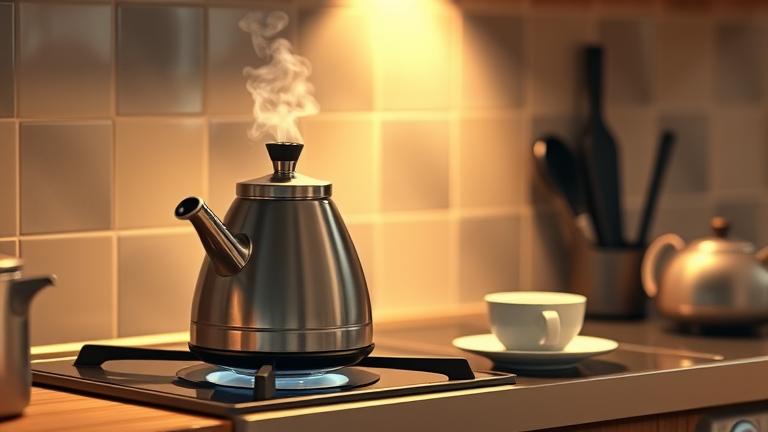
The Fundamentals of Boiling Water for Tea
Water temperature is a critical factor in brewing the perfect cup of tea. It influences how well the flavors are extracted from the tea leaves, ultimately affecting the taste, aroma, and richness of your beverage.
Different varieties of tea require specific temperatures to bring out their optimal qualities. For example, green teas prefer lower temperatures, typically around 150 to 180°F, to preserve their delicate character. In contrast, black teas demand boiling water at 200 to 212°F to fully unlock their bold flavors.
Proper temperature control prevents over-extraction that can make the tea bitter or under-extraction that results in weak flavor.
The type of water used is equally important in achieving the ideal brew. Soft water, which has low mineral content, enhances the subtle flavors of green and white teas without cloudiness. Hard water, rich in minerals like calcium and magnesium, can interfere with brewing by dulling flavors and causing cloudiness. For black and oolong teas, mineral-rich water can even boost their robustness, creating a balanced and flavorful cup.
Techniques for Boiling Water Perfectly
Proper boiling methods vary depending on your tools and preferences. The stovetop remains a traditional and versatile choice. To boil water on the stove, simply fill a pot, place it over high heat, cover it to speed up boiling, and wait until it reaches a rolling boil. Once boiling, you can adjust the heat to prevent over-agitation of the water.
Electric kettles offer a convenient alternative that saves time and energy. Fill the kettle, switch it on, and wait for it to automatically shut off once boiling. They heat water rapidly and maintain the temperature, making them ideal for quick tea preparations or hot beverages in the mornings. Some possess temperature control features enabling precise brewing.
Microwave boiling is another quick method, especially suitable for small quantities. Pour water into a microwave-safe container, cover it, and heat in short bursts, stirring in between to distribute heat evenly. Be cautious to avoid superheating, which can cause water to erupt suddenly and cause burns.
The goal is to bring water to just below boiling for delicate teas or fully boiling for stronger infusions. Using a thermometer can help ensure water reaches the correct temperature for your tea type.
Cultural Ways of Boiling Water for Tea
Throughout history and across cultures, specific tools and techniques have been developed to prepare water and brew traditional teas. In Japan, cast-iron **kama** and **tatara** pots, heated over charcoal or firewood, are still used to prepare matcha and other Japanese teas, offering steady heat that enhances flavor. Chinese tea culture involves clay teapots and samovars heated with charcoal, which yield gentle, consistent heat perfect for teas like oolong and pu-erh.
In Morocco, **brass or copper teapots called “berrad”** are often heated over charcoal, infused with mint, sugar, and herbs, creating aromatic and flavorful experiences. Indian chai is brewed in cast or stainless steel kettles directly placed over flames, resulting in robust, spicy flavor profiles. Ethiopia’s **jebena** a clay or clay-lined pot is used over wood or charcoal fires to brew traditional coffee, offering smoky notes that are deeply valued in culture.
While modern tools such as thermos flasks and electric kettles have modernized these traditions, specific materials and heating techniques remain core to cultural identity. These methods highlight how water heating is more than just a technical act; it is a reflection of history, craftsmanship, and cultural values.
Tips for Ensuring Optimal Tea Flavor
Using contaminated or stale water compromises both safety and flavor. Always opt for fresh, clean water or filtered water to prevent dullness and impurities that can spoil the taste. Mineral content influences flavor; hard water can make tea taste flat, whereas soft water helps bring out delicate notes. The pH level and mineral balance impact extraction, so choosing spring water or filtering tap water can significantly improve taste.
Monitoring water temperature is key; for delicate teas like green and white varieties, keep water below boiling point. A gentle simmer or just below boiling ensures flavor preservation. For black teas, boiling water is generally preferred. Adding a pinch of salt or softening water further can enhance aroma and suppress bitterness. Avoid over-boiling or reheating water multiple times, as this can degrade water quality and taste.
Incorporating these small adjustments makes a significant difference. For instance, pre-warming your teapot and using the correct water temperature improves extraction efficiency. Timing is also vital to prevent over-extraction, which can result in bitterness. Remember, the goal is a balanced, flavorful cup that captures the essence of the tea leaves.
Innovative Tools and Gadgets for Boiling Water
Today’s market offers advanced tools that elevate tea brewing. Smart kettles and water boilers with digital controls ensure precise temperature maintenance for different teas. These devices often come with features like remote app control, voice activation, and customizable temperature settings. They enable users to start boiling water remotely or set specific temperatures tailored for green, white, black, or herbal teas, enhancing convenience and consistency.
Many smart devices include “keep warm” functions, maintaining the optimal temperature for extended periods. This feature is particularly beneficial for households that enjoy multiple rounds of tea or have busy schedules. Brands such as Cosori and Smarter offer models combining style, efficiency, and smart connectivity. Investing in such gadgets not only improves brewing precision but also conserves energy by avoiding unnecessary reheating.
Advanced water boiling gadgets incorporate sensors that monitor temperature at a molecular level to prevent overheating, ensuring the tea’s flavors are preserved. Some models also include voice commands via virtual assistants, adding another layer of modern convenience.
The Science Behind Boiling Water and Tea
At the molecular level, boiling water involves energy-induced vibrations of water molecules. When heated, molecules vibrate faster, weakening the hydrogen bonds that hold them together. Once the energy surpasses a certain threshold, these bonds break, and the molecules escape as vapor this is the process of boiling.
The boiling point is normally 212°F at sea level, but can vary with altitude. Precise control of temperature ensures optimal flavor extraction because different teas require different infusions. For instance, delicate green teas are best brewed at slightly cooler temperatures to prevent over-extraction. Understanding this process helps enthusiasts control heat application and achieve a perfect balance of flavor and aroma.
Controlling the boiling process allows for better extraction of tea’s soluble compounds, such as tannins and essential oils. Overheating can extract bitter or astringent flavors, while underheating leaves the brew weak and dull. Knowledge of the science supports more informed decisions in equipment choice and brewing techniques, resulting in a superior tea experience.