
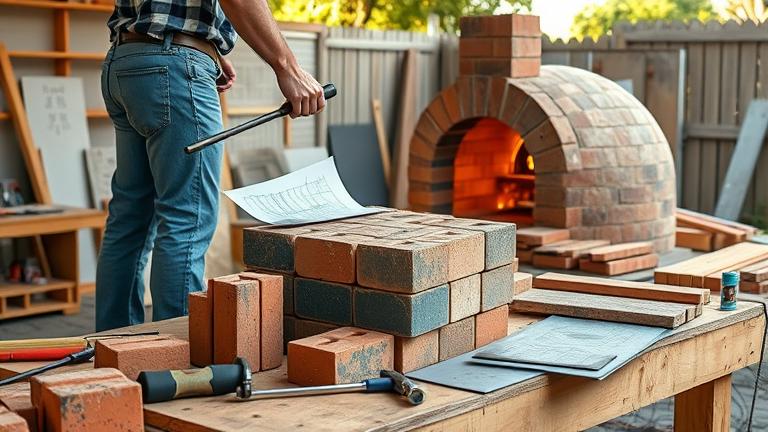
Creating Your Own Oven: Personalization and DIY Satisfaction
Building your own oven can be an immensely rewarding project that allows you to tailor this essential kitchen appliance to your specific needs. The process of designing and constructing an oven provides the satisfaction of customization, transforming a basic cooking device into a personal masterpiece.
You have full control over selecting materials, sizes, and features, which means you can craft an oven that perfectly fits your culinary style and kitchen space. This personalization not only enhances your cooking experience but also turns the project into a fun and engaging DIY adventure.
By engaging in this process, you also gain the ability to incorporate special features that commercial models may lack. For example, you might include a convection system for even heat distribution or create a pizza-specific baking chamber.
Enthusiasts have generated countless inspiring ideas, from portable outdoor ovens suitable for camping trips to large, multi-functional setups capable of smoking and baking. Tailoring an oven to your culinary passions makes routine cooking more enjoyable, and the satisfaction of building it yourself can be truly fulfilling. For a visual guide to starting such projects, check out this detailed YouTube tutorial:
Cost Savings and Design Inspirations for Homemade Ovens
Constructing your own oven often results in significant cost savings. Instead of purchasing a commercial model, which can be expensive, sourcing your own materials allows for budget-friendly choices. You can select affordable yet durable components to build a high-quality oven at a fraction of the retail price, making it an economical alternative for DIY enthusiasts. This flexibility means you can prioritize spending on essential features or materials that enhance safety and performance.
Inspiration for homemade oven designs is virtually limitless. Some hobbyists create small, portable ovens ideal for outdoor cooking, camping, or tailgating. These compact units are easy to transport and set up, providing convenience for outdoor culinary adventures.
Others prefer to build more elaborate structures with advanced features such as convection capabilities, pizza-baking chambers, or smoker attachments. These versatile projects can be customized to perfectly match your culinary interests, allowing for creativity and innovation in your outdoor or indoor cooking spaces.
Taking cost-effectiveness further, sourcing materials from local suppliers or recycling existing components can reduce expenses while promoting sustainability. Whether you aim for a simple outdoor brick oven or a complex multi-purpose setup, the key is to plan carefully and select appropriate materials. This way, your DIY oven becomes a practical and fun addition to your cooking environment, encouraging experimentation and skill development.
Selecting Materials and Designing an Efficient Layout
When planning your homemade oven, selecting the right materials is crucial for safety, durability, and performance. High-temperature resistant and insulating materials such as stainless steel, ceramic composites, firebricks, and ceramic fiber are ideal choices.
Fire-resistant materials form the oven’s outer shell, providing structural integrity and safety. Meanwhile, insulation materials like ceramic fiber or mineral wool help retain heat, resulting in better energy efficiency and more consistent cooking temperatures.
Designing an optimal layout involves thoughtfully positioning components such as the heating elements, insulation layers, and airflow channels. Proper placement of these elements facilitates efficient heat distribution and minimizes energy wastage.
An effective airflow design ensures even baking and reduces the risk of hotspots or uneven cooking. Accessibility for maintenance and safety controls is also an essential aspect of layout planning. For example, placing controls within easy reach allows for safer adjustments during operation, while sufficient insulation prevents accidental burns or heat leaks.
Consider safety and usability at every stage. Adequate insulation prevents heat leaks, protecting users and improving efficiency. Proper ventilation systems are vital to eliminate heat buildup and safely expel fumes, especially in enclosed spaces. Secure mounting of electrical or gas components reduces hazards.
Building the Oven: Components, Assembly, and Safety Protocols
Assembling your homemade oven involves several critical steps, including selecting and installing key components like insulation, a heating element, a sturdy frame, and ventilation systems. The outer shell typically utilizes fire-resistant materials such as bricks or concrete to withstand high temperatures and ensure longevity. Proper insulation with ceramic fiber or mineral wool keeps heat contained within the oven, improving efficiency and safety.
The process begins with constructing a solid base capable of supporting the oven’s weight. Next, insulation layers are carefully applied to trap heat effectively. The heating element, whether electrical or gas-powered, must be securely installed to ensure even heat distribution. Use appropriate tools such as drills, screwdrivers, and welding equipment to facilitate precise assembly.
Ventilation systems play a critical role in preventing excessive heat buildup and expelling potentially dangerous fumes. Internal wiring should always adhere to electrical safety standards, and robust connections are essential for reliable operation. Testing phases before regular use help identify any issues related to temperature regulation or safety measures.
Consulting guides and online communities can provide additional support, ensuring that your build remains safe and functional. Incorporating safety features like emergency shut-off valves or temperature controls will help prevent accidents. Remember, patience and attention to detail during assembly lead to a durable, secure, and efficient oven.
Insulation Techniques for Safety and Efficiency
Proper insulation in your homemade oven enhances heat retention and significantly improves safety. Using high-quality insulation materials such as firebricks, ceramic fiber boards, mineral wool, or insulating concrete allows your oven to maintain desired temperatures more efficiently. Adequate insulation minimizes heat loss during operation, reducing energy consumption and operational costs.
Ensuring that oven doors seal tightly is another critical factor. Well-sealed doors prevent heat leaks, help maintain steady temperatures, and improve cooking consistency. When applying insulation, focus on covering all potential heat escape points, including joints, corners, and door seals. Proper insulation also contributes to safety by preventing accidental burns when touching the oven exterior.
Safety precautions involve wearing heat-resistant gloves when handling hot components and inspecting for any damages or leaks regularly. Adequate ventilation is essential, especially during combustion or electrical operation, to prevent the accumulation of fumes. Following manufacturer instructions during installation ensures the longevity and safety of your oven.
Maintenance and Troubleshooting for Long-Term Performance
Regular maintenance is vital to keep your homemade oven operating efficiently and safely over time. Routine cleaning of the interior removes food residues and carbon buildup that could affect heat distribution. Checking door seals periodically ensures they remain airtight, maintaining optimal heat retention. An oven thermometer can assist in monitoring temperatures and making necessary calibrations for accuracy.
Preheating your oven thoroughly before use contributes to even cooking results, while avoiding excessive door openings helps stabilize internal temperatures. If you notice uneven heating or temperature fluctuations, inspect and replace faulty heating elements or check electrical connections. Over time, insulation may degrade or become damaged; replacing or repairing insulation ensures the oven remains energy-efficient and safe.
Proper usage techniques extend the lifespan of your oven. Using suitable cookware and avoiding overcrowding within the oven improves heat transfer and cooking results. Conduct regular safety inspections for gas leaks, electrical issues, and structural integrity. Following these maintenance practices will ensure your homemade oven continues to provide delicious results for years to come.
Decorating and Personalizing Your Oven on a Budget
Personalizing your oven’s exterior can be a fun and affordable project. Use removable adhesive decals or heat-resistant stickers that are easy to apply and remove without damaging the surface. These decals allow for quick updates, perfect for seasonal themes or personal styles.
Magnetic tiles or strips can be added to give your oven a playful and easily changeable look. These options are particularly popular with children’s kitchens or creative DIY enthusiasts. Applying heat-resistant paint or markers is another cost-effective way to add designs, patterns, or labels directly onto the oven surface. This can help you create a distinctive style that reflects your personality or matches your kitchen decor.
Replacing knobs, handles, or adding decorative covers can enhance appearance without a significant investment. These simple upgrades often provide a fresh and modern look and can be purchased from hardware stores or online. Personalization not only makes your oven uniquely yours but also adds a touch of creativity and fun to your culinary environment.