
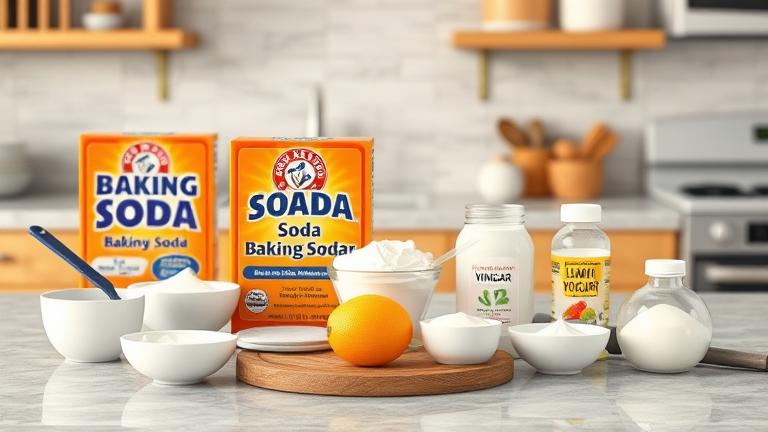
Common Baking Soda Substitutes
Many home cooks find themselves needing a substitute for baking soda in their recipes. Whether you’re out of it or looking for a different leavening option, there are several effective ingredients you can use. Each substitute has unique properties and is best suited for specific recipes. Let’s explore some popular baking soda alternatives and how to use them.
Baking Powder
Baking powder is the most common substitute for baking soda. Unlike baking soda, it already contains an acid, so it reacts differently in recipes. If a recipe calls for one teaspoon of baking soda, replace it with about three teaspoons of baking powder. However, because baking powder contains other ingredients, it may slightly alter the taste or texture.
Tip: If your recipe also contains an acid like vinegar or lemon juice, you might want to reduce the amount of baking powder to avoid over-leavening.
Potassium Bicarbonate
Potassium bicarbonate is a great alternative, especially for those on a low-sodium diet. It has similar leavening properties to baking soda. Use it in equal amounts as a substitute. Keep in mind that it may have a slightly salty or alkaline taste, so you might want to add a pinch of baking powder to balance flavors.
This option works well in cookies, muffins, and quick breads.
Yeast
Yeast is a natural leavening agent that produces carbon dioxide when it ferments. It’s ideal for bread and other yeast-leavened baked goods. Unlike baking soda, which works quickly, yeast needs time to rise. If using yeast instead of baking soda, plan to let your dough rise for at least an hour.
Tip: Use active dry yeast or instant yeast, adjusting the quantity based on your recipe. Usually, one teaspoon of baking soda can be replaced with about 2¼ teaspoons of yeast for bread recipes.
Whipped Egg Whites
For recipes like sponge cakes or soufflés, whipped egg whites can provide lift without any leavening agents. Simply beat eggs until stiff peaks form and gently fold them into your batter. This creates air pockets that help the baked good rise.
Remember, this technique works best with delicate batters that need to be light and airy.
Other Natural Options
- Cream of Tartar: Often combined with baking soda, but can also be used alone in some recipes to stabilize egg whites or add acidity.
- Buttermilk or Yogurt: Their acidity can react with baking soda or baking powder to produce leavening. If using these, reduce other liquids in your recipe accordingly.
Safety and Tips
- Always measure substitutes carefully to maintain the right balance in your recipe.
- Keep in mind that some substitutes, like yeast or whipped egg whites, require additional rising or preparation time.
- Remember, each alternative may slightly change the flavor or texture of your baked good, so it might take some experimenting to find what works best for you.
- When in doubt, test small batches to see how the substitute performs before baking a full recipe.
With these options, you’re never out of leavening agents for your baked creations. Just remember to choose the right substitute based on your recipe and your dietary needs, and you’ll be baking confidently every time!
How to Use Baking Powder Instead
If a recipe calls for baking soda but you only have baking powder on hand, don’t worry. While they are both leavening agents that help baked goods rise, they have different chemical properties. Baking soda is pure sodium bicarbonate, which reacts with acids to produce carbon dioxide gas. Baking powder, on the other hand, contains baking soda along with an acid and a drying agent, making it more versatile but slightly less potent.
Using baking powder as a substitute requires some adjustments to get the right rise and texture in your baked goods. Here’s how you can do it effectively.
First, check the amount needed. Generally, you can replace baking soda with baking powder but in a different quantity. Baking powder is less concentrated, so you need about three times more to achieve the same leavening effect. For example, if a recipe calls for 1 teaspoon of baking soda, use 3 teaspoons of baking powder.
However, because baking powder contains acids, using too much can sometimes affect the taste or cause excessive rising and collapse. To balance this, consider reducing or removing other acidic ingredients in your recipe. For example, if your recipe includes buttermilk or yogurt, you might want to lower their amount slightly or omit additional acid.
When substituting, remember that the timing and technique matter too. Baking powder reacts quickly when wet, so add it to your dry ingredients and mix well before incorporating wet ingredients. This helps ensure even distribution and a good rise.
Here’s a simple guide for substitution:
- Original: 1 teaspoon of baking soda
- Replacement: 3 teaspoons of baking powder
- Adjust other ingredients if the recipe includes acids to prevent oversouring or collapsing.
Tips for success:
- Always use fresh baking powder for best results, as it loses potency over time.
- If you know your baking powder is old, double the amount slightly, but test first with a small batch.
- Be aware of the taste: too much baking powder can leave a bitter or metallic flavor, so measure carefully.
- Since baking powder causes quick leavening, bake your batter promptly after mixing to get the best rise.
Common mistakes to avoid:
- Using too little baking powder: your baked goods might be flat and dense.
- Using expired baking powder: it might not produce enough rise, ruining the texture.
- Overmixing the batter: it can cause the release of gases too early, resulting in less fluffy baked goods.
Remember, baking is as much about practice as it is about measurements. If your first attempt using baking powder instead of baking soda doesn’t turn out perfect, try adjusting the amounts slightly next time. With these tips, you’ll master the art of substitution and keep your baking delicious and consistent.
Natural Alternatives for Baking
If you’re looking for ways to make your baked goods a little healthier or more eco-friendly, exploring natural alternatives for baking is a great idea. Baking soda is a common leavening agent that helps baked items rise, but there are several organic and natural options you can try instead. These alternatives often add interesting flavors and can be gentler on your digestion, making them perfect for health-conscious bakers.
Before substituting, keep in mind that each alternative has different properties and might work better in certain recipes. It’s always good to do some small tests to see how they behave in your baking experiments. Here are some popular natural options you can consider:
Baking Powder
Baking powder is a common substitute for baking soda because it contains both an acid and a base, which helps baked goods rise. Look for organic baking powders that use natural ingredients without added synthetic chemicals. Note that baking powder is milder, so you often need to use more of it than baking soda. A typical substitution is three parts baking powder for one part baking soda, but check your recipe for best results.
Buttermilk or Yogurt
Both buttermilk and yogurt are naturally acidic, which means they can activate baking soda if included in your recipe. To replace baking soda, you can use around half a cup of buttermilk or yogurt for each teaspoon of baking soda. Remember to reduce the liquid in your recipe slightly to compensate for the added moisture. These dairy options also add a tangy flavor and extra moisture, giving your baked goods a delightful twist.
Cream of Tartar
Cream of tartar is a natural byproduct of wine making and works well as a leavening agent when combined with baking soda. To use as an alternative, mix one part cream of tartar with one part baking soda. This blend creates a natural and effective leavening mixture, ideal for cookies and cakes. It’s also free from synthetic additives, making it a healthier choice.
Club Soda or Sparkling Water
Club soda and sparkling water contain dissolved carbon dioxide, which can help add lightness to your baked goods. Replacing baking soda with a small amount of club soda can give a slight lift, especially in batters for pancakes, waffles, or tempura. Use it in recipes where a crisp, airy texture is desired. Keep in mind that this method works best in quick breads or batters and may not fully replace the leavening power of baking soda in dense cakes.
Eggs
Eggs are natural leaveners that provide structure and lift to baked goods. In some recipes, especially cakes and muffins, adding extra eggs or using whipped egg whites can create a light, fluffy texture. However, they don’t exactly replace baking soda, but they can be part of a natural leavening strategy when combined with other options. Using fresh, organic eggs enhances the health benefits.
- Tip: Always measure carefully to maintain recipe balance.
- Tip: When using liquids like yogurt or buttermilk, reduce other liquids to prevent overly moist batter.
- Tip: Experiment with small batches to find the best natural substitute for your favorite recipes.
Choosing the right natural alternative depends on your recipe and personal preferences. With a bit of practice, you can create delicious baked treats that are healthier and environmentally friendly, all while satisfying your taste buds!
Using Cream of Tartar as a Substitute
Cream of tartar may not be as well known as baking soda, but it can be a helpful substitute in certain recipes. Especially when a recipe calls for baking soda, cream of tartar can help achieve similar leavening effects, giving your baked goods the rise and lightness you want.
First, it’s good to know that cream of tartar is actually an acid, a byproduct of wine production. Its acidity allows it to react with baking soda, which is a base, creating carbon dioxide gas. This gas forms bubbles in dough or batter, making baked goods fluffy and soft.
If you don’t have baking soda on hand, you can use cream of tartar in a pinch. The typical substitution ratio is to combine cream of tartar with baking soda to mimic the leavening power of baking soda alone. For each teaspoon of baking soda called for in the recipe, use 1/2 teaspoon of cream of tartar plus 1/4 teaspoon of baking soda. This creates a homemade leavening mixture.
Here’s a simple way to prepare a baking soda substitute using cream of tartar:
- Measure 1/2 teaspoon of cream of tartar.
- Add 1/4 teaspoon of baking soda.
- Mix well to combine.
- Use this mixture as a direct replacement for 1 teaspoon of baking soda in your recipe.
When adjusting recipes, remember that the presence of cream of tartar can also slightly affect the flavor, giving baked goods a tangy note. To balance this out, you might want to add a pinch of sugar or vanilla, especially in sweet recipes.
A helpful tip is to prepare a small batch of this mixture ahead of time if you cook often without baking soda. Keep it in an airtight container, and it’s ready to use whenever needed.
It’s important to note that cream of tartar alone cannot replace baking soda in recipes where the primary purpose is acidity or brightness, like in certain sauces or toppings. It’s mainly used in baking to activate baking soda or to stabilize egg whites in meringues.
Some common recipes where you can use this substitute include cookies, pancakes, and muffins. In recipes like these, the substitute can help you achieve the same rise and fluffy texture without baking soda.
However, keep in mind that cream of tartar does not have the same strength as baking soda. If a recipe calls for a larger amount of baking soda, you may need to adjust the amount of cream of tartar and baking soda mixture accordingly.
In summary, cream of tartar is a handy substitute for baking soda when used correctly. Mixing it with baking soda in the right proportions ensures your baked goods turn out light and fluffy, even if you’re short on the usual leavening agents. Just remember to adjust your recipe slightly and enjoy your baking success!
Fitness and Safety Tips for Substitutes
Using baking substitutes can be a great way to make your treats healthier or accommodate dietary restrictions. Whether you’re replacing flour, sugar, or fats, it’s important to do so safely to ensure your baked goods are both delicious and safe to eat.
First, always understand why you’re choosing a substitute. For example, replacing sugar with honey adds sweetness and moisture but also increases the moisture content and sweetness. Similarly, swapping regular flour for almond flour changes the texture and nutrition. Knowing the reasons will help you select the right substitute and adjust your recipe accordingly.
Common Baking Substitutes and Safety Tips
- Sugar Substitutes: Use natural options like honey, maple syrup, or mashed bananas instead of refined sugar. Remember, these add extra moisture, so reduce other liquids in your recipe. Also, avoid artificial sweeteners unless you know they are safe for baking, as some lose sweetness when heated.
- Flour Alternatives: Almond, coconut, or gluten-free blends can replace wheat flour. Each has unique properties, so follow specific substitution ratios and adjustments for liquids or leavening agents.
- Fats and Oils: Swap butter with applesauce or mashed avocado for healthier fats. Be mindful that these change the texture and flavor. Check for allergies and freshness to avoid rancidity or spoilage.
Best Practices for Using Substitutes
- Start Small: When trying a new substitute, begin with small batches or a tested recipe. This helps you learn how the changes affect the texture and flavor without wasting ingredients.
- Adjust Quantities Carefully: Substitutes don’t always match 1:1. Many natural sweeteners or flours require different measurements. Follow specific conversion charts or recipes designed for the substitute you’re using.
- Monitor Baking Time and Temperature: Substitutes can alter baking times. Keep an eye on your oven and check for doneness using a toothpick or cake tester.
Safety Tips for Healthy Baking
- Use Fresh Ingredients: Check expiration dates on baking powders, natural sweeteners, and flours. Old ingredients can affect both safety and flavor.
- Store Substitutes Properly: Keep natural sweeteners, nuts, and gluten-free flours in airtight containers in a cool, dry place. This prevents spoilage or contamination.
- Avoid Cross-Contamination: When baking for allergies or sensitivities, use clean utensils, separate bowls, and designated storage areas to prevent accidental exposure.
Beware of Potential Risks
While many substitutes are healthy, some, like sugar alcohols, can cause digestive issues if consumed in excess. Also, be cautious with allergy-sensitive ingredients like nuts or soy substitutes. Always read labels carefully, especially if purchasing pre-made mixes or processed ingredients.
Remember, practice makes perfect. With a little planning and attention to detail, you can enjoy baking with healthier substitutes while keeping your kitchen safe. Happy baking!
FAQs About Replacing Baking Soda
If you’re baking and realize you don’t have baking soda on hand, you might wonder what to do next. Baking soda is a common leavening agent that helps baked goods rise and become light and fluffy. When it’s missing, using a good substitute can save your recipe. Here are some questions people often ask about replacing baking soda, with friendly tips and practical advice.
Can I Use baking powder instead of baking soda?
Yes, you can use baking powder as a substitute for baking soda, but it’s important to know the difference. Baking powder already contains an acid along with baking soda, so it’s a complete leavening mix. Generally, if a recipe calls for one teaspoon of baking soda, use about three teaspoons of baking powder.
Keep in mind that baking powder is less potent than baking soda. Using too much can change the taste or texture of your baked good. Also, because baking powder includes an acid, it might affect the flavor slightly, making it taste a bit tangy. Adjusting the quantity is key for good results.
What if I don’t have baking powder or baking soda?
If you’re totally out of both, there are a few options to help your baked goods rise. One common choice is whipped egg whites. Beating egg whites until stiff and folding them into your batter adds air and lift, making treats like muffins or pancakes fluffier.
Another alternative is using club soda or carbonated water, especially in recipes like waffles or pancakes. The bubbles in the soda help with rising, though results might not be as strong as with chemical leaveners. Always consider the type of recipe and whether these substitutes fit well with its ingredients.
Will using too much baking powder or baking soda ruin my baked goods?
Yes, overusing either can cause problems. Too much baking soda or baking powder can lead to a bitter or metallic taste. It might also cause your baked items to rise rapidly and then collapse, resulting in dense or uneven textures. You may notice a strange aftertaste or discoloration in your treats.
To avoid this, measure carefully. When substituting, stick to recommended amounts, and if uncertain, adjust gradually. Tasting a small batter sample before baking can also help you catch any off flavors early.
Are there any natural or household items I can use as baking soda substitutes?
Some natural options include lemon juice or vinegar, which add acidity to help leaven. Adding a tablespoon of vinegar or lemon juice along with baking powder can boost rising power in certain recipes. However, these acids should be used thoughtfully to avoid altering the flavor profile.
For recipes that need a gentle lift, these natural acids can work, especially in combination with other leavening agents. Just remember that too much acid can affect taste and texture, so start with small amounts and adjust as needed.
Tips for successful substitutions:
- Always measure carefully to avoid overpowering your batter with too much leavening.
- Adjust the amount based on what the recipe calls for and the substitute used.
- Consider the flavor profile—lemon juice and vinegar add tang, so they suit certain recipes better.
- Test small portions if you’re experimenting for the first time.
- Remember that substitutions might slightly change the texture or taste, but with practice, you can still create delicious baked goods.
Tips for Perfect Baking Without Soda
Baking without baking soda can seem challenging at first, but with a few simple tips, you can still achieve delicious, well-risen baked goods. Whether you’re out of soda or prefer to avoid it for dietary reasons, these practical tricks will help you get the best results every time.
First, it’s important to understand why baking soda is used. It acts as a leavening agent, helping dough or batter to rise by producing carbon dioxide. When you skip it, the key is to find alternative ways to create that lift and fluffiness in your baked goods.
Use Baking Powder as a Substitute
Baking powder is a common alternative to baking soda. It contains both the acid and the base needed to produce carbon dioxide, making it effective for leavening. Usually, you’ll need about three times more baking powder than baking soda called for in your recipe. For example, if a recipe calls for 1 teaspoon of soda, use 3 teaspoons of baking powder instead.
Keep in mind that baking powder can add a slightly different taste and extra sodium, so adjust other ingredients accordingly. Also, choose a fresh baking powder for best results, as old powder may lose its effectiveness. Always check the expiration date on your package.
Adjust Your Recipes for Better Rise
Since you’re not using baking soda, consider tweaking your recipe to enhance leavening naturally. Adding whipped egg whites can introduce air into your batter, giving it a light and airy texture. To do this, beat egg whites until soft peaks form, then gently fold them into your mixture just before baking.
Another tip is to incorporate leavening agents naturally present in certain ingredients. For example, using yogurt, buttermilk, or vinegar can help create some lift when combined with baking powder or other acids. These ingredients react with the baking powder to produce carbon dioxide, aiding in rising.
Optimize Your Mixing Technique
Proper mixing plays a vital role in achieving good texture without soda. Be careful not to overmix your batter, as this can develop gluten and make baked goods dense instead of light. Mix just until ingredients are combined, especially once you’ve added whipped egg whites or other leavening components.
Additionally, ensure your oven is properly preheated. A hot oven starts the leavening process immediately, helping the baked goods rise properly. Use an oven thermometer if needed to verify your oven’s temperature, as many home ovens are not perfectly accurate.
Avoid Common Mistakes
- Using old or expired baking powder, which reduces effectiveness.
- Adding too much sugar, which can inhibit rising.
- Overmixing batter after adding leavening agents or whipped egg whites.
- Not preheating the oven, leading to poor rise.
Extra Tips for Success
- If you’re making quick breads or muffins, lightly fold ingredients to preserve air bubbles.
- For cookies, consider chilling the dough before baking to help control spread and improve texture.
- Experiment with small batches when trying new substitutes or techniques to find the best results for your recipe.
With these simple adjustments, you can enjoy perfectly baked treats even without baking soda. Practice makes perfect, so don’t be discouraged if your first few attempts need some tweaking. Happy baking!