
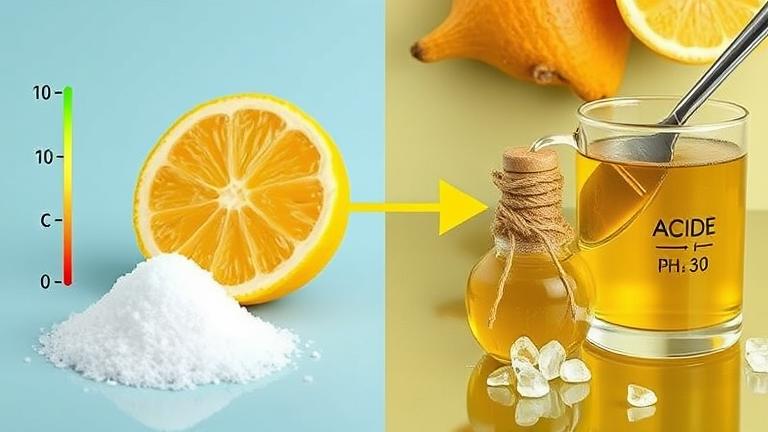
Understanding Acid in Food
Acids are common ingredients in many foods, from citrus fruits like lemons and oranges to vinegars and fermented products. They play a vital role in adding flavor, balancing sweetness, and helping to preserve perishable items. Knowing how acids work in food can help you improve your cooking and make healthier choices.
An acid is a chemical compound that has a sour taste and can turn litmus paper red. In foods, acids are naturally occurring or added for their tangy flavor or preservative qualities. For example, vinegar contains acetic acid, while citric acid gives lemons their sharpness. These acids give foods their bright, fresh taste and can also prevent bacteria from growing too quickly.
How Acids Influence Flavor
Acidity influences flavor in several ways. When you add lemon juice or vinegar to a dish, it brightens the flavors and can even mellow out sweetness or spiciness. A splash of acid can transform a bland sauce into something vibrant and well-rounded. However, too much acid can overpower the dish, making it overly sour or sharp.
Most cooks aim for a balanced acidity, which enhances the overall flavor profile. Taste testing is key add acids gradually and stop when the balance feels right. Remember, the acidity of a food can also change with cooking or storage, so tasting at different stages helps ensure the best flavor.
How Acids Help With Preservation
Acids have long been used to preserve foods by creating an environment that inhibits bacteria and mold growth. Pickling vegetables in vinegar, fermenting yogurt, or making kimchi all rely on acids to extend shelf life and keep foods safe to eat.
When acids lower the pH level, making the food more acidic, harmful bacteria like Salmonella and Botulinum are less likely to thrive. This is why foods with a pH below 4.6 are considered less prone to spoilage. Adjusting acidity levels by adding vinegar, lemon juice, or citric acid is a simple way to ensure your preserved foods last longer and stay safe.
Properties of Food Acids
Food acids share some key properties:
- They taste sour and tangy.
- They can act as preservatives by lowering pH levels.
- They influence the texture of foods, such as tenderizing meat or thickening sauces.
- They participate in chemical reactions that develop flavors, like in baking or fermentation.
Common Food Acids
Here are some common acids you might encounter in the kitchen:
- Citric acid – found in citrus fruits and used as a flavor enhancer or preservative.
- Vinegar (acetic acid) – used in dressings, pickling, and marinades.
- Lactic acid – produced in fermented dairy and vegetables.
- Malic acid – found in apples and other fruits, contributes to tartness.
- Ascorbic acid (vitamin C) – added as an antioxidant and preservative.
Tips for Handling Food Acids
- Always taste small amounts when adjusting acidity in recipes.
- Add acids gradually to avoid overpowering the dish.
- When pickling or fermenting, follow trusted recipes for safety and quality.
- Use appropriate protective gear, like gloves, when handling concentrated acids or using large quantities.
Understanding acids in food helps you appreciate their role in flavor, preservation, and food safety. With this knowledge, you can experiment confidently and improve your cooking whether brightening a salad dressing or creating delicious homemade pickles.
How Sugar Interacts with Acids
When you combine sugar with acids in foods and beverages, interesting chemical interactions happen that can change the flavor, texture, and even the appearance of what you’re making. Understanding how sugar and acids work together can help you improve recipes and create balanced dishes.
At a basic level, acids are compounds that give foods a sour taste, like lemon juice, vinegar, or yogurt. Sugar, on the other hand, adds sweetness and can mellow out sour flavors. When these two ingredients mix, the sugar can reduce the perception of acidity, making a dish taste sweeter and less tart.
This interaction is especially noticeable in drinks like lemonade or fruit smoothies. Adding sugar not only sweetens the drink but also balances the tanginess of the acid. If you taste an overly sour beverage, a little more sugar can make it more enjoyable without losing the fresh flavor.
How Sugar Affects Acidity Levels
From a chemical standpoint, sugar does not actually neutralize acids, but it influences how we perceive acidity. By coating the taste buds, sugar can decrease the sharpness of acids and create a smoother, more well-rounded flavor profile.
This is why sweetened foods often taste less acidic; the sugar masks some of the sourness. In cooking and baking, adding sugar can also cause acids to break down more easily or react differently. For instance, in jams and jellies, sugar binds with pectin, which is activated by the acid, helping the mixture set properly.
Impact of Sugar on Flavor Profiles
The interaction between sugar and acids can enhance certain flavors. For example, with citrus fruits like oranges or grapefruits, a touch of sugar can boost the fruit’s sweetness and bring out more complex flavor notes. It also helps balance bitter or tart elements, making the overall taste more appealing.
However, too much sugar can overpower delicate acid notes, so it’s important to find a good balance. Tasting as you go is key. Start with small amounts of sugar, then adjust gradually until the flavor feels just right.
Practical Tips for Cooking with Sugar and Acids
- When making dressings or sauces, add sugar slowly and taste frequently to get the perfect balance.
- If your baked goods turn out too tart, try adding a bit more sugar next time, especially in fruit-based recipes.
- In beverages like lemonade, dissolving sugar completely before mixing helps create a uniform flavor.
- Be mindful that heating can intensify flavors, so taste after cooking to decide if more sugar or acid is needed.
Common Mistakes to Avoid
- Adding too much sugar at once; it’s easier to add more if needed than to fix an overly sweet dish.
- Assuming all acids react the same; some, like citrus, are more forgiving, while others (like vinegar) can be overpowering if overused.
- Overcooking foods with sugar and acids; prolonged heat can cause caramelization or bitterness.
In summary, understanding how sugar interacts with acids can help you craft better recipes and achieve the taste you want. Whether balancing a tangy sauce or sweetening a fresh fruit dessert, a little knowledge of their chemical dance makes your cooking more successful and delicious.
Does Sugar Neutralize Acid?
When cooking or tasting foods, you might wonder if adding sugar can help balance out sour or acidic flavors. People often ask, “Does sugar neutralize acid?” and the answer is a bit more complex than a simple yes or no. Sugar doesn’t actually neutralize acids in the strict scientific sense, but it can help make acidic foods taste less sharp and more palatable.
In the kitchen, sugar acts as a flavor enhancer and a sweetener. When you add sugar to something like tomato sauce, lemon juice, or vinegar-based dressings, it doesn’t change the pH level or eliminate the acid. Instead, sugar interacts with your taste buds, reducing the perception of sourness. This process is called flavor balancing, and it makes the overall dish taste smoother and more balanced.
Scientists explain that our taste buds detect sour flavors when acids release hydrogen ions. Sugar, on the other hand, stimulates sweet receptors and masks some of that sour sensation. So, while the acidity remains, the sharpness is less noticeable. For example, when you make lemonade, a bit of sugar lessens the tartness, creating a softer, more enjoyable drink.
It’s important to understand the difference between neutralizing acids chemically and simply masking their flavor. Neutralization involves a chemical reaction where an acid reacts with a base to produce water and a salt, effectively reducing acidity. Sugar does not do this. Instead, it influences the way our palate perceives acidity.
There are some situations where adding sugar can help reduce the feeling of acidity. Baking a tart or a pie with plenty of sugar, for instance, results in a sweeter flavor profile that lessens the tartness. Similarly, in sauces or marinades, sugar adds a layer of richness that balances acidity without lowering the pH.
However, if your goal is to chemically neutralize acidity for example, in some medical or scientific applications sugar won’t do the trick. Instead, substances like baking soda or calcium carbonate are used to neutralize acids chemically.
Here’s a quick tip: if your dish is too acidic and you prefer a milder taste, start with a small amount of sugar. Taste as you go to avoid making it overly sweet. Remember, you can always add more, but you can’t easily remove excess sugar once it’s in.
In summary, sugar does not neutralize acids at a chemical level. Instead, it helps diminish the sour taste, making acidic foods more enjoyable. This is why it’s a common ingredient in recipes where balancing sharp flavors is desirable. So next time your recipe tastes too tangy, adding a bit of sugar might just do the trick to smooth things out.
Practical Tips for Balancing Flavors
Using sugar to balance or enhance acidic flavors is a common and helpful technique in both cooking and baking. Acidic ingredients like vinegar, lemon juice, or tomatoes can sometimes make a dish taste sharp or sour. Adding a touch of sugar can mute the acidity and create a more harmonious flavor.
Start by adding sugar gradually. It’s easier to adjust the sweetness in small steps than to fix an overly sweet dish later. Taste after each addition to check the balance. Usually, a teaspoon of sugar is enough for a sauce or soup, but feel free to adjust based on the quantity of your dish.
Remember, the goal isn’t to make your dish sweet but to round out the acidity. You want a gentle, balanced flavor, not a dessert-like sweetness. If you’re cooking a tomato sauce that tastes too tangy, stir in a little sugar, then taste and adjust as needed. A little goes a long way.
In baking, sugar also plays a key role in balancing flavors. For recipes with vinegar or citrus, such as key lime pie or lemon cookies, sugar helps soften the sharpness without overpowering the main flavor. Measure carefully and taste the batter or filling if possible, so you don’t add too much.
One helpful tip is to combine sugar with other ingredients that manage acidity. For example, a pinch of baking soda can neutralize acidity and produce carbon dioxide, which helps the dish rise or become tender. Use this method cautiously and sparingly, as too much baking soda can change the flavor or texture.
If you’re working with a dish that’s too sour, besides sugar, consider adding a creamy element like butter, cream, or cheese, which also helps mellow acidity. Combining these tips often results in a richer, more balanced flavor profile.
It’s easy to make the mistake of oversweetening, especially in sauces or dressings. Always add sugar in small amounts, wait for your taste buds to adjust, and remember that acidity can be balanced in multiple ways. Sometimes, a splash of water or stock can also help soften intense flavors.
- Use high-quality sugar for the best flavor adjustment.
- Combine sugar with other balancing ingredients like butter or dairy for richer flavor.
- In baking, measure sugar carefully to maintain recipe accuracy.
- Taste frequently to avoid overshooting the balance.
In summary, a little sugar can go a long way in balancing acidic flavors, but always add gradually. Combine this with other ingredients and tasting to craft a dish that is bright, well-rounded, and delicious.
Common Questions About Sugar and Acid
Many home cooks are curious about how sugar and acids work together in food. They are key ingredients in recipes like lemonade, pickles, and baked goods. Understanding their roles can help you improve your cooking and avoid common mistakes.
What is the role of sugar in food that contains acids?
Sugar not only adds sweetness but also balances acidity. When you combine sugar with acidic ingredients like lemon juice or vinegar, it helps mellow the sharp, tangy flavor. This creates a more pleasant taste, especially in drinks, jams, and salads.
For example, in lemonade, sugar reduces the tartness of lemon juice, making it enjoyable without being too sour. In baking, sugar interacts with acids to help the dough rise and develop a nice texture.
Can I reduce the sugar in recipes with acids?
Yes, you can usually cut back on sugar, but it depends on the dish. Reducing sugar might make the food less sweet, but it can also affect texture and preservation. For example, in jams, less sugar may mean they don’t set properly or spoil faster.
Start by cutting sugar gradually and taste as you go. Keep in mind that some recipes rely on sugar to balance acidity or act as a preservative. If you’re reducing sugar significantly, consider adding more fruit or other natural sweeteners for flavor.
Do acids spoil food or reduce shelf life?
Acids like vinegar and citric acid can actually help preserve food. They create an environment that bacteria find hard to grow in, extending shelf life. This is why pickles, chutneys, and some sauces last longer in the fridge or pantry.
However, sugar also helps preservation, especially in jams and jellies. Combining sugar and acid provides a double boost for long storage. But keep in mind, once opened, these foods should be refrigerated and eaten in time.
Does adding sugar affect the acidity of food?
Adding sugar does not change the pH or acidity level of food. It only masks or balances the flavor. If a recipe calls for lemon juice, adding sugar won’t make it less acidic, but it will make the tang less harsh.
If you want to lower acidity, you’ll need to add neutralizing agents like baking soda. But be careful: adding baking soda can cause fizzing and change the flavor. Eventually, it can turn the food into a milder, less sour dish.
Are there health considerations when mixing sugar and acids?
- Consuming too much sugar can lead to health issues like weight gain and cavities.
- High acidity can upset digestion or harm tooth enamel if consumed excessively.
- Balance is key: enjoy sweet and tangy foods in moderation for a healthy diet.
For healthier options, try reducing sugar where possible or using natural alternatives like honey or agave syrup. Additionally, combining acidic foods with fiber-rich ingredients like fruits and vegetables can aid digestion.
Helpful Tips:
- Experiment safely by adjusting sugar in recipes to suit your taste.
- Remember that sugar and acids work best together to create balanced flavors.
- Store pickles, jams, and sauces properly to maximize shelf life and safety.