
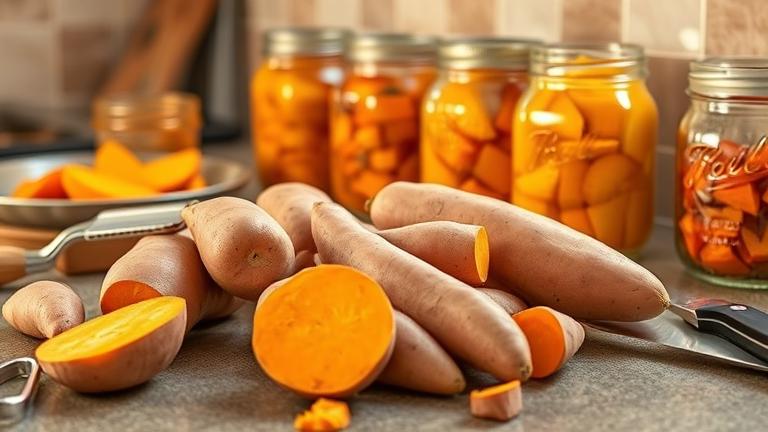
Best Storage Methods for Sweet Potatoes
Storing sweet potatoes properly is key to keeping them fresh, flavorful, and nutritious for as long as possible. When stored correctly, sweet potatoes can last from one to two weeks or even longer. The main goal is to create an environment that minimizes moisture loss and prevents spoilage.
Firstly, it is best to keep sweet potatoes in a cool, dark, and well-ventilated place. Avoid storing them in the refrigerator, as the cold temperature can turn the starches into sugars, affecting their flavor and texture. Instead, a pantry, cellar, or a wire basket in a dark closet works well.
Ideal Storage Conditions
- Temperature: Aim for a temperature around 55 to 60 degrees Fahrenheit (13 to 16 degrees Celsius). Too cold and they might sprout or develop a hard core; too warm and they may spoil faster.
- Humidity: Sweet potatoes prefer dry conditions. High humidity can cause mold and rot. Keep the storage area dry and avoid washing before storing.
- Light: Keep sweet potatoes out of direct sunlight. Light can stimulate sprouting and cause them to spoil faster.
- Air Circulation: Ensure good air circulation around the potatoes. Use a breathable container like a cardboard box, basket, or paper bag instead of plastic, which traps moisture and encourages decay.
Recommended Containers for Storage
Choosing the right container helps maintain the sweet potatoes’ quality. Here are some options:
- Paper Bags: Create a breathable environment, preventing moisture buildup. Punch a few small holes for extra ventilation.
- Cardboard Boxes: Provide good airflow if kept open or with small holes. Line with paper to absorb excess moisture.
- Woven Baskets or Mesh Bouches: Excellent for air circulation and keeping sweet potatoes dry.
- Avoid Plastic Bags: Plastic traps humidity and can lead to mold and rot. Only use if they are perforated for airflow.
Tips for Long-Term Storage
- Inspect sweet potatoes regularly and remove any that show signs of spoilage, such as soft spots, mold, or sprouting.
- Avoid washing sweet potatoes before storage. Wash them only when you plan to use them to prevent excess moisture.
- Store away from onions or other produce that release gases, which can accelerate spoilage.
- If sweet potatoes start sprouting, you can still use them, but the sprouts should be removed before cooking.
By following these storage tips, you can extend the life of your sweet potatoes and enjoy their natural sweetness and nutrition for days or even weeks. A little attention to their environment can make a big difference in keeping them fresh and tasty.
Tips to Keep Sweet Potatoes Fresh Longer
If you want your sweet potatoes to stay fresh for as long as possible, it’s helpful to know some simple storage tricks. Proper handling and control of temperature and humidity can make a big difference. With a few easy tips, you can prevent spoilage and enjoy delicious sweet potatoes for weeks.
Start by choosing healthy sweet potatoes when shopping. Look for ones that are firm, smooth, and free from cracks, bruises, or sprouted eyes. Damaged or soft sweet potatoes are more likely to spoil quickly. Handle them gently to avoid bruising, which can invite mold or rot.
Optimal Storage Conditions
- Temperature: Keep sweet potatoes in a cool, dark place ideally between 55°F and 60°F (13°C to 16°C). A pantry, cellar, or cupboard works well.
- Humidity: High humidity helps prevent the sweet potatoes from drying out. Aim for around 60-70% humidity. You can place a damp cloth nearby or keep them in a breathable basket to maintain moisture.
- Light: Exposure to light can cause sweet potatoes to sprout or sprout prematurely. Store them in an opaque container or dark cabinet.
Proper Handling
Always handle sweet potatoes carefully. Avoid stacking them too high to prevent bruising and damage on the bottom layers. If they arrive with dirt, gently brush off excess soil without washing until you’re ready to use them. Excess moisture can promote mold, so store them dry.
Additional Storage Tips
- Keep sweet potatoes away from refrigerated areas. Cold temperatures below 50°F (10°C) can cause their flesh to develop a hard texture and a bad taste.
- Limit exposure to air by storing sweet potatoes in breathable containers such as paper bags, baskets, or mesh bags. Avoid plastic wrap or sealed plastic containers, as trapped moisture can spoil them faster.
- If your sweet potatoes begin to sprout or develop soft spots, use the sprouted or damaged parts first. You can still cook the remaining good parts.
Signs of Spoilage and What to Do
Keep an eye on your stored sweet potatoes. Soft spots, wrinkles, a foul smell, or mold are signs you should discard them. Sometimes, a small sprout can be trimmed away, and the rest is still good to use.
Summary of Storage Times
| Storage Method | Ideal Conditions | Approximate Storage Time |
|---|---|---|
| Pantry in a breathable container | Cool, dark, dry, 55-60°F | 1 to 3 weeks |
| Refrigerator (not recommended) | Cold, below 50°F | Up to 1 week, but may affect texture |
By following these practical tips, you can extend the freshness of your sweet potatoes and enjoy their sweet, nutty flavor for longer. Remember, gentle handling and the right storage environment are key to keeping sweet potatoes delicious whenever you need them.
Common Mistakes When Preserving Sweet Potatoes
Preserving sweet potatoes can be a great way to keep this tasty root vegetable fresh for months. However, many home cooks make simple mistakes that can spoil the flavor, texture, or even safety of their preserved sweet potatoes. Knowing these common errors and how to avoid them will help ensure your sweet potatoes stay delicious and safe to eat for a long time.
One of the most widespread mistakes is storing sweet potatoes in the wrong environment. Sweet potatoes prefer a cool, dry, and dark place. Storing them in the refrigerator can cause their flesh to become hard and develop an unpleasant texture. It can also cause the sugars to convert into starch, which affects the flavor. Instead, keep sweet potatoes in a well-ventilated pantry or cellar at around 55 to 60 degrees Fahrenheit. Avoid places that are damp or expose the sweet potatoes to sunlight.
Another common error is washing sweet potatoes before storage. While rinsing before cooking is fine, washing them before preservation can introduce moisture that promotes mold or rot. If you plan to store them for a long time, it is best to keep them unwashed until you are ready to prepare and eat them. When you do wash them, make sure to dry them thoroughly to prevent excess moisture.
Many people also make mistakes during the preservation process itself. When freezing sweet potatoes, some forget to blanch them first. Blanching involves briefly boiling or steaming the sweet potatoes to kill bacteria and enzymes that cause spoilage. Skipping this step can shorten their shelf life and affect texture. To properly preserve sweet potatoes through freezing, peel and cut them into uniform pieces, then blanch in boiling water for a few minutes before shocking them in ice water. Drain thoroughly and pack in airtight containers or freezer bags.
Canning is another popular method, but it’s important to follow recommended guidelines. Using the wrong pressure or not processing jars long enough can result in unsafe storage and the risk of botulism. Always use tested recipes with precise processing times and pressure settings. Never reuse old jars or lids, as they may not seal properly. Proper sealing and processing ensure your preserved sweet potatoes are safe and retain quality.
Another mistake is overfilling jars or containers. Leaving some headspace the space between the food and the lid is essential. It allows for expansion during freezing or processing and prevents jars from breaking or foods from spoiling. Check guidelines on how much headspace is needed for each preservation method.
Finally, forgetfulness about labeling can lead to confusion about storage time. Sweet potatoes preserved by freezing or canning have recommended shelf lives. Make sure to label your jars or bags with the date of preservation. This way, you’ll know when it’s time to enjoy or replace your stored sweet potatoes to maintain freshness.
- Store sweet potatoes in a cool, dark, dry place avoid the refrigerator.
- Keep unwashed until ready to use; dry thoroughly if washed beforehand.
- Blanch before freezing to preserve flavor and texture.
- Follow tested canning recipes and processing times carefully.
- Leave appropriate headspace in jars or containers.
- Label preserved sweet potatoes with date of storage.
By avoiding these common mistakes, you’ll enjoy sweet potatoes that stay fresh, tasty, and safe for longer. Proper preservation not only saves time and money but also guarantees that your sweet potatoes retain their delicious flavor when you’re ready to enjoy them.
How to Extend Sweet Potato Shelf Life
Sweet potatoes are a delicious and nutritious addition to many meals, but they can spoil quickly if not stored properly. Luckily, there are simple methods to extend their freshness and keep them usable for longer periods. By following a few practical tips, you can make your sweet potatoes last weeks instead of days, reducing waste and saving money.
The key to extending sweet potato shelf life starts with proper storage. Keep in mind that sweet potatoes prefer a cool, dark, and well-ventilated environment. Avoid refrigeration, as the cold temperature can cause their centers to become hard or develop an unpleasant taste. Instead, focus on creating the ideal conditions for storage at room temperature.
Optimal Storage Conditions
- Choose the right spot: Store sweet potatoes in a pantry, cellar, or a kitchen cabinet away from direct sunlight and heat sources like the oven or stove.
- Temperature matters: Keep the storage area between 55-60°F (13-16°C). Too warm and they may sprout or rot; too cold and they can develop a hard core.
- Ensure good airflow: Use a mesh bag, basket, or perforated container. This allows air circulation, preventing moisture buildup that can lead to mold or decay.
Handling Before Storage
Before storing sweet potatoes, handle them gently to avoid bruises, which can speed up spoilage. Do not wash them until you’re ready to use, because excess moisture promotes mold growth. If they are dirty, carefully brush off the dirt with a soft brush or dry cloth.
Preservation Techniques
Besides traditional storage, there are other ways to preserve sweet potatoes for longer. These methods are especially useful if you have a harvest or buy in bulk.
- Freezing: Sweet potatoes can be frozen after cooking. First, peel and cut them into desired shapes. Blanch in boiling water for 2-3 minutes, then cool quickly in ice water. Drain well, pack in airtight containers or freezer bags, and label with the date. Frozen sweet potatoes are best used within 10-12 months.
- Dehydrating: Thinly slice sweet potatoes and use a food dehydrator or oven on low heat (around 135°F or 57°C). Once completely dry and crispy, store in a sealed container in a cool, dark place. These make great snacks or add-ons for soups and stews.
- Canning: While more complex, pressure canning sweet potatoes is an option for long-term storage. This process requires special equipment and careful attention to safety guidelines.
Extra Tips for Longevity
- Check regularly: Inspect stored sweet potatoes every week. Remove any that show signs of sprouting, softening, or mold to prevent others from spoiling.
- Avoid storing near ethylene-producing fruits: Keep sweet potatoes away from apples or bananas, which emit gases that can accelerate ripening and spoilage.
- Use them early: Even with good storage, sweet potatoes are best enjoyed within 3-4 weeks for optimal flavor and texture.
By paying attention to storing conditions, handling, and preservation methods, you can enjoy fresh, tasty sweet potatoes for much longer. With a little planning, you’ll reduce waste and make the most of this versatile vegetable.
FAQs on Sweet Potato Preservation
If you’re wondering how to keep your sweet potatoes fresh and tasty for as long as possible, you’ve come to the right place. Preserving sweet potatoes properly helps prevent spoilage and makes meal planning easier. Here are some common questions and helpful answers to guide you in sweet potato preservation.
How should I store fresh sweet potatoes?
Keep sweet potatoes in a cool, dark, and well-ventilated place. A pantry or cellar works well. Avoid storing them in the refrigerator, as cold temperatures can change their texture and flavor. Ideally, store sweet potatoes at temperatures between 55-60°F (13-16°C). Make sure they are kept away from direct sunlight and moisture, which can lead to sprouting or rotting.
How long can sweet potatoes stay fresh?
When stored properly, sweet potatoes can last for about 1 to 2 weeks. If you want to extend their shelf life, keep them in a cool, dark area with good airflow. Check your sweet potatoes regularly for signs of sprouting or decay. Use any that start to sprout or soften quickly to prevent waste.
Can I freeze sweet potatoes?
Yes, you can freeze sweet potatoes, but it’s best to cook them first. Raw sweet potatoes tend to become mushy when frozen and thawed. To prepare, wash, peel, and cut them into your preferred shape. Blanch the pieces in boiling water for a few minutes to stop enzyme actions that can cause spoilage. Then, drain, cool, and pack them in airtight containers or freezer bags. Properly stored, they can last for up to 6 months in the freezer.
What is the best way to preserve cooked sweet potatoes?
Cooked sweet potatoes can be stored in the refrigerator for 3 to 5 days. For longer storage, freeze cooked sweet potatoes. Let them cool completely, then transfer into airtight containers or freezer bags. Label the bags with the date. When ready to enjoy, thaw in the fridge or reheat directly from frozen in the microwave or oven.
Can I preserve sweet potatoes by drying or dehydrating?
Absolutely! Drying sweet potatoes helps preserve their flavor and nutrients. You can use a food dehydrator or an oven set to a low temperature (around 135°F or 57°C). Slice the sweet potatoes thinly, arrange on trays or baking sheets, and dry until crisp. Store dried sweet potato slices in airtight containers in a cool, dark place for up to a year. They make excellent healthy snacks and can be rehydrated in soups or stews.
Are there safety tips I should keep in mind?
- Always inspect sweet potatoes before storing or consuming. Discard any that are moldy, soft, or have a foul smell.
- Store sweet potatoes away from onions and other produce that release ethylene gas, which can quicken spoilage.
- Wash hands and utensils thoroughly before handling sweet potatoes to prevent contamination.
- If you notice sprouts, you can remove them and still use the potato, but discard any with greenish patches, as they can be toxic.
By applying these preservation tips, you can enjoy your sweet potatoes longer while maintaining their flavor and nutrition. Experiment with different storage methods to see what works best for your kitchen and lifestyle.