
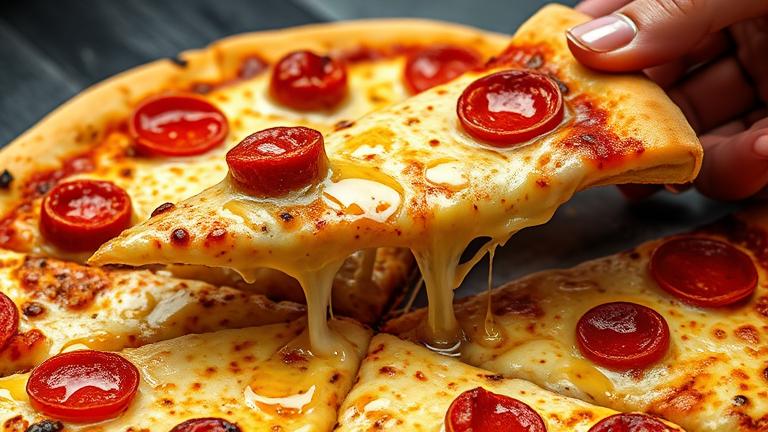
What Causes Greasiness in Pizza
Have you ever taken a bite of pizza and felt it was overly greasy? Greasiness in pizza is a common concern and can happen for several reasons. Understanding what causes this can help you make better choices when preparing or ordering pizza, ensuring a delicious, balanced slice every time.
One of the main factors is the type of ingredients used, especially the cheese and meats. Some cheeses, like mozzarella, can release a lot of oil when melted. This is perfectly normal, but if you use a very high-fat cheese or a large amount of it, your pizza may turn out greasier. Similarly, meats like pepperoni and sausage contain fat that melts during baking, often pooling on top of the pizza. Choosing leaner meats or using smaller amounts can reduce excess grease.
Another common contributor is the dough and sauce choices. If the dough is too thick or has a high oil content, it can trap and release grease more easily. Likewise, a sauce that is oily or made with a generous amount of oil can add to the greasy texture. Using less oil in the sauce, or opting for a thinner layer, can help keep your pizza lighter.
Preparation methods also play a big role. For example, baking at too high a temperature or for too long can cause the fats and oils to separate from the ingredients more readily. When pizza is cooked evenly and at the right temperature, the fats tend to stay where they belong— in the cheese and meats, not all over the crust.
Sometimes, the way you handle your ingredients can make a difference too. For instance, if you overload your pizza with toppings, especially oily ones, the excess moisture and fat can lead to greasiness. Spreading out ingredients more evenly and avoiding piling on too many greasy toppings will give you a better balance.
There are also common mistakes that can cause pizza to be greasier than desired. For example, using low-quality cheese that releases more oil or not draining excess fat from prepared meats. Additionally, skipping a pre-baked crust or not using enough flour or cornmeal to prevent sticking can affect how the fats behave during baking.
To sum up, greasiness in pizza mainly comes down to ingredient choices and how you handle them during preparation. Selecting the right cheese, meats, and sauce, and baking at appropriate temperatures can make a big difference. Remember, a little grease is normal and can add flavor, but controlling the amount helps keep your pizza environment delicious and less oily.
Common Ingredients Making Pizza Greasy
When it comes to pizza, ingredients like cheese, meats, and oils can contribute to a greasy slice. Many home cooks love the rich, indulgent feel of a greasy pizza, but too much of certain ingredients can make it feel heavy and soggy.
Understanding which ingredients make pizza greasy and how they impact texture helps you create a balanced, delicious pie. Let’s explore the usual suspects and how they influence greasiness.
Cheese and Its Greasy Factors
Cheese is one of the main toppings that can add greasiness to pizza. The most common cheese used is mozzarella, which naturally contains fats. When melted, these fats can separate and become visible as oil on the surface.
High-moisture mozzarella tends to produce less oil, while low-moisture, part-skim mozzarella can sometimes lead to a greasier pizza because it releases more fat when melted.
Tip: Consider blending cheeses. Using part-skim mozzarella mixed with other cheeses like provolone or Parmesan can give good flavor without adding too much grease.
Meats That Increase Greasiness
Popular pizza meats such as pepperoni, sausage, and bacon are known for their high fat content. When cooked, these meats release their oils, often pooling on top of the pizza.
For example, pepperoni slices contain a lot of fat that melts and spreads as they cook, making the pizza look extra oily. Bacon and sausage are also rich in fat, which can make the crust soggy if not managed carefully.
Tip: To reduce grease, look for leaner meat options or pre-cook and drain excess fat before adding them to your pizza.
Oils and Fats Used in Preparation
Adding oils like olive oil or butter directly to the crust or toppings can also increase greasiness. While a light drizzle can enhance flavor and help with browning, too much oil can make your pizza overly greasy.
Some recipes call for brushing the crust with oil for crunch and color, but it’s best to keep it moderate.
Tip: Use a thin layer of oil or spray oil lightly on the crust instead of pouring large amounts. This gives a crisp crust without extra grease.
How Grease Affects Texture
Greasy ingredients can impact the pizza’s texture in several ways. Excess oil can cause the crust to become soggy, especially if the pizza sits for a while. It can also make finishing bites greasy and less enjoyable.
To keep your pizza from becoming too greasy, consider balancing greasy toppings with lighter ones like vegetables or herbs. Baking at proper temperatures can also help excess fats evaporate, reducing oil pooling.
Practical Tips to Minimize Greasiness
- Drain excess fat from meat toppings before placing them on your pizza.
- Use a pizza stone or perforated pan to help excess oils drip away during baking.
- Avoid overloading toppings, especially greasy meats and cheese, to keep the pizza balanced.
- Add toppings like fresh herbs after baking to add flavor without extra grease.
By keeping an eye on these common ingredients that contribute to greasiness, you can craft a pizza that’s just the right amount of rich and flavorful without being overly oily. A little balance makes a big difference in achieving that perfect slice!
Health Tips: Less Greasy Pizza Options
Pizza is a favorite comfort food for many, but it can sometimes be overly greasy. Luckily, there are simple tips and ingredient swaps that can make your homemade pizza healthier without sacrificing flavor.
Reducing grease starts with choosing the right ingredients and cooking techniques. Small changes can have a big impact on how light and fresh your pizza feels. Let’s explore some practical ways to enjoy pizza that’s less greasy and still delicious.
1. Choose Leaner Proteins
Opt for leaner meats like chicken breast, turkey, or vegetarian options such as beans or sautéed vegetables. If you love pepperoni or sausage, look for versions with less fat. You can also try plant-based protein toppings, which tend to release less grease during baking.
Cooking meats beforehand can help drain extra fat. For example, browning sausage and then draining it on paper towels reduces the amount of oil on your pizza.
2. Use Less Cheese or Choose Lower-Fat Varieties
Cheese is often a major source of grease on pizza. Try using a smaller amount or switching to lower-fat versions. Part-skim mozzarella or ricotta cheese are good options that melt well and cut down on excess oil.
You can also mix small amounts of cheese with Parmesan or nutritional yeast for added flavor without extra greasiness.
3. Opt for Whole Grain or Thin Crust
Thicker crusts tend to hold more oil and fat, making the pizza seem greasier. Thin crust or whole grain options are generally lighter and can reduce the overall oil content.
Crusts made with healthier ingredients also add fiber and nutrients, boosting the nutritional value of your pizza.
4. Use Olive Oil Sparingly and Choose Heart-Healthy Oils
While olive oil is a healthier choice compared to some processed fats, using it sparingly can still help keep your pizza less greasy. Brush a thin layer on the crust before baking or drizzle lightly on top after baking.
Avoid excessive amounts of butter or oily sauces, and look for healthier alternatives like pesto or tomato sauce with no added oils.
5. Incorporate Vegetables for Natural Moisture
Adding plenty of vegetables such as bell peppers, spinach, mushrooms, and zucchini naturally boosts moisture content without adding fat. These ingredients also add flavor and nutrients while keeping grease levels low.
Pre-cook or sauté vegetables to draw out excess water, preventing sogginess and excess oil during baking.
6. Proper Baking Techniques
Pre-baking your crust slightly before adding toppings can help prevent sogginess and reduce excess oil absorption. Using a pizza stone or baking sheet can promote even cooking and help keep the pizza crisp.
Allow the pizza to cool briefly after baking. This step helps excess oil to drip away and solidify, making each slice less greasy.
7. Keep an Eye on Sauces
Some sauces, especially creamy or fatty ones, can add extra greasiness. Opt for tomato-based sauces or homemade options with less oil and salt. Adding herbs and spices can boost flavor without relying on greasy toppings.
Using fresh ingredients in your sauces also improves flavor and healthiness.
- Practice moderation with cheese and fatty meats.
- Pre-cook and drain high-fat ingredients before topping.
- Choose lighter crusts and load up on vegetables.
- Use oils wisely and select healthy fats.
By making these small adjustments, you can craft a pizza that’s tasty, satisfying, and much less greasy. Enjoy your healthier homemade pizza with confidence and a smile!
How to Reduce Grease While Cooking Pizza
Cooking pizza can sometimes result in a lot of grease, especially if you’re using high-fat toppings or a greasy cheese. If you want to make a less oily pizza, there are simple techniques and methods you can follow to cut down on excess grease during both preparation and baking. These tips will help you enjoy a delicious pizza without the greasy aftermath.
Choose Less Greasy Ingredients
The first step to minimizing grease is selecting your ingredients wisely. Some toppings tend to be more greasy than others. For example, meats like pepperoni and sausage are quite fatty and can release a lot of oil when cooked. Instead, opt for leaner meats such as chicken or lean turkey slices.
When it comes to cheese, mozzarella is often used for its melty texture, but some brands contain higher fat content. Consider using low-fat cheese options or mixing a small amount of full-fat cheese with lower-fat alternatives to reduce grease. Fresh vegetables like bell peppers, mushrooms, and spinach add flavor without extra oil.
Prepare Toppings to Drain Excess Oil
Before adding toppings to your pizza, take a moment to drain or pat them dry. For instance, if you’re using canned vegetables or pre-cooked meats, drain any liquid or oil that has accumulated. Using paper towels, gently pat greasy toppings dry to remove surface excess oil.
This simple step helps prevent additional grease from melting onto your pizza during baking, resulting in a less oily final product. It also helps toppings stick better to the dough without sliding around.
Use a Pizza Stone or Baking Sheet
Choosing the right baking surface can also help reduce grease buildup. A pizza stone absorbs moisture and helps crisp the crust, which can prevent grease from seeping into the dough. If you don’t have a stone, a perforated baking sheet or a pizza pan with holes allows grease to drain away from the pizza as it bakes.
Line your baking surface with parchment paper or a silicone baking mat to catch any drips and make cleanup easier. This step keeps your oven cleaner and reduces lingering grease smell.
Apply a Thin Layer of Sauce and Less Cheese
Sometimes, using too much sauce or cheese can contribute to greasiness. To keep your pizza lighter, spread a thin layer of tomato sauce evenly over the dough. Then, sprinkle a moderate amount of cheese rather than piling it on. Less cheese means less fat and less oil that can bake out during cooking.
You can also try using cheese blends that incorporate lower-fat varieties. For added flavor, add herbs, spices, or a splash of olive oil in moderation.
Optimize Baking Method and Temperature
Cooking at a higher temperature, around 475°F to 500°F (245°C to 260°C), helps the pizza cook quickly and reduces fat melting out excessively. Bake the pizza on the lowest rack in your oven so that heat circulates evenly.
Check your pizza frequently towards the end of baking. Removing it as soon as the crust is golden and cheese bubbly prevents over-melting that can lead to extra grease pooling.
After Baking Tips
Once your pizza is out of the oven, place it on a wire rack for a few minutes. This allows excess oil, which can accumulate on the surface, to drain off naturally. If you notice a lot of greasy spots, gently blot the surface with paper towels to absorb some of the oil.
By following these simple tips, you can enjoy delicious, less greasy pizza. Remember, selecting the right ingredients and baking methods make a big difference in keeping the grease under control.
Fun Facts and FAQs About Greasy Pizza
Ever wondered why some pizzas are greasy while others seem just right? Greasy pizza is a common delight for many, but there’s more to it than just a rich, melt-in-your-mouth experience. Let’s explore some fun facts and answer some questions to help you understand why pizza gets greasy and how to control it.
What Makes Pizza Greasy?
Greasy pizza often results from the type and amount of cheese, toppings, and oil used during preparation. Cheese, especially mozzarella, contains fat that melts when heated, creating that shiny, oily look. Toppings like pepperoni or sausage release their own fats during cooking, adding to the greasiness. The crust, if brushed with oil or butter, can also contribute to a greasier finish. Sometimes, a combination of these factors leads to that irresistible, greasy slice.
Are Some Pizzas Greasier Than Others?
Yes, certain styles of pizza tend to be greasier. For example, New York-style pizza often has a thin crust with lots of cheese and oily toppings, making it quite greasy. In contrast, a pizza with a whole wheat or gluten-free crust might be less greasy even if topped generously. Also, pizzas with extra cheese or processed meats are generally more oily. So, the kind of pizza you choose influences its greasiness.
Is Greasy Pizza Healthy?
Greasy pizza isn’t usually considered the healthiest option because of its high fat and calorie content. However, enjoying it occasionally can be part of a balanced diet. The fats in pizza come from cheese and processed meats, which can contribute to health issues if eaten in excess. To make your pizza a bit healthier, consider adding more vegetables, using less cheese, or choosing leaner toppings. Remember, moderation is key!
How Can I Reduce Greasiness When Making Pizza at Home?
If you’re baking pizza at home and want to cut down on greasiness, here are some tips:
- Use lower-fat cheese options or sprinkle cheese sparingly.
- Drain excess fats from toppings like pepperoni or sausage before adding them to the pizza.
- Pre-bake or partially cook greasy toppings to remove some oil before placing them on your pizza.
- Opt for a thicker crust that can absorb some of the excess oils instead of a very thin crust.
- Place the pizza on a rack during baking to help excess oil drip away.
Can I Remove Grease From My Pizza?
Absolutely! If your pizza comes out overly greasy, you can blot it with paper towels to soak up some of the oil. Another trick is to place slices on a paper towel for a minute or so to absorb extra grease before eating. Keep in mind, a little bit of grease is part of the deliciousness, but these steps can help if you prefer a less oily slice.
Fun Fact:
In some regions, chefs intentionally add a drizzle of oil or butter on top of the pizza after baking to enhance flavor and give a glossy finish. This can make the pizza appear extra greasy but adds richness to every bite.