
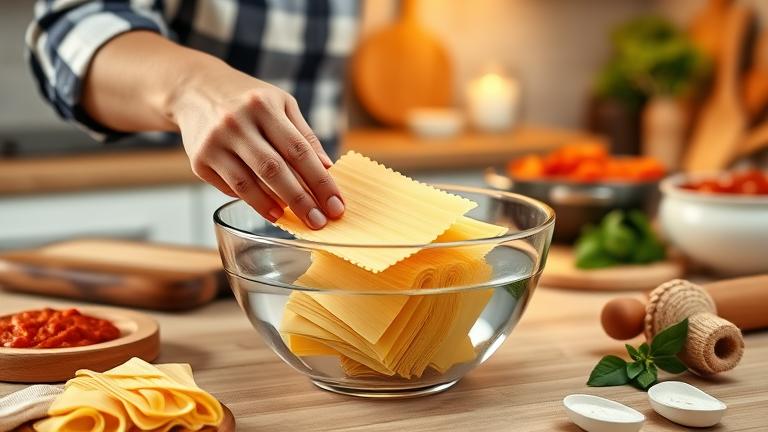
Why Soaking Lasagna Noodles Matters
Soaking lasagna noodles might not be something everyone thinks about, but it can make a big difference in how your dish turns out. Whether you’re using traditional dried noodles or fresh ones, soaking helps prepare the noodles for a smoother cooking process and better texture. It’s especially helpful if you want to avoid boiling, which can sometimes make the noodles stick together or become mushy.
When you soak lasagna noodles, they become softer and more pliable. This means they’ll cook evenly and are easier to layer in your dish. If the noodles are too dry or stiff, they may crack or break when you try to handle them. Soaking helps prevent that by softening them up in advance. Plus, it reduces the need for extra boiling, saving you time and energy in the kitchen.
There are a few benefits to soaking lasagna noodles. First, it speeds up the assembly process. Instead of boiling and waiting for them to cook fully before layering, you can simply soak the noodles and assemble your lasagna more quickly. Second, soaking helps the noodles absorb moisture, which can result in a creamier, more cohesive final dish. This is especially true in no-boil lasagna recipes, where soaking is almost essential.
Before you start soaking, consider the type of noodles you’re using. Traditional dried lasagna noodles typically need to soak for about 20 to 30 minutes in warm water, but follow the instructions on your package if provided. For fresh noodles, a quick dip in warm water for a few minutes is usually enough. Keep in mind that soaking time can vary depending on the thickness and brand of the noodles, so it’s worth checking the package directions.
Another point to keep in mind is the water temperature. Warm or hot water will soften the noodles faster than cold water. Just avoid boiling water, as that can cook the noodles partially, making them overly soft or sticky. Use a large bowl or dish to fully submerge the noodles, ensuring they soak evenly. Stir gently to prevent them from sticking together as they soften.
Some cooks prefer soaking their noodles in plain water, while others add a pinch of salt or a splash of olive oil. Salt can enhance flavor slightly, and olive oil helps prevent sticking. Just remember not to soak the noodles for too long, especially if they’re fresh, as they can become overly soft and difficult to handle.
In summary, soaking lasagna noodles is a simple step that can improve your cooking experience. It softens the noodles, reduces cooking time, and helps create a better texture in your final dish. Just be sure to consider the type of noodles, the temperature of your soaking water, and the recommended soaking time to get the best results. With this handy tip, making lasagna becomes even easier and more enjoyable!
Best Methods for Soaking Noodles Properly
Soaking noodles properly is an important step to ensure they cook evenly and turn out just right. Whether you’re preparing lasagna noodles or other pasta types, knowing the best soaking method can save you time and prevent clumping or sticking. Here, we’ll guide you through some popular and effective techniques so your noodles come out perfect every time.
One common method is soaking noodles in hot water, which softens them quickly and makes cooking easier. This is especially useful if you’re short on time or want to prevent overcooking. Cold water soaking, on the other hand, helps keep the noodles in good shape for recipes like no-boil lasagna. Each method has its benefits, and choosing the right one depends on your recipe and schedule.
Soaking in Hot Water
This method is fast and convenient, ideal for dried lasagna noodles or other pasta that needs softening before boiling. To do it:
- Place the noodles in a large bowl or deep dish. Make sure it’s big enough to hold all the noodles comfortably.
- Pour boiling water over the noodles, fully submerging them. Use enough water so the noodles can loosen and soften evenly.
- Cover the bowl with a plate or lid to trap the heat. Let the noodles soak for about 10 to 15 minutes, stirring occasionally to prevent sticking.
- Check the texture; they should be flexible but not mushy. Drain excess water before using in your recipe.
This method speeds up the process and helps prevent the noodles from breaking apart. Be careful not to leave them soaking too long, as excessive softening can make handling difficult.
Soaking in Cold Water
Cold water soaking is great for preparing lasagna noodles ahead of time, especially if you want to keep them firm and prevent sticking. Here’s how:
- Place the noodles in a large, shallow dish or tray.
- Cover them with cold water, making sure they are fully submerged.
- Let them soak at room temperature for about 30 minutes to an hour, depending on the thickness of the noodles.
- Rinse with more cold water if needed, then drain thoroughly before layering in your lasagna.
This gentle soaking helps maintain the noodles’ structure and can reduce sticking during baking. It’s perfect for no-boil lasagna, where the noodles absorb moisture during baking instead of boiling beforehand.
Additional Tips for Soaking Noodles
- Always check the package instructions first; some noodles are pre-cooked or require specific soaking times.
- If your noodles stick together after soaking, gently separate them with a fork or spoon before using.
- Use a large enough container to give the noodles space to soak without clumping.
- For added flavor, you can soak noodles in broth or seasoned water, especially for recipes that benefit from extra taste.
- Remember to drain soaking water well to prevent excess moisture from affecting your dish’s texture.
By choosing the right soaking method and following these simple steps, you’ll get perfectly prepared noodles ready to enhance your favorite lasagna or pasta dish. Experiment with hot or cold water based on your timeline and desired noodle texture to achieve the best results every time.
How Long Should You Soak Lasagna Noodles?
If you’re wondering how long to soak lasagna noodles, you’re not alone. Soaking times can vary depending on the type of noodles and the recipe you’re making. Proper soaking helps soften the noodles, making them easier to handle and preventing them from breaking during assembly. It also ensures even cooking and a tender, delicious lasagna.
Traditionally, many home cooks boil lasagna noodles until they’re al dente, but soaking is a great alternative if you want to save time or avoid excess water. Let’s explore the recommended soaking durations for different types of lasagna noodles and recipes.
First, it’s important to identify the type of noodles you’re using. The most common are dried lasagna sheets, fresh noodles, and no-boil (oven-ready) noodles. Each type requires a different approach.
For dried lasagna noodles, soaking can be done to soften the pasta before layering, especially if you prefer a less cooked, more tender texture. To soak dried noodles, place them in a large bowl and cover with hot water. Soaking time usually ranges from 30 minutes to 1 hour. Check the noodles after 30 minutes; they should be flexible and slightly softer but still hold their shape. If they’re not quite there, give them another 10–15 minutes.
For recipes where you’re skipping boiling altogether, soaking dried noodles in hot water for about 1 hour is ideal. This helps prevent the noodles from cracking or breaking when layering. If you’re in a rush, using warm water instead of hot can still work, but it may take a little longer around 1.5 hours for the noodles to become tender enough.
Fresh lasagna noodles, which are usually sold refrigerated or frozen, require less soaking or no soaking at all. If you need to soften them further, just a few minutes in hot water about 5–10 minutes will do the trick. Fresh noodles are soft and pliable, so they usually don’t need extensive soaking.
No-boil or oven-ready lasagna noodles are designed to cook directly in the oven. These noodles absorb moisture from the sauce during baking, so soaking beforehand is not necessary. However, if you want to ensure they aren’t too crunchy in the center, a quick soak in warm water for 10–15 minutes can help. Just make sure to drain them well before layering.
Here are some tips to keep in mind:
- Always use enough water to fully submerge the noodles.
- Placing a plate or lid over the bowl can help keep the water hot for better results.
- For an even softness, change the water if it cools down during soaking.
- If you’re soaking dried noodles, keep an eye on them. Over-soaking can make them too soft and prone to tearing.
- Adjust soaking times based on the thickness of your noodles and your desired texture.
Remember, the goal is to have noodles that are tender but still hold their shape when assembled. Soaking is a simple, effective way to achieve that, especially if you’re looking to skip boiling. Just plan ahead, give your noodles enough time to soften, and you’ll get perfect lasagna every time.
Tips to Avoid Over-Soaking Noodles
Over-soaking noodles is a common mistake that can leave your pasta or rice noodles soggy and lose their delightful texture. Whether you’re preparing fresh noodles or reheating leftovers, it’s important to keep an eye on the soaking process so they stay just right. Here are some friendly and practical tips to help you avoid over-soaking and keep your noodles perfect every time.
- Use a Timer: Always set a timer when soaking noodles. Check the package instructions for recommended soaking times, which are typically between a few minutes to half an hour depending on the type. Once the time is up, drain immediately to prevent further softening.
- Plan Your Soaking Schedule: Soak noodles just before you plan to cook them. If you soak too early, they may become overly soft by the time you’re ready to use them. Prepare everything else first, then soak right before cooking.
- Monitor the Noodles: Don’t walk away while soaking. Keep an eye on the noodles and taste a small piece to check their texture. They should be tender but still hold their shape. If they start to turn mushy, drain immediately.
- Adjust Water Temperature: Cold water soaking is gentler and helps control softness, especially for delicate noodles. Hot water speeds up the process but risks over-soaking. Use cold or room temperature water if you want more control.
- Limit Soaking Time for Fresh Noodles: Fresh noodles, like rice noodles or egg noodles, generally need less soaking time. Usually, 5 to 10 minutes is enough. Avoid leaving them in water for longer to prevent sogginess.
- Avoid Overloading Your Soaking Vessel: Make sure there’s enough space and water for all noodles to be evenly submerged. Crowding can lead to uneven soaking and make it harder to judge when they are ready.
- Drain Promptly: Once the noodles are at the desired tenderness, quickly drain them and rinse with cold water if necessary. This stops the cooking process and prevents continued softening.
Common Mistakes to Avoid
- Soaking noodles for too long, especially if you’re unsure of the timing.
- Ignoring the package instructions, which are tailored for the specific type of noodles you’re using.
- Using hot water unless the recipe explicitly calls for it, as it increases the risk of over-soaking.
- Not tasting during soaking to check the texture, relying only on time instead.
Following these simple tips helps you maintain the right noodle texture, making your dishes more enjoyable. With a little practice, you’ll become a pro at perfectly soaked noodles every time, avoiding the soggy or mushy pitfalls.
Quick FAQs on Lasagna Noodle Soaking
If you’re new to making lasagna or just trying to get your noodles right, soaking lasagna noodles can sometimes be confusing. Here are some common questions and practical answers to help you along the way.
Should I soak dry lasagna noodles before cooking?
Most traditional recipes don’t require soaking dry lasagna noodles before boiling. Instead, you generally cook them directly in boiling water until al dente. However, some quick-cook or no-boil noodles are designed to be soaked in hot water to soften before assembling your lasagna. Always check the package instructions for the type of noodles you’re using.
Can I soak lasagna noodles instead of boiling them?
Yes, you can soak lasagna noodles in hot water or milk if you want to skip boiling. This is especially handy if you’re short on time or want to avoid boiling water. Fill a large bowl with hot (not boiling) water, add the noodles, and let them soak for about 20-30 minutes until they are soft enough to layer. Just make sure they are fully submerged and keep an eye on the soaking time to prevent sogginess.
How long should I soak lasagna noodles?
The soaking time depends on the type of noodles. For no-boil or oven-ready lasagna noodles, soaking in hot water for 20-30 minutes usually works well. If you’re using traditional dry noodles, it’s best to boil them for about 8-10 minutes. Don’t leave the noodles in soaking water too long, or they might become mushy and difficult to layer.
What if my lasagna noodles are too soggy after soaking?
If your noodles turn out soggy or sticky, it might be because they soaked too long or in water that was too hot. To fix this, drain the noodles thoroughly and lay them flat on a clean towel to absorb excess moisture. Next time, try soaking for less time or in slightly cooler water. Also, remember that slightly under-soaking can help keep the noodles firm enough to layer without falling apart.
Tips for best results with soaked lasagna noodles
- Use a large enough bowl so noodles can relax without sticking together.
- Add a splash of oil or baking spray to the soaking water to help prevent clumping.
- Test a noodle after soaking to see if it’s soft enough for your liking before assembling the lasagna.
Soaking lasagna noodles can be a lifesaver for quick prep or when working with no-boil varieties. Just keep an eye on soaking times and water temperature, and you’ll be layering your delicious lasagna in no time!