
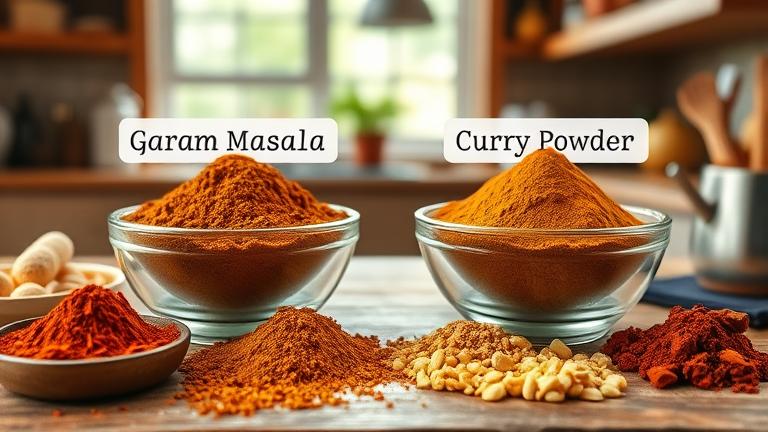
What’s Garam Masala? An Introduction
Garam masala is a popular spice blend used in many Indian dishes. Its name means “hot spices” in Hindi, but it doesn’t necessarily mean it makes food spicy. Instead, it refers to the warming, aromatic qualities of the spices. This blend is essential in Indian cooking and adds depth, flavor, and a hint of heat to many recipes.
Garam masala has a long history that dates back hundreds of years. It originated in India, where it was traditionally used in home kitchens and temples. Over time, each region and even each family developed their own version of the spice mix. Today, garam masala is enjoyed worldwide and often varies slightly depending on local preferences.
The basic ingredients of garam masala include a combination of spices that provide a rich, fragrant flavor profile. Common components are cumin, coriander, cardamom, cinnamon, cloves, black pepper, and bay leaves. Some recipes include nutmeg, star anise, or fennel seeds as well. The specific mix can differ from one chef to another, and the proportions also vary, making every blend unique.
Most garam masala is made by toasting the whole spices first to release their essential oils, which intensifies their aroma. After toasting, the spices are ground into a fine powder using a mortar and pestle or a spice grinder. This fresh ground mixture gives the best flavor, but many people also buy pre-made garam masala from stores for convenience.
Knowing what garam masala is and its basic ingredients helps you understand how it differs from other spice blends like curry powder. While curry powder contains a mix of spices with added turmeric and often includes non-spice ingredients like dried herbs or flour, garam masala tends to be a more straightforward spice mix that focuses on aromatic warm spices. It is usually added towards the end of cooking to preserve its delicate flavors.
- Tip: Store your garam masala in an airtight container in a cool, dark place. It keeps its flavor best for about 6 months, but it can last longer if kept properly.
- Common mistake: Adding garam masala too early in cooking can cause its aroma to diminish. It’s best to sprinkle it in once the dish is almost done for maximum flavor.
Whether you’re a home cook or a seasoned chef, understanding what garam masala is and its origins will help you use it more effectively. It can transform simple ingredients into flavorful, warming dishes that reflect the rich culinary traditions of India. Experimenting with this spice blend can turn everyday meals into something special.
What is Curry Powder? Key Features
Curry powder is a popular spice blend used to flavor dishes, especially in Indian and South Asian cuisine. It adds rich flavor, warmth, and aroma to stews, meats, vegetables, and even rice. Many home cooks keep a jar of curry powder in their spice cabinet because it’s versatile, easy to use, and brings a distinctive taste to various recipes.
The composition of curry powder can vary depending on the brand or regional style. Typically, it includes a mix of spices such as turmeric, coriander, cumin, fenugreek, ginger, and chili powder. Some blends add cinnamon, cloves, or cardamom for extra depth. Because of these different ingredients, curry powder offers a spectrum of flavors from earthy and mild to hot and spicy.
Traditional Uses of Curry Powder
Curry powder is most often used in Indian, Caribbean, and Southeast Asian cuisines. It is excellent for making flavorful stews like chicken curry, vegetable curry, and lentil dishes. It’s also used as a seasoning for grilling meats or sprinkle-over roasted vegetables.
Besides savory dishes, curry powder can be a quick way to add depth to rice or soups. Many cooks like to mix it into yogurt or mayonnaise to create tasty dips and sauces as well.
One reason for its popularity is that it simplifies cooking. Instead of measuring out a dozen individual spices, you can add a single teaspoon of curry powder for instant flavor. Still, it’s good to taste and adjust the amount based on the dish and how strong you like the flavor.
Flavor Spectrum of Curry Powder
The flavor of curry powder can range from mild and fragrant to fiery and bold. Mild blends often emphasize turmeric and coriander, offering a warm, slightly sweet taste. Hot varieties contain more chili powder or cayenne, giving a spicy kick.
A good way to choose the right curry powder is to read the label and consider how you want to use it. For gentle dishes, a mild blend might be best. If you love heat, look for spicier options or add extra chili powder yourself.
Comparison with Garam Masala
If you’re familiar with garam masala, you might wonder how it compares to curry powder. While both are spice blends from India, they have distinct flavors and uses.
| Feature | Curry Powder | Garam Masala |
|---|---|---|
| Main Ingredients | Turmeric, coriander, cumin, chili, ginger | Cinnamon, cloves, cardamom, nutmeg, pepper |
| Flavor Profile | Warm, earthy, slightly spicy | Sweet, aromatic, more complex |
| Usage | Soups, stews, meats, vegetables | Finished dishes, spice rubs, marinades |
| Flavor Intensity | Varies from mild to hot | Generally milder but aromatic |
In summary, curry powder is a versatile spice blend that can elevate many dishes with its bold or subtle flavors. Understanding its composition and how it differs from garam masala can help you use it more effectively in your cooking adventures.
Differences Between Garam Masala and Curry Powder
When cooking Indian or South Asian dishes, you might come across two popular spice blends: garam masala and curry powder. Many home cooks wonder what sets these two apart. Understanding their differences can help you choose the right one for your recipes and improve your cooking skills.
Garam masala and curry powder both add warmth and complex flavors to dishes. However, they have distinct flavor profiles, ingredients, and uses. Knowing these differences will help you decide which to use and when.
Flavor Profiles
Garam masala has a warm, aromatic, and slightly sweet flavor. It often includes spices like cinnamon, cardamom, cloves, and cumin. The blend is usually toasted before being added to dishes, which enhances its rich aroma. This results in a deep, layered taste that complements hearty and flavorful foods.
Curry powder, on the other hand, offers a more vibrant and sometimes tangy flavor. It tends to be sharper and includes turmeric as a key ingredient, giving it a bright yellow color. Curry powder often combines spices like coriander, cumin, fenugreek, and chili. Its flavor is bold and slightly spicy, perfect for creating punchy, colorful dishes.
Ingredients
Garam masala is typically made of whole spices or ground spices that are toasted and then blended. Common ingredients are cinnamon, cardamom, cloves, cumin, and black pepper. Recipes may vary by region or personal taste, but the focus is on warm, sweet, and savory spices.
Curry powder’s ingredients are more standardized, often including turmeric, coriander, cumin, and chili powders. You might also find garlic powder, ginger, or other dried herbs mixed in. Because it contains turmeric, curry powder is usually a bright yellow or orange color, which adds visual appeal to dishes.
Typical Culinary Applications
Garam masala is usually added toward the end of cooking or sprinkled on top of finished dishes. It’s commonly used in slow-cooked stews, braises, and as a finishing touch on roasted vegetables or meats. Because of its aromatic qualities, garam masala enhances the deeper flavors without overwhelming them.
Curry powder is often used as a base spice mix for curries, soups, and marinades. It is added early in cooking to develop flavor. Its vibrant color and bold taste make it a good choice for sauces and rice dishes. Curry powder is versatile and suitable for vegetarian and meat dishes alike.
Summary of Key Differences
| Feature | Garam Masala | Curry Powder |
|---|---|---|
| Flavor | Warm, aromatic, slightly sweet | Bright, spicy, tangy |
| Main Ingredients | Cinnamon, cardamom, cloves, cumin | Turmeric, coriander, cumin, chili |
| Color | Typically brown or dark | Bright yellow or orange |
| Usage Timing | Added at end or sprinkled on finished dishes | Added early during cooking |
| Common Dishes | Stews, roasted vegetables, meats | Curry dishes, soups, rice |
- Keep in mind that both blends can vary based on regional recipes and personal preference.
- If you’re experimenting, start with small amounts to see how each influences your dish.
- Using the right spice blend at the right time can make your cooking more authentic and flavorful.
How to Use Garam Masala in Cooking
Garam masala is a flavorful spice blend commonly used in Indian cuisine. It adds warmth, depth, and a complex aroma to many dishes. If you’re wondering how to incorporate garam masala into your cooking, you’ve come to the right place. Its versatility makes it easy to use in a variety of recipes, from curries to soups and even snacks.
One of the simplest ways to enjoy garam masala is by adding it to curries or stews. Start by sautéing onions, garlic, and ginger in a bit of oil. Once fragrant, sprinkle in about one teaspoon of garam masala for every four servings of curry. Stir well to coat the ingredients evenly. Let it cook for a minute or two, allowing the spices to release their aroma. This quick step enhances the flavor and warmth of your dish.
Garam masala can also be sprinkled over roasted vegetables or grilled meats for a tasty twist. Before roasting, toss your vegetables with a little oil, salt, and a pinch of garam masala. For meats, rub the spice blend onto chicken, lamb, or beef before grilling or baking. The spice adds a fragrant layer to the outside, giving your dish an authentic Indian touch.
Another popular way to use garam masala is in lentil soups and chana masala, a spicy chickpea stew. Add a teaspoon at the beginning of cooking to infuse the dish with aroma. You can season with additional garam masala towards the end for a stronger flavor. Remember, start with small amounts; you can always add more but never take it out once it’s in.
Garam masala isn’t just for main dishes. It works wonderfully in rice pilafs or even in homemade popcorn for a savory snack. To make spiced popcorn, melt a little butter, sprinkle garam masala, and toss well before serving. This makes for a unique and aromatic appetizer.
Freshly ground garam masala tends to have a brighter flavor than pre-ground versions, so consider grinding your own spice blend if you have whole spices like cinnamon, cloves, and cardamom. Storing garam masala in an airtight container in a cool, dark place keeps its flavor fresh for several months.
- Tip: Add garam masala towards the end of cooking to preserve its aroma and flavor.
- Tip: Use it in moderation at first; you can always add more to taste.
- Tip: Experiment by mixing garam masala with other spices like cumin or turmeric for customized blends.
By incorporating garam masala thoughtfully, you can elevate simple dishes and bring an authentic Indian flavor to your kitchen. Its warm, spicy notes make it a versatile staple that complements many ingredients. Have fun experimenting and find your favorite ways to enjoy this aromatic spice blend.
Benefits of Choosing Garam Masala and Curry Powder
When you add garam masala and curry powder to your dishes, you’re not just boosting flavor you’re also gaining some important health and culinary benefits. These spice blends are packed with a variety of herbs and spices that can enhance your meals in many ways. Whether you’re a beginner or an experienced cook, using these blends is a simple way to elevate your cooking game.
One of the main advantages of choosing garam masala and curry powder is their rich flavor profile. These blends combine spices like cumin, coriander, turmeric, cinnamon, and cardamom, which create a warm, aromatic, and savory taste. The result is a depth of flavor that can make even simple dishes taste complex and exciting. Instead of fiddling with individual spices, you get the perfect blend with just a sprinkle.
From a health perspective, many of these spices have properties that can benefit your well-being. For example, turmeric, a common ingredient in curry powder, contains curcumin, which has anti-inflammatory and antioxidant qualities. Cumin and coriander are known to support digestion and boost immunity. When you use these spice blends regularly, you might notice improvements in digestion or a slight boost in your overall health.
Cooking with garam masala and curry powder is also practical. These blends save time because you don’t have to measure out each spice separately. Plus, they add consistent flavor to your dishes. Whether you’re making a hearty stew, a flavorful rice dish, or a warming curry, these blends help you achieve that authentic taste without complex prep. They also work well in vegetarian, vegan, or meat-based recipes.
Another benefit is their versatility. Garam masala is often added at the end of cooking to preserve its aroma, while curry powder is usually added earlier to build flavors during the cooking process. You can incorporate these spice mixes into soups, stews, marinades, and even roasted vegetables. They also pair well with other herbs like cilantro or mint, letting you customize your dishes easily.
It’s worth noting that while these spice blends are generally beneficial, some commercial brands might contain added salt or preservatives. To maximize health benefits, look for high-quality, natural blends with minimal additives. You can also create your own at home to control what goes in.
In summary, choosing garam masala and curry powder can enhance your cooking with rich flavors and potential health perks. They make your dishes more aromatic, tasty, and nutritious plus, they save you prep time in the kitchen. By understanding how to use these spices properly, you can enjoy their full benefits and bring authentic taste to your meals every day.