
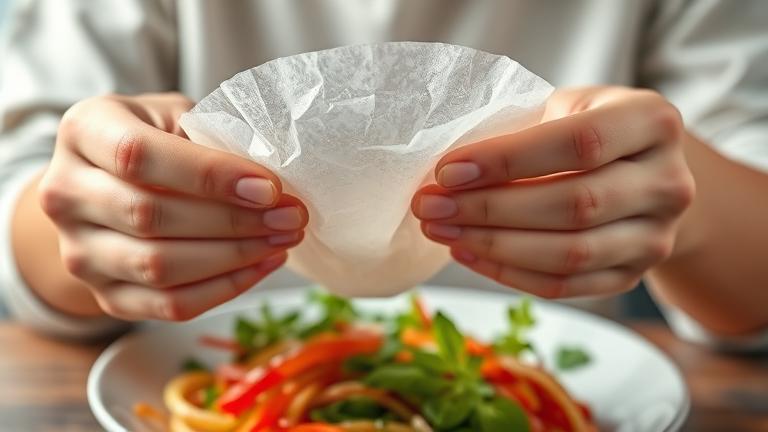
What Is Rice Paper? Origins and Uses
Rice paper is a thin, delicate sheet made from rice flour and water. It is widely used in Asian cooking, especially in dishes like spring rolls, summer rolls, and other wraps. Despite its name, rice paper is not actually made from real paper but from edible rice flour, making it safe to eat.
The origins of rice paper trace back to China and Vietnam, where it has been used for centuries. Traditionally, artisans would crush rice into flour, then mix it with water and spread it into thin sheets. These sheets are then dried in the sun, creating the transparent or opaque paper-like sheets we see today. Over time, rice paper spread across many Asian countries, each developing their own variations and uses.
In many Asian cuisines, rice paper plays a versatile role. It can be used for wrapping fresh vegetables, herbs, and proteins to make light, refreshing spring rolls. It is also popular in making fried snacks or crispy rolls, where the paper is deep-fried until golden.
Using rice paper is straightforward, but it does require some preparation. Before using, rice paper sheets are usually soaked briefly in warm water until soft and pliable. This makes them easy to roll without tearing. Once softened, you can add fillings like shrimp, tofu, lettuce, and herbs, then roll tightly to hold everything together.
- Spring rolls: Filled with vegetables, shrimp, or chicken, then wrapped in rice paper.
- Summer rolls: A fresh, uncooked version served with dipping sauces.
- Fried snacks: Filled with sweet or savory ingredients and fried for a crispy treat.
Besides their culinary uses, rice paper is admired for being gluten-free and low in calories. This makes it a popular choice for health-conscious cooks.
Common Types of Rice Paper
- Vietnamese rice paper: Thinner, more delicate, perfect for fresh rolls.
- Chinese rice paper: Sometimes thicker, used in cooking or frying.
While rice paper is easy to work with, avoid soaking it for too long as it can become too soft and tear easily. Also, keep your workspace dry and lightly dusted with cornstarch or rice flour if sticking occurs. With a little practice, you’ll find rice paper an approachable ingredient that adds a fresh, light touch to many dishes.
How to Prepare Rice Paper for Eating
Rice paper is a versatile and fun ingredient often used in spring rolls, salads, and snacks. To enjoy it properly, you need to know how to prepare it so it becomes soft and pliable without tearing. Preparing rice paper correctly makes rolling easier and results in a neat, delicious dish.
The key to preparing rice paper is soaking it just right. If you soak it too long, it can become too soft and difficult to handle. If you don’t soak it enough, it may tear or be difficult to roll. With a few simple steps, you’ll be ready to create beautiful, tasty rice paper dishes.
Steps to Prepare Rice Paper
- Gather your supplies. You will need a shallow dish or plate filled with warm water, a clean surface or plate for resting the rice paper, and your ingredients if you’re making a spring roll or similar dish.
- Warm water is best. Fill a shallow dish with warm water, around 100°F (38°C). Too hot and you’ll risk damaging the rice paper; too cold and it may take longer to soften.
- Immerse the rice paper. Place a sheet of rice paper into the water. Gently move it around to submerge evenly. Soak it for about 5 to 10 seconds. It should just start to become flexible and slightly translucent.
- Check the softness. Carefully lift the rice paper with your fingers or tongs. It should be soft enough to handle but still hold its shape. If it’s too stiff, give it a few more seconds in the water.
- Remove and drain excess water. Gently lift the rice paper from the water and let the excess water drip off. You can also place it on a clean, damp kitchen towel or a moist plate to keep it from sticking.
- Lay it flat on a surface. Place the softened rice paper onto a clean, flat surface like a tray or plate. Be careful to prevent it from tearing or folding overly much at this stage.
Tips for Success
- Work quickly. Rice paper tends to stick together or dry out if left exposed for too long. Prepare your ingredients beforehand so you can assemble your rolls immediately after softening the paper.
- Keep water warm, not hot. Too hot water can cause the rice paper to become mushy or tear apart. Warm, not boiling, water is ideal.
- Use a damp towel. To prevent the rice paper from drying out while you work, keep a slightly damp cloth nearby and cover the prepared sheets if you need to pause.
- Practice handling. It may take a few tries to get comfortable with the delicate rice paper. Be gentle when transferring and spreading your ingredients.
Common Mistakes to Avoid
- Soaking too long. Over-soaked rice paper becomes mushy and difficult to work with. Stick to the 5-10 second rule.
- Using cold water. Cold water makes it harder to soften the rice paper, leading to tearing and frustration.
- Not prepping ingredients in advance. If your filling isn’t ready, the rice paper might dry out or tear when you start rolling.
With these simple steps and tips, preparing rice paper will become second nature. Once you master soaking and handling, you can enjoy making all sorts of delicious, beautiful dishes like fresh spring rolls or crispy wraps. Happy rolling!
Delicious Ways to Eat Rice Paper
Rice paper is a versatile ingredient that can be transformed into a variety of tasty dishes and snacks. Its thin, chewy texture makes it perfect for wrapping fresh ingredients or even frying into crispy bites. Whether you’re a beginner or an experienced cook, exploring ways to enjoy rice paper can add exciting flavors to your meals.
Fresh Spring Roll Wraps
One of the most popular uses for rice paper is making fresh spring rolls. These are light, healthy, and customizable. Start by soaking a rice paper sheet in warm water for about 10-15 seconds until it softens. Lay it flat on a clean surface.
Fill it with a combination of cooked shrimp, shredded lettuce, julienned carrots, cucumber strips, fresh herbs like mint and cilantro, and rice noodles if desired. Be careful not to overfill, as this makes rolling tricky. Fold in the sides and roll tightly from one end to the other. Serve with a simple dipping sauce made of hoisin, peanut, or fish sauce.
Fried Rice Paper Crisps
If you’re craving a crunchy snack, try frying rice paper into crispy chips. Cut the sheets into triangles or strips. Heat oil in a deep pan or wok over medium-high heat. Once hot, carefully add the pieces and fry until puffed and golden, about 30 seconds to 1 minute.
Remove and drain on paper towels. Season with a pinch of salt or spice mix. These crispy bites are perfect for dipping or adding to salads for a crunchy texture. Just remember, fried rice paper can be quite brittle once cooled, so handle with care.
Stuffed Rice Paper Rolls
For a more filling snack or meal, try stuffing rice paper with cooked ingredients like ground chicken, tofu, or cooked vegetables. Prepare your filling in advance. Soften the rice paper by soaking briefly in water, then place it on a plate.
Add a spoonful of filling in the center, then fold like an envelope — folding in the sides first and rolling from the bottom up. These stuffed rolls can be served cold or lightly steamed for a warm option. Garnish with chopped peanuts, scallions, or a drizzle of sauce to boost flavor.
Creative Tips for Using Rice Paper
- Always soak rice paper just until soft, not too long, to prevent tearing.
- Work quickly when assembling rolls to keep the rice paper from drying out.
- Try experimenting with different fillings, such as avocado and mango for a tropical touch.
- Store unused rice paper in an airtight container away from humidity to keep it fresh.
Common Mistakes to Avoid
- Overfilling your rolls, which makes wrapping difficult.
- Soaking rice paper too long, causing it to tear or become mushy.
- Using warm or hot water to soften rice paper, which can cause it to become too sticky.
- Not drying your hands well before handling rice paper, as moisture can make it stick or tear.
Tips for Perfectly Wrapping and Serving
Wrapping fillings in rice paper can seem tricky at first, but with a few simple tips, you’ll be rolling like a pro in no time. Proper wrapping not only keeps your fillings secure but also creates an attractive presentation. Plus, presenting your rice paper dishes beautifully makes them more tempting to eat and share.
Choosing the Right Rice Paper
Start with good-quality rice paper that’s flexible and not too dry. Fresh rice paper usually feels soft and pliable, making it easier to work with. If your rice paper feels brittle, soften it in warm water for a few seconds until it becomes soft and slightly sticky. Avoid over-soaking, which can make it tear or become too sticky to handle.
Preparing Your Fillings
Place fillings in the center of the rice paper but don’t overstuff. Too much filling can cause tearing or make wrapping difficult. For a cleaner look and easier handling, cut vegetables or cooked proteins into thin, uniform strips. Keep fillings moist but not watery, as excess moisture can tear the paper or make it soggy.
Proper Wrapping Technique
- Dip the rice paper in warm water until soft but not limp. Lift it out and place it on a clean surface or a damp towel.
- Arrange your fillings in the lower third of the rice paper, leaving about an inch of space at the edges.
- Fold the sides of the rice paper over the fillings, keeping them snug but not tight. Hold the fillings steady with your fingers.
- Roll tightly from the bottom, over the fillings, until you reach the top edge. Tuck in the sides as you roll for a neat, compact wrap.
Remember, practice makes perfect. If your first few wraps aren’t perfect, don’t worry. Adjust your technique and try again. The key is to keep the roll tight but not so tight that the rice paper tears.
Serving and Presentation Tips
- Slice large wraps diagonally to reveal colorful fillings inside. This adds visual appeal and makes the dish more inviting.
- Arrange wraps on a serving platter with fresh herbs, such as mint or basil, alongside dipping sauces like peanut or hoisin sauce.
- If serving for a party or on a buffet, keep the wraps moist by covering them with a damp cloth until they’re ready to be enjoyed.
- For a special touch, garnish the platter with edible flowers or thinly sliced cucumbers to elevate the presentation.
Storing Leftovers
If you have leftovers, wrap them tightly in plastic wrap or place in an airtight container. Store in the refrigerator and consume within 24 hours for the best taste and texture. To keep the wraps from drying out, lightly cover with a damp paper towel before sealing.
By following these simple wrapping and serving tips, your rice paper dishes will not only taste delicious but also look stunning. Practice your technique, enjoy the process, and soon you’ll be creating beautiful, professional-looking wraps that impress every time.
Frequently Asked Questions About Rice Paper
Rice paper is a popular ingredient in many Asian dishes, especially spring rolls and salads. If you’re new to using rice paper, you might have some questions about how to handle it properly. Here, we’ll answer some common questions to help you feel more confident when cooking with rice paper.
What is rice paper and what is it made of?
Rice paper is a thin, translucent wrapper made primarily from rice flour, water, and sometimes tapioca or starch. It has a chewy texture and is usually used for wrapping fresh or cooked ingredients. Despite its name, it doesn’t contain actual paper, but it looks similar to thin sheets of paper. Rice paper is gluten-free, making it suitable for many dietary needs.
How do I prepare rice paper for wrapping?
Preparing rice paper is simple but requires some care. First, fill a shallow dish or large bowl with warm water. Dip one piece of rice paper into the water for about 5 to 10 seconds until it softens. It should become flexible but not soggy. Then, lay it flat on a clean surface, such as a plate or cutting board, to work with it. If it sticks or tears, dip it again briefly to soften further.
How do I prevent rice paper from tearing?
One common issue is tearing or sticking while working with rice paper. To avoid this, always dip the paper briefly in warm water and work quickly before it becomes too soft. Make sure your workspace is clean and free of moisture that could cause sticking. Using a damp towel to cover unused sheets can help keep them moist and pliable. Be gentle when handling the sheets, especially when adding fillings.
What are some tips for rolling rice paper smoothly?
- Place your fillings in the center of the sheet, leaving some space at the edges for easier wrapping.
- Fold the sides inward first, then roll tightly from the bottom up.
- Don’t overfill, as too much can cause tearing or difficulty rolling.
- If the rice paper sticking to your hands, lightly dampen your fingers for better handling.
Can I cook rice paper, or is it only for raw use?
Rice paper is typically used raw, especially in fresh spring rolls. However, some recipes involve cooking, like frying or baking. When frying, the rice paper turns crispy and is great for spring roll wrappers or chips. Just ensure it is thoroughly submerged in hot oil until golden brown. Always follow the specific recipe instructions for best results.
How should I store rice paper to keep it fresh?
Store unopened rice paper in a cool, dry place away from direct sunlight. Once opened, keep the sheets in an airtight container or resealable plastic bag. Protect them from humidity, as moisture can cause them to become sticky or moldy. Proper storage extends their shelf life and keeps them ready for use.
Are there gluten-free options for rice paper?
Yes, most traditional rice paper is gluten-free, made from rice flour and water. Always check the packaging if you have gluten sensitivities or celiac disease, as some brands may add other ingredients. There are also rice paper alternatives made from different starches for those with specific allergies.
Are there common mistakes to avoid with rice paper?
- Not soaking the paper long enough – it needs to be soft but not falling apart.
- Overfilling the wrappers – which can cause tearing or difficulty sealing.
- Using cold water for soaking – warm water helps soften the paper faster and more evenly.
- Handling it with wet hands too much – moisture can make rice paper sticky and fragile.
With these tips and answers, you should feel more comfortable experimenting with rice paper in your cooking. Remember, practice makes perfect, and soon you’ll be rolling beautiful, delicious wraps with ease!