
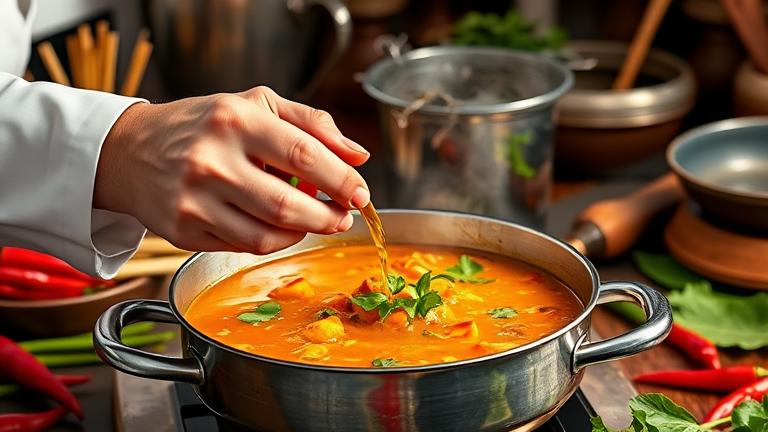
Natural Sweeteners for Thai Curry
Adding a touch of sweetness to your Thai curry can bring out the rich flavors and create a balanced dish. Many traditional recipes use natural sweeteners like sugar, honey, or coconut sugar to achieve that subtle, authentic sweetness. These options not only enhance the taste but also add their own unique flavors, making your curry more complex and satisfying.
Let’s explore some popular natural sweeteners you can use and how to incorporate them into your Thai curry for the best results.
Sugar
White or brown sugar is a common choice for Thai curry. It dissolves easily and provides a clean, straightforward sweetness. Brown sugar adds a hint of molasses flavor, which pairs well with the spices used in Thai cooking. For best results, add the sugar towards the end of cooking, stirring until it’s fully dissolved.
Start with about a teaspoon to a tablespoon, depending on the amount of curry and your personal taste. Remember, you can always add more, but it’s harder to fix an overly sweet curry. Keep tasting as you go to find that perfect balance.
Honey
Honey is another natural sweetener that can give your Thai curry a lovely depth. Plus, it adds a slight floral note that complements the spices nicely. When using honey, add it near the end of cooking to prevent it from losing its flavor during high heat.
Use a small amount, like half a teaspoon to start, then taste and adjust. Choose a mild honey, such as acacia or clover, so it doesn’t overpower the other ingredients. Remember, honey also adds a little thickness, so use it sparingly if you want a lighter sauce.
Coconut Sugar
This brown, unrefined sugar made from the sap of coconut palm flowers offers a deep, caramel-like flavor that feels very authentic in Thai curry. It dissolves well and pairs beautifully with the coconut milk often used in these dishes. Coconut sugar is a fantastic choice if you want a more natural, less processed sweetener.
Use it just like brown sugar—start with a teaspoon, taste, and adjust. Because it has a rich flavor, it’s best added early in the cooking process so it can meld with the other ingredients.
Tips for Using Natural Sweeteners
- Always add sweeteners gradually. It’s easier to add more than to fix a dish that’s too sweet.
- Taste your curry after adding a small amount and adjust as needed.
- If your curry becomes too sweet, balancing flavors with a splash of lime juice or a touch of salt can help restore harmony.
- Choose the sweetener based on the flavor profile you want to achieve — coconut sugar for richness, honey for floral notes, or sugar for straightforward sweetness.
Experimenting with these natural sweeteners allows you to customize your Thai curry to your taste while keeping it authentic and flavorful. With a little practice, adding just the right amount will become second nature, and your dishes will taste delicious every time!
Simple Tips to Balance Flavors Well
Creating a delicious Thai curry is all about balancing flavors. You want the sweetness, acidity, saltiness, and spiciness to come together in a harmonious way. When these elements are well balanced, your curry will taste fresh, vibrant, and satisfying. Here are some simple tips to help you achieve that perfect flavor harmony.
Start with a Tasting Baseline
Before adding all your seasonings, taste your curry base. This helps you understand what might need adjustment. Use a small spoon to sample the broth or sauce, and note its current flavor profile. This simple step saves you from over-seasoning later and helps you make precise corrections.
Adjust Sweetness First
In many Thai curries, a touch of sweetness balances acidity and spiciness. Add a small amount of sugar, honey, or coconut milk gradually. Stir well and taste again. Keep in mind that a little sweetness can mellow the heat and make flavors more rounded. Be careful not to oversweeten, or your curry will taste cloying.
Balance with Acid
Vinegar or lime juice are common acidic elements in Thai cooking. Add them in small increments, tasting as you go. Acid brightens the flavor, cuts through richness, and enhances other spices. If your curry tastes flat or dull, a splash of lime juice can become the magic fix.
Salt to Enhance and Correct
Salt is the flavor enhancer. Use it to bring out the other flavors. Add a pinch at a time and taste after each addition. Sometimes, a small amount of fish sauce or soy sauce can add both saltiness and depth. Remember, it’s easier to add more salt than to fix an oversalted dish, so proceed cautiously.
Manage Spiciness Smartly
If your curry becomes too hot, you can mellow it by adding more sweetness or acidity. Dairy like coconut milk also helps soothe spiciness. Conversely, if it’s not spicy enough, increase it gradually with chili paste or fresh chili slices. Always taste after each adjustment to avoid overdoing it.
Mix and Taste Often
Balancing flavors is a continual process. Make small adjustments, taste, and then proceed. This ensures you don’t overcorrect and keeps your curry flavorful and balanced. Remember, the goal is harmony, not dominance of one flavor over others.
Be Patient and Adjust Over Time
Flavors can change as the curry simmers. Sometimes letting it rest for a few minutes allows the flavors to meld. Afterwards, you might find you need a final tweak—possibly a touch more salt or a squeeze of lime—to perfect the taste.
- Use fresh ingredients for a clearer, vibrant flavor.
- Label your measuring spoons for quick additions of seasonings.
- Be cautious with spice—start small and build up to your preferred heat level.
With these simple tips, you’ll be able to balance your Thai curry’s flavors easily and create a dish that’s memorable and tasty every time. Remember, each curry is unique, so trust your palate and enjoy the process of tuning and perfecting your flavor profile.
Top Ingredients to Add Sweetness
When cooking Thai dishes, adding the right source of natural sweetness can truly elevate the flavors. Instead of relying solely on sugar or artificial sweeteners, using fresh ingredients like fruits, sweet vegetables, and sweetened pastes can give your dishes a genuine, balanced sweetness. These ingredients often add depth and complexity, making your dish more authentic and delicious.
Start by exploring fresh fruits. Fruits such as mango, pineapple, and lychee are commonly used in Thai cuisine to add a natural sweetness. They can be included in salads, over curries, or used as garnishes. For example, adding ripe mango to a spicy Thai salad offers a pleasant sweet contrast that enhances the overall flavor profile. When selecting fruits, look for ripe, juicy options to get the best sweetness without extra sugar.
Another great way to incorporate sweetness is through sweet vegetables. Carrots and sweet corn are popular choices. Carrots can be added to stir-fries or curries for a subtle sweetness that balances savory spices. Sweet corn can be mixed into salads or cooked with coconut milk in soups. The natural sugars in these vegetables complement the bold flavors of Thai herbs and spices, creating a harmonious dish.
In addition to fresh produce, consider using sweetened pastes and sauces. Thai ingredients like palm sugar, honey, and sweetened soy sauce are essential in many recipes. Palm sugar, in particular, provides a rich, caramel-like sweetness that pairs well with spicy or tangy elements. It dissolves easily in liquids, making it perfect for balancing hot chilies or sour lime juice. Honey adds a floral sweetness, ideal in dressings or marinade. Sweetened soy sauces or add a splash of hoisin sauce can also introduce subtle sweetness without overpowering the dish.
Other useful ingredients include coconut milk and coconut sugar. Coconut milk adds a touch of natural sweetness along with a creamy texture, especially good in curries or desserts. Coconut sugar, made from the sap of coconut palm, has a mild, caramel flavor that blends well into sauces and braises.
Here are some practical tips for adding natural sweetness:
- Always taste and adjust. Start with a little sweetness and add more gradually.
- Use ripe fruits for maximum flavor and natural sugars.
- Combine different sweet ingredients for layered flavor, like fruits and a touch of honey.
- Be mindful of balancing sweetness with acidity and spices to keep your dish lively and well-rounded.
Choosing the right ingredients to add sweetness can turn an ordinary Thai dish into a memorable meal. Focus on natural, fresh options for the best flavor and health benefits. With a little practice, you’ll master how to enhance your dishes with just the right touch of sweetness each time!
Healthy Choices for Sweetening
When making a Thai curry, adding a little sweetness can balance the spices and enhance the flavors. However, instead of relying on excessive sugar or artificial sweeteners, there are healthier alternatives that add natural sweetness and nutritional benefits. Choosing the right sweetener can make your curry not only tastier but also better for your health.
One of the best ways to sweeten your Thai curry is by using natural ingredients that provide depth and flavor. For example, adding a small amount of honey, maple syrup, or agave nectar can give a gentle sweetness without overwhelming the dish. These options contain fewer artificial additives and can be used in moderation for a balanced taste.
Natural Sweeteners and Their Benefits
- Honey: A natural sweetener with antioxidants and antimicrobial properties. Use raw or unprocessed honey for the best health benefits.
- Maple syrup: Contains antioxidants and minerals like zinc and manganese. It has a rich flavor that complements spicy curries well.
- Agave nectar: A plant-based sweetener with a mild flavor. It dissolves easily and adds sweetness smoothly.
- Fruit-based sweeteners: Pureed fruits like pineapple, mango, or mashed bananas can add sweetness naturally, along with extra flavor and nutrients.
Using Fruits as Natural Sweeteners
Fruits are a fantastic way to sweeten your curry naturally. Adding a small amount of fruit puree or chunks during cooking can bring a touch of sweetness and complexity. For example, blending some pineapple or mango into the curry near the end of cooking creates a subtle, sweet note that pairs beautifully with traditional Thai flavors. Bananas or sweet potatoes can also be added for a richer, natural sweetness.
Tips for Balancing Sweetness
- Start with a small amount of sweetener and taste as you go. It’s easier to add more than to fix an overly sweet dish.
- Pair sweeteners with acid, like lime juice or vinegar, to create a balanced flavor that isn’t too sweet or too sour.
- If you prefer a richer taste, coconut sugar or palm sugar are good options, and they are less processed than white sugar.
Things to Avoid
While it’s tempting to use artificial sweeteners or refined sugar for convenience, they can add empty calories or alter the health benefits of your dish. Artificial sweeteners might also leave a bitter aftertaste or interfere with digestion.
In summary, choosing natural, minimally processed sweeteners like honey, maple syrup, or fruit purees is a friendly and practical way to add sweetness to your Thai curry. Experiment with different options to find what suits your taste best, and enjoy a flavorful, healthier dish every time.
Common Techniques Used in Thai Cooking
Thai cooking is famous for its vibrant flavors, especially the perfect balance of sweetness, sourness, saltiness, and spiciness. To achieve this harmony, home cooks and chefs use several traditional techniques. Understanding these methods can help you create authentic Thai dishes that are rich and well-rounded. Let’s explore some of the most common techniques used in Thai cooking to incorporate and balance sweetness effectively.
1. Adjusting with Palm Sugar
One of the key ingredients that bring sweetness to Thai dishes is palm sugar. It has a unique caramel-like flavor and melts easily, making it ideal for balancing spicy and sour notes. When cooking curries, stir-fries, or salads, add small amounts of palm sugar gradually. Taste as you go to avoid overpowering the dish. Often, this sugar is dissolved in warm water before adding, ensuring it blends smoothly. Remember, Thai cuisine values subtlety, so start with a little and increase as needed.
2. Creating a Sweet-Sour Balance
Many Thai dishes like salads and soups rely on a perfect sweet and sour mix. Common sour ingredients include lime juice, tamarind, or vinegar. To balance these with sweetness, combine with palm sugar or honey. A typical example is the dressing for Thai green papaya salad, which mixes lime juice, palm sugar, fish sauce, and chili. Tasting regularly is essential because the balance can shift quickly. A good rule of thumb is to aim for a harmonious blend where no flavor overpowers the others.
3. Using Fish Sauce and Coconut Sugar
Fish sauce adds saltiness and depth, but it also complements sweetness when used correctly. Sometimes, cooks add a touch of coconut sugar to fish sauce-based sauces to introduce a subtle sweetness. When making Thai stir-fries or dipping sauces, start with small amounts of fish sauce and coconut sugar, then adjust as necessary. This technique enhances the savory-sweet balance while maintaining the dish’s authentic flavor.
4. Incorporating Natural Sweeteners
Many recipes benefit from natural sweeteners like honey or agave nectar. These can be used to add sweetness to curries or glazes. For example, a Thai-style sticky glaze might mix soy sauce, honey, garlic, and ginger for a sweet-savory finish. These alternatives are especially helpful if palm sugar isn’t available. Use them sparingly and taste as you go, since their sweetness can vary widely.
5. Balancing Sweetness with Spices and Herbs
Thai dishes often contain fresh herbs like basil, cilantro, or mint, which can influence how the sweetness is perceived. Adding spicy elements like chili can make the dish feel more balanced and lively. If a dish becomes too sweet, a squeeze of lime or a dash of vinegar can sharpen the flavors, creating a vibrant contrast. Experiment with small adjustments to find your perfect balance in each dish.
- Tip: Always taste as you cook when adjusting sweetness. Thai flavors are subtle and layered.
- Tip: Fresh ingredients like lime juice and herbs can brighten sweetness and add freshness.
- Tip: Remember that sweetness in Thai cooking is often used to enhance, not overpower, the dish.
Using these techniques, you can master the art of balancing sweetness in Thai dishes. With practice, you’ll develop an intuitive sense of how to create harmonious, delicious meals that reflect the true spirit of Thai cuisine.