
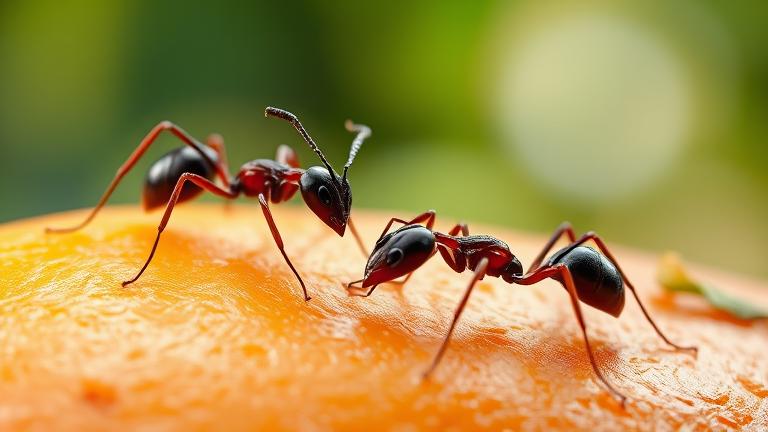
Are Edible Ants Safe to Eat?
Many people are curious about trying edible ants, but it’s important to understand whether they are safe to eat. Generally, ants are considered safe when prepared properly, and they are eaten in many cultures around the world. However, like any food, there are safety considerations to keep in mind. This section will cover the potential health benefits and risks associated with consuming ants, helping you make informed choices.
First, it’s helpful to know that edible ants are rich in protein, healthy fats, vitamins, and minerals. They can be a nutritious addition to your diet, especially in areas where food diversity is limited. Some popular edible ant species include leafcutter ants, fire ants, and certain types of jungle ants. The safety of eating ants depends largely on whether they are correctly identified, properly prepared, and free from contaminants.
One of the main concerns when eating ants is the possibility of contamination. Ants can pick up bacteria, pesticides, or other chemicals from their environment. This means you should only eat ants that come from trusted sources, such as commercially sold packages designed for human consumption or foraged ants that are collected from clean areas. Avoid harvesting ants from areas close to farms or polluted sites, because they might carry harmful substances.
Proper preparation is key to safety. Most edible ants should be thoroughly cleaned and cooked before eating. Cooking kills potential bacteria or parasites that could cause illness. To prepare ants, rinse them under cold water to remove dirt and debris. Then, cook them by roasting, frying, or boiling. This not only enhances flavor but also ensures safety. Some cultures enjoy ants roasted with spices or incorporated into recipes, which can make them more appealing and safe to eat.
It’s important to be aware of allergen risks. Like shellfish or nuts, ants can trigger allergic reactions in sensitive individuals. If you’re trying edible ants for the first time, start with a small amount to see if you experience any symptoms like itching, swelling, or difficulty breathing. If you have food allergies or sensitivities, consulting with a healthcare professional before trying edible insects is a good idea.
While edible ants are generally safe when sourced and prepared correctly, there are some situations to watch out for. Avoid eating ants that look or smell off, as this could indicate spoilage or contamination. Pregnant women and young children should exercise extra caution, as their immune systems may be more sensitive to potential risks.
In conclusion, edible ants can be a safe and nutritious food choice if you follow proper guidelines. Always source your ants from reputable suppliers or gather them from clean areas. Prepare them thoroughly through cleaning and cooking to eliminate bacteria and parasites. By paying attention to these safety tips, you can enjoy the benefits of edible ants with confidence.
Types of Edible Ants You Can Try
Many people are surprised to learn that some species of ants are not only safe to eat but also delicious and nutritious. Edible ants are enjoyed in various cultures around the world, especially in parts of Africa, Asia, and South America. If you’re curious about trying ants, it’s important to know which types are suitable for eating and how to identify them safely.
Not all ants are edible. Some species can be toxic or carry diseases, so proper identification is key. The best way to find edible ants is to look for those that are commonly harvested and prepared in traditional dishes. Typically, edible ants are large, have a firm texture, and are free of visible parasites or mold. Always source ants from trusted suppliers or local foraging experts if you’re collecting in the wild.
Common Edible Ant Species
- Atta ants (leafcutter ants): These bright green or dark brown ants are popular in Central and South America. The worker ants are large and have a crunchy texture. They are often roasted or fried and sometimes used in savory snacks. Their high protein content makes them a nutritious addition to meals.
- Oecophylla ants (weaver ants): Recognizable for their reddish-brown color and aggressive nature. These ants are cultivated in some Asian countries and are valued for their tangy, lemony flavor. They are usually eaten cooked, sometimes in salads or as a protein topping.
- Myrmecocystus (honey ants): Found in North America, these ants are famous for their ‘honey pots,’ which are swollen workers filled with nectar. The workers are crunchy, and the honey pots provide a sweet, sticky treat when harvested properly.
- Harvester ants: Common in North America and parts of Africa, these large, reddish ants are often roasted and eaten like snacks. They have a nutty flavor and are high in protein and fats.
- Black ants (sometimes called black sugar ants): Found in many regions, these small black ants are sometimes used in traditional dishes. They are usually eaten fried or roasted and have a slightly bitter taste that balances well with spices.
What Makes an Ant Suitable for Eating
Several factors determine if an ant species is suitable for consumption. First, the ant should be non-toxic and free from harmful chemicals or parasites. Large ants are often preferred because they have more meat and are easier to handle. The flavor and texture are also important; commonly, edible ants are crunchy and have a slightly nutty or tangy taste.
Another point to consider is the abundance and ease of harvest. Species that are plentiful and easy to collect are more suitable for regular consumption. Some ants are also farmed or cultivated, ensuring a consistent and safe supply. Always remember: never eat wild ants from unknown areas, as they might be contaminated or toxic. When trying ants for the first time, start with small amounts to see how your body reacts.
- Handle ants carefully: wash them thoroughly to remove dirt or chemicals.
- Try preparing them in different ways: roasted, fried, or added to sauces or salads.
- Consult local guides or experts for specific species in your area.
- Be aware of allergies; some people might have allergic reactions to insects.
Preparing and Cooking Ants Safely
Cooking ants can be a fun and rewarding experience, but safety should always come first. Proper preparation helps remove any dirt or impurities and ensures the ants are safe to eat. Plus, the right cooking methods can bring out their unique flavors and make them more enjoyable.
Before you start, gather your supplies. You’ll need a fine sieve or colander, a bowl of cold water, and your preferred cooking equipment, such as a skillet or boiling pot. Always choose fresh, high-quality ants from a trusted source to avoid contamination.
Cleaning the Ants
The first step in preparing ants is cleaning them thoroughly. Rinse the ants under cold running water. Use your hands or a soft brush to gently scrub away any dirt or debris stuck to them. It’s best to do this in small batches for better control.
If you’re concerned about bacteria, you can soak the ants in a mixture of water and a splash of vinegar for a few minutes. This helps disinfect and remove any residues. After soaking, rinse again with cold water to remove the vinegar taste.
Preparing for Cooking
Once cleaned, drain the ants well and pat them dry with paper towels. Removing excess moisture helps ensure they cook evenly and avoid splattering if frying. If you plan to roast or fry them, you can season the ants at this stage with a pinch of salt, spices, or marinades for added flavor.
Some cooks like to blanch the ants first. To do this, bring a pot of water to a boil and carefully add the ants. Let them cook for about 1-2 minutes, then drain and rinse with cold water. Blanching helps kill any remaining bacteria and softens the ants for cooking.
Cooking Methods and Tips
- Frying: Heat a small amount of oil in a skillet over medium heat. Add the ants and cook for 3-5 minutes until crispy. This method enhances texture and flavor. Be sure to stir frequently to prevent burning.
- Roasting: Spread the ants on a baking sheet, season as desired, and roast in a preheated oven at 350°F (175°C) for 10-15 minutes. Check occasionally to keep them from burning. Roasting gives a nice crunch.
- Boiling or simmering: Add ants to soups or stews during the last 5-10 minutes of cooking. This method infuses flavors but keeps the texture tender.
Safety Precautions to Keep in Mind
Always cook ants thoroughly to eliminate any bacteria or parasites. Avoid eating raw ants unless they are sourced from a trusted, safe environment and have been properly cleaned and cooked.
If you notice any strange smell, discoloration, or off-putting texture during preparation, discard the batch. Ingesting contaminated insects can cause health problems.
Store leftover cooked ants in an airtight container in the refrigerator for up to 2 days. Reheat thoroughly before eating again.
With these safety tips and cooking methods, you can enjoy ants as a safe and tasty part of your adventurous meals. Happy cooking!
Delicious Recipes Using Ants
If you’re curious about trying edible ants, you’re in for a tasty adventure. These tiny insects are not only nutritious but also add a unique flavor to your dishes. From crunchy snacks to savory meals, there are many creative ways to include ants in your cooking.
Before you start, make sure the ants are properly harvested and cleaned. It’s best to use ants from safe, pesticide-free sources. Rinsing them thoroughly under cold water helps remove any dirt or contaminants. Once cleaned, they are ready to be incorporated into your favorite recipes.
Crunchy Ant Snack Mix
This simple snack is perfect for a quick energy boost and makes a fun party treat. Combine roasted ants with nuts, seeds, and dried fruits for a tasty mix. To prepare:
- Preheat your oven to 350°F (175°C).
- Spread the cleaned ants evenly on a baking sheet.
- Roast for about 10 minutes until they become crisp and fragrant.
- Mix with your chosen nuts, seeds, and dried fruits in a bowl.
- Store in an airtight container for up to a week.
The roasted ants add a crunchy texture and a slightly nutty flavor that pairs well with sweet and savory ingredients. Keep in mind that a small amount goes a long way, so start with a handful in each batch.
Ant-enriched Stir-Fry
For a savory, protein-packed meal, try adding ants to your stir-fry. They bring a little crunch and a unique flavor that elevates the dish. Here’s how:
- Prepare your favorite vegetables like bell peppers, broccoli, and carrots.
- Heat some oil in a wok or large skillet over medium-high heat.
- Add garlic and ginger, cooking until aromatic.
- Stir in the vegetables and cook until tender but still crisp.
- Sprinkle a handful of cleaned ants over the stir-fry during the last minute of cooking.
- Finish with soy sauce or your preferred seasoning.
The ants add a subtle earthy flavor and an extra protein boost. They work well with spicy, tangy, or sweet sauces. Just be sure not to overdo it, as the ants are meant to complement, not overpower, the other ingredients.
Sweet Ant-Infused Desserts
Yes, you can even enjoy ants in desserts! Incorporate them into chocolate, pastries, or puddings for an intriguing twist. For a simple treat:
- Make a batch of chocolate mousse or pudding.
- Sprinkle a few roasted ants on top as a garnish.
- The ants provide a crunchy contrast and a hint of savory flavor to the sweet dessert.
Alternatively, you can grind dried ants into powder and add them to cookie dough or cake batter. This not only boosts nutrition but also introduces a subtle flavor complexity that curious eaters will love.
Safety Tips and Tips for Cooking with Ants
- Always source edible ants from reputable suppliers or harvest wild ants responsibly.
- Ensure they are thoroughly cleaned before cooking.
- Start with small amounts to see how their flavor suits your palate.
- Pair ants with flavors that complement earthiness or nuttiness, like chocolate, soy, or spicy seasonings.
- Be mindful of allergies, especially if cooking for guests unfamiliar with edible insects.
With a little creativity, ants can be a delightful addition to a variety of dishes. They add flavor, texture, and nutritional value, making your meals more interesting and eco-friendly.
Benefits and Risks of Eating Ants
Eating ants might sound unusual, but they are actually a nutritious snack in many cultures around the world. Ants are rich in protein, healthy fats, vitamins, and minerals, making them a valuable food source. Including ants in your diet can offer some health benefits, especially if you’re looking for sustainable and protein-packed options. However, it’s also important to be aware of potential health risks to make safe choices.
Benefits of Eating Ants
- High in Protein: Ants contain a good amount of protein, which is essential for muscle building and tissue repair. A typical serving can provide enough protein to supplement your meals, especially if you follow a plant-based diet or want to diversify your protein sources.
- Rich in Nutrients: Besides protein, ants are a source of vitamins like B vitamins and minerals such as iron, zinc, and calcium. These nutrients support overall health, boost immunity, and help maintain healthy bones and blood cells.
- Sustainable Food: Compared to traditional livestock, ants require less land, water, and energy to farm. Eating ants could be an eco-friendly choice that helps reduce your carbon footprint.
- Unique Flavor and Texture: Many people find that ants have a crunchy texture and a slightly tangy or citrus-like flavor. They can add an interesting twist to salads, salsas, or snacks.
Potential Risks of Eating Ants
- Health Allergies: Some individuals may have allergies to insects, similar to shellfish allergies. Eating ants could cause allergic reactions like swelling, hives, or even difficulty breathing. It’s best to try a small amount first if you’re new to eating insects.
- Contamination and Toxins: Wild ants may carry bacteria or pesticides that are harmful to humans. Always source ants from reputable suppliers or farmed sources that follow safety standards.
- Proper Preparation: Consuming raw or undercooked ants can be risky. Properly cleaning and cooking ants reduces the chance of foodborne illnesses. Roasting or boiling are common methods to make them safe to eat.
- Environmental Concerns: If harvesting wild ants, make sure it’s sustainable and doesn’t disturb local ecosystems. Overharvesting can harm the environment and reduce ant populations.
Tips for Safe Consumption
- Buy ants from trusted suppliers or specialty stores rather than wild collection.
- Cook ants thoroughly to kill bacteria and other pathogens.
- Start with a small portion to see how your body reacts.
- If you notice any allergic symptoms after eating ants, seek medical advice immediately.
In summary, ants can be a nutritious and eco-friendly addition to your diet, offering many health benefits when prepared properly. However, being cautious about sources and preparation is key to avoiding health risks. With a bit of practice and knowledge, you can safely enjoy the many advantages ants have to offer.