
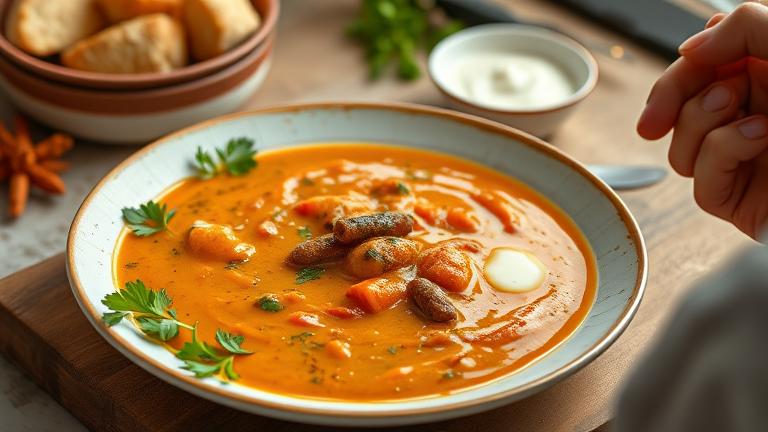
What Are Curry Sauce Ingredients?
When making a delicious curry sauce, the ingredients you choose play a big role in defining its flavor and texture. Curry sauces usually include a mix of spices, liquids, and sometimes thickeners to create that rich, comforting dish we love. Understanding these key components can help you customize your curry to match your taste and dietary needs.
First, let’s talk about the spices. Spices are the heart of any curry sauce. Commonly used ones include turmeric for its bright color and earthy flavor, cumin for warmth, coriander for a hint of citrus, and chili powder for heat. Other popular spices are garam masala, a blend of aromatic spices, and fenugreek. These spices are usually added in powdered form, though freshly ground spices can give a more intense aroma. Remember, a good curry starts with quality spices and the right balance.
Next, the liquids form the base of your curry sauce. Most recipes use a combination of water, broth, or coconut milk. Coconut milk is especially popular in many Asian and tropical curries, providing a creamy texture and slightly sweet flavor. Tomato puree or chopped tomatoes are also common, adding acidity and depth. These liquids help simmer the spices and other ingredients, developing rich flavors and a smooth consistency.
Many curry sauces also include aromatic ingredients like onions, garlic, and ginger. These are usually sautéed at the beginning to release their flavors. Sometimes, fresh herbs like cilantro or curry leaves are added toward the end, giving the sauce a bright, fresh note. These fresh ingredients enhance the depth and complexity of the curry.
Thickeners help achieve the perfect texture. Common choices include yogurt, cream, or coconut cream, especially in richer curries. Yogurt adds a tangy flavor and creaminess but should be added carefully to prevent curdling. Flour or cornstarch can also be used to thicken the sauce if you want a thicker consistency without altering the flavor too much. Additionally, pureed vegetables like potatoes or carrots can serve as natural thickeners and add sweetness.
It’s also good to know which ingredients are not traditionally part of a curry sauce. While dairy such as cheese is not typical, there’s no hard rule. Some recipes, like certain Indian dishes, may incorporate dairy components, but they’re usually used as toppings or accompaniments rather than mixed into the sauce itself.
Here are some useful tips for your curry ingredients:
- Use fresh spices when possible, as they provide more vibrant flavors.
- Adjust the spice levels to suit your taste start small and add more if needed.
- If using dairy, add it slowly and keep the heat low to prevent curdling.
- Experiment with different liquids like coconut milk or broth to vary the richness.
In summary, a basic curry sauce combines various spices, liquids, aromatics, and thickeners. By understanding these ingredients, you can make a simple curry or create complex, layered flavors. The key is balancing the ingredients to suit your personal taste and dietary preferences. Happy cooking!
Dairy-Free Curry Recipe Ideas
If you’re looking to enjoy a delicious curry without dairy, you’re in the right place. Dairy-free curries are packed with flavor and made with plant-based ingredients that everyone can enjoy. Whether you’re allergic to dairy or choosing a vegan lifestyle, these recipes show that you can create rich, satisfying curries without milk or cream.
Start by choosing a good base for your curry. Coconut milk is a popular choice because it adds creaminess and a touch of sweetness. You can also use almond milk or cashew cream if you prefer a lighter or different flavor profile. Fresh vegetables are the heart of most dairy-free curries, so gather ingredients like bell peppers, carrots, peas, spinach, or eggplant. For protein, chickpeas, lentils, tofu, or tempeh work wonderfully.
Basic Steps for Making Dairy-Free Curry
- Heat some oil in a large pan or pot. Coconut oil works well for added flavor.
- Add chopped onions, garlic, and ginger. Cook until they turn fragrant and translucent.
- Stir in your favorite spices such as turmeric, cumin, coriander, or curry powder. Toast them lightly to release their flavors.
- Pour in diced tomatoes or tomato paste to build a flavorful sauce base.
- Add vegetables and protein sources. Stir everything to coat with spices and cook until vegetables are tender.
- Pour in coconut milk or your preferred plant-based milk. Simmer for 10-15 minutes to let flavors meld.
- Season with salt, pepper, and optional fresh herbs like cilantro or basil. Serve hot with rice or flatbread.
Creative Dairy-Free Curry Ideas
- Sweet Potato and Chickpea Curry: Roast cubed sweet potatoes and add them to a spicy tomato sauce with chickpeas. Finish with fresh cilantro.
- Spinach and Lentil Curry: Use red lentils for a quick-cooking protein. Add chopped spinach near the end for a vibrant green touch.
- Tofu and Broccoli Curry: Fry firm tofu until golden, then combine with steamed broccoli and a rich coconut curry sauce.
- Eggplant and Coconut Curry: Roast or sauté eggplant cubes and add to a fragrant curry with coconut milk, garlic, and spices.
Tips for Perfect Dairy-Free Curry
- Always taste and adjust seasonings at the end of cooking. You might want extra spice or salt.
- For creamier curries, add a splash of coconut cream or blended cashews.
- Make a double batch and store leftovers in the fridge for up to three days or freeze for later.
- Use fresh herbs and squeeze a hint of lime for a bright finish.
Common Mistakes to Avoid
- Adding too much water or broth. It can make your curry thin and less flavorful.
- Overcooking vegetables, which can lead to mushiness. Add delicate greens at the end.
- Skipping spices. Even simple curries benefit from a good spice blend to develop depth.
With these ideas and tips, you can craft a variety of dairy-free curries that suit any taste. Experiment with different vegetables, proteins, and spices to make your own signature dish. Dairy-free doesn’t mean flavor-free these recipes prove that plant-based can be rich, hearty, and incredibly tasty.
Common FAQs About Dairy and Curry
If you’re curious about dairy in curry sauces, you’re not alone. Many home cooks and newcomers wonder whether dairy ingredients are always used, how they affect the flavor, and if there are ways to enjoy curry without dairy. Here are some of the most common questions and helpful answers to clear up any confusion.
Is dairy always used in curry sauces?
No, not all curry recipes require dairy. Traditional curries from different regions vary widely. For example, Indian curries often use dairy ingredients like yogurt, cream, or ghee, but many other types, such as Thai or Indonesian curries, rely more on coconut milk, broth, or other non-dairy options. If you have allergies or are dairy-free, there are plenty of recipes that skip dairy entirely or substitute with plant-based alternatives.
What dairy products are commonly added to curry?
Some typical dairy ingredients in curry include yogurt, heavy cream, milk, and ghee. Yogurt is often used to mellow spices or as a marinade for meat. Cream adds richness and a smooth texture, especially in creamy dishes. Ghee, clarified butter, provides flavor and a rich base, especially in Indian cooking. Be sure to check recipes if you want to control dairy content or make a dairy-free version.
Can I make curry without dairy?
Absolutely! Many recipes can be adapted to be dairy-free. Use coconut milk, almond milk, or cashew cream as a substitute for dairy cream or yogurt. Tomato-based sauces are naturally dairy-free and full of flavor. If you like the creaminess, blending cooked vegetables like cauliflower or making nut-based sauces works well. Just experiment and find what suits your taste.
Are there any misconceptions about dairy in curry?
Yes, some people think that all curry recipes must include dairy to be authentic or delicious. That’s not true. While dairy adds a wonderful richness, many authentic curries from various cuisines do not use dairy ingredients. Coconut milk, for example, is a popular dairy-free alternative that creates a creamy texture without any dairy. Also, dairy-free curries can be just as flavorful and satisfying.
Are there any health considerations when adding dairy to curry?
For some people, dairy might cause allergies or digestive issues like lactose intolerance. If you experience discomfort, it’s best to choose dairy-free options. Additionally, full-fat dairy products add calories and fat, so if you’re watching your intake, consider light versions or plant-based substitutions. Always check labels and ingredient lists if you’re buying pre-made sauces or products.
Tips for cooking with dairy in curry:
- Gradually add dairy ingredients to avoid curdling, especially if using yogurt or cream after high heat.
- If making a dairy-free curry, add coconut milk or plant-based creams toward the end of cooking to retain creaminess.
- Balance flavors with spices and acids like lime juice or vinegar dairy or no dairy, good seasoning makes a big difference.
Whether you prefer your curry with or without dairy, understanding what’s common and available can help you make the best choice for your taste and dietary needs. Don’t be afraid to experiment, and enjoy creating delicious, satisfying curries that everyone will love!
Tips for Making Dairy-Free Curry
Creating a tasty dairy-free curry is easier than you might think. With the right tips and substitutions, you can enjoy rich, flavorful dishes without using any dairy ingredients. Whether you’re new to cooking dairy-free or looking to improve your recipe, these practical ideas will help you get the best results every time.
First, focus on building a flavorful base. Traditional curries often rely on dairy like yogurt or cream to add creaminess, but you can substitute these with alternatives such as coconut milk, coconut cream, or even blended cashews. Coconut milk provides a rich, smooth texture and a subtle sweetness that pairs beautifully with many spices.
When choosing your dairy substitute, consider the recipe’s flavor profile. For a lighter curry, coconut milk works well and adds a tropical touch. If you prefer a thicker, richer sauce, coconut cream or blended nuts offer that luxurious mouthfeel. Keep in mind that some coconut products can be more concentrated or sweet, so adjust the seasoning accordingly.
To enhance the depth of flavor, toast your spices before adding liquids. Spices like cumin, coriander, turmeric, and garam masala release their essential oils when toasted, creating a fragrant base. Adding a splash of acidity, like lime juice or vinegar at the end, can brighten the dish and balance the richness of the coconut products.
Layer your ingredients carefully. Start by sautéing onions, garlic, and ginger until fragrant. Then add your spices, allowing them to bloom in the oil. Next, include your vegetables, legumes, or proteins, and cook until tender. Finally, pour in your dairy-free liquid, simmering until flavors meld and the sauce thickens.
In terms of texture, adding ingredients like chopped tomatoes or pureed vegetables can help create a creamy sauce without dairy. For extra thickness, consider adding a spoonful of almond butter or a splash of potato starch mixed with a little water. These thickening agents are naturally dairy-free but enhance the sauce’s richness.
Remember to taste as you go. Dairy-free curries can benefit from additional seasoning such as salt, pepper, or a touch of sweetness from maple syrup or coconut sugar, especially if using canned coconut milk that might be slightly bitter or bland.
- Use canned or fresh coconut milk for creaminess. Shake the can well before opening to mix the cream and liquid.
- Adjust spice levels to suit your preference. It’s better to add gradually and taste often.
- Don’t forget to season with salt towards the end of cooking to bring out all the flavors.
- If your curry is too thick, thin it out with a little vegetable broth or water, then simmer briefly.
- For added protein, include chickpeas, lentils, or tofu these absorb flavors and add substance.
Making a delicious dairy-free curry is all about experimenting with plant-based ingredients and understanding how they interact with spices. Don’t be afraid to try different coconut products, vegetables, and seasonings to find your perfect combination. With these tips, you’ll enjoy flavorful, creamy curries that everyone will love, dairy-free or not.
Health Benefits of Dairy-Free Curries
Choosing dairy-free curries can offer many health advantages, especially for those with specific dietary needs or sensitivities. These delicious dishes not only taste vibrant and rich but also contribute positively to your overall wellness. Whether you are lactose intolerant, allergic to dairy, or simply looking to explore alternative ingredients, dairy-free curries can be a nutritious addition to your meals.
One major benefit of dairy-free curries is improved digestion. Dairy products contain lactose, a sugar that some people find hard to digest. Consuming dairy can lead to bloating, stomach pain, or other digestive discomfort for those who are lactose intolerant. Replacing dairy with plant-based ingredients like coconut milk, almond milk, or tomato-based sauces makes the curry gentler on your stomach. Many of these alternatives are easier to digest and can reduce inflammation in the gut.
Another important benefit is reducing allergic reactions. Dairy allergies are common, especially in children, and can cause symptoms ranging from skin rashes to breathing issues. By choosing dairy-free options, you eliminate the risk of triggering allergic responses. Plus, you often avoid additives or preservatives found in processed dairy products, making your meals cleaner and safer.
In addition to easing digestion and allergies, dairy-free curries can boost your overall wellness by introducing new nutrients into your diet. For example, coconut milk, a popular dairy replacement, is rich in healthy fats called medium-chain triglycerides (MCTs). These fats can provide a quick source of energy and support brain health.
Similarly, curries made with a variety of vegetables, spices, and legumes add fiber, vitamins, and antioxidants to your diet. These nutrients help your immune system stay strong, improve skin and hair health, and may reduce the risk of chronic diseases like heart disease or diabetes.
Switching to dairy-free curries can also support weight management. Many dairy products are calorie-dense and contain saturated fats. Replacing them with plant-based alternatives often results in lighter, lower-calorie meals. Plus, the high fiber content from ingredients like lentils and chickpeas helps you feel full longer, reducing unnecessary snacking.
It is worth noting that not all dairy alternatives are created equal. Reading labels and choosing products with minimal added sugars or artificial ingredients helps you gain maximum health benefits. Making your own curry at home also allows you to control what goes into it, keeping it wholesome and nutrient-rich.
Finally, enjoying dairy-free curries can be part of a balanced lifestyle. They are versatile and can be adapted to suit various dietary preferences, such as vegan, paleo, or Whole30. With many tasty recipes available, you can make healthy eating both fun and satisfying.