
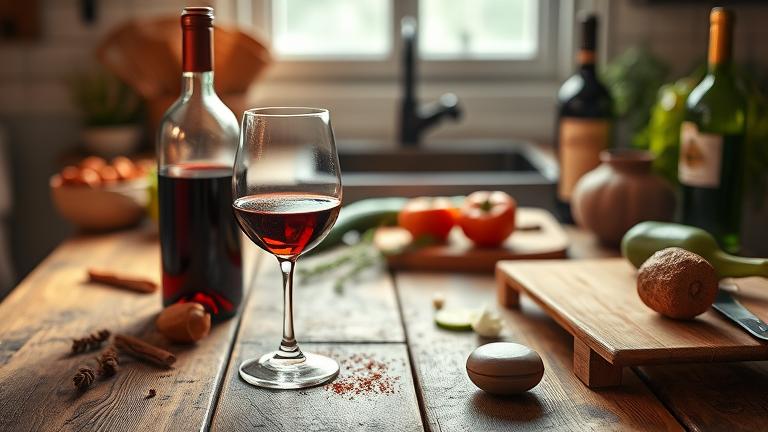
Is Old Wine Safe for Cooking?
If you’ve ever opened a bottle of wine and wondered whether it’s still good for cooking, you’re not alone. Many home cooks keep leftover wine in the fridge, but the question is: is old, opened wine safe to use in your recipes? The answer depends on how the wine has been stored and whether it has spoiled. Using spoiled wine can affect the flavor of your dish and, in some cases, might even pose health risks.
First, it’s important to understand that wine, like many perishable products, can go bad once opened. When properly stored in the fridge with a tight seal, most wines can last for about 3 to 5 days. After that, they may start to degrade in quality. While using slightly older wine in cooking is generally safe, very old or spoiled wine can cause issues. If your wine smells off, looks cloudy, or has a strange appearance, it’s best to discard it. Drinking spoiled wine is not recommended, and it can negatively influence your dishes too.
How to Tell If Your Wine Has Gone Bad
- Smell Test: Give your wine a sniff. If it smells sour, musty, or like vinegar, it’s a sign that it has fermented beyond the intended level. While a touch of sourness can sometimes add flavor, an overpowering or strange odor usually indicates spoilage.
- Visual Clues: Check the wine’s color and clarity. If it looks cloudy, has sediment that wasn’t there before, or shows any mold, it’s safer to toss it.
- Taste: If the wine tastes excessively sour or has an off flavor, do not use it in cooking. Usually, a small sip not to be used in the dish is enough to judge if it’s safe.
Is It Safe to Use Slightly Old Wine in Cooking?
Yes, in most cases, slightly aged or opened wine that’s still within its freshness window can be safely used in cooking. Heating wine during cooking kills most bacteria and pathogens, making it a safe ingredient. Use your judgment about smell and appearance first. Even if the wine has lost some aroma or richness, it can still add depth and flavor to sauces, stews, and marinades.
However, avoid using wine that has gone beyond its prime. It might not ruin your dish but could introduce undesirable flavors. Plus, if the wine has turned to vinegar or has a strong sour smell, it’s best not to incorporate it into your recipes.
Tips for Storing Wine Safely
- Seal the bottle tightly after opening, using the original cork or a wine stopper.
- Store opened wine in the fridge to slow down spoilage.
- Use leftover wine within a few days to ensure freshness.
Summary
In conclusion, old opened wine can often be used safely in cooking if it has been stored properly and shows no signs of spoilage. Always check for any off-odors, cloudiness, or changes in appearance before adding it to your recipes. When in doubt, trust your senses. Using good judgment will help ensure that your dishes turn out tasty and safe to eat. Remember, cooking with wine is about enhancing flavors so start with fresh or properly stored wine whenever possible for the best results.
Best Wines to Use in Recipes
Choosing the right wine can make a big difference in your cooking. Whether you’re making a hearty stew, a pasta sauce, or a flavorful marinade, the type of wine you add can boost the taste and add depth. So, what are the best wines to use in recipes? Let’s explore some practical tips to help you pick the perfect bottle for your dish.
First, it’s important to know that not all wines are created equal when it comes to cooking. You don’t need an expensive bottle, but avoid using cooking wines with lots of added salt or artificial flavors. Instead, select good-quality wines you would drink. Usually, a decent table wine works well something you enjoy sipping.
Red Wines for Cooking
Red wines add richness and robust flavor to dishes like beef stews, chili, or pasta sauces. Popular choices include Cabernet Sauvignon, Merlot, and Pinot Noir. If you’re looking for a versatile red wine, Merlot is a safe bet. It has smooth tannins and a fruity profile that won’t overpower your dish.
For heartier recipes, such as braised short ribs or a rich tomato-based sauce, use full-bodied reds like Cabernet Sauvignon or Syrah. Just remember, the stronger the wine’s flavor, the more it will influence your dish. Always cook with wines you enjoy drinking so that the flavors translate well.
White Wines for Cooking
White wines are great for lighter dishes like seafood, chicken, or creamy pasta sauces. Options like Sauvignon Blanc, Pinot Grigio, and Chardonnay are popular choices. Sauvignon Blanc is crisp and citrusy, perfect for seafood dishes. Chardonnay, especially unoaked versions, adds a subtle richness without overpowering the dish.
When choosing a white wine, opt for one that is fresh and fruit-forward. Avoid overly sweet wines unless your recipe specifically calls for sweetness. Remember, the wine should complement the ingredients and not dominate the flavors.
Cooking with Sparkling and Dessert Wines
Sometimes, sparkling wines like Champagne or dry Prosecco are used to add a touch of elegance to sauces or desserts. They bring a subtle, bubbly acidity that can brighten a dish.
Dessert wines such as Port, Sherry, or Muscat are excellent for sweet sauces, reductions, or marinating fruits. Use them sparingly, as their sweetness can quickly overpower the dish. These wines bring depth and complexity, especially in recipes like fruit compotes or chocolate sauces.
Tips for Choosing and Using Wine in Cooking
- Always use wines that you would enjoy drinking. Cheap or poor-quality wines can introduce off-flavors.
- Avoid cooking wines with added salt, sugar, or artificial ingredients.
- Don’t use cooking wine as a substitute for good-quality wine in your recipe. The better the wine you start with, the better your dish will taste.
- Simmer wine in your dish to reduce its alcohol content and concentrate its flavors.
By selecting the right wines and adding them thoughtfully, you can enhance your recipes and create richer, more flavorful dishes. Remember, cooking with wine is about balancing flavors so experiment and find what works best for you and your palate.
Easy Ways to Incorporate Leftover Wine
If you have leftover wine sitting in your fridge, don’t let it go to waste. Using leftover wine in your cooking can add depth and flavor to many dishes. Whether it’s half a bottle of red or white, there are simple ways to incorporate it into your meals. Here are some friendly and practical ideas to make the most of your leftover wine.
1. Use it in sauces and gravies
Leftover wine is perfect for making flavorful sauces. After cooking meat or vegetables, deglaze the pan by pouring in a splash of wine. Scrape up the browned bits stuck to the pan, which are packed with flavor. Let the wine simmer for a few minutes until it reduces and thickens. You can then add herbs, butter, or cream to make a rich sauce for steak, chicken, or roasted vegetables. This simple step enhances your dish and prevents wine waste.
2. Add to soups and stews
Soups and stews absorb a lot of flavor from wine. Just a small splash added during simmering can deepen the taste without overpowering the dish. Red wine works well in beef stews or hearty chili, while white wine is great in chicken and vegetable soups. Remember to cook the wine for at least 10 to 15 minutes to allow the alcohol to evaporate, leaving only the delicious essence behind. It’s an easy way to boost flavor and make your dishes more sophisticated.
3. Enhance marinades and dressings
Marinades are a perfect spot to use leftover wine. Combine wine with herbs, garlic, olive oil, and vinegar to create a tasty marinade for meats or vegetables. The wine helps tenderize the protein and adds a subtle fruity or tannic flavor. Similarly, a splash of white wine can brighten up salad dressings. Whisk wine with oil, lemon juice, salt, and pepper, and your dressing is ready. These small additions add complexity to your everyday meals.
4. Use in risottos and grains
Cooking grains like rice, quinoa, or barley with leftover wine gives them a richer, more layered flavor. When preparing your rice, instead of plain water, replace some of it with a generous pour of wine. Simmer until absorbed, then finish with butter or cheese. This trick is especially delightful for making risottos or pilafs. It’s a simple swap that elevates your dish and makes it more memorable.
5. Make wine-based desserts
Leftover wine isn’t just for savory dishes. You can use it to create delicious desserts. For a quick treat, simmer wine with sugar and a bit of citrus to make a poaching syrup for fruits like pears, apples, or berries. You can also add wine to custards or panna cotta for a special touch. The wine’s natural sweetness and acidity complement desserts beautifully.
- Tip: Always taste the wine before cooking. If it’s very sweet or sour, adjust the amount of sugar or other ingredients accordingly.
- Tip: Avoid using overly cheap or spoiled wine. Better quality leftover wine will give your dishes a richer flavor.
Next time you have leftover wine, remember these simple tricks. Cooking with wine not only reduces waste but also adds a delicious, gourmet touch to everyday meals. Try these ideas and enjoy your cooking more creatively!
Cooking Tips for Using Open Wine
Using open wine in your cooking can add amazing depth and flavor to your dishes. Whether you’re simmering a sauce or making a marinade, knowing how to incorporate open wine properly can make all the difference. Here are some friendly and practical tips to help you get the most out of your wine while cooking.
First, always choose the right wine for your recipe. If you’re making a rich beef stew, a full-bodied red like Cabernet Sauvignon or Merlot works well. For lighter dishes or seafood, a dry white such as Sauvignon Blanc or Pinot Grigio is a good choice. Avoid cooking with wine that you wouldn’t enjoy drinking, as its flavor will concentrate during cooking.
Once you open a bottle, remember that wine can lose its flavor quickly. To keep it fresh, reseal it tightly with a cork or a wine stopper and store it in the refrigerator. This helps preserve its quality for a few days, which is perfect if you didn’t use the entire bottle at once.
When adding wine to your recipes, consider the timing. Pour the wine into hot oil or a heated pan early in the cooking process to let the alcohol evaporate and the flavors to meld. Typically, adding wine during the simmering stage allows the flavors to develop without overpowering the dish. If you add it too early, the alcohol might cook off completely, and some of the depth may be lost.
Be mindful of portion sizes. Often, a splash or two is enough to brighten up a sauce or stew. Using too much wine can make your dish taste unbalanced or overly alcoholic. A good rule of thumb is to use about one-third to one-half cup of wine for a sauce serving four people. You can always adjust as you go along.
Another helpful tip is to let the wine reduce. After adding wine, simmer your dish uncovered until the liquid thickens and concentrates. This step intensifies the flavor and removes that raw wine taste, creating a smooth, balanced finish.
If you’re using open wine in marinades, combine it with herbs, garlic, and oil to tenderize meats and infuse them with flavor. Remember to marinate in the fridge and avoid over-marinating, which can turn the meat mushy.
Lastly, don’t forget the importance of taste-testing. Add wine gradually and taste as you go. This helps prevent overpowering the dish and ensures a harmonious blend of flavors. If the wine seems too strong, balance it with a splash of broth, cream, or a touch of sugar.
- Use wines suited to your dish’s flavor profile.
- Store opened wine properly to maintain its freshness.
- Add wine early enough to develop flavor but not so early that it cooks off completely.
- Use the right amount; less is often more.
- Let the wine reduce for richer taste.
- Taste as you cook to get perfect flavor balance.
By following these simple tips, you can turn open wine from a leftover into a flavorful boost for your favorite recipes. Happy cooking!
Delicious Recipes with Opened Wine
Using opened wine in your cooking is a fantastic way to add depth and flavor to your dishes. Whether you have leftover red, white, or rosé, there are plenty of tasty recipes that highlight wine as a key ingredient. Incorporating wine into your cooking not only enhances taste but also makes use of what might otherwise go to waste.
One popular way to use opened wine is in hearty stews and braises. Red wine, for instance, pairs wonderfully with beef or lamb. To start, choose a good quality but affordable bottle. You can slowly simmer beef with red wine, onions, garlic, and herbs for a rich, tender dish. As the wine reduces, it deepens the flavors and creates a luscious sauce. Don’t forget to skim off any foam that forms during cooking and check the seasoning at the end to balance the acidity of the wine.
White wine is perfect for lighter, more delicate recipes. A classic choice is seafood pasta. Cook your pasta until al dente and set aside. In a pan, sauté garlic and cherry tomatoes in a splash of white wine until fragrant. Add cooked seafood, such as shrimp or mussels, and finish with fresh herbs like parsley. The white wine adds brightness and helps create a flavorful sauce without overpowering the seafood. For an extra touch, sprinkle with a little grated Parmesan cheese before serving.
Rosé wine can also shine in recipes. It’s excellent for areas where you want a somewhat fruity and refreshing flavor. Try making a sangria-inspired chicken marinade. Mix rosé with orange juice, a little honey, and herbs like thyme or rosemary. Marinate chicken pieces for a few hours before grilling or baking. The wine tenderizes the meat and infuses it with a subtle fruitiness. You can also deglaze a pan with rosé after searing chicken or vegetables, scraping up all the flavorful bits to create a simple but tasty sauce.
If you’re interested in baking, wine can add moisture and flavor to desserts. Red wine chocolate cake is a decadent treat. Incorporate a splash of red wine into your cake batter to enhance the richness of the chocolate. It also pairs wonderfully with a red wine glaze or whipped cream. For a lighter option, try poached pears in white wine. Simmer peeled pears in white wine with sugar and cinnamon until tender. The resulting pears are tender and infused with aromatic wine, making a lovely dessert.
Here are some quick tips for cooking with opened wine:
- Always use wine that tastes good on its own because its flavor will concentrate during cooking.
- Use wine in recipes that involve reduction or simmering to mellow the acidity.
- Leftover wine can be stored in the fridge for up to 3–4 days in a sealed container. Shake or stir before using again.
- Avoid pouring spoiled or vinegar-like wine into your dishes. It can ruin the flavor.
Remember, the key to great cooking with wine is to balance its acidity and richness with other ingredients. Experiment with different types and amounts to find what works best for your dishes. Cooking with opened wine is a smart, tasty way to elevate your meals and make sure nothing goes to waste.