
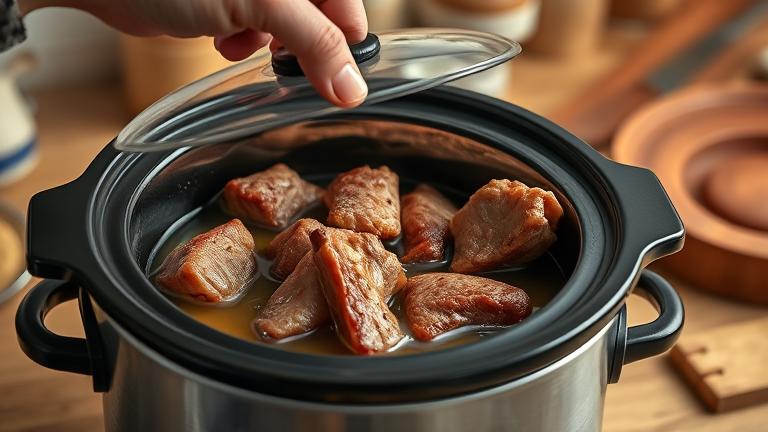
Do you need to cover meat in a slow cooker?
When using a slow cooker, one common question is whether you should cover the meat completely with liquid. The answer depends on the type of meat and the recipe you’re following. In most cases, keeping the meat submerged helps it cook evenly and stay tender. However, there are some exceptions and tips to get the best results.
In a slow cooker, the main goal is tender, flavorful meat. Covering the meat with liquid, like broth, water, or sauce, ensures it stays moist during long cooking times. The sealed lid traps steam and heat, which helps cook the meat gently and evenly. If you leave the meat partly uncovered, the top may dry out or cook unevenly. So for most recipes, it’s best to keep the meat fully covered.
For tougher cuts like brisket, chuck roast, or pork shoulder, covering the meat completely is especially helpful. These cuts benefit from slow, moist heat to break down tough fibers and become melt-in-your-mouth tender. Adding enough liquid to cover at least the bottom part of the meat prevents it from drying out and ensures flavors blend well.
However, not all recipes require the meat to be fully submerged. Some dishes, like certain pot roasts or stews, may call for a partial cover. If you only add enough liquid to come halfway up the meat, the top may brown slightly or develop a different texture. This method can add a layer of flavor but might require occasional checking and topping up with more liquid if needed.
Keep in mind that if you cover the meat completely with a lot of liquid, the resulting dish will be soupier or more stew-like. If you prefer a thicker, gravy-like sauce, you can cook the meat partially covered and then reduce the liquid afterward. Removing the lid towards the end of cooking helps thicken the sauce and intensify flavors.
Here are some practical tips:
- Use enough liquid to cover at least half of the meat for tender results.
- For dishes like pot roast, covering the meat fully with broth or water is usually best.
- If aiming for a thicker sauce, keep the lid partly off during the last part of cooking to reduce excess liquid.
- Always check your recipe for specific instructions on covering or uncovering the meat.
- Be cautious not to add too much liquid, which can dilute flavors or make the dish watery.
In summary, covering meat in a slow cooker generally helps achieve moist, tender results and enhances flavor infusion. While some recipes benefit from partial coverage or less liquid, most meats fare best when fully submerged or at least well-covered to prevent dryness and ensure even cooking.
Best practices for slow cooking meat
Slow cooking meat is a fantastic way to tenderize tough cuts and develop rich, flavorful dishes with minimal effort. To get the best results, it’s important to follow some key techniques. These simple tips will help you achieve perfectly cooked, juicy meat every time.
First, choosing the right cut of meat makes a big difference. Tougher cuts like chuck roast, brisket, or pork shoulder work well because they benefit from long, slow cooking methods that break down connective tissue. Avoid lean cuts like loin or tenderloin, as they can overcook quickly and become dry.
Next, pay attention to liquid levels. When slow cooking, enough liquid is needed to keep the meat moist and to create a flavorful sauce or broth. Generally, you want to add enough liquid to cover about one-third to one-half of the meat. This prevents drying out and helps keep the meat tender. Common liquids include broth, water, wine, or a combination with herbs and spices for added flavor.
Temperature settings are crucial for slow cooking success. Most slow cookers have low and high settings. For tougher cuts that need gentle cooking, opt for the low setting. This usually means cooking at around 190°F (88°C) for several hours. If you’re pressed for time, the high setting, around 290°F (143°C), can be used but may result in less tender meat if overdone. Always follow recipes or your slow cooker’s instructions to prevent over or undercooking.
Timing is another important aspect. Typical cooking times for meat in a slow cooker range from 6 to 8 hours on low or 4 to 6 hours on high. It’s best to check the meat’s tenderness rather than relying solely on time. The meat should be easy to shred or cut with a fork. Remember, slow cookers vary in their heat levels, so experience and regular checks help you find the perfect timing for your specific appliance and cut of meat.
Here are some practical tips to enhance your slow-cooked dishes:
- Trim excess fat from the meat to prevent greasy results.
- Brown the meat in a skillet before adding it to the slow cooker for deeper flavor and color.
- Layer vegetables underneath the meat to absorb flavors and prevent sticking.
- Keep the lid on during cooking to maintain consistent temperature and moisture.
- Allow the meat to rest for a few minutes after cooking before serving. This helps the juices settle and keeps the meat moist.
Finally, be cautious with adding too much liquid, as it can make the dish watery. A good rule is to keep the liquid just enough to cover part of the meat and add more only if necessary towards the end of cooking. With these best practices, your slow-cooked meat will come out tender, flavorful, and perfect for hearty meals or gatherings.
How to prepare meat for slow cooking
Getting your meat ready for slow cooking is an important step that can make a big difference in the flavor and texture of your dish. Proper preparation helps enhance taste, tenderize the meat, and ensure your meal turns out deliciously juicy. Whether you’re using beef, pork, chicken, or other meats, these simple steps will set you up for slow-cooked success.
1. Choose the right cut of meat
For slow cooking, select cuts that become tender with long, gentle heat. Tougher cuts like chuck roast, pork shoulder, or chicken thighs are ideal because they break down over time, becoming juicy and flavorful. Avoid lean cuts like sirloin or tenderloin, which can become dry if cooked too long.
2. Trim excess fat and connective tissue
Before cooking, examine your meat and remove any large chunks of fat or silver skin thin, silver-colored connective tissue that can be tough. Trimming excess fat helps prevent a greasy final dish and allows flavors to permeate the meat better. Use a sharp knife for clean cuts, and don’t remove all fat some is good for flavor and moisture.
3. Season the meat
Well-seasoned meat makes a big difference. Start by rubbing the surface with salt and pepper. For extra flavor, add garlic powder, onion powder, paprika, or herbs like thyme and rosemary. You can also marinate the meat in a simple mixture of oil, vinegar, and spices for a few hours before cooking. This adds depth to the flavor and helps tenderize the meat naturally.
4. Sear or brown the meat
While not always necessary, browning or searing meat before slow cooking enhances its flavor through caramelization. Heat a little oil in a skillet over medium-high heat. When hot, add the meat and cook until all sides are golden brown. This step adds a rich, complex flavor that develops during the slow cooking process.
If you’re short on time, you can skip this step, but be aware that the final dish might lack some depth. Searing is especially recommended for large cuts or when you want a deep, roasted flavor.
5. Add liquids and aromatics
Place the prepared meat into your slow cooker and add liquids such as broth, wine, or tomato sauce. These help keep the meat moist and create a flavorful base. Add vegetables like onions, garlic, carrots, or celery for extra aroma. Herbs like bay leaves or thyme sprigs also help boost flavor during cooking.
Tips for success
- Always pat meat dry before searing to prevent steaming and ensure good browning.
- Use fresh or high-quality seasonings to enhance flavor.
- Don’t overload the slow cooker; leave some space for heat circulation.
- Cooking times vary depending on the cut and size of meat check for doneness by internal temperature or tenderness.
Common mistakes in slow cooker recipes
Slow cookers are a fantastic tool for making hearty meals with minimal effort. But even seasoned home cooks can slip up if they’re not careful. Understanding some of the most common mistakes can help you get better results every time. From adding too much or too little liquid to overfilling the cooker, these errors can impact the flavor and texture of your dishes.
One of the biggest mistakes is not adjusting the liquid levels properly. Unlike stovetop cooking, slow cookers require just enough liquid so food stays moist but not swimming in water. Too much liquid can make your dish watery and dilute flavors. Too little, and your ingredients might dry out or stick to the bottom. A good rule of thumb is to fill the slow cooker about halfway with ingredients, then add enough liquid to cover loosely.
Another common error is overfilling the slow cooker. Filling it more than three-quarters full leaves little room for ingredients to cook evenly. Overstuffing can cause uneven cooking, with some parts underdone and others overcooked. It also increases the chance of spilling hot liquid when you try to open or move the lid. To avoid this, always follow the fill level recommendations in your recipe or appliance manual.
Using the wrong cooking time is also a frequent mistake. Many home cooks rely on guesswork instead of actual recipe timings. Slow cookers vary in how hot they get and how quickly they cook. Rushing to cook on high for too long can lead to overcooked or dried-out food. Conversely, cooking on low for the right amount of time ensures tender, flavorful results. Always stick to the recommended cooking times, and adjust if your appliance runs hotter or cooler.
Another pitfall is not chopping ingredients properly. Large chunks of meat or vegetables may take longer to cook through and might not become tender enough by the end of cooking. Conversely, very small pieces can turn to mush. Aim for evenly sized pieces so everything cooks uniformly. For meats, this often means cutting into chunks about the size of a golf ball.
It’s also essential not to lift the lid too often. Every time you do, heat escapes, and it can take a while for the cooker to return to the right temperature. This prolonged heat loss can extend cooking times and affect the final texture. If you need to check on your dish, do so quickly and only when necessary.
Last but not least, some cooks forget to brown or sear ingredients beforehand. While slow cookers are convenient, they don’t develop the same depth of flavor as browning on the stove. For richer, more complex dishes, take a few extra minutes to sear meats or sauté vegetables before adding them to the slow cooker. This small step makes a big difference in flavor.
- Remember to follow recipe instructions closely for best results.
- Adjust liquid levels based on the ingredients and your slow cooker’s size.
- Use time as a guide, but be flexible based on your appliance’s behavior.
- Keep the lid on during cooking to prevent heat loss.
- Prepare ingredients properly for even cooking and better taste.
Tips for flavorful slow-cooked meat
Slow cooking is a fantastic way to make meat tender and tasty. To get the most flavor out of your dish, there are a few simple tips to keep in mind. From seasoning basics to adding aromatics, these tricks will help you create delicious, satisfying meals every time.
First, don’t be shy with your seasonings. Since slow cooking can mellow flavors, it’s important to use enough salt, herbs, and spices. Start with a good quality salt and taste as you go. Consider adding garlic, onion powder, paprika, or cumin for depth. Fresh herbs like thyme, rosemary, or bay leaves also boost flavor, but remember to remove whole herbs before serving.
Another key tip is to layer your flavors. Begin by searing or browning your meat in a hot skillet before slow cooking. This step adds a rich, caramelized flavor that develops deep in the dish. It also creates a flavorful base for your slow cooker. If you prefer not to brown, you can still add flavor with seasonings and aromatics directly to the slow cooker.
Adding aromatics like garlic, onions, carrots, and celery enhances the overall taste. Chop them into chunky pieces so they don’t turn to mush over long cooking times. For extra depth, try adding a small amount of tomato paste or Worcestershire sauce. These ingredients add umami, making your meat taste richer and more complex.
Be cautious with liquids. Use just enough to keep the meat moist and allow flavors to meld. Broth, wine, or a splash of soy sauce can be good choices. Too much liquid can dilute flavors, so add conservatively. Remember, the lid of your slow cooker traps moisture, so adjust liquid levels accordingly.
Another helpful tip is to cook your meat slowly at a low temperature. This gentle approach allows flavors to develop gradually and keeps the meat tender. High heat can cause the meat to toughen or dry out. Typically, a 6-8 hour cook time on low yields the best results for roasts, briskets, and other hearty cuts.
Consider adding a splash of acid near the end of cooking. Vinegar, lemon juice, or a dash of hot sauce can brighten up the dish and balance richness. A little acidity can also help tenderize the meat slightly, making each bite more flavorful.
Finally, taste and adjust before serving. If you think the dish needs more seasoning or acidity, add it gradually. This helps you avoid over-seasoning, ensuring every bite is just right. Remember, slow-cooked meat tends to taste even better the next day, so leftovers can be full of flavor too.
- Use generous seasoning and fresh herbs for added taste.
- Sear meat beforehand for a richer flavor base.
- Add aromatics and umami boosters like tomato paste or Worcestershire sauce.
- Use just enough liquid to keep the meat moist, not to drown it.
- Cook on low heat for at least 6 hours for tender results.
- Finish with a splash of acid for brightness.