
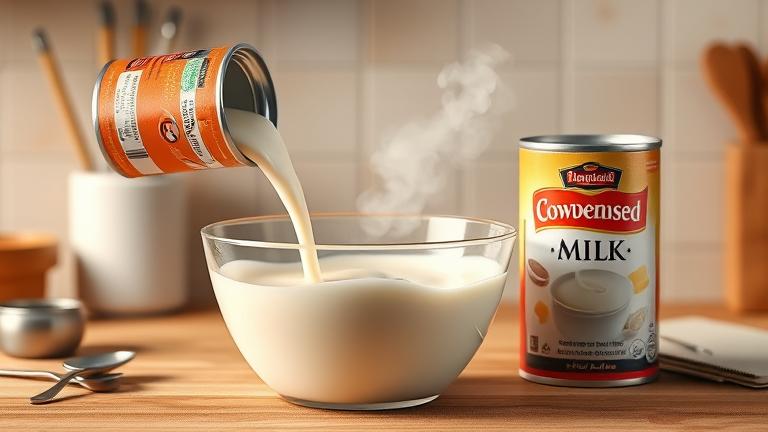
Can Evaporated Milk Be Made into Condensed Milk?
Many home cooks wonder if they can turn evaporated milk into condensed milk, especially when they don’t have the right ingredient on hand. The short answer is that evaporated milk and sweetened condensed milk are made differently, so you can’t simply turn one into the other by boiling or mixing. But understanding what sets them apart helps you see why.
Both evaporated and condensed milk start with the same base: milk that’s been heated to remove much of its water content. The difference lies in the final step. Sweetened condensed milk has a lot of sugar added, making it thick, sweet, and syrupy. Evaporated milk, on the other hand, is unsweetened and only lightly sweetened during processing.
The Key Differences
- Sweetened condensed milk: Contains around 40-45% sugar. It’s thick, sticky, and very sweet. It’s used in desserts, fudge, and coffee.
- Evaporated milk: Has little or no added sugar. It’s creamy and milky but not as sweet or sticky as condensed milk.
Because of the high sugar content, sweetened condensed milk is more viscous and has a distinctive caramel-like flavor from the cooking process. Simply boiling evaporated milk will not produce the same texture or flavor. In fact, it might curdle or scorch if not done carefully.
Can You Make Condensed Milk from Evaporated Milk at Home?
While you can’t turn evaporated milk into canned sweetened condensed milk by just boiling, you can create a homemade version pretty easily. The trick is to add sugar to evaporated milk and heat it gently until it thickens and becomes sweetened condensed milk in taste and consistency.
How to Make Homemade Sweetened Condensed Milk
- Pour 1 cup of evaporated milk into a saucepan.
- Add 1 cup of sugar. You can adjust the sweetness later if needed.
- Heat the mixture over low to medium heat. Stir constantly to prevent burning or sticking.
- Let the mixture simmer gently. Keep stirring until it reduces by about one-third and thickens. This usually takes 15-20 minutes.
- Once thickened, remove from heat. Let it cool before using.
This homemade version mimics store-bought sweetened condensed milk quite well and works perfectly in recipes that call for it. Remember, because you’re adding sugar, it will be much sweeter than evaporated milk alone. Adjust the sugar quantity if you prefer a less sweet result.
Tips for Success and Common Mistakes
- Use a heavy-bottomed pan to prevent scorching.
- Stir constantly, especially as it thickens.
- Be patient rushing the process can cause burning or uneven cooking.
- If you want a thicker version, keep simmering until the mixture reaches your desired consistency.
Making your own sweetened condensed milk from evaporated milk is a clever shortcut, especially when you don’t have pre-made canned variety. It’s practical, cost-effective, and allows you to control the sweetness. Just remember that boiling evaporated milk alone won’t turn it into condensed milk; it needs the addition of sugar and gentle cooking to achieve that rich, sweet final product.
Methods to Turn Evaporated Milk into Condensed Milk
If you have evaporated milk on hand and want to make your own sweetened condensed milk, don’t worry. It’s easier than you think and requires just a few simple ingredients. This process involves adding sugar and gently cooking the mixture until it thickens. Below, you’ll find practical methods to convert evaporated milk into condensed milk at home.
Basic Method: Simmer and Sweeten
The simplest way to turn evaporated milk into condensed milk is by adding sugar and simmering the mixture until it reaches a thick, creamy consistency. This process enhances the sweetness and texture, making it perfect for desserts like pies, cakes, or coffee drinks.
- Gather 1 cup of evaporated milk and ⅓ to ½ cup of granulated sugar. You can adjust the sugar amount based on your taste preference.
- Pour the evaporated milk into a saucepan and warm it over medium-low heat. Be sure to stir constantly to prevent sticking or burning.
- Add the sugar gradually, stirring continuously until completely dissolved.
- Keep simmering gently, stirring frequently. The mixture should reduce by about half and thicken naturally, which usually takes around 20–30 minutes.
- Once the mixture reaches a creamy, pourable but thickened consistency, remove it from heat. Let it cool before using or storing.
This method produces a sweetened condensed milk similar in flavor and texture to the store-bought version, though it might be slightly less thick unless cooked longer. Remember, keep an eye on the heat to avoid scorching.
Using a Double Boiler for Gentle Cooking
If you want a more controlled process, a double boiler helps prevent direct heat and overcooking. This method is gentler and reduces risk of burning the milk.
- Fill the bottom pot of the double boiler with water and bring it to a simmer.
- Pour the evaporated milk and sugar into the top pot or a heatproof bowl placed over the simmering water.
- Stir continuously until the sugar dissolves completely.
- Let the mixture cook gently, stirring often, until it thickens and darkens slightly. This may take 30–45 minutes.
- Remove from heat and allow to cool. Store in a clean jar or container in the refrigerator.
This method offers better control and reduces the chance of burning, producing a smooth and evenly sweetened condensed milk.
Quick Trick: Using Condensed Milk Powder
If you don’t have time for cooking, another option involves mixing evaporated milk with sweetened condensed milk powder. This isn’t a direct transformation but can mimic the flavor and sweetness.
- Mix 1 cup of evaporated milk with 1/4 cup of sweetened condensed milk powder.
- Stir well until fully combined and smooth.
- You can warm slightly or add sugar if desired.
This quick method is useful for recipes where exact consistency isn’t critical but still gives a sweet, condensed milk-like quality.
Tips for Success
- Always stir constantly to prevent the mixture from scorching, especially during longer simmering.
- Adjust sweetness based on your needs – add more sugar for traditional taste, less if you prefer it lighter.
- Let the condensed milk cool before using it in recipes or storing it in the fridge for up to a week.
- Store in an airtight container to maintain freshness.
Step-by-Step Guide to Making Condensed Milk
Making homemade condensed milk from evaporated milk is a simple and satisfying process. It allows you to control the sweetness and avoid any added preservatives or artificial flavors. Plus, it’s a great way to use leftover evaporated milk or create a fresh ingredient for your desserts.
Before starting, gather your ingredients and tools. You will need evaporated milk and sugar as the main components. A mixing pot, a whisk or spoon, and a stove are all you require.
Step 1: Measure Your Ingredients
Start by measuring out one cup of evaporated milk and exactly half a cup of sugar. You can adjust the sweetness later if needed. Using precise measurements helps achieve the right thick consistency that resembles store-bought condensed milk.
Step 2: Heat the Milk
Pour the evaporated milk into a medium-sized saucepan. Place it on low to medium heat. The goal here is to gently warm the milk without boiling it. Gentle heating helps dissolve the sugar evenly and prevents burning or scorching.
Step 3: Dissolve the Sugar
Once the milk is warm, add the sugar gradually while stirring constantly. Keep stirring until the sugar completely dissolves into the milk. This usually takes a few minutes. Do not rush this step to ensure a smooth, grain-free texture.
Step 4: Simmer and Thicken
Reduce the heat to low and let the mixture simmer gently. Stir frequently to prevent the milk from sticking to the bottom of the pan. During this stage, the mixture will start to thicken and reduce. Be patient this process can take about 20 to 30 minutes.
Keep an eye on the consistency. The condensed milk should become creamy and coat the back of a spoon. If it gets too thick, you can stir in a little warm water to loosen it up slightly.
Step 5: Cool and Store
Once the mixture has thickened, remove it from the heat. Allow it to cool at room temperature for a few minutes. Then, pour the homemade condensed milk into a clean jar or container.
Cover the container and refrigerate. Homemade condensed milk will keep well for about a week. If you notice separation or a change in texture, give it a good stir before using.
Tips for Success:
- Use full-fat evaporated milk for creamier results.
- Stir constantly during simmering to prevent burning.
- You can add a splash of vanilla extract for extra flavor.
- Adjust sweetness by adding more or less sugar during the initial stage.
Making your own condensed milk from evaporated milk is a handy skill that comes in handy for baking and sweet recipes. With patience and careful stirring, you’ll have fresh, homemade condensed milk in no time. Enjoy your desserts and treats with this rich, homemade ingredient!
Taste and Texture: Evaporated vs. Condensed Milk
When you reach for sweetened or unsweetened milk options in the grocery store, you might notice two common choices: evaporated milk and condensed milk. Although they look similar, their taste and texture are quite different, and understanding these differences can help you decide which to use in your recipes.
Evaporated milk has a rich, slightly nutty flavor that is less sweet. It’s made by removing about 60% of the water content from regular milk, leaving a creamy and smooth product. On the other hand, condensed milk is heavily sweetened, with a thick, syrupy texture and a sweet, caramel-like taste. The added sugar in condensed milk not only makes it taste sweeter but also gives it a sticky, syrupy consistency.
In terms of texture, evaporated milk is more like thin cream or half-and-half thick but pourable. It can be added to coffee or used in baking to add creaminess without extra sweetness. Condensed milk, however, is much thicker almost like honey or syrup. It’s spoonable and sticks easily to utensils, making it perfect for desserts that need a sticky sweetness, like caramel or fudge.
The flavor differences are also noticeable. Evaporated milk offers a mild, slightly toasted milk flavor. It enhances dishes with a gentle richness without overpowering other ingredients. Condensed milk provides a bold, sweet taste that can define the flavor of your dessert. It’s especially good in recipes like key lime pie or truffles, where sweetness is key.
Here’s a quick comparison to help clarify their taste and texture:
| Feature | Evaporated Milk | Condensed Milk |
|---|---|---|
| Flavor | Rich, slightly toasted, mild | Sweet, caramel-like, intense |
| Sweetness | Unsweetened or lightly sweetened | Very sweet, with added sugar |
| Texture | Pourable, creamy | Thick, syrupy, sticky |
| Best Uses | Creamy sauces, coffee, baking | Desserts, fillings, candies |
Whether you choose evaporated or condensed milk depends on what you’re making. Use evaporated milk for a subtle creaminess that complements many savory and baked dishes. Pick condensed milk when you want a sweet, thick consistency that brings richness and sweetness to desserts. Knowing their taste and texture differences will help you get the perfect result every time.
Troubleshooting Homemade Condensed Milk
Making homemade condensed milk can be a rewarding process, but sometimes things don’t go quite as planned. If your mixture isn’t turning out the right consistency or encountering problems, don’t worry many issues can be fixed with simple steps. Here’s a helpful guide to troubleshoot common problems and ensure you end up with that smooth, creamy condensed milk you’re aiming for.
One common issue is that the mixture thickens too quickly or becomes lumpy. This usually happens if the heat is too high or if the milk was added too rapidly. To avoid this, always cook over a low to medium heat and add the milk gradually while stirring constantly. This prevents the milk from scorching or forming uneven lumps. If you notice lumps forming, try whisking the mixture vigorously or passing it through a fine sieve for a smoother texture.
Another problem is the mixture remaining too runny, making it seem more like thin milk rather than the desired condensed consistency. This can happen if you haven’t cooked it long enough or if it hasn’t reduced sufficiently. In this case, simply continue simmering the mixture, stirring frequently to prevent burning. Keep in mind that it will thicken further as it cools, so aim for a slightly thicker consistency than your final goal while still warm.
Sometimes, the condensed milk develops a grainy or crystallized texture. This may be caused by overheating or by adding ingredients too quickly. To prevent this, make sure to keep the heat gentle and stir constantly during cooking. If your milk turns grainy, you can try reheating gently and stirring in a small amount of hot water or milk to dissolve the crystals. If the texture remains rough, it’s best to start over with fresh ingredients, ensuring even heat and steady stirring.
A few cooks find that their homemade condensed milk separates or doesn’t blend well. This separation, where the milk looks oily or watery, often happens if the mixture cools too quickly or if the heat was uneven during cooking. To fix this, reheat the mixture gently while stirring until it thickens and the components blend together again. Prevent this by cooling the condensed milk gradually once finished.
Lastly, always watch for burning or scorched flavors. This occurs if the mixture is cooked over too much heat or for too long without stirring. Burnt-tasting condensed milk is hard to fix. Use a heavy-bottomed saucepan to distribute heat evenly and stir constantly. If you notice any signs of burning, it’s best to discard that batch and start fresh, ensuring the heat is kept low and consistent.
Quick Tips for Troubleshooting:
- Use a heavy-bottomed pan for even heat.
- Cook on low to medium heat and stir constantly.
- Add milk gradually and avoid rushing the process.
- Monitor the mixture closely towards the end to prevent burning or over-thickening.
- If the texture isn’t right, don’t hesitate to reheat gently and adjust consistency.
Troubleshooting is all part of the homemade cooking adventure. With patience and a few adjustments, you’ll be able to produce delicious, creamy homemade condensed milk every time!
Uses and Recipes with Homemade Condensed Milk
Homemade condensed milk is a sweet, creamy ingredient that adds richness to many treats and drinks. Its thick, sugary profile makes it perfect for desserts, beverages, and even some savory dishes. Once you have a batch ready, you’ll find plenty of ways to incorporate it into your cooking and baking.
One of the most popular uses for homemade condensed milk is making classic desserts. For example, it forms the base for caramel flan, which has a smooth, sweet flavor. It also works wonderfully in no-bake pies, cookies, and bars. Plus, it’s ideal for sweetening and thickening homemade ice creams without the need for additional sugar or stabilizers.
Homemade condensed milk also elevates beverages. Use it to craft rich coffee drinks like café con leche or iced coffee. It can be stirred into tea for a sweet, milky boost. In hot chocolate, it adds extra creaminess and sweetness, turning an ordinary cup into a comforting treat. Additionally, it is the secret ingredient in many popular milkshakes and smoothies, lending a luscious texture and caramelized flavor.
Delicious Recipes Using Homemade Condensed Milk
- Banana Fritters: Mix mashed bananas with a bit of flour, then drizzle with homemade condensed milk for a sweet finishing touch. Fry until golden for a quick, tasty snack.
- Homemade Dulce de Leche: Simmer homemade condensed milk until it caramelizes, producing a rich, spreadable dulce de leche. Spread on toast or use as a filling in pastries.
- Ice Cream: Combine homemade condensed milk with heavy cream and your favorite flavorings, then freeze. No churning needed! Popular flavors include vanilla, chocolate, or fruit-infused options.
- Coconut Dawn Bars: Mix shredded coconut with homemade condensed milk, press into a pan, chill, then cut into bars. A chewy, sweet treat perfect for snacking.
- Sweetened Beverages: Stir a spoonful into your hot chocolate or iced coffee. Adjust the amount for your preferred level of sweetness and creaminess.
Tips for Using Homemade Condensed Milk
- Saves Cost and Adds Freshness: Making your own means free from preservatives and artificial flavors. It also tends to be more affordable if you buy ingredients in bulk.
- Storage: Keep homemade condensed milk in an airtight container in the fridge. Use within a week for the best flavor and safety.
- Consistency Adjustments: If your homemade version is too thick, stir in a tiny bit of warm milk to loosen it up. If it’s too runny, cook it a little longer to thicken.
- Flavor Variations: Experiment by adding vanilla, a pinch of salt, or spices like cinnamon for unique twists.
Homemade condensed milk is a versatile ingredient that lends a homemade touch to your favorite sweets and drinks. Whether you’re making comforting desserts or enhancing drinks, its rich sweetness can turn simple recipes into delightful treats. Enjoy the process of creating this versatile ingredient and experiment with your favorite flavors and recipes.
FAQs About Making Condensed Milk from Evaporated Milk
Many home cooks wonder how to turn evaporated milk into sweet, creamy condensed milk at home. This simple process can be a great way to save money and customize your treats. Below are some common questions about making condensed milk from evaporated milk, including safety tips, variations, and storage advice.
Can I use evaporated milk to make condensed milk?
Yes, you can transform evaporated milk into homemade condensed milk. The process involves cooking the milk with sugar until it thickens and becomes sweet. It’s a handy way to create a key ingredient for desserts like caramel fudge, pie fillings, or coffee drinks, especially if you don’t have store-bought condensed milk nearby.
How do I turn evaporated milk into condensed milk?
The basic method is simple: heat evaporated milk with sugar on the stove until it thickens. You should stir constantly to prevent burning. Usually, it takes about 30-45 minutes of gentle simmering. As it cooks, the liquid reduces and the mixture becomes creamy and sweet. Be patient, and keep an eye on the temperature to avoid overheating.
Is homemade condensed milk safe to eat?
Yes, homemade condensed milk is safe if prepared properly. Make sure to use fresh, high-quality ingredients and cook the mixture thoroughly. Keep the condensed milk refrigerated and consume it within a week or two. Always refrigerate any leftovers in a clean, airtight container.
What are some common variations or flavors I can add?
You can customize your homemade condensed milk with flavorings. Try adding a splash of vanilla extract for extra aroma. For a richer taste, stir in a bit of caramel or chocolate. Some people also add a pinch of salt to enhance sweetness or use coconut milk instead of evaporated milk for a tropical twist.
How should I store homemade condensed milk?
Store the finished condensed milk in a clean, airtight container in the refrigerator. It usually keeps well for about 1 to 2 weeks. For longer storage, you can freeze it in small portions. Just thaw in the refrigerator when needed and give it a good stir before use.
What are some tips to prevent lumps or burning?
- Stir constantly while cooking to prevent sticking and burning.
- Use a thick-bottomed pan to distribute heat evenly.
- Cook on low to medium heat; avoid high temperatures which can scorch the milk.
- Keep the mixture at a gentle simmer, not a vigorous boil.
Are there any common mistakes to avoid?
- Adding too much sugar at once can cause the mixture to burn or not dissolve properly.
- Overcooking can cause the condensed milk to become too thick or even harden as it cools.
- Not stirring enough can lead to lumps or uneven cooking.