
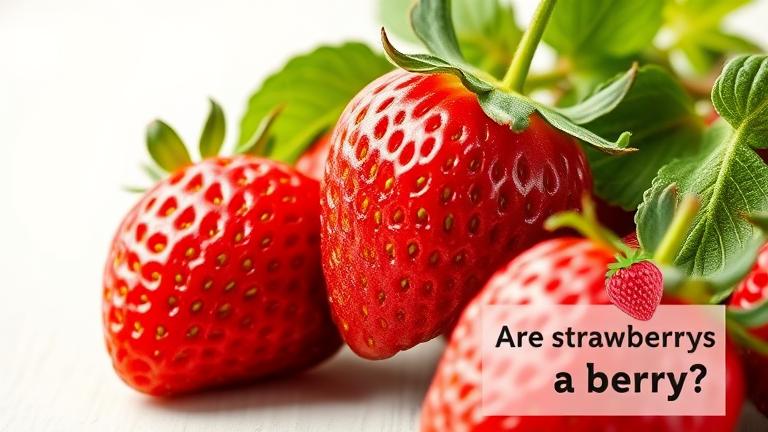
What Defines a Berry?
When you hear the word “berry,” you might imagine tiny, sweet fruits like strawberries or blueberries. But botanically speaking, the term “berry” has a special scientific meaning that can be quite different from our everyday understanding. To really understand what makes a fruit a true berry, it helps to look at it from both a botanical and a culinary perspective.
Botanically, a berry is a type of fruit that develops from a single fertilized flower. It usually contains one or more seeds surrounded by juicy flesh. Unlike other fruits, berries have a specific structure where the entire ovary, or the part of the flower that contains the seeds, becomes fleshy. This means that many fruits we call berries in the kitchen are not botanical berries at all, and some actual berries are not what we think of as berries in the grocery store.
Key characteristics of a true berry include development from a single ovary, a fleshy pericarp that is soft and juicy throughout, seeds embedded inside the flesh, and derivation from the ovary itself. Understanding these features helps distinguish botanical berries from fruits that are called berries in everyday language.
- Develops from a single ovary: The fruit forms from one flower’s ovary, not multiple flowers or other parts.
- Fleshy pericarp: The outer layer, called the pericarp, is soft, juicy, and fleshy all around.
- Contains seeds inside: The seeds are embedded inside the flesh, not on the outside or attached externally.
- Derived from the ovary: The entire ovary becomes the edible part, unlike fruits that develop from other plant parts.
For example, blueberries and tomatoes are true berries. They develop from a single ovary, have a soft, fleshy tissue, and contain multiple seeds within. In contrast, strawberries are not berries botanically because their fleshy part does not come from the ovary but instead from the flower’s surface tissue. Raspberries and blackberries are also tricky they are aggregate fruits, made from multiple small drupelets, not true berries.
Culinary Perspective on Berries
In the kitchen, people often think of berries as small, sweet, or tart fruits that are easily eaten raw. This includes strawberries, blackberries, raspberries, and blueberries. Generally, culinary berries are juicy, flavorful, and often used in desserts, smoothies, or eaten straight from the hand.
Even if a fruit doesn’t fit the botanical definition, it can still be called a berry in cooking. For example, bananas, grapes, and even avocados are technically berries in the scientific sense because they meet the criteria of developing from a single ovary and having a fleshy pericarp. However, these fruits tend to be classified differently in cuisine due to their unique textures and uses.
Why the Difference Matters
Understanding the botanical versus culinary definitions helps when cooking, gardening, or shopping for fruits. For example, knowing that tomatoes are berries can give you a new appreciation when you include them in salads or sauces. Likewise, recognizing that strawberries are not true berries can make you more aware of different fruit types and how they grow.
In summary, a berry is a fruit that develops from a single ovary, with the entire ovary becoming fleshy and juicy, and containing seeds inside. While your grocery store berries often fit the culinary idea of small, juicy bites, the botanical classification tells a different story. Knowing these differences can help you better appreciate the fascinating diversity of fruits around us.
The Botanical View of Strawberries
When you think of strawberries, you probably imagine their bright red color and sweet flavor. But scientifically, strawberries are quite unique. They belong to the class of fruits called aggregate accessory fruits, which means they don’t fit into the usual berry category you might expect.
In botanical terms, strawberries are part of the Rosaceae family, which also includes apples, roses, and raspberries. Unlike true berries like blueberries or grapes strawberries don’t develop from the ovary of a flower alone. Instead, they are formed from a flower’s swollen receptacle, which is the thickened part of the stem just below the flower.
The tiny “seeds” you see on the outside of a strawberry are actually individual fruits known as achenes. Each achene contains a seed inside, and these are attached to the surface of the strawberry’s flesh. So, when you bite into a strawberry, you’re actually tasting a cluster of many small fruits, all wrapped together on a shared surface.
Strawberries grow from runners this is a type of horizontal stem that spreads across the soil surface. These runners produce new roots and shoots, helping the plant spread and fill your garden or patch. The plant prefers well-drained, fertile soil and lots of sunlight, making them ideal for home gardens.
Most strawberries you see in grocery stores are cultivated varieties, bred for their large size, sweetness, and ease of harvest. There are different types of strawberries such as June-bearing, everbearing, and day-neutral each with unique growth cycles and fruiting habits. Knowing these differences can help you choose the right variety for your garden or table.
One interesting fact is how strawberries differ from other fruits often called berries. For example, blueberries and grapes are true berries, developing from the ovary of the flower and containing seeds inside. Strawberries, on the other hand, are not true berries at all but an example of a false or accessory fruit because their flesh isn’t derived from the plant’s ovary.
Understanding the botanical structure of strawberries not only satisfies curiosity but can also improve your gardening and cooking skills. Knowing how they grow and develop helps you take better care of your plants and choose the best strawberries for your recipes.
If you want to grow strawberries at home, look for healthy plants that show new runners and vibrant leaves. Be sure to plant them in rich soil with good drainage and plenty of sunlight. With just a bit of care, your strawberry plants will reward you with sweet, freshly picked berries to enjoy in countless ways!
Common Myths About Strawberries
Strawberries are one of the most popular and loved fruits worldwide. But along with their popularity come many myths and misconceptions that can confuse home cooks and fruit lovers alike. In this section, we’ll clear up some of the most common myths about strawberries and share the facts you need to know.
Myth 1: Strawberries are always highly pesticide-laden
Many people believe that all strawberries are coated with dangerous pesticides. While it’s true that strawberries are often treated with chemicals to protect against pests, not every berry is heavily sprayed. The key is to buy organic strawberries if you’re concerned about pesticide residues. Alternatively, washing strawberries thoroughly with water or a vinegar solution can significantly reduce pesticides and dirt.
Myth 2: You should store strawberries in the refrigerator immediately
Some think that refrigeration is always best for strawberries. In reality, it depends on when you plan to eat them. If you’re not going to use strawberries right away, storing them in the fridge helps keep them fresh longer. But if they are very ripe and you just brought them home, don’t wash them before storing. Excess moisture can cause mold. Instead, keep them unwashed in a breathable container and wash right before eating.
Myth 3: Strawberries are only good for sweet recipes
This isn’t true at all. Strawberries are incredibly versatile. Besides adding natural sweetness to desserts, they can brighten up salads, be used in salsas, or even be cooked into sauces for meats. Fresh strawberries also make a flavorful addition to drinks like smoothies, cocktails, or infused waters. Don’t hesitate to experiment beyond traditional sweet recipes.
Myth 4: The bigger the strawberry, the better it is
Many expect larger strawberries to be tastier, but size isn’t everything. Sometimes, big strawberries can be less ripe or less flavorful. Smaller berries tend to be sweeter and more concentrated in flavor. When shopping, look for berries that are bright red, firm, and smell fragrant. Size should be a secondary consideration to flavor and freshness.
Myth 5: Strawberries are bad if they have white or green tips
This myth suggests strawberries with white or green tips are not ripe or are spoiled. In fact, those tips simply mean the fruit was picked early and might need a little more ripening. You can leave the berries out at room temperature for a day or two to help them fully ripen. Just check for mold or a sour smell before eating.
Myth 6: Frozen strawberries are less healthy than fresh ones
Frozen strawberries are sometimes viewed as inferior, but that’s not accurate. In fact, freezing preserves most of the nutrients. Frozen berries are often picked at peak ripeness, which means they may be more flavorful than supermarket berries that have been stored for weeks. Use frozen strawberries in smoothies or baking where texture isn’t as critical.
- To sum up, always buy strawberries from trusted sources and store them properly.
- Look beyond size and color, focusing on aroma and firmness.
- Fresh or frozen, strawberries are nutritious and delicious in many ways.
By understanding these truths, you’ll be better equipped to enjoy strawberries at their best and avoid common misconceptions. Happy strawberry eating!
Nutritional Benefits of Strawberries
Strawberries are not only delicious but also packed with nutrients that support your overall health. These bright red berries are a fantastic addition to a healthy diet because they are low in calories but high in vitamins, minerals, and antioxidants.
One of the main health benefits of strawberries is their rich vitamin C content. This powerful vitamin helps boost your immune system, keeps your skin healthy, and aids in healing wounds. Just a cup of strawberries can provide more than 100% of your daily recommended intake of vitamin C, making them a great natural booster for your immune defenses.
Strawberries are also a good source of manganese, folate, and potassium. Manganese helps with bone development and nutrient metabolism, while folate is essential for cell growth and repair. Potassium supports healthy blood pressure and proper muscle function. Incorporating strawberries into your meals can be a simple way to increase your intake of these vital nutrients.
In addition to vitamins and minerals, strawberries are loaded with antioxidants, such as anthocyanins, ellagic acid, and quercetin. These compounds help neutralize free radicals in your body, which are unstable molecules that can damage cells and contribute to aging and diseases like cancer. The antioxidants in strawberries are credited with reducing inflammation and promoting heart health.
Strawberries are also high in dietary fiber, which is important for digestive health. Fiber helps regulate bowel movements, prevent constipation, and can even assist in managing weight by making you feel full longer. Including strawberries in your diet can improve digestion and contribute to a balanced gut microbiome.
To maximize the nutritional benefits of strawberries, it’s best to eat them fresh and ripe. Washing them thoroughly before eating or using in recipes ensures they are free of dirt and pesticides. You can add strawberries to oatmeal, yogurt, smoothies, or salads for a nutritious boost. Remember that strawberries are most nutritious when eaten raw, as cooking can sometimes reduce their vitamin C content.
- Pick ripe, bright red strawberries for the best flavor and nutrients.
- Wash strawberries gently under cold running water before eating or preparing.
- Consume strawberries soon after purchase to enjoy maximum freshness and nutrition.
- Combine strawberries with other fruits and vegetables to enhance your nutrient intake.
Overall, strawberries are a tasty and nutritious fruit that can easily fit into your daily diet. They support your immune system, aid digestion, and provide antioxidants that protect your body from damage. Including strawberries regularly is a simple step toward a healthier lifestyle.
Best Ways to Enjoy Strawberries
Strawberries are a delicious and versatile fruit that can brighten up any meal or snack. Whether you like them fresh, in desserts, or added to drinks, there are many ways to enjoy these sweet, juicy berries. Incorporating strawberries into your daily routine can be easy and tasty with a few simple ideas and recipes.
Fresh and Simple
The easiest way to enjoy strawberries is to eat them fresh. Rinse the berries gently under cold water and pat dry with a towel. Remove the green stems if you prefer, but they are edible. You can enjoy strawberries on their own or add them to breakfast bowls, yogurt, or cereal. For an extra burst of flavor, sprinkle a little sugar or drizzle honey over fresh strawberries to enhance their sweetness.
Make a Fruit Salad
Combine strawberries with other fruits like blueberries, kiwi, or melon for a colorful fruit salad. Chop the strawberries into halves or slices and toss them with your favorite fruits. For a quick and healthy dressing, mix a little lemon juice and mint leaves. This makes a refreshing snack or side dish for breakfast or lunch.
Blend into Smoothies
Strawberries are perfect for smoothies. Blend them with banana, yogurt, and a splash of juice or milk for a creamy, nutritious drink. You can also add spinach or protein powder for extra health benefits. Frozen strawberries work well too, giving your smoothie a thick, icy texture without needing ice cubes. Plus, blending strawberries is a fast way to enjoy their flavor on busy mornings.
Use in Baking
Strawberries add a natural sweetness and vibrant color to baked goods. Use them in muffins, cakes, or bread. Slice strawberries and fold them into batters or top muffins and cakes before baking. You can also make strawberry jam or compote to spread on toast, pancakes, or waffles. For a quick treat, try baking a strawberry crumble: combine sliced strawberries with a little sugar and top with a crumbly mixture of oats, butter, and flour, then bake until golden.
Make Smoothie Bowls and Parfaits
Create a delicious and visually appealing snack by layering strawberries with yogurt, granola, and other fruits in a glass or bowl. Top with extra berries or nuts for added texture. These are great for breakfast or a healthy dessert and are easy to customize with your favorite toppings.
Freeze for Later
If you have more strawberries than you can eat right away, freezing is a smart option. Wash and hull the berries, then spread them on a baking sheet to freeze individually. Once frozen, transfer them to a sealed bag or container. Frozen strawberries are perfect for smoothies or baking later on and help prevent spoilage.
- Tip: Buy strawberries in season for the best flavor and price.
- Tip: Store fresh strawberries in the refrigerator, ideally unwashed, and wash them just before use to keep them fresh longer.
- Tip: Look for bright red berries with firm texture and no white or green patches for the sweetest taste.
How to Grow Strawberries at Home
Growing strawberries at home is a fun and rewarding way to enjoy fresh, delicious berries right from your garden. Whether you have a large yard or a small balcony, strawberries are versatile and easy to cultivate with a little care. Starting with healthy plants and understanding their needs will help you produce a bountiful harvest.
First, choose the right spot for planting. Strawberries prefer a sunny location where they can get at least six hours of direct sunlight each day. Good air circulation is also important to prevent diseases. If planting in containers, make sure they have drainage holes to avoid waterlogging.
Planting Your Strawberries
There are different types of strawberries you can grow: June-bearing, everbearing, and day-neutral. Each has different seasons and fruiting patterns, so pick one that suits your growing season and taste preferences.
When planting, space the plants about 12 to 18 inches apart. If using potted plants, gently loosen the roots before placing them in the soil or container. Cover the roots completely, leaving the crown (the central growing point) just above the soil line. Water the plants well after planting to help them settle.
Caring for Your Strawberry Plants
- Water regularly: Keep the soil moist but not soggy. Strawberries need about an inch of water per week, especially during fruiting season.
- Mulch: Apply mulch, such as straw or wood chips, around the plants. Mulch helps retain moisture, suppress weeds, and keep the fruit clean.
- Fertilize: Use a balanced fertilizer at planting time and again during the growing season. Be careful not to over-fertilize, as this can lead to lots of leaves but fewer berries.
- Weed control: Keep the area free of weeds, which compete for nutrients and water. Regularly check for and remove weeds gently.
- Pest management: Watch out for pests like aphids or slugs. Use eco-friendly pest control methods if needed, such as handpicking or natural repellents.
Harvesting Your Strawberries
Strawberries are usually ready to harvest when they turn fully red and feel firm. Pick the berries early in the morning for the best flavor. Gently twist or cut the fruit from the plant to avoid damaging the crown.
Harvest regularly to encourage more fruiting. Be careful not to leave overripe berries, as they can attract pests and spoil quickly. Store your freshly picked strawberries in the refrigerator and enjoy them within a few days for the best taste.
Extra Tips for Success
- Choose healthy plants from a trusted nursery to start off right.
- Plant strawberries in well-draining soil rich in organic matter for optimal growth.
- Rotate your strawberry bed each year to prevent soil-borne diseases.
- Protect plants from frost in cooler climates by covering them or moving containers indoors.
With patience and proper care, growing strawberries at home can be a delightful hobby. Plus, nothing beats the taste of berries you’ve grown yourself. Happy gardening!
The History of Strawberries and Their Popularity
Strawberries have been loved by people for centuries, and their history is as sweet as their flavor. These bright red berries are believed to have originated in North America, Europe, and Asia. Ancient tribes and civilizations prized strawberries for their taste and medicinal properties.
In Europe, strawberries were considered a delicacy during the Middle Ages. They were often used in herbal remedies and seen as symbols of purity and love. Royalty and the wealthy enjoyed fresh strawberries, especially during the summer months when they were easier to find. Over time, cultivation methods improved, making strawberries more accessible to the general public.
In North America, indigenous peoples knew of wild strawberries long before settlers arrived. They incorporated these berries into their diets and medicine. When European settlers came to America, they brought with them strawberry plants. By the 1600s, strawberries were cultivated in gardens across the continent.
Throughout history, strawberries often appeared in art, literature, and folklore. They were considered not just a tasty fruit but also a symbol of fertility, love, and hospitality. In the 18th century, accidental crossbreeding led to the development of larger, more flavorful strawberries. This new variety, called the “garden strawberry,” quickly gained popularity.
Fast forward to today, strawberries are one of the most popular fruits worldwide. They are grown in countries with different climates, from the United States and Spain to Japan and Australia. Thanks to modern farming techniques and global trade, strawberries are available year-round in many markets.
Popular culture has played a big role in the fruit’s fame. They’re featured prominently in desserts, drinks, and even fashion. Strawberry festivals and farm tours attract visitors eager to pick their own fresh berries. These events celebrate both the fruit’s rich history and its place in modern cuisine.
Thanks to their vibrant color and sweet flavor, strawberries continue to spread joy around the world. Whether enjoyed fresh from the garden or used in a fancy dessert, their story is a testament to their enduring appeal. From ancient herbal remedies to today’s global markets, strawberries have truly stood the test of time.