
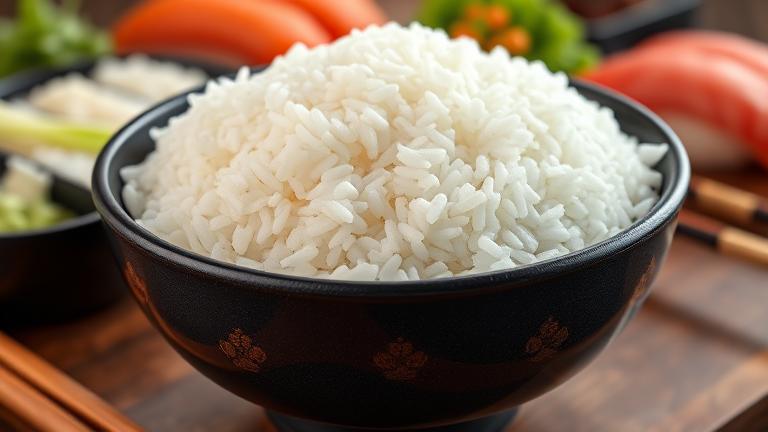
Introduction to Sushi Rice
Sushi rice is the foundation of any good sushi. It’s what gives sushi its texture, flavor, and authentic feel. Many home cooks may wonder why sushi rice is special compared to regular rice. The answer lies in its preparation and the way it’s seasoned.
Sushi rice is a type of short-grain rice that becomes sticky when cooked. This stickiness is crucial because it helps the rice hold together when forming sushi. If the rice isn’t sticky enough, your sushi rolls might fall apart. Conversely, if it’s too sticky, it can be difficult to work with. Achieving the perfect balance is part of what makes sushi rice unique.
The importance of sushi rice goes beyond just texture. The flavor of the rice itself should be mild but slightly tangy, thanks to seasoned rice vinegar. This seasoning enhances the rice and complements the flavors of fish, vegetables, and other sushi ingredients. Using good-quality rice and proper seasoning ensures your sushi tastes authentic and delicious.
What makes sushi rice suitable for sushi preparation is not only the rice variety but also how it is handled. Rinsing the rice before cooking removes excess surface starch, which can make rice too sticky or gummy. Cooking the rice properly, usually in a rice cooker or on the stove, helps it reach the ideal fluffy yet sticky consistency. After cooking, the rice is seasoned with a mixture of rice vinegar, sugar, and salt, which adds a subtle tang and sweetness.
Another key point is the timing and technique of mixing the rice with the seasoning. It’s best to fold and mix gently to keep the rice grains intact. Using a wooden spatula or rice paddle, carefully incorporate the seasoning while fanning the rice. This not only cools it down to a suitable temperature but also gives the rice a shiny appearance.
Keep in mind that sushi rice is best used fresh, within a few hours of seasoning. If you need to store it, cover it with a damp cloth to prevent it from drying out and becoming hard. However, for the best results, prepare the rice close to the time you plan to make sushi.
- Choose short-grain rice for an authentic, sticky texture.
- Rinse the rice thoroughly before cooking to remove excess surface starch.
- Use the right amount of water during cooking for a fluffy yet sticky result.
- Season the cooked rice with rice vinegar, sugar, and salt for authentic flavor.
- Mix gently and fold the seasoned rice to maintain individual grains.
With a little practice, understanding the basics of sushi rice will help you create sushi that looks and tastes wonderful. Whether you’re making simple nigiri or elaborate rolls, good sushi rice is the first step toward success in your sushi-making adventures.
Types of Rice for Sushi
When it comes to making sushi, choosing the right rice is key to achieving that perfect sticky yet tender texture. The most common type used is a special kind of Japanese rice called sushi rice or short-grain rice. This rice has unique characteristics that help it hold together well, making it ideal for forming sushi rolls, nigiri, and other sushi dishes.
Unlike long-grain rice varieties that tend to stay separate when cooked, sushi rice is short or medium grain. This means it contains more starch, which creates that sticky quality necessary for sushi. The rice should be plump and slightly glossy after cooking, with a chewy texture once cooled, providing the perfect balance for sushi making.
There are several varieties of rice suited for sushi, each with its specific features and best use cases. Let’s explore them to help you pick the right one for your next homemade sushi.
Japanese Short-Grain Rice
This is the most traditional and popular choice for sushi. Japanese short-grain rice has a high starch content, giving it a sticky texture that’s easy to shape and hold. Brands like Koshihikari and Calrose are well-loved for their fragrant aroma and soft, sticky consistency.
If you want authentic sushi, this rice is your best bet. It cooks quickly and becomes slightly chewy, providing the ideal foundation for sushi rolls, nigiri, or even hand-pressed sushi. Because it’s so sticky, it’s important to rinse the rice well before cooking to remove excess surface starch.
Medium-Grain and Other Varieties
- Medium-grain rice: Slightly longer than short-grain, this rice still retains enough starch to be sticky, but with a firmer texture. It can work for sushi if you cannot find short-grain rice.
- Sushi rice blends: Some brands offer specially formulated sushi rice blends that mix different rice types for optimal stickiness and flavor.
- Other Asian varieties: In a pinch, some people use jasmine or jasmine-style rice, but these tend to be less sticky and may require adjustments in preparation.
In general, avoid using long-grain rice like Basmati or Jasmine for sushi, as they tend to stay separate and won’t hold together well in rolls or nigiri.
Cooking Tips for Perfect Sushi Rice
To get the best results, rinse the rice thoroughly until the water runs clear. This removes excess surface starch, preventing the rice from becoming too gluey. Use a rice cooker or a heavy-bottomed pot to cook the rice evenly.
Once cooked, season the rice quickly while it’s still warm with a mixture of rice vinegar, sugar, and salt. Mix gently using a wooden spatula, and let it cool to room temperature before shaping your sushi. Keep a damp cloth over the rice to prevent it from drying out while working.
Choosing the right rice and preparing it properly will make your sushi taste much more authentic and enjoyable. Remember, the quality of your rice makes a big difference in your final dish.
Choosing High-Quality Sushi Rice
When making sushi at home, choosing the right sushi rice is step one to getting delicious results. High-quality sushi rice will give your sushi a sticky texture, shiny appearance, and authentic flavor. It’s worth taking the time to find the best rice for your dishes.
Start by looking for short- to medium-grain rice. These varieties are preferred for sushi because they become sticky when cooked, helping the rice hold together. Long-grain rice tends to stay separate and is not ideal for sushi. Popular types include Japanese short-grain rice or Calrose rice, both of which are excellent choices for authenticity.
Read the packaging carefully. Quality sushi rice is usually sold in bags labeled specifically for sushi or Japanese rice varieties. Avoid rice that is old or has been stored in a warm place, as it can lose its moisture and stickiness. Fresh rice will give you better texture and flavor.
Check for polished rice. The grains should look shiny and clean, not dull or broken. Whole grains with a smooth surface are signs of good-quality rice. Some packages include a label indicating “moisture content” or “extra polished,” which can be helpful guides.
Another important factor is the washability of the rice. Good sushi rice should wash easily and become clear water after rinsing. Rinsing removes excess surface starch, preventing the rice from becoming too gluey. Rinsing also helps in achieving the ideal sticky but separate grains.
Consider the origin. Japanese rice varieties like Koshihikari or Sasanishiki are renowned for sushi making. If possible, buy rice from reputable brands or Japanese markets. Authentic rice varieties tend to have a better flavor profile and consistent quality.
How you store your rice affects its quality too. Keep it in an airtight container in a cool, dry place. Avoid high humidity or direct sunlight, which can spoil the rice or make it stale.
Finally, don’t forget to look for reviews or ask for recommendations from experienced home cooks or experts. Personal feedback can guide you toward brands that consistently produce excellent sushi rice.
Choosing high-quality sushi rice is an investment in your cooking. With the right variety, proper storage, and a little attention to detail, you’ll set a solid foundation for delicious homemade sushi.
How to Cook Perfect Sushi Rice
Cooking sushi rice so that it has the right texture and flavor is key to making delicious sushi at home. Sushi rice should be sticky enough to hold together but still tender and fluffy. With a few simple steps and tips, you can master the art of cooking perfect sushi rice every time.
First, start with high-quality sushi rice, which is usually a short or medium-grain variety. Rinse the rice thoroughly under cold water until the water runs clear. This step removes excess starch that can make the rice too sticky or gloopy. After rinsing, drain the rice and let it sit for about 10 minutes to absorb some moisture.
Next, measure the rice and water carefully. A common ratio is 1 cup of rice to 1.2 cups of water, but this can vary slightly depending on the rice type. Use a pot with a tight-fitting lid or a rice cooker for the best results. If using a pot, bring the water to a boil over medium heat.
Once boiling, reduce the heat to low to simmer. Cover the pot tightly and let the rice cook gently for 15 to 20 minutes. Do not lift the lid during cooking, as this releases steam needed for even cooking. When the time is up, turn off the heat and let the rice sit, covered, for another 10 minutes. This resting period helps the rice finish steaming and become nice and fluffy.
While the rice is resting, prepare a seasoned rice vinegar mixture. Combine rice vinegar, sugar, and salt in a small saucepan and warm gently, stirring until dissolved. Typical proportions are around 1/4 cup vinegar, 2 tablespoons sugar, and 1 teaspoon salt per 3 cups of cooked rice. Adjust to taste if desired.
Transfer the cooked rice into a large wooden or glass bowl, and gently fold in the seasoned vinegar using a wooden spatula or rice paddle. Be careful to not mash the rice; instead, use a cutting motion to evenly distribute the seasoning. Fan the rice while mixing to help it cool and to give it a glossy appearance.
Tips for Perfect Sushi Rice
- Use freshly cooked rice within a few hours for best flavor and texture.
- Don’t overmix the rice gentle folding keeps the grains intact.
- If the rice seems too sticky, lightly rinse it with warm water before mixing it with the vinegar.
- Keep a damp towel over the rice if you’re not using it right away to prevent it from drying out.
- Adjust the seasoning to suit your taste. Some prefer more vinegar, while others like it milder.
Remember, practice makes perfect. The more you make sushi rice, the better you will get at managing the texture and seasoning to suit your preferences. With these simple steps, you’re well on your way to sushi that’s just as good as it is in your favorite restaurant.
Top Brands for Sushi Rice
If you’re making sushi at home, choosing the right rice is essential. High-quality sushi rice helps your rolls stick together nicely and gives you that authentic, slightly sticky texture. Luckily, there are several reputable brands that offer excellent sushi rice options. Let’s explore some of the most popular and trusted brands to help you start your sushi journey with confidence.
When shopping for sushi rice, look for brands that mention “short grain” or “medium grain” rice, as these varieties are best suited for sushi. These types are stickier and more cohesive, making them perfect for rolling. The following brands are known for their consistency, flavor, and quality.
1. Nishiki
Nishiki is one of the most well-known brands for sushi rice in many supermarkets. It’s a medium-grain rice that cooks up fluffy yet sticky, perfect for beginners and experienced cooks alike. Nishiki’s rice has a balanced flavor, with a slightly sweet and nutty aroma. It’s often recommended for homemade sushi rolls and rice bowls.
2. Kokuho Rose
Kokuho Rose is a premium Japanese rice that’s renowned for its quality and flavor. It is a medium-grain rice that produces a slightly firmer texture, making it a favorite among sushi chefs. Its unique milling process results in a rice that is both sticky enough for sushi and firm enough to hold its shape. This brand is especially great if you want a more authentic restaurant-style sushi rice.
3. Calrose
Calrose rice was originally developed in California but is very popular for sushi rice because of its sticky texture. It’s a versatile medium-grain rice that cooks up tender and slightly sticky, making it ideal for sushi, rice balls, and other Asian dishes. Calrose is affordable and widely available, making it a good choice for home cooks.
4. Tamanishiki
Tamanishiki is a high-end Japanese sushi rice brand that is grown with great care. It is a short-grain rice with a delicate aroma and excellent stickiness. Many chefs prefer Tamanishiki for its consistency and refined flavor, especially if you want to impress guests with authentic sushi at home.
5. Nishiki Premium Sushi Rice
This is a special version of Nishiki, designed specifically for sushi. It is a short-grain rice that melts in your mouth and provides that classic sushi texture. If you want a reliable brand with consistent results, the Nishiki Premium Sushi Rice is a solid choice.
When selecting a brand, also consider your personal taste preferences and availability in your local store. Many brands can be used interchangeably for sushi, but with quality rice, the difference is noticeable in the final product.
- Read the packaging for “sushi rice” or “short grain rice” labels.
- Buy from reputable stores or trusted online suppliers for the best quality.
- Try small packages first to see which brand you prefer before buying in bulk.
Remember, even the best brand of sushi rice needs the right preparation rinsing well, cooking with the proper ratio of water, and seasoning with rice vinegar will make your sushi truly delicious.
Tips for Making Perfect Sushi Rice
Making great sushi rice is the foundation of delicious sushi. It might seem simple, but small details can make a big difference. With a few practical tips, you can turn plain rice into the perfect sticky, flavorful base that holds sushi together beautifully.
First, always start with high-quality sushi or short-grain rice. These types of rice have the right amount of starch to create that desirable sticky texture. Rinse the rice thoroughly before cooking. Rinsing washes away excess surface starch that can make the rice too gummy. Rinse until the water runs clear, which usually takes a few washes.
When cooking rice, use the right amount of water. Typically, a ratio of 1 cup of rice to 1.2 cups of water works well for sushi rice. Check your rice package for specific instructions, as some brands might need a slight adjustment. Using too much water can result in mushy rice, while too little can leave it crunchy.
Once cooked, transfer the hot rice to a large, shallow bowl or a wooden *hangiri* if you have one. This helps cool the rice quickly and evenly. While the rice is still hot, gently fold in a seasoned rice vinegar mixture. The traditional ratio is about 1/3 cup of rice vinegar, 3 tablespoons of sugar, and 1 teaspoon of salt for every 2 cups of dry rice, but feel free to adjust based on your taste.
When adding the vinegar, do it in parts and use a wooden spatula or rice paddle. Gently mix and fold the rice to avoid crushing the grains. Use a cutting motion rather than stirring aggressively, which helps keep the rice fluffy rather than mushy. You can fan the rice while mixing to help it cool faster, giving it a shiny finish.
Tips for Perfect Sushi Rice
- Use freshly cooked rice within a few hours for best flavor and texture.
- Don’t overmix the rice gentle folding keeps the grains intact.
- If the rice seems too sticky, lightly rinse it with warm water before mixing it with the vinegar.
- Keep a damp towel over the rice if you’re not using it right away to prevent it from drying out.
- Adjust the seasoning to suit your taste. Some prefer more vinegar, while others like it milder.
Remember, practice makes perfect. The more you make sushi rice, the better you will get at managing the texture and seasoning to suit your preferences. With these simple steps, you’re well on your way to sushi that’s just as good as it is in your favorite restaurant.
Top Brands for Sushi Rice
If you’re making sushi at home, choosing the right rice is essential. High-quality sushi rice helps your rolls stick together nicely and gives you that authentic, slightly sticky texture. Luckily, there are several reputable brands that offer excellent sushi rice options. Let’s explore some of the most popular and trusted brands to help you start your sushi journey with confidence.
When shopping for sushi rice, look for brands that mention “short grain” or “medium grain” rice, as these varieties are best suited for sushi. These types are stickier and more cohesive, making them perfect for rolling. The following brands are known for their consistency, flavor, and quality.
1. Nishiki
Nishiki is one of the most well-known brands for sushi rice in many supermarkets. It’s a medium-grain rice that cooks up fluffy yet sticky, perfect for beginners and experienced cooks alike. Nishiki’s rice has a balanced flavor, with a slightly sweet and nutty aroma. It’s often recommended for homemade sushi rolls and rice bowls.
2. Kokuho Rose
Kokuho Rose is a premium Japanese rice that’s renowned for its quality and flavor. It is a medium-grain rice that produces a slightly firmer texture, making it a favorite among sushi chefs. Its unique milling process results in a rice that is both sticky enough for sushi and firm enough to hold its shape. This brand is especially great if you want a more authentic restaurant-style sushi rice.
3. Calrose
Calrose rice was originally developed in California but is very popular for sushi rice because of its sticky texture. It’s a versatile medium-grain rice that cooks up tender and slightly sticky, making it ideal for sushi, rice balls, and other Asian dishes. Calrose is affordable and widely available, making it a good choice for home cooks.
4. Tamanishiki
Tamanishiki is a high-end Japanese sushi rice brand that is grown with great care. It is a short-grain rice with a delicate aroma and excellent stickiness. Many chefs prefer Tamanishiki for its consistency and refined flavor, especially if you want to impress guests with authentic sushi at home.
5. Nishiki Premium Sushi Rice
This is a special version of Nishiki, designed specifically for sushi. It is a short-grain rice that melts in your mouth and provides that classic sushi texture. If you want a reliable brand with consistent results, the Nishiki Premium Sushi Rice is a solid choice.
When selecting a brand, also consider your personal taste preferences and availability in your local store. Many brands can be used interchangeably for sushi, but with quality rice, the difference is noticeable in the final product.
- Read the packaging for “sushi rice” or “short grain rice” labels.
- Buy from reputable stores or trusted online suppliers for the best quality.
- Try small packages first to see which brand you prefer before buying in bulk.
Remember, even the best brand of sushi rice needs the right preparation rinsing well, cooking with the proper ratio of water, and seasoning with rice vinegar will make your sushi truly delicious.
Tips for Making Perfect Sushi Rice
Making great sushi rice is the foundation of delicious sushi. It might seem simple, but small details can make a big difference. With a few practical tips, you can turn plain rice into the perfect sticky, flavorful base that holds sushi together beautifully.
First, always start with high-quality sushi or short-grain rice. These types of rice have the right amount of starch to create that desirable sticky texture. Rinse the rice thoroughly before cooking. Rinsing washes away excess surface starch that can make the rice too gummy. Rinse until the water runs clear, which usually takes a few washes.
When cooking rice, use the right amount of water. Typically, a ratio of 1 cup of rice to 1.2 cups of water works well for sushi rice. Check your rice package for specific instructions, as some brands might need a slight adjustment. Using too much water can result in mushy rice, while too little can leave it crunchy.
Once cooked, transfer the hot rice to a large, shallow bowl or a wooden *hangiri* if you have one. This helps cool the rice quickly and evenly. While the rice is still hot, gently fold in a seasoned rice vinegar mixture. The traditional ratio is about 1/3 cup of rice vinegar, 3 tablespoons of sugar, and 1 teaspoon of salt for every 2 cups of dry rice, but feel free to adjust based on your taste.
When adding the vinegar, do it in parts and use a wooden spatula or rice paddle. Gently mix and fold the rice to avoid crushing the grains. Use a cutting motion rather than stirring aggressively, which helps keep the rice fluffy rather than mushy. You can fan the rice while mixing to help it cool faster, giving it a shiny finish.
Tips for Perfect Sushi Rice
- Use freshly cooked rice within a few hours for best flavor and texture.
- Don’t overmix the rice gentle folding keeps the grains intact.
- If the rice seems too sticky, lightly rinse it with warm water before mixing it with the vinegar.
- Keep a damp towel over the rice if you’re not using it right away to prevent it from drying out.
- Adjust the seasoning to suit your taste. Some prefer more vinegar, while others like it milder.
Remember, practice makes perfect. The more you make sushi rice, the better you will get at managing the texture and seasoning to suit your preferences. With these simple steps, you’re well on your way to sushi that’s just as good as it is in your favorite restaurant.
Common Mistakes to Avoid with Sushi Rice
Preparing sushi rice might seem simple at first, but even small errors can affect the taste and texture. Sushi rice needs a little extra attention to detail to turn out just right. Knowing the common errors can help you prevent them and achieve that perfect sticky yet fluffy rice everyone loves.
One of the most frequent mistakes is using the wrong rice type. It’s important to pick short-grain or medium-grain rice because they have the right starch content to become sticky without being mushy. Long-grain rice tends to stay separate and won’t give you that ideal sushi texture. Make sure to buy rice labeled specifically for sushi or Japanese cuisine.
Another common error is not rinsing the rice thoroughly before cooking. Rinsing removes excess surface starch that can cause the rice to become overly sticky or clump together. Rinse the rice under cold water, gently swirling with your hand until the water runs clear. This step can take a few rinses but is worth it for the perfect grain separation.
Using too much or too little water during cooking is a mistake that can ruin your rice. Too much water makes the rice mushy, while too little can leave it undercooked or dry. Measure the rice and water carefully according to your rice’s instructions or standard ratios usually about 1 cup of rice to 1.2 cups of water. Adjust for your specific rice type and your cooker, if you have one.
Once cooked, many people skip the crucial step of seasoning the rice properly. A common error is adding too much or too little sushi vinegar this can result in bland or overly tangy rice. Mix the vinegar, sugar, and salt until dissolved, then gently fold it into the rice while it’s still warm. Be careful not to mash the grains during this process; use a gentle folding motion.
Timing is also important. Serve the rice at the right temperature. If it cools down too much before rolling your sushi, it can become hard and less sticky. Similarly, if it’s too hot, it might be too sticky and difficult to work with. Ideally, use the rice within 10 to 15 minutes of seasoning, when it’s warm but manageable.
Another mistake to watch out for is handling the rice with dirty or wet hands. Always use clean, slightly damp hands when shaping sushi to prevent sticking and contamination. Keep a bowl of water nearby for rinsing your hands as needed.
Finally, rushing the process or not giving the rice enough resting time can affect the overall quality. After mixing in the vinegar, let the rice sit covered with a clean cloth for a few minutes to allow the flavors to meld. This resting period also helps achieve the ideal consistency for rolling sushi.
- Use the right rice variety for sushi
- Thoroughly rinse the rice before cooking
- Measure water carefully
- Season the rice gradually and gently fold in the vinegar
- Serve at the right temperature and rest briefly after seasoning
- Keep hands and workspace clean
By avoiding these common mistakes and following these simple tips, you’ll be well on your way to making sushi rice that is perfectly sticky, flavorful, and ready for rolling.