
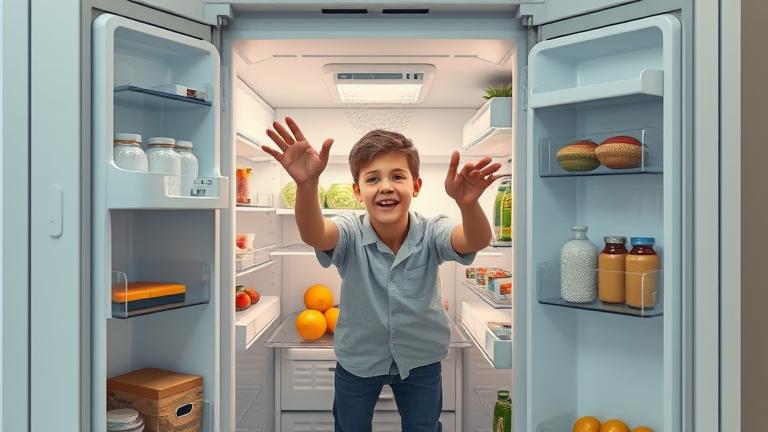
Why Would You Need to Open a Fridge From Inside?
Sometimes, you might find yourself needing to open a refrigerator from the inside. While it’s not a common situation, there are practical reasons why this could happen. Understanding these reasons can help you stay safe and prepared, especially in emergencies or unusual circumstances.
One of the main reasons people might need to open a fridge from the inside is if someone accidentally gets trapped. This can happen very easily, especially if a fridge door swings shut unexpectedly. Children are particularly vulnerable to this. If a child climbs into the fridge or if an adult inadvertently seals the door shut, knowing how to open it from the inside can be a lifesaver.
Another situation involves power outages or mechanical failures. If a freezer or fridge stops working while you’re away or sleeping, the contents could spoil if the door is left closed. In some cases, you might need to open it from inside to quickly check for food safety or to transfer items before they spoil. While this is less common, it can happen in large commercial refrigerators or if someone is working inside a fridge as part of maintenance.
Sometimes, people open their fridges from the inside for cleaning or repairs. If a fridge is malfunctioning and you need to investigate or fix something, you might temporarily open it from inside. In some older models, the door mechanism can get stuck, and opening it from inside might be necessary to troubleshoot or clear a jam.
There are also unusual but important reasons, such as if someone experiences a fall or injury inside the fridge. In a horror movie, you might see this as a dramatic plot point, but in real life, it’s a rare emergency where quick access from the inside can help rescue someone. Similarly, in extreme cases of entrapment, such as someone with mobility issues or in dangerous situations, knowing how to open the fridge door from the inside could be critical.
It’s good to be aware that some modern refrigerators have safety features, such as interior locking mechanisms, especially in commercial settings to prevent unauthorized access. If a fridge has such a lock, knowing how to open it from the inside is essential to prevent panic or build-up of distress inside the appliance.
While these scenarios are uncommon, they highlight why understanding how to open a fridge from the inside is important. Be it for safety, emergencies, or maintenance, knowing the basics can help you stay prepared and ensure everyone’s safety in unexpected situations. Remember, always use caution, and if there is ever a case of someone trapped, seek professional help if needed.
Are Fridges Designed to Be Opened from Inside?
Many people wonder if refrigerators are made so that you can open them from the inside, especially if they accidentally shut with someone inside. This question is quite common and relates to both safety concerns and fridge design. The good news is that most modern refrigerators are designed with safety features that prevent accidental entrapment from the inside.
Refrigerators, especially those used in homes, generally have safety mechanisms built in to stop someone from getting stuck. This is important because children or even adults might find themselves inside a fridge in accidental situations. Manufacturers understand the risks, which is why most fridges do not allow people to open the door from the inside easily or at all.
Design and Safety Features
Standard household refrigerators are designed primarily for storage, not for someone to enter and stay inside. In fact, most do not have an internal handle or mechanism that would allow someone to open them from the inside. This is to prevent children or pets from opening the door and getting trapped.
However, some commercial or retro-style refrigerators might look different. Old-fashioned or vintage models could lack safety features and may have the potential for someone to open them from inside if the door is forced or if there are no locks involved. But even these are rare in modern appliances.
Are There Exceptions?
- In most modern refrigerators, especially those designed for home use, there is no internal handle or latch that allows opening from inside.
- Some older or specialized models may lack safety features, so it is essential to use them carefully.
- In commercial settings, such as walk-in coolers or freezer units, safety is a top priority. These often come with safety release mechanisms that allow someone inside to open the door from the inside if needed.
Safety Features for Inside Access
For safety reasons, some commercial refrigeration units include a special inside latch or release. These are designed for emergency situations, like a worker getting trapped inside a walk-in cooler. They often involve a simple button or handle that can be activated from the inside to open the door.
In contrast, household refrigerators typically do not have this feature. If a child climbs inside and the door closes, the risk depends on whether there are safety locks or child-proof features that prevent closing completely or trapping someone. It’s good practice to keep an eye on children around appliances and ensure doors are not accidentally shut with someone inside.
Summary
In most cases, refrigerators are not designed to be opened from the inside. Modern models focus on safety by not including internal handles or mechanisms for entry. However, safety features like emergency escape releases are common in commercial refrigeration units. Always use household fridges responsibly and supervise children to avoid accidental trapping or safety hazards.
Common Situations When Inside Access Is Needed
Sometimes, you need to get inside the fridge quickly and safely. Whether it’s a forgotten item or an unexpected situation, knowing the common reasons for needing inside access can help you prepare and act effectively.
One of the most common reasons is when something gets stuck inside the fridge. Maybe a jar or a container falls and gets wedged behind shelves or against the back wall. If you can’t see or reach the item from the outside, you will need inside access. This situation can be frustrating, especially if it involves an important ingredient or a child’s favorite snack.
Another frequent scenario is when children accidentally lock themselves inside the fridge. Kids can sometimes be curious and may close the door behind them without realizing it. When this happens, safe and quick access is important to prevent panic or injury. Always remember, for children, safety comes first, so handling the situation calmly is key.
Sometimes, inside access is needed for cleaning or maintenance. Food spills or leaks might require you to reach inside to clean thoroughly or check for any damage. Also, if your fridge’s door seal starts to wear out, it could cause temperature issues. Opening the unit for inspection helps keep your food fresh and your appliance running smoothly.
There are also cases where a fridge item might fall behind the drawers or shelves. If you stored something at the back and it slips out of sight, you might need to open the fridge fully and look inside. This can help prevent food waste and avoid clutter buildup.
Here are some tips for these situations:
- Keep a flashlight nearby to see better inside your fridge if it’s dim.
- If children get locked in, stay calm and gently open the door or use the methods described below.
- Regularly check and clear out the inside to avoid surprise blockages or lost items.
- If cleaning, unplug the fridge if you need to access the compressor or electrical parts for safety.
Knowing when and why you might need inside access prepares you to act quickly and safely. Whether it’s retrieving an important item, helping a child, or doing maintenance, understanding these common situations makes fridge management easier and safer for everyone.
Safety Tips Before Opening a Fridge From Inside
Opening a refrigerator from inside might sound unusual, but it can happen in certain situations like children playing or emergencies. Before you open the fridge from inside, it’s important to keep safety in mind to prevent injuries or accidents.
First, always check the condition of the door and handle. Make sure the latch or locking mechanism isn’t damaged or stuck. If the door has a lock, confirm it is unlocked to avoid being trapped inside. Damaged latches can cause injuries or make it hard to escape, so handle them gently.
Next, ensure the refrigerator is stable. If it’s a portable fridge or a unit that isn’t fixed in place, give it a quick shake to see if everything is secure. An unstable fridge could tip over while you’re inside, risking injury. It’s especially important if the fridge is old or has been moved recently.
Before reaching inside, check for any signs of damage or leaks around the door area. Cracks, sharp edges, or broken parts can cause cuts or scrapes. Look also at the interior surfaces for sharp tools or broken shelves that might have exposed jagged edges.
Good ventilation is essential. Many old or poorly maintained fridges may have reduced airflow after opening the door. If you notice an unpleasant smell or see condensation, turn off the fridge first. This reduces the risk of inhaling harmful fumes or mold spores while inside.
Always inform someone else about your plan. Whether you’re alone at home or with family, telling another person makes sure help is available if something goes wrong. If you’re in an emergency or a situation where quick help is needed, never hesitate to ask for it.
Be cautious if the fridge has been recently cleaned or if you’ve spilled liquids inside. Slippery surfaces can cause falls or loss of balance. Wait for any cleaning agents to dry before opening from inside, or wear gloves for a better grip.
Finally, wear protective gear if necessary, like gloves to prevent cuts or a mask if there’s dust or mold. Move slowly and carefully as you open the door from inside. Rushing or forcing the door can cause injury or damage the appliance.
Remember, safety always comes first. By following these simple precautions, you can open a fridge from inside securely and avoid accidents. Take your time and stay aware of your surroundings for a safe experience.
How to Safely Open and Exit a Fridge
Opening and exiting a fridge might seem simple, but doing it safely is important to prevent accidents or injuries. Whether you’re inside the fridge for cleaning, organizing, or fixing something, following a few simple steps can keep you safe. Let’s walk through the best way to open and exit a fridge without trouble.
Preparing to Enter the Fridge
Before opening the fridge door, clear the area around it. Make sure you have enough space to work comfortably. If you plan to stay inside for a while, wear non-slip shoes to avoid slipping on any spills or leaks. Always double-check that the fridge is unplugged if you need to open it for maintenance or repairs.
Opening the Fridge Safely
- Stand close to the fridge and grasp the handle firmly.
- Pull the door slowly to prevent the door from swinging open too quickly, which can cause items to fall or cause injury.
- Pause briefly once the door is fully open to let the cool air escape. This reduces the pressure inside, making it easier to close the door later.
- If you’re entering the fridge, ensure the door is open wide enough but not so far that it might tip or fall backward.
Inside the Fridge
If you’re planning to spend some time inside, limit your stay. Use gloves if the environment is cold or messy. Be aware of your surroundings to avoid bumping into shelves or knocking over items. Take care not to damage fragile food or containers.
Exiting the Fridge Properly
- When you’re ready to leave, slowly pull the door closed while holding onto it steadily to prevent it from slamming shut.
- If the door is heavy or difficult to close, check if there are any obstructions or if the hinges need lubrication. Do not force the door shut, as this can cause damage.
- Keep your hands clear of the closing edge to avoid pinching your fingers.
- Once the door is shut, gently press around the edges to ensure it is sealed tightly. This keeps the cool air in and prevents warm air from entering, which helps preserve food freshness.
Additional Tips for Safety
- Never climb inside a fridge with the door closed behind you. It can cause entrapment and be dangerous.
- If you get stuck or feel dizzy inside the fridge, try to get out as quickly as possible and seek help.
- Regularly check the door seals and hinges for safety and proper functioning.
- Keep the fridge clean and free of clutter that could obstruct the door or cause slips.
Following these simple steps ensures you open and exit your fridge safely every time. Remember, safety is especially important when working with appliances and cold environments. Stay careful, and enjoy the convenience of your fridge without worry!
Troubleshooting: When Doors Won’t Open
If your refrigerator door refuses to open, it can be frustrating and sometimes tricky to figure out what’s wrong. Don’t worry many issues are simple to fix with a little troubleshooting. Here are some common problems that prevent refrigerator doors from opening and easy solutions to get your door working again.
Check for Obstructions
The first thing to do is see if anything is blocking the door. Sometimes, items inside or outside the fridge can jam the door open or shut tightly. Look around the edges and remove any objects or debris that might be jammed in the latch area. Be gentle so you don’t damage the seal or door. Also, check if there’s any ice buildup along the door gasket that might be causing it to stick.
Inspect the Door Gasket and Seal
The rubber gasket around the door helps keep cold air in and acts as a seal. Over time, it can become dirty, cracked, or deformed. Clean the gasket with warm soapy water and a soft cloth. If it’s damaged or stiff, consider replacing it. A worn-out gasket can cause the door to stick or make opening difficult.
Evaluate for Excessive Frost or Ice Buildup
Ice buildup inside your fridge or freezer can block the door and make it hard to open. If you notice thick ice around the edges or inside the appliance, this might be the cause. Try turning off the fridge and letting the ice melt. Once defrosted, wipe away any water and check if the door opens more easily.
Check the Door Hinges and Latches
Sometimes, hinges or latches can become loose or misaligned. Open the door carefully and inspect the hinges look for signs of damage or rust. Tighten any loose screws gently using a screwdriver. If hinges are bent or broken, you’ll need to replace them for proper door function.
Adjust the Door Alignment
If the door is crooked or misaligned, it may stick or be difficult to open. Many refrigerators have adjustable hinges or legs. Consult your user manual for instructions on how to realign the door. Sometimes, simply tightening or repositioning the hinges can solve the problem.
Address Magnetic Lock or Child Lock Features
Some fridges come with child safety locks or magnetic locks. These prevent doors from opening accidentally. Check your fridge’s control panel or door lock settings. If a lock is activated, disable it following the manufacturer’s instructions. This can often involve pressing and holding a button or flipping a switch.
When to Call a Professional
If you’ve tried all these tips and the door still won’t budge, it might be time to call a technician. Problems like damaged hinges, warped doors, or internal issues may require expert repairs. Never force the door open if it feels stuck, as this could damage the appliance.
By following these simple troubleshooting steps, you can often resolve the issue of a stuck refrigerator door. Taking the time to inspect and maintain the gasket, hinges, and seals can prevent future problems. Remember, a little preventative care goes a long way in keeping your refrigerator working smoothly and doors opening with ease.
Preventing Future Lock-Ins: Tips and Tricks
Having your child accidentally lock themselves inside a fridge can be frightening. It is a rare situation, but it’s important to be prepared and know how to prevent it. By taking a few simple safety steps, you can keep your little one safe and avoid stressful emergencies.
First, always supervise children when they are near appliances like fridges and freezers. Kids are naturally curious, and an unlocked door might look like a toy or a hiding spot to them. Keep the fridge door closed whenever not in use, and consider installing child-proof locks if you are worried about access. These locks can be easily removed when necessary but can prevent accidental lock-ins.
Next, consider adding safety features that alert you if the door is left open. Many modern refrigerators come with alarm systems or indicators that light up if the door isn’t properly shut. If you have an older fridge, you might attach a string or a small sign that reminds everyone to check if it is closed.
It’s also helpful to create clear rules about fridge use for children. Explain that fridges are not toys or hiding spots. Encourage them to ask for help if they need something from inside. Teaching children about safety keeps them aware and responsible.
In addition to supervision and rules, keep the fridge environment safe. Do not store items that are tempting for children to pull out and hide in the fridge, like large containers or bags of snacks. Keep the fridge organized, so children don’t get frustrated trying to reach something and end up closing the door accidentally.
If a child does get locked inside, staying calm is crucial. Never try to open the fridge door forcefully, as this can cause injuries or make the situation worse. Instead, use your phone to call for help immediately. Most importantly, ensure the child is safe and that they try to stay calm until help arrives.
Finally, remember that home safety extends beyond just the fridge. Keep all appliances with moving parts or doors out of a child’s reach, and consider installing safety latches on cabinets and drawers. Regularly check your home for potential hazards and fix them before accidents happen.
- Use child-proof locks on fridge doors.
- Install alarms or indicators for the fridge door to alert you if left open.
- Supervise children and teach safety rules about appliances.
- Keep dangerous or tempting items out of reach.
- Have a plan ready in case of an emergency, including phone numbers for local services.
By practicing these simple safety tips and fostering good habits, you can prevent future lock-ins and keep your home a safe place for everyone. Remember, safety is always a team effort stay alert and proactive, and you will be well-prepared for any situation that might arise.