
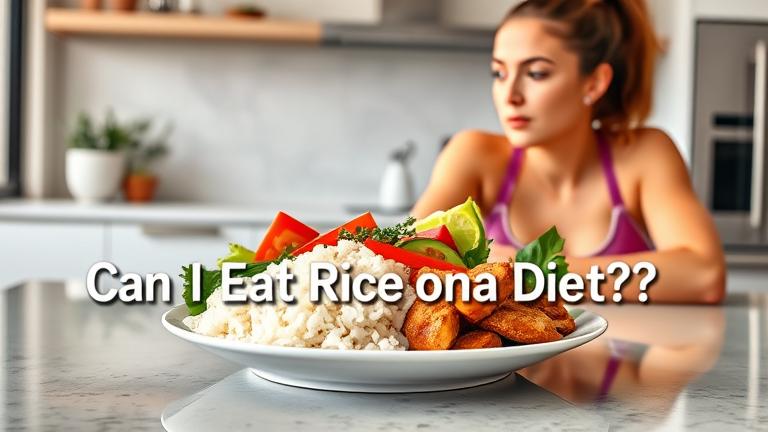
Is Rice Good for Weight Loss?
If you’re wondering whether rice can fit into a weight loss diet, you’re not alone. Many people enjoy rice as a staple food, but they also worry about its calorie content and its effect on their goals. The good news is that rice can be part of a healthy, balanced diet if you choose the right types and watch your portions.
Rice is a versatile grain that provides energy, fiber, and some essential nutrients. When you are trying to lose weight, the focus should be on how much you eat and the type of rice you select. For example, brown rice and other whole-grain varieties have more fiber and nutrients compared to white rice. This means they can help you feel full longer, reducing the temptation to snack later.
One important factor to consider is portion size. Eating large servings of rice can add up in calories quickly. A typical serving size is about one-half cup cooked rice, which contains roughly 100 calories. If you offset this with lower calorie meals and include plenty of vegetables and lean proteins, rice can be part of your weight loss plan.
Here is a helpful video about rice and diet considerations:
Benefits of Rice for Weight Loss
- Satiety: Fiber-rich rice varieties like brown rice promote feelings of fullness, keeping hunger at bay longer.
- Energy: The complex carbs in rice give you steady energy, preventing energy crashes that might lead to snacking.
- Versatility: Rice is easy to include in many healthy recipes, from salads to stir-fries.
- Cost-effective: It’s affordable and widely available, making it a practical choice for many people.
Considerations When Choosing Rice
- Type of rice: Choose whole grains like brown, black, or wild rice over white rice for more fiber and nutrients.
- Cooking method: Avoid adding too much butter or oil. Instead, flavor rice with herbs, spices, or lemon juice.
- Meal balance: Pair rice with plenty of vegetables and lean proteins to create a balanced meal that helps with weight management.
Tips for Including Rice in Your Diet
- Measure your rice before cooking to keep portion sizes in check.
- Use cauliflower rice as a lower-calorie alternative in dishes like fried rice or bowls.
- Mix rice with vegetables to increase fiber and bulk without many extra calories.
- Be mindful of high-calorie toppings like fried meats or creamy sauces that can add hidden calories.
Common Mistakes to Avoid
- Eating large portions without considering overall calorie intake.
- Relying only on white rice and ignoring whole-grain options.
- Adding lots of butter, creamy sauces, or fried ingredients that increase calorie counts.
In summary, rice can be part of a weight loss-friendly diet if you choose the right type, watch your portions, and pair it with healthy ingredients. It’s all about balance and moderation, making rice a delicious, satisfying component rather than a weight-loss obstacle.
Types of Rice and Their Nutritional Values
When it comes to rice, there are many varieties to choose from, each with its own flavor, texture, and nutritional benefits. Understanding the differences between white, brown, and wild rice can help you pick the best type for your meals and health goals.
White Rice
White rice is the most common variety in many households. It has a soft texture and mild flavor, making it versatile for many recipes. During processing, the outer husk, bran layer, and germ are removed, which makes it cook faster and gives it a smooth appearance.
However, this processing also means white rice loses some nutrients, especially fiber, vitamins, and minerals. It is often enriched with iron and B vitamins to replace some of what is lost. Nutritionally, white rice provides mainly carbohydrates and a small amount of protein.
Brown Rice
Brown rice is a whole grain, meaning only the outer husk is removed. The bran layer and germ remain intact, which makes it higher in fiber, vitamins, and minerals than white rice. It has a slightly chewy texture and nuttier flavor.
Eating brown rice may help with digestion, blood sugar regulation, and weight management due to its fiber content. It also contains more magnesium, phosphorus, and B vitamins. Keep in mind, brown rice takes longer to cook and can have a stronger taste that might not suit every dish.
Wild Rice
Wild rice is technically a grass, not a true rice grain. It has a chewy texture and a distinctive earthy flavor. It is generally darker in color and often used as a side dish or in salads and soups.
Wild rice boasts a high protein content, more antioxidants, and a good amount of fiber. It is also rich in some minerals like zinc and phosphorus. Because of its nutritional profile, wild rice can be a healthy, filling addition to your meals.
Nutritional Comparison Table
| Type of Rice | Calories (per ½ cup cooked) | Fiber (g) | Protein (g) | Main Nutrients |
|---|---|---|---|---|
| White Rice | 100 | 0.5 | 2 | Thiamine, Folate |
| Brown Rice | 110 | 1.75 | 3 | Magnesium, Manganese |
| Wild Rice | 83 | 1.8 | 3 | Antioxidants, Zinc |
- Choose whole-grain options like brown or wild rice for more fiber and nutrients.
- Store uncooked rice in a cool, dry place to prevent spoilage.
- Cook rice thoroughly to avoid foodborne illnesses, especially with wild rice, which can take longer to cook.
Picking the right type of rice depends on your taste preferences and nutritional needs. Including a variety of rice types in your diet can diversify your nutrient intake and keep mealtime interesting.
How Much Rice Can You Eat on a Diet?
If you are watching your weight or trying to eat healthier, wondering how much rice you can include in your diet is common. Rice can be a nutritious part of your meals, providing energy, some fiber, and essential nutrients. But portion size is key to enjoying rice without overdoing it.
To start, understanding what the right amount looks like can help you plan your meals better. Typically, a standard serving size of cooked rice for one person is about one-half cup. This provides roughly 100 grams of rice, which is enough to satisfy hunger without excess calories. For weight maintenance or loss, sticking close to this amount works well.
When you are on a diet, controlling portion size is a simple but effective step. Using a measuring cup can make it easier to visualize what half a cup of cooked rice looks like. Over time, you may develop a sense of portion sizes by eye, but in the beginning, measurements help stay accurate.
It is also important to remember that rice isn’t just about portion size. The type of rice can influence its calorie count. For example, white rice tends to be more processed and has fewer nutrients, while brown rice retains its bran layer, offering more fiber and nutrients. Choosing brown rice or other whole-grain options can help you feel full longer, which is helpful when managing portion sizes.
While rice can be part of a healthy balanced diet, it’s best to pair it with vegetables, lean proteins, and healthy fats. This combination improves satiety and provides a wide range of nutrients. Instead of having a large pile of rice, try balancing your plate with colorful veggies and a moderate amount of rice, so you’re not eating too many carbs at once.
Here are some practical tips to include rice wisely in your diet:
- Use a smaller plate to help control portions visually.
- Measure your rice with a cup or spoon until you get comfortable estimating portions by eye.
- Opt for brown rice or wild rice when possible for extra fiber and nutrients.
- Balance rice with plenty of vegetables and lean proteins to make your meal more filling.
- Be mindful of added fats and sauces, which can add extra calories.
In terms of total daily intake, consider your overall calorie needs. If you eat about 1500–1800 calories a day, a typical serving of rice can be part of a balanced diet. For example, having one to two servings of cooked rice per day, along with other nutrient-rich foods, can help you stay on track.
Remember, moderation is key. You don’t need to completely avoid rice, but being mindful of portion sizes and overall calorie intake makes it easier to maintain a healthy weight.
By paying attention to how much rice you eat and choosing healthy accompaniments, you can enjoy rice as part of a satisfying and balanced diet without worries about gaining weight.
Healthy Ways to Prepare Rice
When it comes to preparing rice in a healthy way, the goal is to maximize its nutritional benefits while keeping it delicious. Rice is a versatile staple that can be made even healthier with simple choices in cooking techniques and ingredients. Here are some friendly tips and methods to help you prepare rice that supports your wellness goals.
First, consider choosing whole grain options like brown rice, wild rice, or black rice instead of refined white rice. Whole grains contain more fiber, vitamins, and minerals, which help in digestion and keep you full longer. When shopping, look for packages labeled “100% whole grain” or check the ingredient list.
Next, pay attention to how you cook your rice. The method makes a difference. Using a rice cooker or stovetop boiling are both simple and effective. For added nutrition, rinse your rice thoroughly before cooking. This removes excess starch and can prevent the rice from becoming too sticky. Remember, rinsing can also wash away some nutrients, so don’t overdo it.
Use the right amount of water to cook rice. Usually, a 2:1 water-to-rice ratio works well for most types. For brown rice, you might need a little more water and a longer cooking time. To avoid adding unnecessary fats or oils, cook your rice without butter or oil. Instead, flavor with herbs, spices, or a splash of lemon juice after cooking.
Another healthy trick is to enhance rice with nutritious add-ins. Consider mixing cooked vegetables like spinach, carrots, or peas into your rice. Proteins like beans, tofu, or lean chicken make the meal more balanced and satisfying. These additions boost fiber, vitamins, and protein content, making your rice dish a complete meal.
When you want to add flavor without sacrificing health, try using low-sodium broth instead of plain water. This adds depth without extra salt. For a nutty flavor, a small teaspoon of sesame oil or a sprinkle of garlic powder can make a tasty difference, but keep portion sizes in check.
Be mindful of portion sizes. Even healthy rice can contribute to excess calorie intake if eaten in large amounts. Use measuring cups or a scale to serve appropriate portions. A typical serving size is about half a cup cooked rice for a side dish, or a cup for a main meal.
Finally, store leftover cooked rice in an airtight container in the fridge and consume within a few days. When reheating, make sure to heat it thoroughly to avoid any bacteria growth. Reheated rice can be part of healthy meals, provided it’s stored properly.
- Tip: Avoid adding refined sauces or creamy toppings that can add unnecessary calories and fats.
- Tip: Experiment with different types of rice and flavorings to keep your meals interesting and nutritious.
- Tip: Always wash rice well and cook thoroughly to reduce the risk of foodborne illness.
By choosing whole grains, cooking mindfully, and adding healthy ingredients, you can enjoy rice that is both delicious and nourishing. These simple adjustments make a big difference in supporting your overall health while still giving you the comforting taste you love.
Popular Diets and Rice
Many people wonder whether their favorite diet plans allow rice or if they should skip it altogether. Rice is a versatile staple enjoyed worldwide, but some diets restrict or limit carbohydrate intake, which can make rice seem off-limits. Understanding how different diets view rice can help you make informed choices that suit your health goals.
Let’s look at some common diets and their stance on rice.
Low-Carb Diets
Low-carb diets, like the Atkins or ketogenic plans, emphasize reducing carbohydrate intake to promote weight loss or improve health. Since rice is high in carbs, it is generally limited or avoided. For instance, on a keto diet, you might need to stay under 20 to 50 grams of carbs daily, meaning a typical cup of cooked rice, which contains about 45 grams, might be too much for one serving.
Tips for low-carb followers:
- Limit rice to small portions or occasionally enjoy it as a treat.
- Replace rice with lower-carb alternatives like cauliflower rice, zucchini noodles, or shirataki noodles.
- Focus on non-starchy vegetables to get fiber and nutrients without large carb loads.
While rice is restricted on low-carb plans, some flexible diets allow for small servings if balanced with other low-carb foods.
Balanced and Moderate Diets
Many diets, such as the Mediterranean diet or a general balanced eating plan, view rice as a healthy source of energy and nutrients. These diets recommend incorporating whole grains in moderation. Brown rice, wild rice, and black rice are popular choices because they contain more fiber and nutrients than white rice.
Tips for moderate diets:
- Include a serving of brown or wild rice with meals to boost fiber intake.
- Opt for smaller portions if you’re watching calorie intake.
- Pair rice with lean proteins and vegetables for a balanced meal.
Eating rice as part of a diverse diet can support sustained energy and overall health.
Plant-Based and Vegan Diets
Plant-based diets often include rice because it’s a plant-based carbohydrate. White rice is common, but people also enjoy whole grain options for added fiber and nutrients. Rice serves as a filling, affordable base for curries, stir-fries, and salads.
Tips:
- Include a variety of grains like quinoa, barley, or millet for diversity.
- Use rice to add calories and nutrients, especially if you’re training or need more energy.
- Balance rice with plenty of vegetables and legumes.
Low-Fat and Weight Loss Diets
Many weight loss plans don’t eliminate rice but recommend mindful portion sizes. For example, controlling rice portions can help manage calorie intake without sacrificing whole grains’ benefits.
Tips:
- Measure out servings to avoid overeating.
- Choose whole grain rice for added fiber, which helps with satiety.
- Combine rice with vegetables and lean proteins to create balanced meals that keep you full longer.
Summary of Rice and Diet Compatibility
| Diet Type | Stance on Rice | Best Choices | Tips |
|---|---|---|---|
| Low-Carb | Limit or avoid | N/A | Use cauliflower rice or small portions |
| Balanced | Generally include in moderation | Brown, wild, black rice | Pair with proteins and vegetables |
| Plant-Based/Vegan | Usually encouraged | Whole grains, variety | Mix with legumes and vegetables |
| Weight Loss | Moderate portions recommended | Whole grain varieties | Measure servings, combine with vegetables |
Matching your rice intake to your diet plan helps you enjoy its benefits without undermining your health goals. Whether you love rice as a daily staple or prefer to limit it, understanding your diet’s perspective makes meal planning easier.
Frequently Asked Questions About Rice and Diet
Many people wonder whether eating rice fits into a healthy diet. If you’re trying to manage your weight or follow specific dietary guidelines, it’s normal to have questions about rice consumption. Here, we’ll address some common queries and provide practical tips to help you enjoy rice wisely.
Is rice healthy for weight loss?
Rice can be part of a healthy diet for weight loss when eaten in moderation and as part of a balanced meal. It provides energy and essential nutrients like carbohydrates, B vitamins, and some minerals. However, because rice is calorie-dense, eating large portions can hinder weight loss efforts.
Choosing whole grain options, such as brown rice or wild rice, can help because they contain more fiber. Fiber makes you feel full longer, which can reduce overeating. Also, watch your portion sizes aim for about half a cup to one cup cooked rice per serving.
Which type of rice is best for a low-calorie diet?
If you’re counting calories, opt for lower-calorie varieties like cauliflower rice or shirataki rice. These are vegetable-based substitutes that contain fewer calories and carbs. If you prefer real rice, choose white rice sparingly and combine it with lots of vegetables and lean protein to create a filling, lower-calorie meal.
Whole grains like brown rice and wild rice have more nutrients and fiber but are slightly higher in calories than white rice. Use these in moderation while focusing on balanced meals.
Should I avoid rice if I have diabetes?
People with diabetes should be mindful of their rice intake because rice can cause blood sugar levels to spike quickly. White rice has a high glycemic index, meaning it can cause rapid increases in blood sugar. Brown rice is better because it has more fiber, which slows sugar absorption.
To help manage blood sugar, try pairing rice with protein and healthy fats, such as grilled chicken or avocado. Portion control is also crucial; a small serving can help keep blood sugar stable.
Are there ways to make rice healthier?
Absolutely! Here are some tips:
-
- Select whole grain varieties like brown rice or wild rice.
- Cook rice with added vegetables for more fiber and nutrients.
- Limit added fats and salt during cooking.
- Use smaller portions and balance with other healthy foods like lean meats and veggies.
Another tip is to prepare rice ahead of time and store it in the fridge. Leftovers are easier to measure out and manage for diet goals.
Can I eat rice every day?
Yes, eating rice daily can be part of a balanced diet if you pay attention to portion sizes and incorporate variety. Mixing up your grains with options like quinoa, barley, or whole wheat provides different nutrients and prevents monotony.
The key is balance. Ensure your plate includes plenty of vegetables, lean proteins, and healthy fats along with rice. This approach helps you enjoy the benefits without excessive carbs or calories.
What are some common mistakes to avoid with rice and dieting?
- Eating large portions of white rice regularly.
- Relying solely on rice as your carbohydrate source without adding vegetables or other grains.
- Adding too much butter, oil, or salt during cooking.
- Neglecting overall meal balance and nutrient intake.
By keeping these tips in mind, you can enjoy rice while maintaining a healthy and balanced diet. Moderation and variety are the keys to long-term success.
Tips to Enjoy Rice Without Gaining Weight
Rice is a staple in many meals around the world, and it can be part of a healthy diet when enjoyed mindfully. If you want to include rice without worrying about weight gain, try these simple strategies. They help you savor your favorite dishes while supporting your health and wellness goals.
First, consider the type of rice you choose. Whole grain options like brown rice, wild rice, or black rice are richer in fiber and nutrients. They digest more slowly, helping you feel full longer and preventing overeating. White rice, while still a good energy source, is more refined and may cause quicker spikes in blood sugar.
Portion control is crucial. Instead of piling high, stick to standard servings about half a cup cooked rice per person. Use measuring cups or a scale if you’re unsure. Pair rice with plenty of vegetables, lean protein, and healthy fats, creating a balanced, satisfying meal that keeps your hunger in check and reduces cravings.
- Balance your plate: Fill half with vegetables, a quarter with rice, and a quarter with protein. This helps keep your meal nourishing without excessive calories.
- Improve cooking methods: Instead of frying rice or adding heavy sauces, try steaming or lightly sautéing with herbs and spices. These methods add flavor without extra calories.
- Be cautious with toppings: Watch out for high-calorie toppings like butter, creamy sauces, or fried extras. Instead, use lemon juice, herbs, or spices for flavor enhancement.
Another useful tip is to prepare rice ahead of time and cool it in the fridge. Cold rice contains resistant starch, which resists digestion and helps reduce the glycemic impact. This can assist in weight management. Use cold rice in salads, rice bowls, or reheat gently when needed.
Eating slowly and mindfully also helps prevent overeating. Pay attention to your hunger signals and stop when satisfied. Savor every bite and enjoy the flavors and textures of your rice-based meals.
Finally, consider how rice fits into your overall daily caloric and nutrient goals. Tracking your intake can help stay on target. Remember that occasional indulgences are fine just keep portions reasonable and balance your meals throughout the day.
Summary of Practical Tips:
- Choose whole grain rice options when possible.
- Limit servings to about half a cup cooked rice per meal.
- Pair rice with plenty of vegetables and lean proteins.
- Use healthier cooking methods and avoid heavy toppings.
- Refrigerate cooked rice to create resistant starch and reduce glycemic impact.
- Eat slowly and pay attention to hunger cues.
Incorporating these simple tips into your routine can help you enjoy rice in a way that supports your health goals. With a little planning, rice can be a nutritious, satisfying part of your meals without contributing to weight gain.