
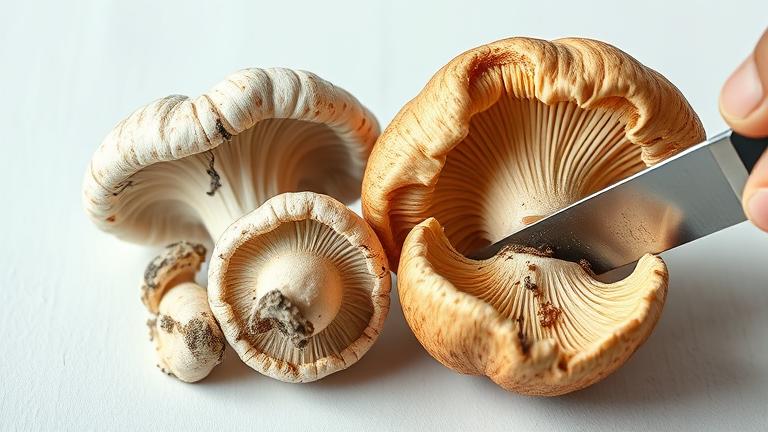
How to Identify Fresh Mushrooms
When selecting mushrooms at the store or farmer’s market, it’s important to pick the freshest ones possible. Fresh mushrooms not only taste better but also last longer. To do this, look closely at their appearance, texture, and smell. These clues will help you tell if mushrooms are fresh and ready to enjoy in your cooking.
Start with their appearance. Fresh mushrooms should have a firm, smooth surface with a healthy, even color. For example, white mushrooms should be bright white, and brown varieties should have a rich, consistent hue. Avoid mushrooms with dark, slimy, or wrinkled caps. If the caps are cracked or bruised, it can be a sign they are past their prime. Also, check the gills underneath the cap. They should look dry and tightly packed, not wet or slimy.
Next, examine the texture. Gently press the mushroom with your fingers. It should feel firm and dry. Mushrooms that are soft, spongy, or slimy are likely old or starting to spoil. Mushrooms can vary slightly depending on the type, but firmness is a good rule of thumb. Avoid mushrooms that feel squishy, as they will not hold up well during cooking and might cause spoilage.
Smell is another important clue. Fresh mushrooms have a light, earthy aroma, similar to fresh soil or woodland scents. If they smell sour, musty, or like chemicals, it is best not to buy them. Trust your nose if the smell is off, it’s safer to choose another batch. Remember, a subtle mushroom scent indicates freshness, while strong or unpleasant odors suggest they are no longer good.
Additional Tips for Choosing Fresh Mushrooms
- Look for mushrooms with intact stems and caps. Any broken or cracked parts may be signs of mishandling or age.
- Check the packaging if they come in a plastic container. It should be clean, and the mushrooms inside should look fresh. Avoid packages with excess liquid or visible mold.
- If shopping loose, do a quick visual check. Avoid mushrooms with dark spots, sliminess, or signs of mold.
- Opt for mushrooms that are not overly dried out or shriveled, as these tend to be older.
By paying attention to appearance, texture, and smell, you can confidently pick the freshest mushrooms for your recipes. Fresh mushrooms will taste better, hold their shape during cooking, and last longer in your kitchen. A little careful inspecting can make a big difference in your dishes’ flavor and quality.
Common Signs Mushrooms Are Spoiled
Mushrooms are a delicious and healthy addition to many dishes, but they can spoil quite quickly if not stored properly. Knowing how to spot spoiled mushrooms can help you avoid eating what has gone bad and ensure your meals stay fresh and safe. There are several common signs to watch out for, including changes in color, texture, smell, and appearance.
One of the most obvious indicators that mushrooms are spoiled is discoloration. Fresh mushrooms usually have a uniform white, brown, or tan color depending on the variety. If you notice dark spots, black patches, or yellowing, these are signs that they are beginning to spoil. These color changes often indicate decay or mold growth, which can be unsafe to consume.
Texture is another key clue. Good mushrooms should feel firm and slightly springy when touched. If the mushrooms are slimy, sticky, or feel mushy, they are likely past their prime. Sliminess develops due to bacterial growth, especially after several days in the fridge. Always give your mushrooms a gentle squeeze; if they feel excessively slimy or pull apart easily, it’s best to discard them.
The smell of mushrooms also reveals a lot about their freshness. Fresh mushrooms have a mild, earthy aroma. If your mushrooms emit a strong, sour, or rotten smell, that’s a clear sign they are no longer good. An off-odor can indicate bacterial or mold growth, which can cause food poisoning if eaten. Trust your nose if they smell weird or unpleasant, it’s safer to throw them out.
Looking at the overall appearance can also help you determine spoilage. Mold growth, which can appear as fuzzy patches or black, green, or white spots, is a strong sign that the mushrooms are spoiled. Even if mold is only on the surface, it’s best not to cut away moldy parts and eat the rest, as spores can penetrate deep into the mushroom.
Sometimes, mushrooms may develop a sticky or slimy coating, indicating they are past their best. If you notice this slick layer, especially combined with a bad smell or discoloration, spoilage is likely.
To keep mushrooms fresh longer, store them in a paper bag or their original packaging in the refrigerator. Avoid keeping them in airtight containers, which can trap moisture and promote spoilage. Use them within a few days of purchase, checking regularly for signs of decay. When in doubt, it’s safer to discard mushrooms than to risk consuming spoiled produce with potential bacteria or mold.
- Always inspect mushrooms before cooking or eating.
- Trust your senses smell, sight, and touch.
- Store mushrooms properly to extend their freshness.
Proper Storage Tips for Mushrooms
Storing mushrooms the right way can help keep them fresh longer and prevent spoilage. Mushrooms are delicate and can easily become slimy or moldy if not stored properly. With a few simple tips, you can enjoy their best flavor and texture for several days.
First, remember that mushrooms are best kept in a cool, dry place. Your refrigerator is ideal for storage, but how you store them matters. Avoid washing them before storing, as excess moisture can accelerate spoilage. Instead, clean your mushrooms just before cooking or eating.
When storing, use a breathable container. A paper bag is perfect because it absorbs moisture and allows air circulation. If you don’t have a paper bag, you can wrap mushrooms in a paper towel and place them inside a container with a loose lid or a breathable produce bag. Avoid storing them in plastic wrap or airtight containers, as trapped moisture promotes sliminess and mold growth.
Make sure your mushrooms are dry before storing. If they are slightly damp, gently pat them dry with a paper towel. Moisture is a common enemy when it comes to keeping mushrooms fresh. Place the container in the main compartment of your refrigerator, not the crisper drawer, as it can be too humid.
For short-term storage, mushrooms generally last 3 to 5 days. Check them regularly for any signs of spoilage, such as a strong odor, slimy texture, or dark spots. If you notice these, it is best to discard the mushrooms to avoid foodborne illness.
Here are some tips to maximize freshness:
- Store mushrooms loosely in a paper bag in the fridge.
- Keep them dry and away from moisture sources.
- Check regularly and remove any spoiled mushrooms.
- Do not wash until you are ready to use them.
- If storing for more than a few days, consider freezing, but note that their texture will change.
Some people recommend washing mushrooms before storage, but this can introduce moisture that speeds up spoilage. Instead, clean mushrooms just before cooking or eating, using a damp cloth or soft brush to remove dirt.
In summary, the key for proper mushroom storage is to keep them dry, in a breathable container, and refrigerated. With these simple steps, you can extend their freshness and enjoy their flavor longer.
How Long Do Mushrooms Last?
When it comes to mushrooms, freshness matters a lot. Whether you buy them at the store or pick them from your garden, knowing how long they last helps prevent waste and keeps your dishes tasting great. Different types of mushrooms and storage methods impact how long they stay good to eat.
Fresh mushrooms are best enjoyed within a few days of purchase. Typically, fresh mushrooms last about 3 to 7 days in the refrigerator if stored properly. The exact time depends on the mushroom variety and how they are stored. Some common types, like button mushrooms or cremini, tend to stay fresh a little longer than softer varieties like shiitake or portobello.
To maximize their shelf life, store mushrooms in the main compartment of your fridge. Keep them in their original packaging if it’s a paper or cardboard container, as this allows for some air flow. If they come in plastic, consider transferring them to a paper bag. This helps absorb excess moisture that can cause spoilage.
Avoid storing mushrooms in a sealed plastic bag without ventilation. Excess moisture can make them slimy or moldy faster. Also, do not wash mushrooms before storing. Instead, gently wipe off dirt with a dry cloth or paper towel just before cooking or eating.
Here’s a helpful overview of how long different mushrooms last under various conditions:
| Type of Mushroom | Refrigerator (fresh) | Cooked | Frozen (raw or cooked) |
|---|---|---|---|
| Button / Cremini | 3-7 days | Up to 6 months | Up to 12 months |
| Portobello | 3-6 days | Up to 6 months | Up to 12 months |
| Shiitake | 3-5 days | Up to 6 months | Up to 12 months |
| Oyster | 3-4 days | Up to 6 months | Up to 12 months |
If mushrooms develop a slimy surface, dark spots, or a strong, unpleasant odor, they are past their prime. Do a quick visual and smell check before using to avoid food poisoning.
For longer storage, freezing can be a good option. Clean and slice the mushrooms first, then spread them on a baking sheet to freeze individually. Once frozen, transfer them to airtight containers or freezer bags. Keep in mind that frozen mushrooms are best used in cooked dishes rather than raw, as freezing changes their texture.
In summary, proper storage is key to keeping mushrooms fresh and tasty. Planning to use them soon? Keep them in your fridge for the best flavor. Need to store them longer? Consider freezing them for future meals. Just watch out for any signs of spoilage, and enjoy your mushrooms at their best!
Risks of Eating Spoiled Mushrooms
Eating spoiled or contaminated mushrooms can pose serious health risks. While fresh mushrooms are a healthy addition to many meals, eating those that have gone bad can lead to food poisoning and other health issues.
Mushrooms are delicate and perishable. If they are not stored properly or kept for too long, they can spoil. Spoiled mushrooms may develop a slimy texture, a bad odor, or discoloration. It’s important to recognize these signs before cooking or eating them.
Common Risks of Consuming Spoiled Mushrooms
- Food poisoning: Spoiled mushrooms can harbor bacteria, molds, or toxins that cause food poisoning. The symptoms may appear within hours or a few days after eating contaminated mushrooms.
- Gastrointestinal issues: Consuming spoiled mushrooms can lead to nausea, vomiting, diarrhea, and stomach cramps. These symptoms can range from mild discomfort to severe illness.
- Allergic reactions: Moldy mushrooms can trigger allergic responses in some people. This might cause symptoms like sneezing, nasal congestion, or skin rashes.
Symptoms to Watch Out For
If you suspect you have eaten spoiled mushrooms, watch for these signs:
- Nausea and vomiting
- Diarrhea and stomach cramps
- Flu-like symptoms such as fever and chills
- Unusual weakness or dizziness
- Allergic reactions like skin rash or breathing difficulties
Why Are Spoiled Mushrooms Dangerous?
Mushrooms can contain toxins that are only destroyed through proper cooking, but once they spoil, they may produce harmful substances directly. For example, molds on spoiled mushrooms can produce mycotoxins, which are toxic and potentially dangerous to your health.
Eating contaminated mushrooms can sometimes lead to more serious conditions, especially if eaten regularly or in large amounts. In rare cases, certain harmful molds may cause allergic reactions or respiratory problems.
Tips to Avoid Risks
- Check freshness: Always inspect mushrooms before buying. Look for firm texture, bright color, and no slimy surface.
- Proper storage: Store mushrooms in a paper bag in the refrigerator. Avoid plastic containers that can trap moisture and speed up spoilage.
- Use quickly: Consume mushrooms within one to two days of purchase for the best quality and safety.
- Smell and sight: Discard any mushrooms that have a sour odor, visible mold, or slimy texture.
- Cook thoroughly: Cooking mushrooms well can kill some bacteria, but it does not neutralize toxins from spoiled ones.
In summary, always be careful when handling mushrooms. Recognizing signs of spoilage and storing them properly can help prevent health problems. When in doubt, it’s always safer to throw away mushrooms that seem off. Better safe than sorry when it comes to your health.
FAQ: How to Check Mushroom Quality
When shopping for mushrooms or preparing them at home, it’s important to know how to recognize fresh and safe mushrooms. Mushrooms can vary a lot in quality, and making sure they are good to eat helps prevent foodborne illnesses and ensures great flavor. Here are some common questions answered to help you assess mushroom quality with confidence.
What visual signs indicate fresh mushrooms?
Fresh mushrooms should look firm, clean, and have a healthy appearance. Check for a smooth cap surface that is free from wrinkles, wrinkles, or discoloration. The color should be consistent with the variety; for example, white mushrooms should be bright white and brown ones should have a rich, even tone. Avoid mushrooms with dark spots, slimy textures, or any signs of mold.
How do I tell if mushrooms are slimy or sticky?
Slime or stickiness are clear signs that mushrooms are past their prime. Fresh mushrooms feel dry and firm. When touched, slimy mushrooms are unpleasant and indicate decay. If the surface feels sticky despite being cleaned, it’s best to avoid using that batch. Sliminess can also mean bacteria are starting to grow, so safety is key.
What should the smell be like?
Fresh mushrooms usually have a light, earthy scent. They should not smell sour, musty, or sour. If they have a strong, unpleasant odor, it is a sign they are spoiled. Trust your nose strong or foul smells are a clear warning to discard the mushrooms.
How can I check for signs of pests or mold?
Inspect mushrooms carefully for any bugs, holes, or web-like mold. Mold can appear as fuzzy patches in various colors such as green, white, or black. If you notice mold, plant damage, or insect activity, it is safest to throw out the mushrooms. Mold can penetrate deep into the mushroom, making rinsing insufficient.
What are the best storage practices to keep mushrooms fresh?
Store mushrooms in a paper bag in the refrigerator. This helps absorb excess moisture and keeps them dry. Avoid plastic bags or airtight containers, as trapped moisture can accelerate spoilage. Mushrooms typically stay fresh for 3 to 7 days if stored properly. If you see signs of sliminess or dark spots, it’s best to use them quickly or discard.
How can I tell if cooked mushrooms are still good to eat?
Cooked mushrooms should have a pleasant aroma and a firm, tender texture. If they develop a sour smell or slimy feel after cooking, discard them. Always check for any unusual color changes or off-putting flavor before eating leftovers. Properly stored cooked mushrooms last about 2 to 3 days in the fridge.
- Always wash mushrooms thoroughly but gently to remove dirt.
- Check for consistent color and firm texture when choosing fresh ones.
- Trust your senses smell, sight, and touch to judge freshness.
- If in doubt, it’s safer to discard mushrooms rather than risk food poisoning.
Safe Ways to Use Spoiled Mushrooms
Finding mushrooms that are past their prime can be disappointing. While it’s important to recognize when they are no longer safe to eat, sometimes you might wonder if there’s a way to still use them without risking your health. In this guide, we’ll share practical tips on how to handle, repurpose, or discard mushrooms that are spoiled.
First, always assess the mushrooms carefully. If they develop a strange smell, slimy texture, or visible mold, it’s safest to throw them away. Consuming spoiled mushrooms can cause food poisoning, which might lead to stomach upset or worse.
How to Identify Spoiled Mushrooms
- Look for mold: Any fuzzy, discolored patches indicate mold growth. Even if only on a small area, discard the entire batch.
- Check the texture: Mushrooms should be firm and dry. Slimy or sticky surfaces mean they are turning bad.
- Smell: Fresh mushrooms have a mild, earthy scent. A sour or ammonia-like smell suggests spoilage.
- Color: If the mushrooms are discolored or have dark spots, it’s time to toss them.
Can Spoiled Mushrooms Be Used in Any Way?
Once mushrooms have gone bad, it’s best not to cook or eat them. They can harbor bacteria or mold that are harmful, even when cooked. However, if the mushrooms are only mildly soft or slightly browned but not moldy or slimy, there are a few safe options:
- Composting: Spoiled mushrooms are biodegradable and perfect for composting. Add them to your compost bin to enrich your garden soil.
- Animal feed (with caution): Some pets or farm animals might enjoy spoiled mushrooms, but always check with a veterinarian or animal expert first. Never give them to pets without guidance.
Proper Disposal Tips
If the mushrooms are clearly spoiled, follow these safe disposal steps:
- Seal tightly: Wrap the mushrooms in a plastic bag to prevent odor and contain bacteria.
- Dispose in the trash: Throw the sealed bag into your outdoor trash bin. Avoid composting heavily spoiled food to prevent attracting pests.
- Clean up: Wash your hands thoroughly after handling spoiled mushrooms to prevent any bacteria transfer.
Prevent Future Spoilage
- Store properly: Keep mushrooms in paper bags or breathable containers in the refrigerator. Avoid plastic bags that trap moisture.
- Use within a few days: Consume fresh mushrooms within 2-3 days for best quality and safety.
- Check regularly: Inspect stored mushrooms often and discard any that show signs of spoilage early.
Remember, safety first! When in doubt, it’s always better to discard spoiled mushrooms rather than risk health issues. Proper handling and storage can help extend their freshness, but knowing when to say goodbye is key to enjoying them safely in your cooking adventures.