
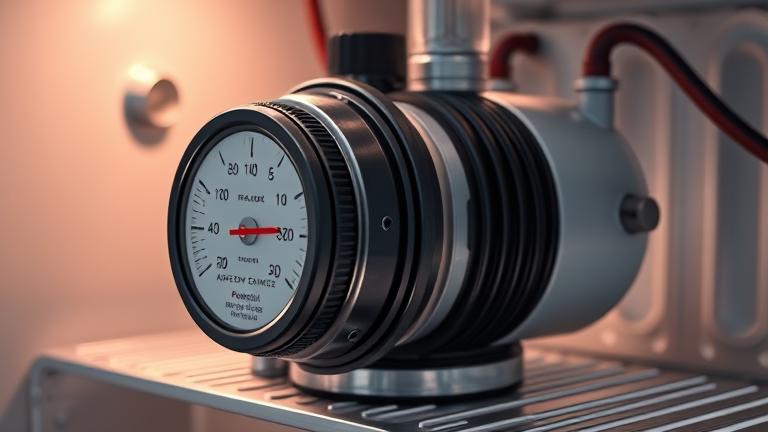
Compressor Temperatures Explained
Understanding compressor temperatures in your fridge is key to keeping it running smoothly. The compressor is like the heart of your refrigerator, working hard to keep your food cool. Knowing what temperatures are normal and when they are not can help you spot issues early.
Many home cooks wonder how hot a compressor should get during operation. Typically, a fridge compressor should run at a temperature between 150°F and 200°F (65°C to 93°C). This heat level is normal because the compressor works by compressing refrigerant, which naturally generates heat. It’s important to realize that some heat is expected and necessary for the refrigeration cycle to function properly.
However, if your compressor feels excessively hot, there might be a problem. Temperatures above 200°F (93°C) could indicate an issue like overcompression or a failing fan. Conversely, if the compressor is unusually cool or not heating up at all, it might not be running correctly, which can also cause cooling problems.
Understanding what causes temperature fluctuations can help you maintain your fridge better. For example, frequent opening of the door or overloading the fridge can cause the compressor to work harder, which may lead to higher temperatures. On the other hand, poor ventilation around the compressor or a dirty condenser coil can also cause it to run hotter than normal.
Here are some practical tips to monitor and manage compressor temperatures:
- Ensure your fridge has adequate space around the back and sides for proper airflow.
- Regularly clean the condenser coils at the back or underneath your fridge to help the compressor stay cooler.
- Check for proper door seals. Leaky seals let warm air inside, making the compressor work harder.
- Periodically listen for unusual noises or vibrations which might signal problems with the compressor or other components.
Remember, safety first: If your compressor is excessively hot to the touch or if you’re seeing unusual behavior from your fridge, it’s best to consult a professional repair technician. They can diagnose issues more accurately and help prevent further damage or energy waste.
Maintaining the right compressor temperature not only extends the lifespan of your fridge but also keeps your food safely cooled. By keeping an eye on heat levels, ensuring proper ventilation, and cleaning coils regularly, you can avoid many common compressor problems.
Ideal Operating Temperature Range
Knowing the ideal operating temperature range for a fridge compressor is key to keeping your refrigerator running smoothly. The compressor is the heart of the cooling system. It works hard to pressurize and circulate refrigerant, which helps keep your food fresh and safe.
If the compressor runs too hot or too cold, it can cause problems. Too hot, and it may wear out faster or increase energy use. Too cold, and it could lead to inefficient cooling or even damage the compressor. Maintaining the proper temperature ensures your fridge runs efficiently and lasts longer.
What Is the Recommended Range?
Generally, the ideal operating temperature for a fridge compressor is between 32°F and 40°F (0°C to 4°C). This range allows the compressor to do its job effectively while avoiding overheating or overcooling.
Within this range, your refrigerator’s compressor can run without excessive strain. It maintains the right balance to keep your food fresh and energy bills low. Staying within this temperature window helps prevent compressor failure and prolongs its lifespan.
Importance of Maintaining the Temperature
When the compressor operates within its ideal range, it uses energy efficiently. This saves you money on electricity bills. Plus, it helps your refrigerator stay quiet and reliable over time.
If your refrigerator is consistently running outside this range, the compressor has to work harder. This extra effort can cause overheating or put stress on its parts. Over time, this can lead to breakdowns or costly repairs.
Factors That Affect Compressor Temperature
- Ambient Temperature: The temperature of the room affects how hard the compressor must work. Keep your fridge in a cool, draft-free place.
- Door Usage: Frequent opening allows warm air in, prompting the compressor to work longer. Try to open the door quickly and only when needed.
- Quantity of Food: Packing your fridge too full can block air circulation, making the compressor work harder to cool everything evenly.
- Faulty Components: Bad seals or a failing thermostat can cause the compressor to run improperly or continuously.
Tips for Optimal Performance
- Set the refrigerator temperature between 37°F and 38°F (3°C to 3.5°C) for best results.
- Avoid placing hot items directly into the fridge; let them cool first to reduce the compressor’s workload.
- Periodically clean the condenser coils, which help dissipate heat and keep the compressor cool.
- Ensure good airflow inside the fridge by not overstuffing it, so cold air can circulate freely.
- If your compressor feels excessively hot or loud, have a professional check for potential issues.
In summary, maintaining the compressor temperature within the recommended range of 32°F to 40°F (0°C to 4°C) is essential. It ensures your fridge remains efficient, saves energy, and extends its lifespan. Simple steps like controlling ambient temperature, proper loading, and routine maintenance make a big difference in keeping your compressor happy and healthy for years to come.
Signs of Overheating
If your refrigerator or air conditioner compressor is overheating, it can cause system failures or reduce efficiency. Recognizing the signs early can help prevent bigger problems and costly repairs. Overheating compressors often give several noticeable hints that something is not quite right.
One of the most common signs is the presence of strange noises coming from the compressor unit. You might hear a buzzing, humming, or clicking sound that seems louder than usual. These sounds can indicate that the motor is struggling or that parts are worn out due to excessive heat. Sometimes, a compressor may produce a burning smell, which should never be ignored. This scent often points to overheating components melting or electrical wiring burning.
Heat buildup around the compressor is another key indicator. If you touch the compressor housing and find it very hot or even too hot to hold comfortably, it’s a warning sign. Normally, the compressor operates at a fair level of warmth, but excessive heat suggests it’s working harder than it should. This extra effort can lead to damage if not addressed promptly.
Increased Energy Consumption
Overheating compressors tend to use more energy than usual. If you notice your utility bills rising unexpectedly or your appliance isn’t running as efficiently, overheating might be the culprit. When the compressor gets too hot, it can cause the system to run longer cycles or work harder to maintain temperature. This extra effort uses more electricity and can strain other components of your appliance.
Physical Damage or Visible Heat
Sometimes, physical signs are clear indicators of overheating. Look for discoloration or warping on the compressor’s surface. Melting or bubbling paint is also a cue that heat levels are abnormally high. If the compressor or surrounding parts are visibly hot, that’s a sign you should investigate further.
Common Causes of Overheating
- Dirty or clogged condenser coils prevent proper heat dissipation.
- Low refrigerant levels cause the compressor to work harder and overheat.
- Electrical issues, like failing capacitors or faulty wiring, generate excess heat.
- Blocked airflow around the compressor reduces cooling efficiency.
Practical Tips to Prevent Overheating
- Regularly clean the condenser coils to keep heat away from the compressor.
- Ensure there is good airflow around the unit — avoid placing it in cramped or blocked spaces.
- Schedule routine maintenance to check refrigerant levels and electrical components.
- Listen for unusual noises and pay attention to any strange smells or heat around the unit.
If you notice one or more of these signs, it’s a good idea to have a professional inspect your compressor. Catching overheating early can extend the life of your appliance and prevent unexpected breakdowns.
Common Causes of Excess Heat
If your refrigerator or air conditioner’s compressor is overheating, it can cause performance issues or even damage the unit. Understanding the common causes of excess heat can help you troubleshoot and prevent future problems. Usually, compressor overheating results from a few key factors, such as environmental conditions, refrigerant problems, or electrical issues. Let’s explore each of these in detail.
Environmental Factors
The outside environment plays a big role in how hard your compressor has to work. High ambient temperatures, especially when it’s hot outside, can cause the compressor to run hotter than normal. If your unit is installed in a poorly ventilated area or near direct sunlight, it may struggle to dissipate heat properly.
Make sure your outdoor unit has plenty of space around it. Clear any debris, leaves, or dirt from the area, which can obstruct airflow. If your unit is in a confined space, consider relocating it or adding ventilation to improve heat exchange. Proper airflow helps the compressor stay within safe temperature limits.
Refrigerant Issues
Refrigerant is the fluid that cools the inside of your refrigerator or AC. If there’s too little refrigerant due to leaks or improper charging, the compressor has to work harder to maintain cooling. This extra effort often results in it overheating.
For example, a low refrigerant level means the compressor runs longer and more frequently to do the same job. This constant strain increases the chance of overheating. Conversely, overcharging with refrigerant can also cause issues, such as increased pressure and heat buildup. Regular maintenance and professional checks can identify and correct refrigerant levels.
Electrical Problems
Electrical issues are common causes of compressor overheating. These can include faulty wiring, electrical shorts, or worn-out components like capacitors or relays. When electrical parts malfunction, they may cause the compressor to draw too much current, leading to overheating.
If you notice frequent tripping circuit breakers or burning smells, electrical problems could be to blame. It’s important to have a qualified technician inspect and repair electrical components to prevent further damage and ensure safety.
Other Possible Causes and Tips
- Dirty condenser coils can trap heat, making the compressor work harder. Regularly clean coils to improve airflow.
- Overuse or running the unit non-stop can cause overheating. Give your system regular breaks and avoid setting temperatures too low.
- Worn or damaged fan motors can reduce cooling around the compressor. Check and replace if necessary.
By paying attention to these common causes and performing regular maintenance, you can help your compressor stay cool and prevent costly repairs. If overheating persists despite these steps, it’s best to call a professional to diagnose and fix underlying problems safely.
How to Cool Your Compressor
If you own a compressor, whether for home workshops or other projects, keeping it cool is essential for its longevity and performance. Overheating can cause breakdowns, reduce efficiency, and even be a safety risk. Fortunately, there are simple and practical ways to help prevent your compressor from overheating and to maintain it at an optimal temperature.
The key to cooling your compressor is understanding how it works and taking steps to manage heat generated during operation. When a compressor runs, it compresses air or gas, which produces a lot of heat. Without proper cooling, this heat can build up quickly. Luckily, with some tips and methods, you can keep your compressor running smoothly for a long time.
Ensure Proper Ventilation
When setting up your compressor, place it in a well-ventilated area. Avoid tight, enclosed spaces that trap heat. A spot with plenty of airflow, such as near an open window or in a garage with good circulation, helps dissipate heat more effectively. If your compressor has vents or grills, make sure they are not blocked.
Consider installing a small fan nearby if the area tends to get warm or if your compressor runs for extended periods. Fans increase airflow, helping carry heat away from the machine. Regularly check and clean any dust or debris from vents and grills. Blocked vents can cause the compressor to overheat.
Use a Cooler Environment
Keep your compressor away from direct sunlight and heat sources like radiators or heaters. Operating in cooler environments naturally lowers the risk of overheating. During hot summer days, think about moving the compressor to shaded areas or indoor spaces with air conditioning if feasible.
Implement Proper Maintenance
Regular maintenance is crucial for preventing overheating. Check oil levels if your compressor uses oil for cooling. Low or dirty oil can impair heat regulation. Replace oil when needed and follow the manufacturer’s schedule.
Inspect air filters regularly and clean or replace them if they are clogged. Dirty filters reduce airflow and cause the compressor to work harder, generating more heat. Also, ensure that all belts and hoses are in good condition and properly tensioned.
Utilize Additional Cooling Methods
- Water Cooling: For large or industrial compressors, water cooling systems can be very effective. These use water to absorb and carry away heat from the compressor components.
- Cooling Jackets or Wraps: Wrapping parts of your compressor with insulation or cooling jackets designed for compressors can help maintain a lower temperature during long operations.
- Fans and Cooling Pads: Small, portable fans or cooling pads can be placed near the compressor to promote better airflow and heat dissipation.
Monitor Operating Temperatures
If your compressor has a temperature gauge, keep an eye on it during use. Most compressors operate best within a certain temperature range. If you notice it’s getting too hot, turn it off and give it time to cool down. Overheating can be a sign that something is blocking airflow or that maintenance is due.
In summary, to keep your compressor cool, focus on good placement, regular maintenance, and adding supplementary cooling methods when necessary. By doing so, you extend its lifespan and ensure it runs efficiently, saving you time and money in the long run.
Maintaining Compressor Health
Keeping your compressor in good shape is essential for reliable performance and to prevent heat-related problems. A well-maintained compressor can last longer, work more efficiently, and save you money on repairs. Regular routines and simple practices can go a long way in ensuring your machine stays healthy and runs smoothly.
First, it’s important to keep the compressor clean. Dust, dirt, and debris can accumulate on vents, filters, and cooling fins. These block airflow, causing the compressor to overheat. Regularly check and clean or replace air filters as recommended by the manufacturer. Using a soft brush or compressed air can remove dust from vents and fins without damaging sensitive parts.
Next, make sure the oil levels are correct if your compressor uses oil. Oil lubricates moving parts and helps dissipate heat. Low oil levels can lead to increased friction and overheating. Check the oil periodically, following the manufacturer’s instructions on how to do so, and change the oil at recommended intervals. Keep an eye out for unusual colors or smells in the oil, which may signal contamination or breakdown.
Monitoring the temperature during operation is another key practice. Many compressors have built-in temperature gauges. If yours does, watch for signs of overheating, such as frequent shutting off or if the temperature readout is unusually high. If overheating occurs, turn off the compressor and allow it to cool before inspecting for blockages or other issues.
- Ensure the compressor is placed in a well-ventilated area. Poor ventilation traps heat and can boost internal temperatures.
- Avoid working in extremely hot environments which can strain the compressor’s cooling system.
- Use protective covers or guards properly to prevent accidental damage and ensure good air circulation.
Inspect hoses, belts, and connections regularly for signs of wear or leaks. Cracked hoses or loose belts can cause pressure drops or overheating. Replace damaged parts promptly to maintain efficiency and safety. Also, keep the surrounding area tidy and free of clutter, which could block airflow or cause accidents.
Routine Maintenance Tips
- Follow the manufacturer’s schedule for replacing filters, oil, and other consumables.
- Perform regular visual inspections for leaks, corrosion, or damage.
- Keep a maintenance log to track service dates, parts replaced, and any issues noted.
Finally, listen to your compressor during operation. Unusual noises like knocking, grinding, or squealing often indicate problems. Address these early to avoid more serious damage. By following these friendly, practical routines, you can greatly extend your compressor’s lifespan and keep it running cool and safe for years to come.
When to Call a Technician
Knowing when to call a technician can save you time, money, and hassle. While some small issues can be fixed at home, others require professional help to avoid bigger problems down the line. If you’re unsure about whether a problem is urgent or safe to tackle yourself, it’s best to err on the side of caution.
First, pay attention to warning signs that indicate a serious issue. For example, if you notice persistent leaks, strange noises, or if your appliance stops working altogether, it’s time to call in a pro. Ignoring these signs could lead to costly repairs or dangerous situations.
Signs You Need a Professional
- Lack of hot water or no water at all. This could suggest a problem with your water heater or plumbing that requires expert diagnosis.
- Electrical issues like frequent trips or sparks. These pose a risk of fire or electrocution and should never be ignored.
- Unusual noises from appliances or systems. Such as banging, screeching, or grinding sounds, especially if they persist or worsen.
- Persistent leaks or water damage. Water leaks can cause structural damage over time. If you see water spots, mold, or pooling water, a technician should be called.
- Failure to operate safely or strange odors. If your refrigerator, oven, or other appliance produces strange smells, it could be a sign of electrical or gas issues.
When to Seek Emergency Help
Some problems are urgent and need immediate attention. Call a technician or emergency service if you encounter any of the following:
- Gas leaks or strong gas smells. Gas leaks are dangerous and should be handled by professionals right away.
- Open flames or sparks near appliances. These can cause fires or explosions.
- Water flooding or extensive leaks. If water is rapidly spreading and cannot be contained, turn off the main water supply and call for help immediately.
- Electric shocks or sparking outlets. Do not attempt to fix these yourself. Turn off electricity at the breaker if safe and call a technician immediately.
Tips for Preventing Larger Problems
- Regular maintenance. Schedule periodic inspections for appliances and plumbing systems to catch issues early.
- Pay attention to strange signs. Even minor oddities like flickering lights or slow-draining sinks can hint at bigger problems if ignored.
- Know your limits. Avoid attempting complex repairs especially involving electricity, gas, or major plumbing. When in doubt, call a professional.
Remember, safety is always the priority. If a problem seems complex, dangerous, or doesn’t resolve with simple troubleshooting, it’s best to call a qualified technician. They have the proper tools and expertise to fix issues safely and effectively, helping you avoid costly damage and ensuring your home stays safe.