
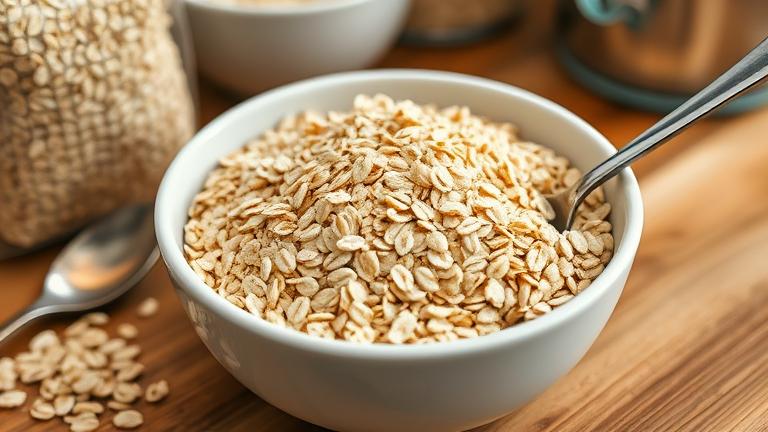
Introduction to Raw Oatmeal Safety
Many people enjoy eating oatmeal to start their day, but some prefer to eat it raw rather than cooked. Raw oatmeal, such as soaking oats overnight or adding them to smoothies, can be a quick and tasty option. However, it is important to understand the safety considerations involved with consuming oats without cooking.
Eating raw oats is generally safe for most people, but there are a few things to keep in mind to ensure you’re making the healthiest choice. Oats are naturally grown and processed to remove dirt and bacteria, but some contamination can still occur during production. When eaten raw or soaked, oats are not subjected to high heat, which can kill bacteria. Therefore, proper handling and preparation are key to reducing any health risks.
One common concern with raw oats is their digestibility. Raw oats contain phytic acid, which can bind to minerals like iron and zinc, making them harder for your body to absorb. Soaking or sprouting oats before eating can reduce this compound and improve nutrient absorption. It is also advisable to rinse oats well before soaking to remove any residual dust or impurities from processing.
Additionally, some people may experience minor digestive discomfort, such as bloating or gas, when eating raw oats, especially if their diet is low in fiber. Starting with small portions and gradually increasing intake can help your digestive system adapt comfortably.
When considering safety, always use clean utensils and containers when preparing raw oats. If you soak oats overnight or prepare oats in advance, keep them refrigerated and consume within 1-2 days to prevent spoilage. If oats smell sour or look slimy, it’s best to discard them to avoid foodborne illness.
- Choose high-quality, certified oats to reduce the risk of contamination.
- Rinse oats thoroughly before soaking or eating raw.
- Keep soaked oats refrigerated and consume within a couple of days.
- If in doubt, cook oats to kill any potential bacteria for extra safety.
In summary, raw oatmeal can be safe and nutritious if handled properly. By following a few simple precautions, you can enjoy all the benefits oats have to offer, whether eaten raw, soaked, or cooked. Remember, listening to your body and practicing good hygiene are key to making raw oats a safe part of your diet.
Health Benefits of Eating Raw Oats
Adding raw oats to your diet is a simple way to boost your health with a nutritious, versatile ingredient. Raw oats are rich in fiber, vitamins, and minerals, making them a great choice for supporting your overall well-being. Many people enjoy incorporating raw oats into smoothies, overnight oats, or as a crunchy topping for yogurt and salads.
One of the main benefits of eating raw oats is their high content of dietary fiber. Fiber helps keep your digestive system healthy by promoting regular bowel movements and preventing constipation. It also aids in managing blood sugar levels, which is especially helpful for people with diabetes or insulin resistance. Including raw oats in your meals can help you feel full longer, preventing overeating and supporting weight management.
Raw oats are packed with important nutrients like vitamins B1 and B5, magnesium, iron, and zinc. These nutrients contribute to energy production, immune function, and healthy skin. B vitamins are especially important for brain health and energy, making oats a great start to your day.
Eating raw oats may also support heart health. The soluble fiber in oats, mainly beta-glucan, has been shown to lower bad cholesterol (LDL). With regular consumption, oats can help reduce the risk of cardiovascular problems over time. Many health experts recommend oats as part of a heart-healthy diet.
Another benefit is the antioxidant content in oats. They contain avenanthramides, which are unique antioxidants that may reduce inflammation and protect your cells from damage. These natural compounds help fight oxidative stress, which is linked to aging and many chronic diseases.
It’s important to prepare raw oats safely to maximize their health benefits. Soaking oats overnight in liquid like milk or plant-based milk makes them easier to digest and reduces possible anti-nutrients that can interfere with mineral absorption. This process also creates a delicious and convenient breakfast option that you can customize with fruits, nuts, or honey.
Tips for Incorporating Raw Oats into Your Diet
- Start with small portions, about half a cup of oats, and gradually increase as your digestive system adjusts.
- Combine raw oats with fruits and nuts to add flavor and extra nutrients.
- Experiment with different liquids such as almond milk, yogurt, or juice for soaking your oats.
- Use raw oats as a crunchy topping for salads or smoothies for added texture and fiber.
Remember, while raw oats are highly beneficial, moderation is key. Some people may experience mild bloating or digestive discomfort if they eat large amounts of raw oats initially. It’s always a good idea to listen to your body and make adjustments as needed. Overall, adding raw oats to your diet is a tasty and nutritious step toward better health.
Risks of Consuming Raw Oatmeal
Many people enjoy adding raw oatmeal to their smoothies or topping their yogurt, but it is important to understand the potential health risks involved. Eating raw oatmeal can seem harmless, but certain dangers may arise if it is not prepared properly or eaten in excess. Being aware of these risks helps you make safer choices in your daily diet.
One primary concern with consuming raw oatmeal is the presence of antinutrients, such as phytic acid. These compounds can bind to minerals like calcium, iron, and zinc, making them less absorbable by your body. While occasional raw oatmeal consumption isn’t usually a problem, regularly eating large amounts might impair your mineral intake over time. If you have a known deficiency or are on a special diet, it is wise to soak or cook oats to reduce these antinutrients.
Another risk involves bacteria or contaminants that could be present on raw grains. Oatmeal often comes from processed, cleaned sources, but raw and unprocessed oats still have a small chance of harboring bacteria. This risk is generally quite low, but people with weakened immune systems should be cautious. Proper storage of oats keeping them in a cool, dry place and washing your hands before handling can help minimize this chance.
Eating raw oatmeal may also cause digestive discomfort for some individuals. Oats contain soluble fiber called beta-glucan, which is great for heart health and digestion when cooked or soaked. However, consuming large amounts raw can be hard on your stomach. It may lead to bloating, gas, or constipation. To avoid these issues, start with small servings and ensure you hydrate well when eating raw oats.
There’s also a chance of choking, especially if the oats are not chewed thoroughly. Raw oats are hard and dry, making it easier to accidentally swallow a large mouthful without proper chewing. To reduce this risk, soak oats in water or milk to soften them before eating. This step also helps improve digestibility and nutrient absorption.
Finally, raw oats don’t provide the same taste and texture as cooked oats. They can be chewy or gritty, which some find unpleasant. If you decide to eat raw oatmeal, try mixing it with liquids like milk, yogurt, or fruit juice to improve the flavor and texture. Soaking overnight turns raw oats into ‘overnight oats,’ which are softer and more palatable.
In conclusion, while raw oatmeal can be a healthy addition to your diet, it’s important to be aware of the possible risks. Use safe handling practices, consider soaking or cooking oats when possible, and pay attention to your body’s reactions. With these precautions, you can enjoy raw oatmeal in a way that benefits your health without unnecessary dangers.
How to Prepare Raw Oatmeal Safely
Raw oatmeal can be a quick and nutritious breakfast option, but it’s important to prepare it safely to avoid any health issues. Since eating raw oats is different from cooking them, understanding the best practices helps ensure you enjoy its benefits without any risks.
First, it’s good to know that raw oats are not usually harmful. However, they contain a natural compound called phytic acid, which can bind to minerals and reduce their absorption. To minimize this effect and boost digestibility, many people soak oats before eating. Soaking also helps soften the oats, making their texture more pleasant and easier to chew.
Steps for Preparing Raw Oatmeal Safely
- Choose high-quality oats: Look for rolled oats or old-fashioned oats. Steel-cut oats can be eaten raw but are harder and chewier, so soaking is recommended for them.
- Wash the oats: Rinse the oats thoroughly under cold running water. This removes dust or any impurities that might be present.
- Soak the oats: Place the washed oats in a bowl and cover them with water. You can also add a splash of milk, dairy or plant-based, for extra flavor. Soak them for at least 8 hours or overnight at room temperature or in the fridge. This softens the oats and makes them safer and more digestible.
- Use safe water and utensils: Always use clean, fresh water for soaking. Make sure your bowls and utensils are thoroughly washed to prevent contamination.
- Add toppings and flavoring: After soaking, drain any excess water if desired. Top your raw oatmeal with fresh fruits, nuts, honey, or spices like cinnamon for added flavor and nutrition.
Tips for Additional Safety and Enjoyment
- Always soak oats in the refrigerator if you plan to soak for more than a few hours, especially in warm weather. This prevents bacterial growth.
- If you use flavored or instant oats, check the label to ensure no added preservatives or unnecessary ingredients that might affect safety or flavor.
- Start with small servings to see how your body reacts, especially if you’re new to eating raw oats.
- Store soaked oats covered in the fridge and consume within 24 hours for freshness and safety.
Common Mistakes to Avoid
- Not rinsing oats properly, which can lead to consuming dirt or contaminants.
- Skipping the soaking process, which may cause easier digestion and help neutralize phytic acid.
- Leaving soaked oats at room temperature for too long, increasing the risk of bacteria growth.
- Using unsafe or unclean water during soaking.
Easy Recipes with Powdered Oatmeal
Powdered oatmeal is a versatile ingredient that can easily be added to many recipes to boost your nutrition and flavor. If you have a jar of powdered oats on hand, you’re in luck. They can be incorporated into breakfast, snacks, and even baking with just a few simple steps. Let’s explore some quick and tasty ideas to help you start using powdered oatmeal today.
1. Make a Quick Oatmeal Smoothie
This is one of the easiest ways to enjoy powdered oats. Simply blend 1/4 cup of powdered oatmeal with your favorite fruits, such as bananas, berries, or mango. Add 1 cup of milk or a dairy-free alternative. For extra creaminess and sweetness, include a spoonful of honey or a splash of vanilla extract. Blend until smooth. You will get a nutritious, filling snack or breakfast in minutes. This method is perfect for busy mornings or when you want a portable meal.
2. Prepare Oatmeal Pancakes
Using powdered oatmeal in pancake batter is a fantastic way to add fiber and a subtle oat flavor. To make basic oat pancakes, mix together:
- 1 cup all-purpose flour
- 1/2 cup powdered oatmeal
- 1 tablespoon sugar
- 1 teaspoon baking powder
- 1/2 teaspoon baking soda
- 1/4 teaspoon salt
In a separate bowl, whisk together 1 cup of milk, 1 beaten egg, and 2 tablespoons of melted butter or oil. Pour the wet ingredients into the dry and stir just until combined. Heat a lightly oiled skillet over medium heat. Pour batter onto the skillet and cook until bubbles form on the surface. Flip and cook until golden brown.
Serve with fresh fruit, yogurt, or syrup. These pancakes are quick to make and a great way to introduce more oats into your diet.
3. Enhance Your Baking with Powdered Oats
Powdered oatmeal can be added to muffin, cookie, or bread recipes to improve texture and nutrition. For example, in muffin recipes, replace part of the flour with powdered oats about 1/4 to 1/3 of the total flour amount. This substitution adds fiber and natural oats flavor without changing the texture significantly.
If you’re experimenting in the kitchen, try mixing powdered oats into chocolate chip cookie dough or banana bread batter. It can help keep baked goods moist and boost their health benefits. Remember to slightly decrease liquids if the batter feels too dry after adding extra oats.
4. Make a Nutritious Oatmeal Energy Bites
These no-bake snacks are simple to prepare and perfect for on-the-go eating. Mix 1 cup of oats, 1/2 cup of nut butter, 1/3 cup of honey or maple syrup, and optional extras like chocolate chips, dried fruit, or seeds. Roll the mixture into small balls and store in the refrigerator. Powdered oats blend well with the other ingredients, making the bites chewy and satisfying.
Tips for Using Powdered Oats:
- Start with small amounts and adjust to taste or texture.
- Store powdered oats in a cool, dry place to keep them fresh.
- Use in recipes that benefit from added fiber and a mild oat flavor.
By incorporating powdered oatmeal into your meals, you can enjoy more nutritious, filling, and delicious dishes. These simple recipes are perfect for beginners and seasoned cooks alike. Give them a try and enjoy the many ways oats can enhance your cooking!
FAQs About Raw Oatmeal Eating
Is it safe to eat raw oatmeal?
Many people wonder if eating raw oatmeal is safe. The good news is that raw oats are generally safe to consume. They are not cooked but can be eaten straight from the package. However, because raw oats contain a compound called phytic acid, some nutrients may not be fully absorbed by your body. So, while eating raw oats is safe, it might be less nutritious than cooked oats. It’s also important to buy high-quality, clean oats from a trusted source.
Can I eat raw oats without soaking or cooking?
Yes, you can eat raw oats without cooking, but soaking them first makes a big difference. Raw oats are tough and hard to digest if eaten plain. Soaking oats in a liquid like milk or water softens them, making them more palatable and easier to digest. This process is often called making overnight oats. If you’re in a hurry, you can simply add a bit of liquid and let the oats sit for 10-15 minutes to soften slightly before eating.
What are the best ways to prepare raw oats safely?
- Soak oats overnight in milk, yogurt, or water. This helps soften the oats and improve digestion.
- Mix raw oats into smoothies for added texture and fiber. The blending process softens the oats.
- Create no-cook oatmeal by combining oats with a warm or hot liquid and letting them sit for a few minutes.
Always rinse oats before soaking or eating to remove any dirt or debris. Using fresh, clean liquids also helps keep your meal safe and tasty. Remember, if you notice any off smell or mold, discard the oats and do not eat them.
Are there any health benefits or risks to eating raw oatmeal?
Eating raw oats provides fiber, which helps digestion and can keep you feeling full longer. Oats also contain antioxidants, vitamins, and minerals like magnesium and zinc. However, eating a lot of raw oats without soaking may cause bloating or indigestion for some people. This is because raw oats contain phytic acid and resistant starch, which can be hard to digest.
To get the most benefits and reduce risks, soaking oats helps break down some of these compounds. Also, start with small portions if you are new to eating raw oats, and listen to your body. If you experience stomach upset, consider cooking or thoroughly soaking your oats before eating.
Are there any common mistakes to avoid when eating raw oatmeal?
- Skipping soaking or rinsing: Raw oats can be tough and difficult to digest if not soaked. Rinsing helps remove dust and debris.
- Using old or contaminated oats: Always check the expiration date and store oats in a cool, dry place.
- Eating excessive amounts: Eating large quantities raw oats suddenly might cause stomach discomfort. Start with small portions.
- Ignoring personal digestion: If raw oats cause bloating or discomfort, try soaking or cooking instead.
Enjoy your raw oatmeal safely by soaking or rinsing first, and keep these tips in mind for a healthy and delicious snack or breakfast.
Best Practices for Eating Raw Oats
Raw oats are a popular and nutritious choice for many people looking to boost their health. They are versatile and can be added to a variety of dishes, from smoothies to overnight oats. However, to enjoy raw oats safely and get the most health benefits, it’s important to follow some simple best practices.
First, make sure you buy high-quality oats. Look for oats labeled as “whole oats” or “steel-cut oats.” These retain more nutrients and have a chewier texture. Avoid oats that are overly processed or flavored, as they may contain added sugars or preservatives.
Preparing Raw Oats Properly
- Soaking is key. Before eating raw oats, soak them in liquid like water, milk, or a dairy-free alternative for at least 4 hours or overnight. This makes them easier to digest and reduces the risk of stomach discomfort.
- Use fresh, clean liquids. Always ensure your soaking liquid is fresh. You can add flavor by mixing in natural sweeteners like honey or maple syrup, along with fruits or spices.
- Mix well. Stir the oats in the soaking liquid so they absorb the liquid evenly. If preparing overnight oats, keep the mixture covered in the fridge until morning.
Food Safety Tips
- Practice good hygiene. Wash your hands before handling oats or mixing ingredients. Use clean utensils and containers to prevent contamination.
- Check for freshness. Before using, inspect your oats for any signs of spoilage, like mold or a strange smell. Do not consume if they seem off.
- Store oats properly. Keep raw oats in an airtight container in a cool, dry place. Proper storage extends their shelf life and maintains freshness.
Maximizing Nutritional Benefits
Raw oats are rich in fiber, vitamins, and minerals like manganese, phosphorus, and magnesium. To maximize these benefits, pair raw oats with antioxidant-rich fruits such as berries or slices of banana. Including a nut or seed topping, like almonds or chia seeds, adds healthy fats and extra fiber.
It’s also helpful to balance your raw oats with protein. Add a dollop of Greek yogurt or a splash of plant-based protein milk to create a more satisfying meal that helps you stay full longer.
Common Mistakes to Avoid
- Skipping soaking. Eating raw oats without soaking can lead to difficulty digesting and potential stomach discomfort.
- Using old oats. Consuming oats past their expiry can reduce nutritional value and pose safety risks.
- Ignoring personal allergies. Some people may have sensitivities to oats. If you’re new to oats, start with small amounts and monitor how your body reacts.
By following these best practices, you can safely enjoy the health benefits of raw oats. With proper preparation and storage, raw oats become a convenient, nutritious addition to your daily diet.