
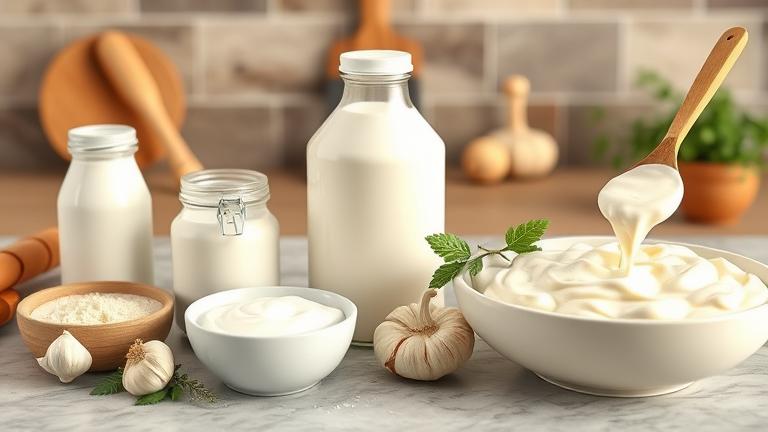
Dairy-Free Alternatives for Alfredo Sauce
If you love Alfredo sauce but need to avoid dairy, don’t worry. There are plenty of delicious dairy-free options that can replace heavy cream and still give you that creamy, rich texture you want. These substitutes work well in homemade sauces and are perfect for anyone with lactose intolerance or dairy allergies.
Unsweetened Plant-Based Milks
One of the easiest dairy-free options is using unsweetened plant-based milks. Almond, cashew, soy, and oat milk are popular choices. They are readily available and have a mild flavor that blends well with garlic, cheese alternatives, and seasonings.
For a creamier texture, consider using thicker plant milks like cashew milk or blending regular almond milk with soaked cashews to make a richer base. Keep in mind that some plant milks are thinner than cream, so you might want to thicken your sauce with a cornstarch slurry or a bit of vegan butter for extra creaminess.
Silken Tofu
Silken tofu is a fantastic dairy-free alternative. Its smooth, creamy consistency makes it perfect for sauces. Simply blend silken tofu until smooth and stir into your sauce base. It adds protein as well as creaminess without any dairy.
To enhance flavor, you can add garlic, nutritional yeast for a cheesy taste, and seasonings. Tofu blends seamlessly into your sauce, giving it a luscious texture while keeping it dairy-free and nutritious.
Coconut Milk or Coconut Cream
Coconut milk and coconut cream are common dairy substitutes that lend a rich, velvety texture. Coconut cream is thicker and more concentrated, making it ideal for a creamy Alfredo sauce.
Be aware that coconut introduces a mild coconut flavor. To minimize this, use canned coconut milk or cream in moderation and balance it with garlic, herbs, and a bit of lemon juice. It’s a great option if you enjoy a slight coconut twist or need an ultra-creamy sauce.
Cashew Cream
Cashew cream is a popular dairy-free alternative known for its silky texture. To make it, soak raw cashews in water for a few hours, then blend them with water or broth until smooth. You can also add garlic, nutritional yeast, or seasonings to enhance flavor.
Cashew cream provides a rich, neutral taste that mimics heavy cream remarkably well. It’s an excellent choice for those looking for a homemade, customizable sauce base.
Other Tips for Success
- Start with small amounts of your chosen substitute and taste as you go. You can always add more for thickness or flavor.
- Thicken thinner liquids with cornstarch, potato starch, or arrowroot powder if needed. Simply mix the starch with a little cold water to create a slurry before adding to the sauce.
- Season your dairy-free Alfredo well with garlic, nutritional yeast, or vegan cheese to enhance the cheesy flavor.
By experimenting with these dairy-free options, you can enjoy a creamy Alfredo sauce that fits your dietary needs while still tasting rich and satisfying. Each substitute has its own unique flavor and texture, so don’t hesitate to try different combinations until you find your perfect mix.
Plant-Based Cream Substitutes
If you’re looking to replace heavy cream in your recipes with a plant-based alternative, you’re in the right place. There are many non-dairy options like cashew cream, coconut cream, and others that can give your dishes the richness they need without using dairy products. These substitutes are especially helpful for vegans, those with lactose intolerance, or anyone wanting to try something new.
Cashew Cream
Cashew cream is a popular and versatile plant-based substitute for heavy cream. To make it, soak raw cashews in water for at least 4 hours or overnight. Drain the soaked nuts and blend them with fresh water until smooth. For a creamier texture, use less water; for a thinner consistency, add more. You can also add a pinch of salt or a little lemon juice to enhance the flavor.
Cashew cream works well in soups, sauces, pasta dishes, and even desserts like cheesecakes. Keep in mind that it doesn’t have a strong flavor, so it easily absorbs other tastes. If you want a thicker cream, use less water or blend it longer until it’s very smooth. Leftover cashew cream can be stored in the fridge for up to 3 days in an airtight container.
Coconut Cream
Coconut cream is a rich, dairy-free option made from the thick, creamy part of canned coconut milk. To get coconut cream, chill a can of full-fat coconut milk overnight. Once chilled, open the can and scoop out the solidified cream on top. You can also buy canned coconut cream directly from stores.
Coconut cream is perfect for curries, desserts, or a dollop on fruit. Its natural sweetness adds a tropical twist to recipes. If you want a thinner version, stir in some of the remaining coconut milk or use it directly in recipes. Be cautious if you’re watching your calorie intake, as coconut cream is quite high in fat.
Other Non-Dairy Creams
Besides cashew and coconut, there are several store-bought plant-based cream options. These include soy-based, rice-based, oat-based, and almond-based creams. They often come in cartons or cans, and some are specifically formulated for cooking or whipping.
- Silken tofu: Blended silken tofu can create a creamy texture suitable for sauces and soups. It’s high in protein and adds a different flavor profile.
- Oat creaming made by blending oats with water: Oat-based creams are naturally sweet and work well in both sweet and savory dishes. It’s a good option for those with nut allergies.
- Boxed almond or soy creams: These are ready-to-use in recipes like coffee, sauces, or desserts. Check the label for added sugars or stabilizers if you prefer a cleaner product.
Tips for Using Plant-Based Creams
- Adjust quantities to match the richness of dairy cream. Usually, 1 cup of homemade cashew cream replaces 1 cup of heavy cream.
- Test the flavor before adding to your dish. You might want to add a little salt, vanilla, or lemon to enhance the taste.
- Use freshly made plant-based creams for the best texture. Store leftovers in an airtight container in the refrigerator, and use within a few days.
- Keep in mind that some plant-based creams may split or thicken when heated. Add them gradually to hot dishes and stir constantly.
Healthy Options for Cream Alternatives
If you’re looking for healthier substitutes for heavy cream, you’re in the right place. Many recipes call for cream to add richness and smoothness, but traditional heavy cream can be high in fat and calories. Luckily, there are plenty of tasty and nutritious options that can keep your dishes creamy without the guilt.
Choosing a good cream alternative depends on the recipe and your personal taste. Whether you’re making soups, sauces, or desserts, you’ll find options that suit your needs. Let’s explore some popular healthy substitutes for heavy cream that can help you enjoy your favorite dishes with less fat and fewer calories.
Plant-Based Milk with Thickening Agents
One of the easiest ways to replace heavy cream is to use plant-based milks like almond, cashew, soy, or oat milk. To make them creamier, add natural thickeners such as cornstarch, arrowroot powder, or blended cashews. For instance, blending soaked cashews until smooth creates a luscious, creamy texture that works well in sauces and soups.
Start with a cup of plant-based milk and mix in a teaspoon of your chosen thickener. Heat gently while stirring until it thickens. This method is versatile, and you can customize the level of creaminess to suit your preference. Keep in mind that some plant milks are thinner than heavy cream, so you might need to adjust quantities or add extra thickeners.
Greek Yogurt and Cottage Cheese
Greek yogurt and cottage cheese are high in protein and lower in fat compared to traditional cream. They can add a nice tang and creamy texture, especially in cold or cooked dishes. For example, stirring a spoonful of Greek yogurt into a hot soup can give it a smooth finish without extra fat. Blending cottage cheese can create a similar effect.
Be cautious: adding yogurt or cottage cheese to hot dishes too quickly can cause curdling. To avoid this, temper the yogurt by mixing in a small amount of hot liquid before adding it to the main dish. These options are excellent in creamy dressings, dips, and even baked goods where a slight tang adds flavor.
Avocado
Avocado is a fantastic natural cream substitute packed with healthy fats and fiber. Its smooth, buttery texture makes it perfect for spreads, smoothies, or creamy dressings. Simply mash or blend ripe avocado until smooth and add a splash of lemon juice to prevent browning.
Avocado works especially well in cold dishes or as a base for vegan creams. Keep in mind that it has a distinct flavor, so consider how it pairs with other ingredients in your recipe.
Silken Tofu
Silken tofu is another healthy alternative for replacing cream, especially in soups, sauces, and desserts. It’s low in calories and high in protein. To use, blend silken tofu until it reaches a smooth, creamy consistency. You can add seasonings or spices to enhance its flavor.
This option is excellent for vegan recipes, and it adds a neutral, creamy texture without any overpowering taste. Be sure to blend thoroughly to avoid lumps.
Tips for Using Cream Alternatives
- Start with smaller quantities and adjust as needed to achieve the desired creaminess.
- Balance flavors with herbs, spices, or acids like lemon juice or vinegar.
- Experiment with combinations, such as blending avocado with plant-based milk for extra richness.
- Be mindful of cooking times; some substitutes might require longer to thicken or set.
With these healthier cream alternatives, you can enjoy rich, satisfying dishes while cutting back on fat and calories. Try different options to see which works best for your recipes and taste preferences, and enjoy cooking with a healthier twist!
Quick and Easy Cream Swaps
If you’re making a creamy Alfredo sauce but don’t have heavy cream on hand, don’t worry. There are plenty of simple and convenient substitutes that you can use to still get that rich, velvety texture. These options are perfect for home cooks who want quick solutions without a trip to the store.
First, one of the easiest swaps is milk. While milk alone might make the sauce thinner, you can enrich it by adding a bit of butter or cream cheese. For every cup of heavy cream needed, use about one cup of milk plus 1-2 tablespoons of melted butter or a small piece of cream cheese. Stir well to combine, and your sauce will become creamier and more satisfying.
Another popular substitute is whole milk combined with flour or cornstarch to thicken the sauce. For each cup of liquid, whisk together 1 tablespoon of flour or cornstarch with a few tablespoons of cold water until smooth. Add this mixture to your simmering milk, stirring constantly until thickened. This creates a creamy texture similar to heavy cream, perfect for Alfredo.
If you’re looking for dairy-free options, canned coconut milk is a fantastic choice. It’s naturally creamy and rich, so use it just like you would heavy cream. Keep in mind that coconut milk has a different flavor, so it adds a slight coconut taste to your dish. For a more neutral flavor, use light coconut milk, which is less thick but still gives that smooth texture.
Yogurt or sour cream are also handy for quick cream swaps, especially in cooked sauces. Use plain Greek yogurt or sour cream, adding it to the sauce at the end of cooking to prevent curdling. Mix 1/2 cup of yogurt or sour cream with a bit of warm sauce to temper it before stirring everything together. This gives your Alfredo a tangy richness and velvety consistency.
For those who keep powdered milk or powdered cream in the pantry, these can be reconstituted quickly with water. Dissolve the recommended amount according to the package instructions, then add to your sauce as a substitute for heavy cream. It’s a fast and shelf-stable option that works well in a pinch.
- Tip: Whisk your substitute well to avoid lumps and ensure a smooth sauce.
- Tip: Add your cream swap gradually and taste as you go; you may need to adjust seasoning or thickness.
- Tip: Remember that some substitutes, like coconut milk, can change the flavor profile of your Alfredo, so consider the overall dish.
Using these quick cream swaps doesn’t mean sacrificing richness. With a little prep and the right ingredients, you can create a delicious, creamy Alfredo sauce in no time. Just keep your pantry stocked with these handy alternatives, and you’re ready for any pasta night or quick dinner fix.
FAQs About Alfredo Sauce Substitutes
If you love creamy pasta but need a substitute for heavy cream in your Alfredo sauce, you’re not alone. Many home cooks look for tasty alternatives that can swap in easily without sacrificing flavor or texture. Here are some common questions and helpful answers about making Alfredo sauce with different ingredients.
Can I use milk instead of heavy cream in Alfredo sauce?
Yes, you can use milk as a lighter version of heavy cream. Whole milk works best because it is richer and will give your sauce more body. However, since milk has less fat, your sauce might be a bit thinner and less creamy. To improve the consistency, you can add a tablespoon of butter or a small amount of flour to thicken it up. Keep in mind that the flavor may be slightly less rich compared to traditional Alfredo sauce.
What about cream cheese as a substitute?
Cream cheese is a popular choice because it adds creaminess and a slightly tangy flavor. Use softened cream cheese and blend it into your sauce until smooth. It works well in giving the sauce a thick, velvety texture. You might want to adjust the seasonings slightly as cream cheese can add a subtle tang that may change the sauce’s flavor profile.
Can sour cream be used in place of heavy cream?
Sour cream can create a rich and creamy Alfredo sauce with a slight tang. Add it toward the end of cooking to prevent curdling. Since sour cream is thicker and tangier, you might want to reduce other acidic ingredients or seasonings. This alternative is great if you want a quick fix and a different flavor twist.
Are there plant-based options suitable for vegans?
Absolutely. For a vegan Alfredo sauce, try using canned coconut milk or cashew cream. Coconut milk adds a subtle sweetness and creaminess, while cashew cream is smooth and mild. To make cashew cream, soak raw cashews in water, then blend with water, garlic, and seasonings until smooth. These options provide a rich texture and work well for those avoiding dairy.
How do different substitutes affect the taste and texture?
Each alternative alters the flavor and consistency of the sauce slightly. Milk makes it lighter and less rich, while cream cheese and sour cream add body with more tang. Plant-based options might introduce a nutty or coconut flavor. It’s a good idea to experiment and see which substitute suits your taste best. You can also combine different options, like milk and cream cheese, for a customized result.
What tips can I follow to make a delicious Alfredo with substitutes?
- Start with small amounts and add more gradually to get the perfect consistency.
- Cook the sauce over medium-low heat to prevent curdling or separation.
- Season well with garlic, salt, pepper, and a pinch of nutmeg for classic flavor.
- If the sauce seems too thin, mix in a little cornstarch or flour to thicken it up.
- Always taste before serving to adjust seasonings as needed.
Trying different substitutes can open up new flavor experiences. With a little practice, you can create a creamy, tasty Alfredo sauce even without heavy cream.
Vegan-Friendly Cream Alternatives
If you’re looking to keep your dishes completely plant-based, using vegan-friendly cream alternatives is a smart choice. These options help your sauces stay rich and creamy without any dairy. Luckily, there are several accessible ingredients you can use to achieve that smooth, indulgent texture.
One popular vegan cream substitute is coconut cream. Made from the thick part of coconut milk, it has a naturally rich texture and a slight coconut flavor. Coconut cream works well in both savory sauces and desserts. Keep in mind that for a neutral taste, full-fat coconut milk can also be strained to remove excess liquid, resulting in a creamier consistency.
Another common option is cashew cream. To make it, soak raw cashews in water for a few hours or overnight. Then, drain and blend the cashews with fresh water until smooth. Cashew cream offers a mild flavor and a silky texture, making it perfect for creamy pasta sauces, soups, and even dairy-free ice cream. You can customize the thickness by adjusting the amount of water you use in the blend.
Silken tofu is another versatile vegan cream alternative. It has a neutral taste and blends into a smooth, creamy consistency. Simply blend silken tofu until smooth and use it in recipes requiring creaminess, such as pestos or creamy dressings. Tofu adds protein to the dish and creates a satisfying texture without overpowering the other flavors.
For those who prefer a more straightforward substitute, plant-based milks like soy, almond, or oat milk can be thickened with ingredients like cornstarch or tapioca starch. How to do it? Just heat the plant milk, then whisk in a slurry of cornstarch or tapioca starch until it thickens. While these are less rich than coconut or cashew creams, they work well in lighter sauces or as a base for creamy soups.
Oat cream is gaining popularity for its mild taste and creamy consistency. Available in stores or homemade by blending soaked oats with water, oat cream is a great dairy-free option that adds richness without overpowering flavors. It’s especially good for coffee, desserts, and creamy sauces.
Here are some tips to help you choose the best vegan cream substitute:
- If you want a neutral flavor, go with tofu or oat cream.
- For a rich and tropical taste, coconut cream is ideal.
- Cashew cream is excellent for a smooth, customizable texture.
- Keep in mind that coconut and cashew creams are higher in calories, so use them in moderation if you’re watching your intake.
By using these plant-based cream alternatives, you can easily keep your dishes free of dairy while still enjoying that luscious, creamy texture. Experimenting with different options can also add new flavors and textures to your recipes, making your cooking more exciting and dairy-free friendly.
Practical Tips for Making Creamy Sauces
Making a creamy Alfredo sauce with alternative ingredients can be a fun way to enjoy this classic dish while accommodating dietary preferences or what’s available in your kitchen. Achieving that smooth, luscious texture might seem tricky at first, but with a few practical tips, you can create a deliciously creamy sauce every time.
First, start with quality ingredients. Using fresh and good-quality dairy or plant-based options makes a noticeable difference in texture and flavor. If you’re using dairy, full-fat cream or butter will give a richer, creamier consistency. For plant-based alternatives, choose unsweetened versions of coconut milk, cashew cream, or silken tofu, which blend well when prepared properly.
1. Properly Prepare Your Alternative Ingredients
- For nut-based creams like cashew cream, soak the nuts in water for a few hours or overnight. This softens them, making blending easier and resulting in a smoother sauce.
- If using silken tofu, blend it first until completely smooth before adding it to the sauce. This helps prevent lumps and creates a silky texture.
- For plant milks, opt for thicker varieties like coconut or cashew milk rather than very thin almond or rice milk, which can make your sauce more runny.
2. Combine and Heat Gently
When making your sauce, combine your ingredients over low to medium heat. High heat can cause dairy or plant-based alternatives to separate or curdle, especially if they are sensitive or contain thickeners that react quickly. Gently warming the ingredients allows flavors to meld smoothly and helps maintain a creamy texture.
3. Use Thickening Agents Wisely
If your sauce isn’t as thick as you’d like, consider adding a natural thickener. Common options include a slurry of cornstarch or arrowroot powder mixed with cold water. Add this gradually while stirring constantly, allowing the sauce to thicken without becoming gluey. For a smoother consistency, dissolve the thickener fully before adding it to the hot sauce.
4. Blend for Creaminess
For the ultimate silky texture, use an immersion blender or regular blender to purée your sauce once all ingredients are combined and heated. Blending breaks down any remaining small lumps and integrates the ingredients thoroughly, resulting in a luscious, uniform creaminess. Just be careful when blending hot liquid—start slowly and hold the lid securely.
5. Adjust the Texture and Flavor
After blending, taste your sauce and adjust the seasoning. If it’s too thick, thin it out with a splash of plant-based milk or broth. If it’s too thin, simmer gently to reduce and thicken. Don’t forget a pinch of salt and a dash of nutmeg or garlic to enhance the flavor.
Extra Tips:
- Avoid overheating your sauce after blending. Continued high heat can cause separation.
- Always add salt or acidic ingredients like lemon juice after the sauce is cooked to prevent curdling.
- Prepare your sauce in advance. It often thickens slightly upon standing, so adjust the consistency before serving.
By following these simple tips, you can master making creamy Alfredo sauces with alternative ingredients. With a little patience and attention to detail, you’ll enjoy rich, velvety sauces that impress family and friends alike.