
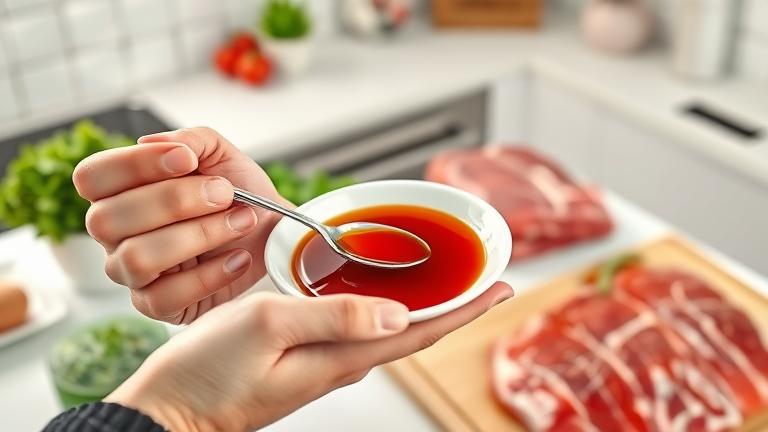
Is Raw Marinade Safe to Eat?
If you’ve ever marinated meat or vegetables and wondered whether it’s safe to taste the marinade before cooking, you’re not alone. Many home cooks are curious about whether they can enjoy that flavorful liquid without turning it into a safety risk. The answer depends on several factors, including what ingredients are in the marinade and how long it’s been in contact with raw food.
When you use marinade to flavor raw meat, poultry, or seafood, it often contains ingredients like vinegar, lemon juice, oil, spices, and herbs. Some of these ingredients have natural antimicrobial properties that can help reduce bacteria. However, the main concern is that harmful bacteria from raw meat, such as Salmonella or Campylobacter, can contaminate the marinade.
So, is it safe to taste the marinade directly from the bowl? Generally, it is not recommended. If you dip a spoon into the marinade after it has been in contact with raw meat, bacteria may be present. Eating or drinking it could cause foodborne illnesses. The key point here is that the marinade becomes a vehicle for bacteria that can contaminate other foods or cause health issues if ingested.
Understanding the Risks
- Raw meat, chicken, or seafood can introduce bacteria into the marinade.
- Bacteria multiply quickly at room temperature. That’s why it’s important to refrigerate marinated food.
- Consuming the marinade without cooking may lead to illness if bacteria are present.
Safety Tips for Marinade Use
- Use a separate utensil to taste: Instead of dipping your spoon into the marinade, set aside a little portion before adding raw meat. Taste that separate portion if you want to check the flavor.
- Discard used marinade: If the marinade has contacted raw meat or seafood, do not reuse it unless you boil it thoroughly first.
- Cook the marinade: If you want to enjoy that tasty marinade, bring it to a boil for at least one minute before serving or using it as a sauce. This kills any bacteria present.
- Marinate in the fridge: Always keep your marinating meat refrigerated to slow bacterial growth and ensure safety.
- Be cautious with vegetarian marinades: If your marinade contains only vegetables, oils, and spices, the risk is lower. However, if it contains raw eggs or dairy, it’s best to handle it with care and avoid tasting directly from the bowl if contaminated.
Additional Considerations
If you’re making a marinade for grilling or roasting, it’s best practice to set aside a small amount before adding raw ingredients to taste. This helps avoid cross-contamination. Also, when using leftover marinade as a sauce, always bring it to a boil to ensure safety.
In summary, raw marinade is not typically safe to eat directly after contact with raw meat because of bacterial risks. However, following proper handling and cooking practices ensures you enjoy flavorful dishes without compromising safety.
Risks of Eating Uncooked Marinade
Many home cooks love to use marinade to add flavor and tenderize meat or vegetables. But did you know that eating marinade before cooking can pose health risks? That’s because raw marinades can contain bacteria that may cause foodborne illnesses if not handled properly.
When you prepare a marinade, especially one that contains raw ingredients like garlic, herbs, or citrus, bacteria from these ingredients can be transferred to the liquid. If you then dip raw meats into this marinade or save it for later use without cooking it, you might be introducing harmful germs into your kitchen and onto your food.
One common danger is bacterial contamination. Bacteria such as Salmonella, E. coli, and Campylobacter can live in raw marinades if they’re mixed with raw meat or poultry. These bacteria have the potential to cause serious illnesses with symptoms like stomach cramps, diarrhea, vomiting, and fever.
Eating uncooked marinade that has been in contact with raw meat or poultry increases the risk of these bacteria spreading. When you use marinade in this way, you might unintentionally ingest harmful germs. This is especially risky if you have a weakened immune system or are preparing food for young children or elderly family members.
Another problem is cross-contamination. If raw marinade comes into contact with other foods or surfaces in your kitchen, bacteria can spread. For example, dripping marinade on cutting boards, knives, or countertops can contaminate those surfaces, making it easier for bacteria to transfer to other foods.
It’s also important to remember that some ingredients in marinade, like dairy or eggs, can carry bacteria if not properly handled. When these ingredients are mixed raw, the risk of contamination increases, especially if the marinade is kept at unsafe temperatures for too long.
So, what are the main food safety tips to avoid these risks? First, never reuse marinade that has been in contact with raw meat unless you boil it first. Boiling kills bacteria and makes it safe to use as a sauce or glaze. If you want to flavor cooked meat, set aside some marinade before adding raw meat and then cook it thoroughly before applying it to the cooked dish.
Always wash your hands, utensils, and surfaces thoroughly after handling raw marinade. Use hot, soapy water to remove any bacteria. Keep raw meat and marinade separate from other foods in your fridge and during preparation.
- Do not taste or consume marinade that has been in contact with raw meat without cooking it first.
- Always cook your marinade if you plan to eat it afterward.
- Use a clean spoon or brush to apply marinade to cooked foods to avoid recontamination.
In summary, eating uncooked marinade can be risky because of bacteria and cross-contamination. By handling marinade carefully and cooking it properly, you can enjoy flavorful meals safely. Always remember: when in doubt, cook it first to keep your family safe and healthy.
Benefits of Raw Marinade Flavors
Using a marinade directly without cooking, also known as raw marinating, offers some tasty advantages that can really enhance your dishes. When you marinate meat, fish, or vegetables in a flavorful mixture, the magic starts happening right away. The flavors penetrate deeply, giving your food a richer, more vibrant taste that’s hard to achieve with cooking alone.
One key benefit of raw marinades is their ability to preserve delicate flavors. Ingredients like citrus juice, herbs, and spices shine when left raw, infusing the food with fresh, bright notes. For example, a lemon-garlic marinade can add a lively zing to chicken or seafood, making each bite burst with flavor. Since the marinade isn’t heat-treated, these fresh flavors stay intact, giving your dish a bright and lively character.
Another advantage is the speed of flavor absorption. When you marinate raw, thin cuts of meat or small chunks of vegetables, the marinade quickly infuses into the surface and even the inside if left long enough. This not only saves time but also results in more evenly flavored dishes. It’s especially useful when preparing quick salads, ceviche, or stir-fries where you want a potent flavor punch in a short amount of time.
Enhanced Texture and Juiciness
Raw marinades often contain ingredients like acids (vinegar, citrus) and oils that help tenderize and keep foods moist. The acids slightly break down the muscle fibers in meat, making it more tender without cooking. This process can produce a juicy, tender bite that feels lighter than traditionally cooked dishes.
For example, marinating fish in citrus and herbs can make it more delicate and flaky. Similarly, vegetables like peppers or cucumbers become crisper and more flavorful when soaked in a raw marinade. This technique offers a refreshing, raw-tasting dish that’s perfect for light summer meals or quick appetizers.
Retaining Nutrients and Freshness
Since you don’t cook out the marinade’s ingredients, many vitamins and nutrients stay preserved. Fresh herbs, garlic, citrus, and spices retain their natural properties, giving your dish added health benefits. Plus, using raw marinades keeps the fresh, vibrant aroma that some cooked ingredients might lose during heat processing.
Be mindful that some ingredients, especially raw meats or seafood, need proper handling to avoid any risk of foodborne illness. Always marinate in the refrigerator, especially if using raw meat or fish, and don’t reuse leftover marinade that’s been in contact with raw ingredients unless it’s boiled first.
Versatility and Creativity
Raw marinades open up many culinary possibilities. They are versatile enough for salads, grilled dishes, or even as a dipping sauce. You can experiment with different flavor combinations think miso and ginger, yogurt and herbs, or lime and chili to suit your taste and the dish at hand.
Just remember, the best raw marinades balance acidity, oil, and flavoring ingredients. Too much acid might toughen the food if left too long, so it’s good to find that sweet spot. With a little practice, you’ll discover how raw marinades can bring a fresh, lively flavor to your cooking that’s both quick and delicious.
How to Make Safe Marinating Sauces
Marinating sauces add flavor and tenderness to your favorite foods, but it is important to prepare them safely, especially when they are meant to be consumed raw or used as a dipping sauce. Making safe marinating sauces involves choosing the right ingredients and handling them properly to prevent foodborne illness.
Start by selecting fresh, high-quality ingredients. Use ripe fruits, fresh herbs, and good-quality oils, but always check for signs of spoilage such as mold, off-odor, or sliminess. Fresh ingredients are less likely to harbor harmful bacteria that could cause illness. When working with raw ingredients like garlic, onions, or ginger, wash them thoroughly under running water before chopping or adding to your sauce.
Ingredient Selection
- Fresh and Properly Stored Items: Use fresh herbs, vegetables, and meats from trusted sources. Avoid ingredients that look wilted, discolored, or have an unusual smell.
- Acidic Components: Incorporate acids such as vinegar, lemon juice, or lime juice in your sauces. Acid helps slow bacterial growth, making the marinade safer to eat raw. Aim for a pH level below 4.6, which significantly reduces the chance of bacterial survival.
- Salt and Sugar: These ingredients also inhibit bacterial growth when used in adequate amounts. Salt can be added as a preservative, and sugar helps balance flavors while supporting safety.
Handling Practices for Safety
Proper handling and storage are crucial when making and using marinating sauces. Follow these tips to keep your sauce safe:
- Cleanliness: Always wash your hands, utensils, cutting boards, and surfaces thoroughly before handling ingredients. Cross-contamination can introduce bacteria into your marinade.
- Prepare in Small Batches: If you plan to store marinating sauce, make only what you need for immediate use or store leftovers properly.
- Use Airtight Containers: Store your marinade in clean, airtight containers in the refrigerator. This prevents contamination and spoilage.
- Marinate in the Refrigerator: Never leave raw meats or ingredients marinating at room temperature. Keep everything chilled below 40°F (4°C) to inhibit bacteria growth.
Marinating Time and Safety
How long you marinate also affects safety. Typically, meats should be marinated in the fridge for several hours or overnight. For raw sauces meant to be eaten directly, a short marinating time of 30 minutes to 2 hours is enough to add flavor without risking bacterial growth. If you want to reuse marinade that has been in contact with raw meat, always boil it thoroughly before using it as a sauce or dip. Boiling for at least one minute kills most bacteria and pathogens.
Common Mistakes to Avoid
- Marinating at Room Temperature: This greatly increases the risk of bacteria multiplying. Always keep marinating sauces refrigerated.
- Using Spoiled Ingredients: Never add ingredients that are past their prime, as they can introduce bacteria and cause food poisoning.
- Reusing Raw Marinade: Do not reuse marinade that has been in contact with raw meat unless it is boiled first.
By following these simple tips for ingredient selection and handling practices, you can make flavorful marinades that are safe to enjoy raw or as dips. Remember, safety in the kitchen ensures everyone can enjoy great tasting food without worries!
Best Practices for Using Marinade
Marinades are a fantastic way to infuse your meat, vegetables, or tofu with flavor. But to get the best results and keep your food safe, it’s important to follow some simple tips. With the right approach, you can enjoy tasty, tender dishes every time.
First, choose a marinade that complements your food. Common ingredients include oil, acid (like vinegar or citrus juice), herbs, spices, and a touch of sweetness. Remember, the acid helps tenderize while adding flavor, but too much or for too long can make the food mushy. A balanced marinade usually contains a mix of these components.
Proper Marinating Techniques
Always marinate in the refrigerator. Leaving food out at room temperature can promote the growth of harmful bacteria. Use a non-reactive container like glass, ceramic, or food-grade plastic. Avoid metal containers as they can react with the acid and affect the flavor.
Make sure the food is completely submerged or well-coated with the marinade. Use a resealable plastic bag for easy turning and even coverage. If using a bowl, turn the food occasionally to distribute the flavors evenly.
Marinating Times
The length of time you marinate depends on the type of food. For smaller cuts or seafood, 30 minutes to 2 hours is usually enough. Tougher meats like beef brisket or pork shoulder benefit from longer marinating, up to 24 hours. Vegetables generally need less time, around 30 minutes to 1 hour, to avoid becoming too soft.
Be cautious not to over-marinate, especially with acidic mixes, as it can break down the food’s texture. If you plan to marinate overnight, consider using a less acidic mixture to preserve quality.
Food Safety Tips
- Never reuse marinade that has been in contact with raw meat unless you boil it first to kill bacteria.
- If you want to use the marinade as a sauce, set aside a portion before adding raw meat. Do not reuse the raw marinade after contact with raw food unless cooked thoroughly.
- Cook marinated meat to the recommended internal temperature to ensure it’s safe to eat. Use a meat thermometer for accuracy.
Common Mistakes to Avoid
- Marinating at room temperature this encourages bacteria growth and compromises safety.
- Marinating for too long, especially with highly acidic ingredients, which can make foods mushy or unevenly tender.
- Using the same marinade as a sauce without boiling raw juices can harbor bacteria, so always cook the marinade before serving.
Extra Tips for Success
- Label your marinade with the date to keep track of how long it’s been in the fridge.
- For even flavor, turn the food occasionally during marinating.
- Experiment with flavors try adding garlic, ginger, honey, or herbs for a customized taste.
Following these best practices will help you enjoy flavorful, safe, and tender meals every time you use a marinade. With just a little planning, marinating can transform simple ingredients into delicious dishes.
Alternatives to Raw Marinade
If you’re worried about eating raw marinade or simply want to explore different ways to flavor your foods, there are plenty of tasty alternatives. These methods can add delicious flavor to your dishes while keeping safety in mind. Whether you prefer cooking techniques or different sauces, you can still enjoy juicy, flavorful meals without raw marinades.
One popular alternative is to cook the marinade along with your food. When you cook ingredients that have been in contact with a marinade, any bacteria are destroyed. For example, if you’re marinating chicken, you can bake or grill it until fully cooked. During cooking, the marinade turns into a flavorful sauce that enhances the dish.
Another option is to use dry rubs or spice mixes. These are made of herbs, spices, salt, and sugar. Instead of soaking the meat in liquid marinade, you massage the dry blend directly onto the surface. This method not only adds a lot of flavor but also creates a tasty crust when cooked.
Using Cooked Sauces
If you love the taste of your marinade but want a safer way to enjoy the flavor, consider making a sauce. You can simmer some of the marinade ingredients until they reduce and thicken. This makes a delicious sauce that’s safe to serve over your cooked meat or vegetables. For example, a soy-based marinade can be boiled and turned into a savory glaze or dipping sauce.
Marinate with Cooked Ingredients
Another creative method is to use cooked ingredients to infuse flavor. You might toss your vegetables or meat with cooked, smashed garlic, onion, or fruit purees. These add moisture and flavor, and since they are cooked, they are safe to eat without further processing. This is especially handy for dishes like stir-fries or roasted dishes where you want intense flavor without raw elements.
Food Safety Tips
- Always marinade in the refrigerator, not at room temperature. This keeps bacteria from growing.
- If you plan to use some marinade as a sauce, take out a portion before adding raw meat. Do not reuse marinade that has touched raw meat, unless you cook it first.
- Cook marinated foods thoroughly. Use a meat thermometer to ensure proper internal temperatures for meats.
Quick Tips for Flavoring without Raw Marinade
- Try dry rubs for grilling or roasting. They’re easy and flavorful.
- Make a fresh salsa or chutney to serve alongside your main dish.
- Sear your meat first, then baste with a cooked sauce during the last few minutes of cooking.
- Use marinated ingredients that are already cooked, like roasted garlic or caramelized onions, to add depth of flavor without raw prep.
These alternatives can help you enjoy flavorful dishes without the need for raw marinades. Experiment with different methods to find what suits your taste and cooking style best. Remember, safety first always cook thoroughly and store ingredients properly to prevent illness.
Tips for Safe Food Preparation
When it comes to preparing food, especially marinades and condiments, safety should always come first. Proper handling not only keeps your food delicious but also helps prevent foodborne illnesses. Here are some friendly and practical tips to keep your kitchen safe and your meals tasty.
1. Use Separate Utensils and Containers
Always use different utensils, cutting boards, and bowls for raw meats and ready-to-eat foods. For example, don’t dip your spoon into a marinade after tasting it and then put it back in the raw meat. Cross-contamination is a common cause of food poisoning. If possible, dedicate specific tools for raw ingredients and others for cooked or ready-to-eat dishes.
2. Marinate Safely
When marinating meat, poultry, or seafood, do so in the refrigerator, not on the counter. This keeps harmful bacteria from multiplying quickly at room temperature. Use a covered container or resealable plastic bag to contain the marinade and the food. If you plan to use the leftover marinade as a sauce, boil it first to kill any bacteria from the raw meat.
3. Keep Everything Clean
Wash your hands thoroughly with soap and water before and after handling food. Clean all surfaces, knives, and cutting boards after use with hot, soapy water. This reduces the risk of spreading bacteria. Remember, germs can hide in nooks and crannies, so take your time cleaning thoroughly.
4. Store Condiments and Sauces Properly
Once opened, keep condiments like ketchup, mustard, and mayonnaise refrigerated, following the product instructions. Store homemade sauces in airtight containers and consume them within a safe timeframe, usually a few days to a week. Always check for any signs of spoilage, such as an off smell or mold, before using.
5. Pay Attention to Temperature
Foods should be kept at safe temperatures to prevent bacteria growth. Keep raw meat refrigerated below 40°F (4°C). Marinades that contain raw meat should stay cold until used. When cooking, use a food thermometer to ensure that meats reach the right internal temperature safe zones like 165°F (74°C) for poultry are essential for safety.
6. Avoid Reusing Marinades
If you plan to serve a marinade as a sauce, set some aside before it touches raw meat. Never reuse marinade that has been in contact with raw meat or poultry unless you boil it first. Boiling kills bacteria and makes it safe to use as a sauce or gravy.
7. Practice Common Sense
- Never leave food out at room temperature for more than two hours.
- Always wash your hands before touching food or utensils.
- Use cooked or warm food promptly, and refrigerate leftovers within two hours.
8. Be Cautious with Fresh Herbs and Condiments
Fresh herbs can carry bacteria if not washed properly. Rinse them thoroughly before chopping and adding to dishes. For condiments, check expiration dates and discard if they develop an off smell, color, or texture. Proper storage helps extend their freshness and safety.
Following these simple tips helps ensure your food preparation is safe and enjoyable. Cooking and using condiments with care not only protects your health but also enhances the flavors of your favorite meals. Happy cooking!