
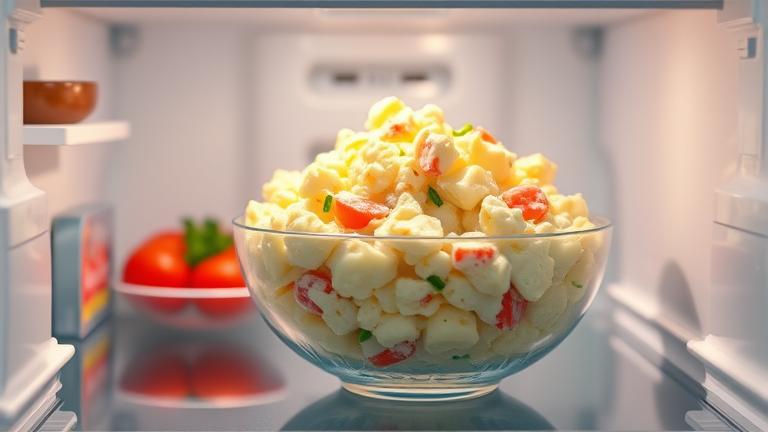
How Long Does Potato Salad Stay Fresh?
Potato salad is a popular and delicious dish that many home cooks enjoy. If you’ve made a batch or bought some from the store, you might wonder how long it stays fresh and safe to eat in the fridge. Knowing the proper storage time helps prevent foodborne illness and ensures your potato salad stays tasty.
Generally, potato salad can stay fresh in the refrigerator for about three to five days. This timeframe is a good rule of thumb for homemade or store-bought varieties. After this period, the risk of bacteria growth increases, which can lead to spoilage and potential health issues. Proper storage conditions also play a big role in keeping your salad safe.
There are a few factors that influence how long potato salad remains good:
- Ingredients: The freshness of potatoes, eggs, and other ingredients matters. Potatoes and eggs are especially perishable and can spoil quicker if not fresh.
- Storage Temperature: Keep your potato salad refrigerated at or below 40°F (4°C). The cold slows bacteria growth and preserves the salad longer.
- Packaging: Store your potato salad in an airtight container. Covering it tightly prevents bacteria from entering and keeps it from drying out or absorbing other fridge odors.
- Preparation Method: If the salad contains mayonnaise or other dairy products, it’s even more important to stick to the shorter end of the storage time. Dairy-based salads spoil faster than vinegar-based or oil-based ones.
Signs of Spoilage
If you’re unsure whether your potato salad is still good, look for signs of spoilage. These include a strange or sour smell, a slimy texture, or discoloration. If you notice any of these, it’s safest to toss the salad and make a fresh batch.
Tips for Extending Freshness
- Keep it cold: Always refrigerate potato salad within two hours of preparation.
- Avoid contamination: Use clean utensils every time to serve, not your fingers or a spoon that’s been used elsewhere.
- Store leftovers: Promptly refrigerate any remaining potato salad and consume it within the recommended time.
Summary
Remember, three to five days is the safe window for storing potato salad in the fridge. Beyond that, the risk of bacteria and spoilage increases. Following proper storage tips and checking for signs of spoilage will help you enjoy your potato salad safely and deliciously.
Proper Storage Tips for Potato Salad
Storing potato salad properly is key to keeping it fresh, tasty, and safe to eat. Whether you’ve made it ahead of time or have leftovers, understanding the best storage practices can help prevent spoilage and foodborne illnesses.
The first step is choosing the right container. Opt for an airtight container, such as a plastic or glass container with a tight-fitting lid. This prevents air from entering, which can cause the salad to spoil faster, and also helps keep odors from spreading in your fridge. Avoid using flimsy or poorly sealing containers, as they can lead to leaks and contamination.
Maintaining the Correct Temperature
Keeping potato salad at the proper temperature is essential for safety. Store it in the refrigerator at or below 40°F (4°C). If it’s left out at room temperature for more than two hours, bacteria can multiply quickly, making it unsafe to eat. When transporting or serving, use coolers or insulated bags to keep it cold until you’re ready to refrigerate.
Make sure your fridge isn’t overcrowded, which could raise the temperature inside. Keep potato salad on a shelf rather than the fridge door, because the temperature fluctuates more in the door compartments due to frequent opening.
Storage Duration Guidelines
Potato salad is best enjoyed within three to five days of preparation. Beyond that, the risk of spoilage increases. Check for signs of spoilage before eating leftovers: look for a sour or off smell, change in texture, or any visible mold or discoloration. If you notice any of these signs, discard the salad immediately.
Tips for Safe Storage
- Always cool the potato salad to room temperature within two hours of making it, then refrigerate promptly.
- Divide large batches into smaller portions for faster cooling and easier reheating.
- Label your container with the date it was made so you can keep track of how long it has been stored.
- Reheat only the portion you plan to eat, and never reheat the entire batch multiple times.
- If you plan to store potato salad for more than a few days, consider freezing it. However, expect some texture changes, so it’s best used within the recommended shelf life.
Common Mistakes to Avoid
- Leaving potato salad out at room temperature for too long.
- Using unsealed or damaged containers that can cause leaks or contamination.
- Refrigerating the salad in the door compartments, where temperature swings are more common.
- Not checking for spoilage signs before eating leftovers.
By following these storage tips, you can enjoy your potato salad safely and keep it tasting fresh longer. Remember, when in doubt, it’s better to throw it out than risk food poisoning.
Signs That Potato Salad Has Spoiled
Knowing how to tell if potato salad has gone bad is important for staying safe and enjoying your food. Potato salad is a popular dish, but it can spoil quickly if not stored properly. Look out for these common signs to prevent foodborne illnesses and keep your meals safe.
Visual Cues
- Discoloration: Fresh potato salad usually has a creamy, pale appearance. If you notice dark spots, yellowing, or other unusual colors, it might be spoiled. This is especially true if the color change is widespread rather than just a small part.
- Presence of mold: Any fuzzy, green, black, or white spots on top of the salad are clear signs of mold growth. Do not taste or serve the salad if you see mold.
- Slime or watery texture: If the potato salad looks slimy or has released excess liquid, it’s likely past its prime. The texture change indicates bacterial growth or spoilage.
Smell Signs
Our sense of smell is very good at detecting spoiled food. Potato salad should smell fresh and slightly tangy due to the vinegar or mustard used. If it emits a sour, rancid, or rotten smell, avoid eating it. A strong, unpleasant odor is a clear warning sign. Trust your nose if anything smells off, it’s better to discard it.
Texture and Taste Cues
The texture of fresh potato salad is creamy and firm. If the salad feels slimy, overly mushy, or watery, it’s time to say no. Do not taste the salad if you suspect spoilage. Spoiled potato salad can harbor harmful bacteria that cause food poisoning.
Additional Tips to Spot Spoilage
- Check the storage time: Potato salad should be refrigerated and eaten within 3–4 days. If it’s been longer, it’s safer to throw it out even if no obvious signs of spoilage are visible.
- Mind the temperature: If potato salad was left out at room temperature for more than 2 hours, bacteria could grow rapidly, increasing the risk of spoilage. Always refrigerate promptly.
- Watch for package or container leaks: Leaking or swollen containers can indicate bacterial activity inside.
When in doubt, it’s best to follow the rule “When in doubt, throw it out.” Avoid tasting or serving potato salad that shows any signs of spoilage. Better safe than sorry, especially with perishable dishes like this one. Remember, your health and safety come first.
Bacteria Risks and Food Safety Tips
When it comes to potato salad, proper storage is key to keeping it safe and delicious. If stored improperly, bacteria can grow quickly, increasing the risk of foodborne illnesses. Bacteria such as Salmonella, Listeria, and Staphylococcus can multiply in potato salad if it stays too warm or is left out too long.
Potato salad often contains ingredients like mayonnaise or eggs, which are good breeding grounds for bacteria if not handled correctly. That’s why understanding the risks and following some simple safety tips can help prevent illness and ensure your salad is safe to enjoy.
Why Bacteria Grow in Potato Salad
Bacteria thrive in warm environments. When potato salad is kept out of the refrigerator for more than two hours, bacteria can double rapidly. This can happen even faster in hot weather or if the salad is exposed to sunlight.
Additionally, bacteria can come from contaminated ingredients, utensils, or your hands during preparation. If any raw or undercooked ingredients have been in contact with the salad, the risk of bacteria multiplying increases.
Food Safety Tips to Prevent Bacterial Growth
- Keep it cold: Always store potato salad in the refrigerator at 40°F (4°C) or lower. Use a thermometer to check your fridge’s temperature regularly.
- Limit storage time: Use or discard leftover potato salad within 3-4 days. The longer it sits, the higher the risk of bacterial growth.
- Use clean utensils: When serving or handling the salad, always use clean utensils to prevent cross-contamination from other foods or dirty hands.
- Serve promptly: Keep potato salad chilled when serving, especially at picnics or outdoor events. Use a cooler with ice packs if necessary.
- Temperature awareness: Never leave the salad out at room temperature for more than two hours. In hot weather (above 90°F), cut this time to one hour.
- Separate raw ingredients: Keep raw ingredients separate from cooked or ready-to-eat foods to prevent contamination.
Signs Your Potato Salad May Be Unsafe
If your potato salad smells sour, appears slimy, or has a discolored look, it’s best to discard it. Bacteria can produce bad odors or change the texture. When in doubt, it’s safer to throw it out than risk food poisoning.
Key Takeaways
- Store potato salad promptly in the fridge at or below 40°F.
- Eat leftovers within 3 to 4 days.
- Always use clean utensils and wash your hands thoroughly.
- Avoid leaving the salad out for longer than two hours.
By following these basic food safety tips, you can enjoy your potato salad without worry. Keeping bacteria at bay makes mealtime safer and more enjoyable for everyone.
Best Practices for Reheating and Eating
Reheating potato salad can be tricky because it’s primarily made with cooked potatoes and other ingredients that don’t always reheat well. To keep it safe to eat and maintain its quality, follow these simple guidelines. Proper reheating and storage help prevent foodborne illnesses and make sure your dish tastes fresh and delicious.
Storage Tips for Safety
First, always store potato salad promptly after serving. Place leftovers in an airtight container and refrigerate within two hours of cooking. If the room temperature is above 90°F (32°C), refrigerate within one hour. Keep the salad in the fridge at or below 40°F (4°C) to slow bacterial growth.
Consume refrigerated potato salad within three to five days for safety and freshness. Avoid leaving it out at room temperature for more than two hours, as bacteria can multiply quickly and cause foodborne illness.
Reheating Principles
While many people prefer to eat leftover potato salad cold or at room temperature, you can reheat it if desired. Remember, reheating may change its texture and flavor, especially if it contains mayonnaise or other creamy ingredients.
Use gentle reheating methods to prevent the potatoes from becoming mushy or the salad from losing texture. The goal is to warm it through without overcooking.
Safe Reheating Methods
- Microwave: Place the potato salad in a microwave-safe dish. Cover loosely with plastic wrap or a microwave cover to retain moisture. Reheat on medium power in short intervals, stirring after each, until it reaches an internal temperature of 165°F (74°C). Use a food thermometer for accuracy.
- Stovetop: Transfer the salad to a skillet or saucepan. Warm over low heat, stirring often. This method helps prevent hot spots and keeps the salad from drying out. Again, aim for 165°F (74°C).
- Oven: Preheat your oven to 350°F (175°C). Place the salad in an oven-safe dish, cover with foil, and heat for 15–20 minutes, stirring halfway through. Check that the internal temperature has reached the safe zone.
Tips for Maintaining Quality
- Let the salad sit at room temperature for a few minutes after reheating to even out the temperature before serving.
- If the salad appears dry after reheating, add a splash of fresh mayonnaise, Greek yogurt, or a little bit of broth to restore moisture and flavor.
- Be cautious with reheating if the salad contains ingredients like eggs or dairy, as these are more sensitive to temperature changes.
Common Mistakes to Avoid
- Reheating more than once. Reheat only what you plan to eat to reduce risk and prevent spoilage.
- Leaving potato salad out too long before refrigerating. Always cool it quickly to prevent bacteria growth.
- Using high heat, which can cause the potatoes to become mushy or the sauce to break.
Additional Tips
If you’re unsure whether your potato salad is still safe to eat, check for signs of spoilage such as sour smell, slimy texture, or discoloration. When in doubt, it’s safer to discard it. Always prioritize safety over waste.
Common Mistakes That Shorten Shelf Life
Potato salad is a favorite at picnics, potlucks, and family dinners. But it can spoil quickly if not stored properly. Knowing the common mistakes can help you keep it fresh and safe to eat for longer.
One of the biggest errors is leaving potato salad out at room temperature for too long. Bacteria grow rapidly between 40°F (4°C) and 140°F (60°C). If it stays in this “danger zone” for more than two hours, it can become unsafe to eat. During hot days above 85°F (29°C), this time decreases to just one hour.
Another common mistake is not storing potato salad in the right container. Using a shallow, airtight container helps the salad stay cool and prevents exposure to contaminants. When stored in a deep or open container, the temperature can vary, making it easier for bacteria to develop.
People often forget to chill the potato salad quickly enough after preparing it. It’s best to refrigerate it within two hours of making or serving. If it’s hot outside, use ice packs or set the bowl in a larger container filled with ice to cool it down faster. Leaving it out for too long at room temperature allows bacteria to multiply rapidly.
Touching the potato salad with dirty utensils is another mistake that can introduce germs. Always use clean utensils when serving or taking leftovers. Also, avoid double-dipping, which contaminates the whole batch. It’s a good practice to use a clean spoon for each serving.
Another issue is reusing the same container multiple times without cleaning it properly. Stored leftovers should be transferred to a clean, airtight container. Regularly washing storage containers prevents mold and foodborne bacteria from growing.
It’s also important to watch out for the ingredients. Potato salad with ingredients like eggs, mayonnaise, or meats spoil faster. If any part of the salad develops an off smell, slimy texture, or discoloration, it should be discarded. Always check for signs of spoilage before eating leftovers.
Lastly, try not to keep potato salad in the fridge longer than 3 to 4 days. After that, the risk of bacteria growth increases, and the salad may turn sour or develop mold. If you want to enjoy leftovers longer, consider freezing it, but keep in mind that the texture may change upon thawing.
- Always chill potato salad quickly and store in airtight containers.
- Avoid leaving it out for over two hours at room temperature.
- Use clean utensils and avoid double-dipping.
- Check for signs of spoilage before eating leftovers.
- Do not keep potato salad in the fridge for more than 3 to 4 days.
By avoiding these common mistakes, you can enjoy fresh, tasty potato salad for a longer time and keep everyone safe. Keep these tips in mind, and your potato salad will stay delicious from the first bite to the last.
When to Toss Out Old Potato Salad
Potato salad is a classic side dish enjoyed at picnics, barbecues, and family dinners. However, because it contains mayonnaise or other perishable ingredients, it doesn’t last forever. Knowing when to toss out old potato salad is key to avoiding foodborne illness and keeping your meals safe and tasty.
The general rule is that potato salad should not be kept for more than three to five days in the refrigerator. If you’re unsure, it’s better to play it safe and discard it after that time. Bacteria can grow quickly in cold, moist environments like potato salad, especially if it’s been left out at any point longer than two hours.
One of the main signs that your potato salad has gone bad is a sour smell. Fresh potato salad should smell fresh and slightly tangy due to the vinegar or lemon juice, but if it develops a strong, unpleasant odor, it’s time to toss it. Similarly, if the salad looks slimy or has a liquid layer that appears watery and murky, it indicates spoilage.
Another clue is the appearance of mold or discoloration. If spots of fuzzy mold or darkening appear, never taste or eat the salad. Always trust your nose and eyes if anything seems off, it’s safest to discard it.
It’s also helpful to consider how the potato salad was stored. Keep it cold at 40°F (4°C) or lower in a sealed container. Don’t keep it out at room temperature for more than two hours, especially during warm weather, because bacteria thrive in warmth and can make you sick.
Here are some quick tips to keep your potato salad safe:
- Always refrigerate promptly after serving or eating.
- Use airtight containers to prevent contamination and moisture loss.
- Label leftovers with the date you made or bought the salad.
- If you’re ever in doubt about its freshness, it’s better to be cautious and throw it out.
In summary, trust your senses and follow proper storage times. Potato salad can be a delicious addition to your meal, but safety always comes first. When it’s past its prime, it’s better to part ways with old potato salad than risk illness. Safety and good judgment help keep your food enjoyable and free of worries.