
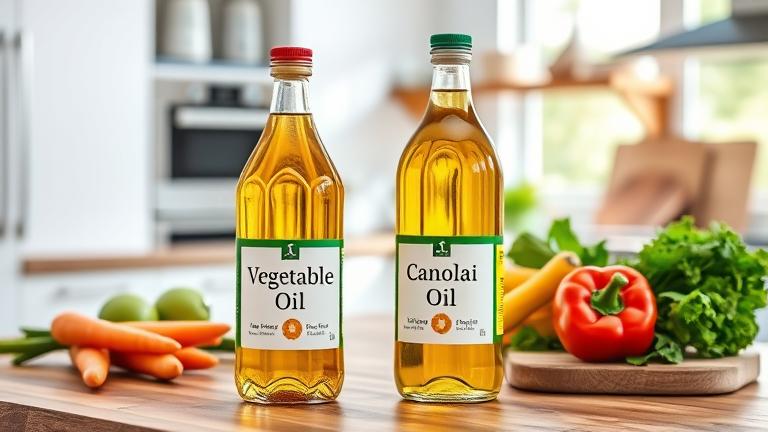
Vegetable Oil vs Canola Oil: What’s the Difference?
If you’ve ever looked at a bottle of cooking oil and wondered whether to choose vegetable oil or canola oil, you’re not alone. Many home cooks see these oils on the shelf and wonder what sets them apart. Both are popular choices for baking, frying, and sautéing, but they have some important differences in origin, composition, and best uses. Knowing these details can help you make smarter choices in your kitchen and get the best results with your recipes.
Let’s start with where they come from. Vegetable oil is a broad term that generally refers to any oil extracted from plant sources. It can be made from soybeans, corn, sunflower seeds, or a blend of various oils. Because of its general nature, vegetable oil can vary quite a bit in flavor, color, and nutritional profile depending on the source. Vegetable oils tend to have a neutral taste, making them versatile for many recipes.
On the other hand, canola oil is a specific type of vegetable oil. It is made from a special variety of rapeseed called canola. The name “canola” stands for “Canadian oil, low acid,” since it was first developed in Canada to have a mild flavor and low levels of certain compounds. Canola oil is usually more refined than some other vegetable oils, which helps it stay neutral in flavor and appearance. Because of its carefully controlled production, it has consistent quality and characteristics.
Composition and Health Aspects
In terms of composition, both oils are high in unsaturated fats, which are healthier fats that can help protect your heart. Canola oil contains a good balance of omega-3 and omega-6 fatty acids, making it a popular choice for those looking to include healthy fats in their diet.
Vegetable oils, depending on their source, might contain more saturated fats or different types of polyunsaturated fats. For example, soybean oil is high in omega-3s, while corn oil is rich in omega-6s. It’s good to know that most vegetable oils are refined and processed, which can remove some of the nutrients but improve shelf stability and cooking performance.
Typical Uses and Cooking Tips
Both vegetable and canola oils are well-suited for high-heat cooking such as frying and sautéing because they have high smoke points. The smoke point is the temperature at which the oil starts to burn and smoke, which can affect flavor and safety.
Canola oil has a slightly higher smoke point than many vegetable oils, making it a favorite for deep frying and stir-frying. Its neutral flavor also means it won’t interfere with the taste of your dishes, whether you’re baking muffins or making salad dressings.
- Use vegetable oil for general baking or cooking when you want a neutral taste.
- Choose canola oil when frying at high temperatures or when you prefer a milder, more consistent flavor.
- Remember to store both oils in a cool, dark place to extend their shelf life, especially after opening.
Summary of Key Differences
| Feature | Vegetable Oil | Canola Oil |
|---|---|---|
| Source | Varies (soybeans, corn, sunflower, etc.) | Specifically from canola rapeseed |
| Flavor | Neutral, depends on source | Mild, very neutral taste |
| Smoke Point | Generally high, varies by type | About 400°F (204°C), ideal for frying |
| Nutrition | High in unsaturated fats, variable omega-3s | Balanced omega-3 and omega-6 fatty acids |
With this understanding, you can choose the right oil for your cooking needs. Whether you prefer the versatility of vegetable oil or the health benefits and consistency of canola oil, both are excellent options to have in your pantry. Keep in mind that using the right oil can enhance your dishes and make cooking a little easier and more enjoyable.
When to Use Vegetable Oil in Cooking
Vegetable oil is a versatile ingredient that can be used in many cooking situations. Knowing when and how to use it can help you create delicious dishes with the right texture and flavor. Whether you’re frying, baking, or sautéing, vegetable oil often plays a key role in achieving the perfect result.
One of the main reasons to use vegetable oil is for frying. It has a high smoke point, which means it can be heated to a high temperature without burning. This makes it ideal for deep frying crispy French fries, crispy chicken, or tempura vegetables. When deep frying, use enough oil to fully submerge your food for even cooking.
Vegetable oil also works well for sautéing vegetables or browning meat. It provides a neutral flavor that won’t interfere with your dish’s taste. For quick stir-fries or pan-fried dishes, a few tablespoons of vegetable oil heated in the pan is perfect. Remember to heat the oil on medium-high heat before adding ingredients to prevent sticking and ensure even cooking.
In baking, vegetable oil helps create moist, tender baked goods. It’s often used in cakes, muffins, and breads. Because it’s flavorless, it won’t alter the taste of your baked items, making it a flexible choice. To get the best results, substitute vegetable oil for butter or margarine in your recipes according to the amount called for, usually by replacing the fat equal parts.
Not all cooking methods call for vegetable oil, however. For example, roasting vegetables at high heat can sometimes be better with olive oil or other flavorful oils, depending on your preference. In salads, instead of using oil for cooking, consider using it as a dressing, mixed with vinegar and herbs for a light, flavorful finish.
Here are some practical tips for using vegetable oil effectively:
- Choose the right type of vegetable oil based on your cooking method. For high-heat tasks like frying, opt for oils with high smoke points like canola or soybean oil.
- Store vegetable oil in a cool, dark place to keep it fresh and prevent it from going rancid.
- Don’t reuse oil multiple times, especially after frying foods that may contain bits of breading or batter, as this can affect the taste and safety.
- Use enough oil to prevent sticking but not so much that your food becomes greasy. A light coating is often sufficient for sautéing or pan-frying.
Understanding when to use vegetable oil in your cooking can help you improve your dishes and avoid common mistakes. With its neutral flavor and high smoke point, vegetable oil is a reliable choice for many kitchen tasks, making your home cooking easier and more delicious.
Baking with Vegetable Oil: Substitutes and Tips
If you’re baking and find yourself without vegetable oil, don’t worry. There are plenty of good substitutes that can help your baked goods stay moist and flavorful. Vegetable oil is popular because it adds moisture and tenderness, but sometimes you might want to swap it out for a different ingredient. The key is choosing the right substitute based on what you’re baking and the flavors you’re aiming for.
One of the simplest alternatives to vegetable oil is olive oil. Using extra virgin olive oil can add a rich, slightly fruity flavor to your baked treats. Keep in mind that olive oil has a stronger taste, so it works well in breads, muffins, or cakes with bold flavors. Use it in the same quantity as the vegetable oil called for in your recipe.
Another common substitute is melted butter. Butter adds a wonderful richness and depth of flavor to baked goods. To replace vegetable oil, melt the butter and measure it the same way as the oil. Be aware that butter contains water, which might slightly change texture or moisture levels. For a lighter option, you can use melted margarine or a neutral oil like canola or sunflower oil if you want a similar flavor profile to vegetable oil.
Healthy and Plant-Based Substitutes
- Applesauce: Unsweetened applesauce can replace oil to make baked goods moister and reduce fat. Use 1/4 cup applesauce for every 1/4 cup oil. This is especially good for muffins and quick breads.
- Yogurt: Plain Greek yogurt adds moisture and a slight tang. Swap out the oil on a 1:1 basis, but consider reducing other liquids slightly.
- Avocado: Mashed avocado adds creaminess and healthy fats. Use in equal amounts as the oil. Its subtle flavor pairs well with chocolate or banana baked goods.
Tips for Successful Substitutions
- Adjust liquids: When using substitutes like applesauce or yogurt, you may need to tweak the amount of other liquids in your recipe slightly to maintain the right batter consistency.
- Flavor considerations: Choose your substitute based on the flavor profile of your baked good. For example, extra virgin olive oil adds a distinct taste, while canola or vegetable oil provides a neutral flavor.
- Temperature and texture: Substitutes like melted butter or oils generally work best at room temperature. If you’re using fruit purees, keep an eye on the batter’s thickness, as it might be a little thicker or thinner than with vegetable oil.
- Test small batches: When trying a new substitute, consider baking a small batch first. This helps you see how the change affects texture and flavor without risking a whole recipe.
Common Mistakes to Avoid
- Overusing substitutes with strong flavors, like olive oil, in delicate baked goods where subtlety is preferred.
- Using too much applesauce or puree, which can make baked goods too dense or wet.
- Ignoring adjustments to liquids or other ingredients, which can lead to batter that is too runny or too thick.
With a little experimentation, you can easily substitute vegetable oil in your baking. Choosing the right alternative and making small adjustments will help ensure your baked goods stay moist, tender, and oh-so-delicious. Happy baking!
Health Benefits of Different Cooking Oils
Choosing the right cooking oil can make a big difference in your overall health. Oils like vegetable and canola oil are popular because they are versatile and widely available, but they also offer unique nutritional benefits. Understanding these benefits helps you make better choices for healthier eating habits.
Vegetable oils are generally extracted from a variety of plants and are rich in unsaturated fats. These healthy fats are good for your heart because they can help reduce bad cholesterol levels. Including vegetable oils in your diet may also support overall cardiovascular health and improve your body’s ability to regulate blood sugar levels.
Canola oil is a type of vegetable oil that is especially popular for its neutral flavor and high smoke point, making it perfect for frying, sautéing, and baking. It contains a good balance of omega-3 and omega-6 fatty acids, which are essential fats your body needs but cannot produce on its own. These fats are known to decrease inflammation and promote brain health.
Nutritional Benefits of Vegetable and Canola Oil
- Rich in Unsaturated Fats: Both oils are high in monounsaturated and polyunsaturated fats, which are healthier options compared to saturated fats found in butter or lard.
- Heart Health: The unsaturated fats help lower bad LDL cholesterol levels and may increase good HDL cholesterol, supporting a healthy heart.
- Vitamin E Content: Many vegetable oils, including canola, are good sources of vitamin E, an antioxidant that protects your cells from damage and supports immune function.
- Low in Saturated Fats: Compared to animal fats, these oils contain minimal saturated fats, reducing the risk of heart disease when used in moderation.
Practical Tips for Using Cooking Oils Healthily
- Opt for cold-pressed or extra virgin varieties when possible, as they retain more nutrients.
- Avoid heating oils past their smoke point, which can produce harmful compounds. For high-heat cooking like frying, choose oils like canola that have a high smoke point.
- Use oils in moderation. Even healthy fats are calorie-dense, so balance your intake to avoid unnecessary calories.
- Store oils in a cool, dark place to prevent rancidity and preserve their nutritional benefits.
Incorporating a variety of healthy oils into your diet can boost your nutrient intake and support long-term health. Remember, balance and moderation are key to enjoying the benefits of vegetable and canola oils without overdoing it.
Best Uses for Vegetable Oil in Your Kitchen
Vegetable oil is a kitchen staple known for its versatility, neutral flavor, and high smoke point. It is a popular choice for many cooking methods because it performs well in a variety of dishes. Whether you’re frying, baking, or sautéing, knowing the best uses for vegetable oil can help you cook more effectively and get delicious results every time.
Frying and Deep-Frying
One of the most common uses for vegetable oil is frying. With its high smoke point, typically around 400 to 450 degrees Fahrenheit, vegetable oil is ideal for deep-frying foods like chicken, fries, or onion rings. It heats evenly and provides a crispy texture without imparting a strong flavor. Just be sure to keep the oil at the right temperature to avoid soggy or burnt foods. Always use a thermometer if you’re unsure.
Sautéing and Stir-Frying
Vegetable oil is perfect for sautéing vegetables, cooking seafood, or stir-frying meats. Its neutral flavor allows the natural tastes of ingredients to shine through. For stir-fries, add a small amount of oil to a hot wok or pan, then quickly cook your ingredients while stirring constantly. This method helps retain the texture and flavor of your food while preventing sticking.
Baking
In baking, vegetable oil is a common substitute for butter or margarine. It keeps baked goods moist and tender. Use it in recipes like muffins, cakes, and brownies. Vegetable oil also extends the shelf life of baked items since it doesn’t contain water, which can cause baked goods to spoil faster. When substituting for butter, use about 3/4 of the amount called for in the recipe, as oil is more concentrated.
Salad Dressings and Marinades
Although vegetable oil has a neutral flavor, it works well in salad dressings and marinades. Mix it with vinegar, lemon juice, herbs, and spices to make a simple vinaigrette. Vegetable oil adds richness and helps distribute the flavors evenly over salads or marinated meats and vegetables.
Greasing Pans and Baking Sheets
Vegetable oil makes an excellent non-stick coating for pans. Lightly coat baking sheets or cake pans with oil before pouring in batter or dough. This helps prevent sticking and makes cleanup easier. For extra assurance, sprinkle a little flour over the oiled surface for even better release.
Tips for Using Vegetable Oil Safely and Effectively
- Always heat vegetable oil gradually to its desired temperature to prevent splattering or smoking.
- Use a stable, heat-resistant container for frying to avoid accidents.
- Store vegetable oil in a cool, dark place away from sunlight to maintain freshness.
- Be cautious when heating oil; never leave it unattended to prevent fires.
From frying crispy foods to baking moist cakes, vegetable oil is an adaptable ingredient in many kitchen tasks. Mastering its best uses can elevate your cooking and make your kitchen routines more efficient and enjoyable.
Common Questions About Oil Substitutes
When cooking or baking, sometimes you might wonder if you can swap out one type of oil for another. Whether you’re out of your usual olive oil or trying to reduce saturated fat, understanding your options is helpful. Here, we answer some of the most common questions about oil substitutes, including safety, effectiveness, and flavor considerations.
Can I substitute one oil for another in recipes?
In most cases, yes. Many oils can be swapped depending on what you are cooking or baking. For example, vegetable oil, canola oil, and soybean oil are fairly neutral and work well in most baked goods and frying. If you’re making salad dressings, olive oil is popular for its flavor, but you can use sunflower or avocado oil for a different taste. Keep in mind that some oils have stronger flavors or different smoke points, which can affect your dish.
How does the flavor of the oil affect my dish?
The flavor of your substitute oil can change the taste of your food. For instance, olive oil adds a fruity, slightly peppery taste, ideal for Mediterranean dishes. In contrast, neutral oils like canola or vegetable oil won’t add any noticeable flavor, making them versatile for any recipe. If you’re making baked goods or frying and want a subtle flavor, stick with neutral oils. If you want a more pronounced taste or are making a salad, choose oils like extra virgin olive oil or sesame oil.
Are all oils safe to use in cooking and baking?
Most oils are safe when used properly. However, some oils have low smoke points and can produce harmful compounds if overheated. For example, unrefined oils like flaxseed or extra virgin olive oil have lower smoke points, so they are best for dressings or low-heat cooking. Refined oils such as canola and vegetable oil have higher smoke points, making them better for frying. Always check the smoke point of an oil before using it for high-heat cooking to ensure safety and quality.
What about health benefits? Do some oils substitute better than others?
Yes, some oils are healthier options than others. Olive oil, especially extra virgin, contains healthy monounsaturated fats and antioxidants. Flaxseed oil is rich in omega-3 fatty acids, great for heart health. On the other hand, oils high in saturated fats, like coconut oil, should be used in moderation. When choosing a substitute, consider your dietary needs and try to select oils with beneficial fats.
Can I use oil substitutes in baking?
Absolutely. Many recipes can be adapted to use different oils. For muffins, cakes, or bread, vegetable oil and canola oil are common replacements. For a richer flavor, butter or applesauce can sometimes be used in place of oil, but remember that these can change the texture or moisture content. When substituting, use the same amount of oil called for in the recipe unless the recipe specifies otherwise.
What are some tips for successful oil substitution?
- Read the recipe and think about the role of the oil flavor, fat content, or moisture.
- Consider the smoke point to avoid burning or smoking during cooking.
- Match the flavor profile to your dish use neutral oils for delicate recipes or flavored oils for added taste.
- Start with small substitutions when trying a new oil in a recipe to see how it turns out.
- Store oils properly preferably in a cool, dark place to maintain freshness and prevent rancidity.
By being mindful of these questions and tips, you can confidently experiment with oil substitutes. It’s a great way to customize your dishes, improve health, and keep your cooking interesting!
How to Choose the Right Cooking Oil
Choosing the right cooking oil can make a big difference in your meals’ flavor, texture, and health benefits. With so many options available, it’s helpful to understand what factors to consider, such as your diet, health goals, and the type of recipe you’re making.
First, think about your health priorities. Some oils are better for heart health thanks to their high content of healthy fats. Others might be preferred for their flavor or cooking characteristics. Knowing what you want to achieve makes selecting an oil easier.
Types of Cooking Oils and Their Benefits
- Olive Oil: Rich in monounsaturated fats, olive oil is great for salads, dressings, and low to medium heat cooking. Extra virgin olive oil offers more antioxidants and flavor, but it’s not suited for high-heat cooking because it can smoke at higher temperatures.
- Canola Oil: With a neutral taste and high smoke point, canola oil is versatile. It works well for frying, baking, and sautés. It contains omega-3 fatty acids which are good for your heart.
- Vegetable Oil: Usually a blend of oils, offering a mild flavor and good heat tolerance. Ideal for frying and baking when you don’t want a strong flavor impact.
- Coconut Oil: Known for its distinctive flavor and solid state at room temperature. It’s higher in saturated fats, so use it in moderation. Suitable for baking and frying where its flavor complements the dish.
- Sunflower and Safflower Oil: Light and neutral, with high smoke points, making them perfect for frying and high-temperature cooking.
- Sesame Oil: Offers a rich, nutty flavor. Use it sparingly for dressings or to add flavor at the end of cooking rather than for frying.
Consider Your Dietary and Cooking Needs
If you’re aiming to improve heart health, choose oils high in monounsaturated and polyunsaturated fats, like olive oil or canola oil. For a gluten-free or plant-based diet, plant oils are generally a good choice. If you’re cooking at high temperatures, focus on oils with a high smoke point to avoid burning and off-flavors.
Factors to Keep in Mind When Selecting an Oil
- Smoke Point: The temperature at which the oil begins to smoke. For frying, select oils with a high smoke point, such as avocado or sunflower oil. For dressings, use oils with lower smoke points like extra virgin olive oil.
- Flavor: Oil flavor can influence your dish. Neutral oils like canola or vegetable don’t add much besides moisture, while sesame or nut oils provide distinctive tastes.
- Processing: Cold-pressed or extra virgin oils retain more nutrients and flavor. Refined oils have a longer shelf life and higher smoke points but may lose some nutrients.
- Storage: Store oils in a cool, dark place to prevent rancidity. Keep bottles tightly sealed after each use.
Common Mistakes to Avoid
- Using low smoke point oils for high-heat cooking, which can result in burnt flavors and harmful compounds.
- Ignoring flavor profiles that might clash with your dish, such as using a strongly flavored oil in a subtle salad.
- Not checking the expiration date; oils can go rancid and lose nutritional value over time.
By considering these factors, you can pick the perfect cooking oil for your recipe and diet goals. Remember, using the right oil can enhance both the healthiness and deliciousness of your meals.