
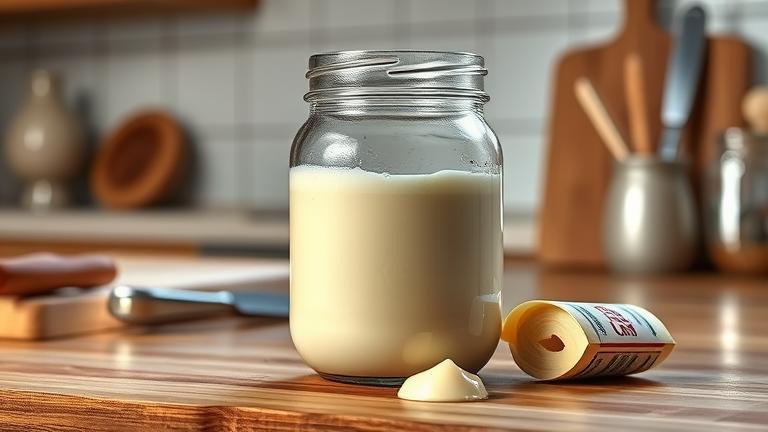
Does Lard Spoil Over Time?
Many home cooks enjoy cooking with lard because of its rich flavor and versatility. But just like other fats and oils, lard can spoil if not stored properly or kept long enough. Knowing whether lard can go bad over time is important for safety and maintaining tasty dishes.
Lard is a type of fat made from rendered pork fat. When stored correctly, it can last quite a while, but it is not immune to spoilage. Factors such as storage conditions, exposure to air, light, and temperature all influence how long your lard remains good to use.
How Long Does Lard Last?
| Storage Method | Room Temperature | Refrigerator | Freezer |
|---|---|---|---|
| Unopened | Up to 1 month | Up to 6 months | Up to 1 year |
| Opened | Best used within 1 month | Up to 6 months | Up to 1 year |
Although these timeframes offer a general guideline, always trust your senses before using lard that has been stored for a while. If it looks, smells, or tastes off, it is best to discard it.
Factors That Affect Lard’s Shelf Life
- Temperature: Keeping lard in a cool, dark place helps extend its shelf life. Warmth and sunlight accelerate spoilage.
- Exposure to Air: Air causes oxidation, a process that can turn the fat rancid. Always keep lard sealed tightly after opening.
- Light: Light can break down fats over time, so store lard in opaque or dark containers if possible.
- Contamination: Use clean utensils when handling lard to avoid introducing bacteria or other contaminants that can speed spoilage.
Signs That Lard Has Gone Bad
If you’re unsure whether your lard is still good, look for these common signs of spoilage:
- Foul smell: Rancid or unpleasant odor is a strong indicator that the fat has gone bad.
- Color change: Fresh lard should be ivory or pale in color. Darkening or discoloration suggests spoilage.
- Texture: If the lard feels sticky, slimy, or has unusual clumps, it might be compromised.
- Presence of mold or bubbles: Any mold or bubbles indicate bacterial growth or oxidation.
Tips to Keep Lard Fresh Longer
- Store lard in airtight containers to prevent oxidation.
- Keep it in a cool, dark place or refrigerate if you plan to store it long-term.
- Label containers with the date you rendered or purchased the lard to keep track of its age.
- Always use clean utensils to scoop out lard, avoiding contamination.
By paying attention to storage conditions and signs of spoilage, you can enjoy fresh, safe lard in your cooking. When in doubt, it’s safer to discard questionable lard rather than risk foodborne illness or unpleasant flavors.
How to Store Lard Properly
Storing lard correctly is key to keeping it fresh, flavorful, and safe to use for a longer time. Whether you’ve rendered your own lard or bought it from the store, using proper storage methods helps prevent spoilage and preserves its quality. Luckily, caring for lard isn’t complicated, and a few simple tips can make a big difference.
Choosing the Right Container
The first step is selecting a good container for storage. Use airtight containers such as glass jars with tight-fitting lids, metal tins, or plastic containers specifically designed for food storage. Ensure the container is clean and dry before adding the lard. This prevents bacteria and mold from getting into the fat.
Storage Location
Once your lard is in a suitable container, store it in the right place. For maximum freshness, keep it in the refrigerator. The cool, constant temperature slows down oxidation and prevents spoilage.
- In the fridge, lard can last up to 6 months.
- If you plan to store it longer, consider freezing.
If you prefer to keep lard at room temperature, do so only if your kitchen stays cool and dark, preferably below 75°F (24°C). Keep it in a shaded cupboard away from direct sunlight and heat sources. However, room temperature storage is usually less ideal because it can lead to quicker spoilage, especially in warm climates.
Freezing Lard for Long-Term Storage
Freezing extends the life of lard significantly. Divide it into smaller portions or use ice cube trays for easy thawing. Once frozen, transfer the cubes to a sealed plastic bag or airtight container. Properly frozen lard can last up to a year or more without losing quality.
Label the container with the date so you know how long it’s been stored. When ready to use, thaw only what you need in the refrigerator for best results. Avoid leaving it out at room temperature for long periods to prevent bacteria growth.
Signs of Spoiled Lard and Safety Tips
Even with proper storage, lard can spoil if ignored. Look for these signs:
- Rancid smell a strong, off odor indicates spoilage.
- Change in color or texture mold or discoloration is a warning sign.
- Unusual taste or sourness.
If you notice any of these signs, discard the lard immediately. Always use clean utensils to scoop lard from the container, which helps prevent contamination.
Summary Tips
- Use airtight containers for storage.
- Refrigerate for short-term use or freeze for long-term storage.
- Label your containers with the date.
- Check periodically for signs of spoilage.
By following these simple storage tips, you can enjoy fresh, flavorful lard whenever you need it. Proper storage not only extends its shelf life but also keeps your cooking safe and delicious.
Signs of Spoiled Lard
Knowing how to spot spoiled lard is important for safety and flavor. Lard is a versatile fat used in many recipes, but like all foods, it can go bad if not stored properly or kept too long. Recognizing the signs of spoiled lard helps you avoid unpleasant tastes and possible health issues.
The first sign to look for is a strong, unpleasant smell. Fresh lard has a mild, porky scent that isn’t overpowering. If you notice a rancid, sour, or off-putting odor, it’s a clear indication that the fat has gone bad. Trust your nose if it smells wrong, it probably is.
Next, check the appearance. Fresh lard usually has a smooth, white or slightly yellowish color. Spoiled lard may develop a greasy film, discoloration, or appear cloudy. Sometimes, you might see dark spots or mold growing on the surface, which means it’s no longer safe to use.
Texture can also reveal spoilage. Good lard feels firm and slightly crumbly at room temperature. If it feels slimy, sticky, or unusually greasy, it’s a sign that bacteria or mold could be present. Be cautious if the texture is inconsistent or if the fat feels different from when you first bought it.
Another important aspect is the storage time. Lard typically lasts for about 6 months when stored in a cool, airtight container in the fridge. If your lard has been sitting out for longer or if you’re unsure how long it’s been stored, it’s better to check carefully or discard it if in doubt.
Be mindful of taste as well. If you decide to taste a tiny piece, and it tastes bitter or sour, do not consume it. Spoiled lard will not only taste bad but can also cause digestive issues if eaten.
Here are some quick tips to keep your lard fresh longer:
- Store lard in an airtight container in the fridge or freezer.
- Label it with the date you bought or opened it.
- Use it within the recommended storage time.
- Discard lard if you notice any signs of spoilage listed above.
Common Mistakes to Avoid
- Leaving lard out at room temperature for too long.
- Using contaminated utensils that introduce bacteria.
- Not sealing the container tightly after each use.
By paying close attention to smell, appearance, texture, and storage time, you can easily identify spoiled lard. When in doubt, it’s safer to throw it out than risk ruining a dish or getting sick. Better safe than sorry when it comes to spoiled fats!
Good vs. Bad Lard
When cooking with lard, it’s important to know how to tell if yours is fresh and good quality or if it has gone bad. Good-quality lard adds rich flavor and flaky texture to your dishes, while spoiled lard can ruin a meal and may even cause health issues. Understanding the differences helps you make smart choices in your kitchen.
Fresh lard is usually white or pale cream in color and has a neutral smell or a subtle pork aroma. It should feel smooth and firm but not greasy or slimy. When you scoop or cut into it, it should hold its shape well. Good lard doesn’t have any discoloration, dark spots, or mold growth. If you see any of these signs, it’s best to toss it out.
On the other hand, spoiled or rancid lard often smells sour or off. It might have a sharp, bitter, or spoiled odor that doesn’t sit right. Sometimes, rancid lard will have a yellow or brown tint or appear greasy and sticky on the surface. If it feels sticky or tacky to the touch, that’s another sign it’s gone bad. Consuming rancid fat can cause stomach upset or other health problems, so always check before using.
How to Check Lard’s Freshness
- Look at the color: Fresh lard should be white or very light in hue.
- Smell the lard: It should smell clean or like pork. If it smells sour, sour, or bitter, discard it.
- Assess the texture: It should be firm and smooth. Sticky or slimy lard is a no-go.
- Inspect for mold or discoloration: Any dark spots or mold mean it’s time to toss.
Proper Storage and Handling
To keep your lard fresh longer, store it in an airtight container in the refrigerator. If you plan to use it over several months, freezing is a good option. When thawing frozen lard, do so in the fridge or at room temperature, not in the microwave, to prevent uneven heating. Always use clean utensils to avoid introducing bacteria or moisture that could spoil it faster.
Remember, even good-quality lard can go bad if left out at room temperature for too long, especially in warm or humid climates. Always label your storage containers with the date you opened or made the lard, so you use it within the recommended time.
Common Mistakes to Avoid
- Using lard that has a sour or off smell.
- Storing lard improperly, like leaving it uncovered at room temperature.
- Discarding lard too early it can last quite a while if stored properly.
- Not checking for mold, discoloration, or sliminess before use.
By paying attention to these signs, you’ll ensure that your dishes turn out delicious and safe to eat. Good-quality lard can bring a special flavor and texture that store-bought fats often can’t match. Keep it fresh, store it properly, and enjoy the rich cooking experiences it offers.
Tips to Keep Lard Fresh
Keeping lard fresh is key to maintaining its flavor and safety in your kitchen. Lard is a versatile fat used in many recipes, from frying to baking. Proper storage helps prevent spoilage and extends its shelf life, saving you time and money. By following a few simple tips, you can enjoy fresh, tasty lard whenever you need it.
First, it’s important to store lard in an airtight container. Glass jars with tight-fitting lids or resealable plastic containers work well. These containers prevent exposure to air, which can cause the fat to go rancid. Make sure the container is clean and dry before filling it with lard to avoid introducing bacteria or moisture that could spoil it.
Next, store your lard in the refrigerator or freezer, depending on how long you plan to keep it. Refrigeration slows down the oxidation process and helps preserve fresh flavor. Lard stored in the fridge can last for about 1 to 3 months. For longer storage, freezing is your best bet lard can last up to a year or more in the freezer without losing quality.
When placing lard in the freezer, consider dividing it into smaller, portion-sized containers or wrapping it tightly in wax paper or plastic wrap before placing it in an airtight container. This makes it easier to thaw only what you need and prevents waste. Label the container with the date you stored it so you can keep track of its age.
To maintain the lard’s quality, keep it away from strong odors like spices or onions, which it can absorb and alter its flavor. Store it in a separate, sealed container from highly fragrant foods in your fridge or freezer. Also, avoid temperature fluctuations. Keep the storage area stable and cold constant cold prevents the fat from becoming rancid quickly.
Before using lard that has been stored for a while, inspect it for any signs of spoilage. Look for an off smell, mold, or a change in color. Rancid lard will have a sour or bitter odor and should be discarded immediately to prevent health risks. Fresh lard should smell neutral or slightly porky, depending on how it was rendered.
- Use clean utensils each time you handle the lard to avoid contamination.
- Avoid leaving the lid open for long periods to keep air out.
- If you notice any ice crystals on frozen lard, it’s still good. Just let it thaw in the refrigerator before use.
- For best results, try to use your stored lard within the recommended time frames for freshness and safety.
By following these simple tips, your lard will stay fresh, safe, and ready to enhance your favorite dishes. Proper storage not only preserves flavor but also ensures your cooking remains healthy and delicious.
Health Risks of Expired Lard
Understanding the health risks of expired lard is important for safe cooking and maintaining good health. Lard, like many other fats, can spoil over time, especially if not stored properly. Consuming spoiled or expired lard can lead to foodborne illnesses and other health issues.
When lard goes past its expiration date, it may develop off odors, flavors, and changes in texture. These are signs that the fat has broken down and might be unsafe to eat. Often, rancid lard will smell sour or bitter, making it easy to identify in your kitchen. It is best to avoid using lard that shows these signs.
What Happens When You Eat Spoiled Lard?
Eating expired lard can cause gastrointestinal problems such as nausea, vomiting, or diarrhea. These symptoms happen because bacteria or mold may have grown on the fat if it was stored improperly or left out too long. In some cases, consuming rancid fats can promote inflammation in the body, which over time might contribute to more serious health issues.
Another concern with spoiled lard is the formation of harmful compounds called free radicals, which can damage cells in your body. Regularly eating rancid fats over the years could increase the risk of chronic diseases like heart disease. That’s why it’s important to recognize the signs of spoiled lard and dispose of it promptly.
Signs That Lard Has Gone Bad
- Strong, sour, or bitter smell fresh lard has a mild, neutral aroma.
- Change in color usually turns dull or darker.
- Unusual texture it may become sticky or develop mold.
- Expired date always check the packaging date and toss it if it’s overdue.
Tips to Avoid Health Risks with Lard
- Store lard in a cool, dark place, preferably in an airtight container. A refrigerator can extend its shelf life.
- Use clean utensils when handling lard to prevent contamination.
- Check the expiration date before buying and using lard.
- Discard lard that shows any signs of spoilage, even if it’s within the expiration date.
Conclusion
Always prioritize safety when handling and storing lard. Recognizing the signs of spoilage and understanding the potential health risks helps you make better decisions in your kitchen. When in doubt, it’s best to throw out expired lard to keep your meals safe and your health protected.
Best Practices for Safe Lard Usage
Cooking with lard can add great flavor and texture to your dishes, but it is important to use it safely to avoid health risks and ensure it stays fresh. Following some simple best practices will help you get the most out of your lard while keeping your kitchen safe and your food delicious.
First, always start with high-quality lard. Look for fresh, preferably properly rendered lard that has a clean, neutral smell. Avoid any lard that smells rancid or has a strange odor, as this indicates spoilage. Buying from trusted suppliers or making your own at home can help ensure quality.
Proper Storage
Store lard in an airtight container to prevent exposure to air, which can accelerate spoilage. Keep it in a cool, dark place such as a pantry. For longer storage, refrigeration is ideal. When kept cold, lard can last up to three months, but always check for signs of spoilage before use.
- In the refrigerator, lard typically stays fresh for 1 to 3 months.
- In the freezer, it can last up to a year. Use a freezer-safe container and label it clearly with the date.
Always seal the container tightly to avoid contamination and absorption of odors from other foods, which lard is prone to do.
Usage Tips
Use clean utensils when handling lard to prevent introducing bacteria or other contaminants. When frying or cooking, keep the temperature moderate; overheating lard can cause it to smoke and break down, releasing harmful compounds. The ideal cooking temperature for lard is around 370°F (188°C).
Do not reuse lard that has been used for frying unless you strain it well and store it properly. Reused lard can develop off-flavors and harbor bacteria if not handled carefully.
Safety Precautions
- Discard lard if it develops an off smell, discoloration, or mold. Rancid lard will smell bitter or sour.
- Never leave hot lard unattended on the stove to prevent fires. Keep a lid nearby to smother flames if necessary.
- Be cautious when disposing of used lard. Allow it to cool completely before throwing it away in the trash. Do not pour it down the drain, as it can clog pipes.
Common Mistakes to Avoid
- Using spoiled lard, which can cause food poisoning or digestive upset.
- Storing lard for too long at room temperature or in warm environments.
- Overheating lard past its smoke point, which can release unhealthy compounds.
By following these best practices, you’ll enjoy safe, tasty meals made with lard. Proper handling and storage ensure your cooking remains safe and your lard stays fresh, ready to add flavor when you need it.