
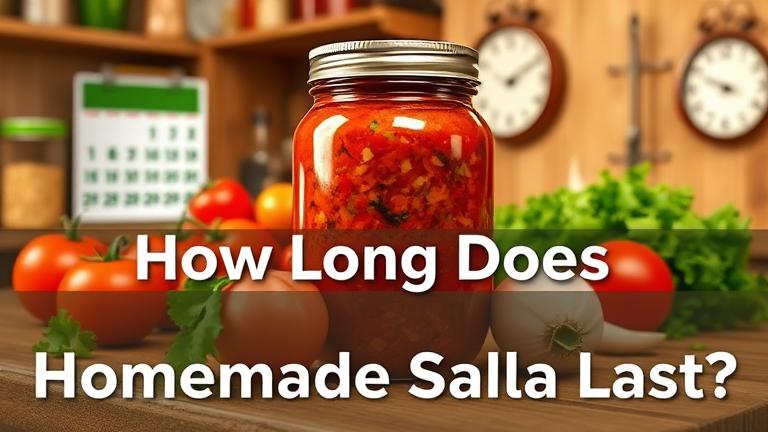
How Long Does Homemade Salsa Stay Fresh?
If you love making homemade salsa, you might wonder how long it stays fresh in your fridge. Fresh salsa, made with ripe tomatoes, onions, peppers, and herbs, is delicious but only lasts for a certain amount of time. Knowing the shelf life helps prevent food waste and keeps you safe from spoiled food.
Typically, homemade salsa stays good for about 3 to 5 days when stored in the refrigerator. This is because fresh ingredients start to break down and develop bacteria after a few days, even if stored properly. To maximize freshness, always keep your salsa in an airtight container. This helps prevent bacteria from the fridge atmosphere from contaminating it and slows down spoilage.
Factors That Affect the Freshness of Homemade Salsa
- Ingredients used: Fresh, high-quality vegetables and herbs will last longer. If you used overripe tomatoes or wilted herbs, your salsa might spoil sooner.
- Storage method: Airtight containers are best. Also, keep your salsa refrigerated at all times. Leaving it out at room temperature can cause bacteria to grow quickly.
- Cleanliness: Always use clean utensils and containers when preparing and serving salsa. Cross-contamination can shorten its shelf life.
- Amount made: Smaller batches tend to stay fresh longer because they aren’t exposed to air repeatedly.
How to Tell if Your Salsa is Still Good
Always check your homemade salsa before eating. Here are some signs it may be time to toss it:
- Bad smell: If it smells sour, off, or fermented, discard it.
- Changes in appearance: Look for mold, sliminess, or discoloration. These are signs of spoilage.
- Texture changes: If the salsa becomes overly watery or sticky, it’s a sign it’s gone bad.
Trust your senses: if in doubt, it’s safer to throw it out. Consuming spoiled salsa can cause food poisoning and stomach upset.
Tips to Keep Salsa Fresh Longer
- Use fresh ingredients: Start with the freshest vegetables and herbs you can find.
- Store properly: Always keep salsa in an airtight container in the fridge.
- Limit exposure: Don’t leave salsa out at room temperature for more than two hours.
- Consider freezing: If you want to store salsa longer, freezing it is an option. Keep in mind, texture may change after freezing and thawing.
Following these simple tips helps you enjoy your homemade salsa while it’s at its best. Remember, when in doubt about the freshness, it’s better to be safe and discard questionable salsa. Enjoy your cooking and your healthy, homemade flavors!
Best Containers for Storing Salsa Correctly
When it comes to keeping your homemade salsa fresh, choosing the right storage container is key. The best containers help prevent spoilage, protect flavors, and make your salsa easy to serve later. Whether you make a small batch or a big one, selecting the right material and sealing method can make all the difference.
Start with the basics: you want containers that are durable, food-safe, and easy to clean. Glass containers are a popular choice because they won’t stain or retain odors. They are also non-porous, which means they won’t absorb salsa’s flavors or colors over time.
Plastic containers, on the other hand, are lightweight and usually more affordable. Just make sure to pick BPA-free options that won’t leach chemicals into your food. Look for containers made from high-quality plastic that can withstand freezer and dishwasher use.
Material Choices
- Glass containers: Great for longevity and maintaining flavor. They often come with airtight lids to keep salsa fresh. Plus, glass can go from fridge to table easily.
- Plastic containers: Convenient and lightweight. Just double-check that they are BPA-free and marked as dishwasher-safe and freezer-safe.
- Stainless steel: Not ideal for liquid-rich foods like salsa, as they can be difficult to seal completely. Usually better for dry storage.
Sealing Techniques
Proper sealing is crucial to keep your salsa fresh for longer. Look for containers with airtight lids that lock in moisture and prevent air from entering. Some containers have snap-lock or screw-on lids, which create a better seal than simple lids.
Always cool your salsa before transferring it to storage containers. Hot salsa can cause condensation inside the container, which can promote bacteria growth. Once cooled, transfer it to your chosen container and make sure the lid is securely closed.
Additional Tips for Storage
- Label the container: Write the date when you stored the salsa. This helps you keep track of its freshness.
- Leave some space: If you’re filling containers, leave a little room at the top. This allows for expansion if the salsa freezes.
- Store in the fridge: Homemade salsa is best kept at or below 40°F (4°C). Consume within 5 to 7 days for the best quality and safety.
- Freeze for longer storage: For extended freshness, freeze salsa in freezer-safe containers. It can last up to 2-3 months. Note that freezing may slightly change the texture, so use it in cooked dishes afterward.
Choosing the right container and sealing technique makes storing salsa simple and effective. With these tips, you’ll enjoy fresh, flavorful salsa whenever you crave it, whether it’s a few days or a few months later.
Tips to Extend Salsa Shelf Life
Salsa is a fresh and flavorful addition to many meals, but it doesn’t last forever. To keep your homemade salsa tasting great and safe to enjoy for as long as possible, it’s important to follow some simple storage tips and ingredient considerations.
First, always start with clean jars and utensils. Proper sterilization of your containers can prevent bacteria from spoiling your salsa. You can sterilize jars by boiling them in water for 10 minutes or running them through a hot cycle in your dishwasher. This step ensures that no unintended microbes will cause spoilage or food safety issues.
After filling the jars, seal them tightly. For homemade salsa, it’s best to use airtight containers to prevent air exposure, which can accelerate spoilage. If you plan to keep salsa for several weeks, consider processing the jars in a water bath canner. This traditional method heats the jars, killing germs and creating a vacuum seal that helps preserve the salsa for months.
Storing your salsa in the right conditions makes a big difference. Always keep it refrigerated at or below 40°F (4°C). Cold storage slows down bacterial growth and maintains freshness longer. If your salsa was canned and sealed properly, you can store unopened jars in a cool, dark pantry. Once opened, always refrigerate and try to consume within 1 to 2 weeks for best quality and safety.
Another tip is to select ingredients wisely. Using fresh, high-quality tomatoes and produce ensures a longer shelf life. Avoid overripe vegetables, as they tend to spoil faster. Adding vinegar or citrus juice not only enhances flavor but also acts as a natural preservative, increasing longevity by lowering pH levels and inhibiting bacteria growth.
Be mindful of signs that your salsa has gone bad, such as an off smell, mold, or a change in color or texture. If you notice any of these, it’s safest to discard the salsa. Also, do not flavor your salsa with ingredients that spoil quickly, like fresh herbs, if you intend to store it for long periods. Add these shortly before serving instead.
- Label your jars with the date you made the salsa to track storage time.
- Always use clean utensils when serving to prevent introducing bacteria into the jar.
- If in doubt about the safety of your salsa, it’s better to err on the side of caution and dispose of it.
Following these tips can help you enjoy your homemade salsa longer, keeping it fresh, safe, and full of flavor. With proper storage and ingredient choices, your salsa can stay delicious and safe for weeks or even months to come.
Food Safety: Keep Your Salsa Safe to Eat
Making fresh salsa at home is a delicious way to enjoy healthy, vibrant flavors. However, ensuring your salsa is safe to eat is important to prevent foodborne illnesses and keep everyone healthy. Proper handling, storage, and hygiene practices work together to keep your salsa fresh and safe.
Handling Salsa Safely
Always start with clean hands. Wash your hands thoroughly with soap and water before preparing or serving salsa. This simple step helps reduce germs that could contaminate your food.
Use clean utensils, cutting boards, and bowls. Avoid using the same tools for raw ingredients and cooked or ready-to-eat salsa to prevent cross-contamination.
If you’re using fresh produce like tomatoes, peppers, or onions, rinse them well under cold running water. Gently scrub if needed to remove dirt and bacteria. Do not wash with soap or detergents, as these are not safe for food contact.
Keep raw ingredients refrigerated until you’re ready to prepare the salsa. Don’t leave chopped vegetables out at room temperature for too long, especially in warm weather. Bacteria grow quickly when food is left out for more than two hours.
Safe Storage Practices
After making your salsa, store it properly in the refrigerator. Use airtight containers to prevent contamination from other foods and to keep the salsa tasting fresh. Label the container with the date it was made so you can keep track of freshness.
Fresh salsa is best enjoyed within 2 to 3 days. If you notice any changes in smell, color, or texture, toss it out. Do not taste salsa that has been left out for too long or appears suspicious.
For longer storage, consider freezing your salsa. Frozen salsa can last up to 2 months, but expect slight changes in texture. Always use freezer-safe containers and leave a little space for expansion when freezing liquids.
Travel and Serving Tips
When taking salsa to a picnic or potluck, keep it chilled in a cooler with ice packs. Do not leave it sitting at warm temperatures for more than one hour. This is especially important during hot weather, when bacteria can grow rapidly.
Serve salsa with clean utensils each time to avoid introducing bacteria. If you’re serving large quantities, keep leftover salsa refrigerated and only take out smaller portions for serving.
Common Mistakes to Avoid
- Leaving salsa out at room temperature too long.
- Using unclean utensils or containers.
- Not rinsing produce properly.
- Storing homemade salsa beyond recommended time frames.
Summary
Following these food safety guidelines makes sure your salsa remains tasty and safe. Proper handling and storage are easy habits that protect you and your loved ones. Remember, when in doubt, it’s better to discard suspicious-looking salsa than risk getting sick. Enjoy your salsa responsibly and confidently!
Signs Your Salsa Has Gone Bad
Salsa is a tasty and versatile condiment, but like all perishable foods, it can spoil over time. Knowing the signs of spoiled salsa helps you avoid eating something that might cause illness. Pay attention to your salsa’s smell, appearance, and texture to determine if it’s still safe to enjoy.
1. Unpleasant Odor
The first clue that your salsa may have gone bad is an off-putting smell. Fresh salsa should smell bright, tangy, and fresh, often with a hint of lime or cilantro. If it smells sour, rancid, or just plain strange, it’s a sign that bacteria or mold might be growing. Trust your nose if it doesn’t smell right, it’s better to discard it.
2. Changes in Color
Look closely at the color of your salsa. Fresh salsa typically has vibrant reds, greens, or other lively shades depending on the ingredients. If you notice dullness, browning, or dark spots, these are signs of spoilage. Mold can also appear as fuzzy patches in different colors like white, green, or black. Never taste salsa to check for spoilage if you suspect any discoloration.
3. Texture and Consistency Changes
Check the texture of your salsa. If it has become slimy, mushy, or very watery, it’s time to toss it. Fresh salsa should have a firm, chunky or smooth consistency depending on how it’s prepared. An unusual texture often indicates bacteria growth or breakdown of the ingredients. Also, if you see mold growing on the surface, do not eat it.
4. Presence of Mold or Unusual Spots
Any mold or fuzzy spots on the surface or throughout the salsa are clear signs of spoilage. Mold can appear as green, white, or black patches. Even if only on the surface, it’s safest to throw out the entire container. Mold can produce toxins harmful to health, so avoid tasting or trying to salvage contaminated salsa.
5. Excessive Separation or Filming
Sometimes, salsa can separate into liquid and solid layers. While some separation is normal, excessive pooling of liquid or if the surface develops a slimy or filmy coating, it’s time to be cautious. This can be a sign that bacteria are taking hold, especially if combined with other spoilage signs.
Tips for Safe Salsa Storage
- Keep salsa refrigerated at all times, ideally at or below 40°F (4°C).
- Store in airtight containers to prevent contamination.
- Consume opened salsa within 5–7 days for best quality and safety.
- Check expiration dates on store-bought salsa before opening.
When in doubt, trust your senses. If your salsa shows multiple signs of spoilage, it’s safest to discard it. Eating spoiled salsa can cause food poisoning with symptoms like stomach cramps, nausea, or diarrhea. Better safe than sorry enjoy your salsa while it’s fresh and in good condition!
Freezing Homemade Salsa: A Complete Guide
Freezing homemade salsa is a great way to enjoy your favorite flavors long after the harvest season ends. Proper freezing helps preserve both the taste and safety of your salsa, so it stays delicious when you’re ready to use it.
With a few simple steps, you can easily store salsa in your freezer and have a tasty topping or dip ready for any meal. Just keep in mind that some texture changes might happen, especially with ingredients like tomatoes or onions. But overall, freezing is a handy method to extend your salsa’s shelf life.
Preparing Your Salsa for Freezing
Start by tasting your homemade salsa and adjusting the seasonings if needed. Once it’s just right, pour the salsa into clean, airtight containers or freezer-safe bags. If using bags, squeeze out as much air as possible before sealing. This helps prevent freezer burn and keeps the salsa fresh.
For easy serving later, consider dividing the salsa into smaller portions. Freezing in meal-sized amounts means you can thaw only what you need no need to defrost the entire batch. Label each container or bag with the date so you can track how long it’s been stored.
How to Freeze Your Salsa Safely
- Choose the right containers: Use plastic containers with tight-fitting lids or sturdy freezer bags designed for freezing foods.
- Leave some space: Fill containers leaving an inch of headspace because the salsa might expand as it freezes.
- Seal tightly: Remove as much air as possible when using freezer bags to prevent ice crystals and maintain flavor.
- Use quickly: For the best quality, try to use your frozen salsa within 3 to 6 months.
Thawing and Texture Considerations
When you’re ready to enjoy your frozen salsa, thaw it in the refrigerator overnight. Avoid thawing at room temperature to reduce the risk of bacteria growth. Once thawed, stir the salsa gently, as some separation is normal.
Keep in mind that texture might change after freezing. Tomatoes can become softer, and the mixture may release more liquid. If your salsa is too watery, you can drain excess moisture or simmer it for a few minutes to re-thicken before serving.
Frozen salsa is perfect for cooking or as a fresh topping. It works well in cooked dishes, like chili or scrambled eggs, where slight texture changes are less noticeable. For salads or as a raw dip, it’s usually best to consume the thawed salsa relatively quickly.
Pro Tips for Freezing Salsa
- Use fresh ingredients: The fresher your ingredients, the better your salsa will freeze and taste later.
- Avoid adding dairy: Do not add dairy products like sour cream until after thawing, as they can separate during freezing.
- Try freezing in ice cube trays: Once frozen, pop out the salsa cubes and store them in a bag. This method makes it easy to add small amounts to meals.
Quick and Delicious Salsa Recipes to Make Today
If you love the bright, fresh flavor of salsa but want it quick and easy to make at home, you’re in the right place. Making your own salsa is simple, and it takes just a few minutes. Plus, homemade salsas taste so much better than store-bought ones. Get ready to impress your family and friends with these easy recipes that you can whip up anytime.
Basic Tomato Salsa
This classic tomato salsa is a go-to for tacos, nachos, or just snacking with chips. It’s fresh, flavorful, and ready in no time. Here’s how to make it:
- Start with about 4 ripe tomatoes, chopped
- Add 1 small onion, diced
- Include 1-2 cloves of garlic, minced
- Stir in a handful of chopped cilantro
- Squeeze in the juice of one lime
- Season with salt and pepper to taste
Mix everything together in a bowl. If you have time, let it sit for 10 minutes to let the flavors meld. Adjust seasoning as needed and serve with your favorite chips or as a topping for grilled meats.
Quick Mango Salsa
This sweet and spicy mango salsa is perfect for summer parties or when you want a refreshing twist. It only takes about 10 minutes to prepare. Here’s what to do:
- Cube 1 ripe mango
- Add 1 small red bell pepper, diced
- Chop a small bunch of cilantro
- Fry up 1 small jalapeño, finely chopped (remove seeds for less heat)
- Squeeze the juice of half a lime
- Sprinkle with a pinch of salt and sugar to balance flavors
Combine all ingredients in a bowl and stir well. This salsa pairs beautifully with seafood, chicken, or as a dip with tortilla chips. Enjoy its vibrant colors and flavors that are sure to impress.
Fresh Cilantro Lime Salsa
This vibrant salsa highlights the herby taste of cilantro combined with zesty lime. It’s super quick to make and great on grilled meats or as a topping for burrito bowls. Here’s the simple recipe:
- Chop 1 cup of fresh cilantro
- Finely dice 2 small tomatoes
- Mix in the juice of 1 lime
- Add 1 small onion, minced
- Season with salt and pepper
Stir everything together in a bowl. For extra flavor, let it sit for 15 minutes so the ingredients can mingle. This salsa is an easy way to add a fresh punch to any meal.
Pro Tips for Perfect Salsa
- Use fresh ingredients: They make a big difference in taste.
- Chill your salsa: Letting it rest in the fridge for 10-20 minutes improves the flavors.
- Adjust heat: Add more or less jalapeño based on your spice preference.
- Customize: Feel free to add avocado, corn, or beans for extra texture and flavor.
- Store properly: Keep salsa in an airtight container in the fridge for up to 2 days for best freshness.
Making your own salsa at home is a fun way to add fresh, tasty flavors to your meals quickly. With these simple recipes, you’ll always have a delicious dip or topping ready in minutes. So grab some ripe ingredients and start creating your own signature salsas today!