
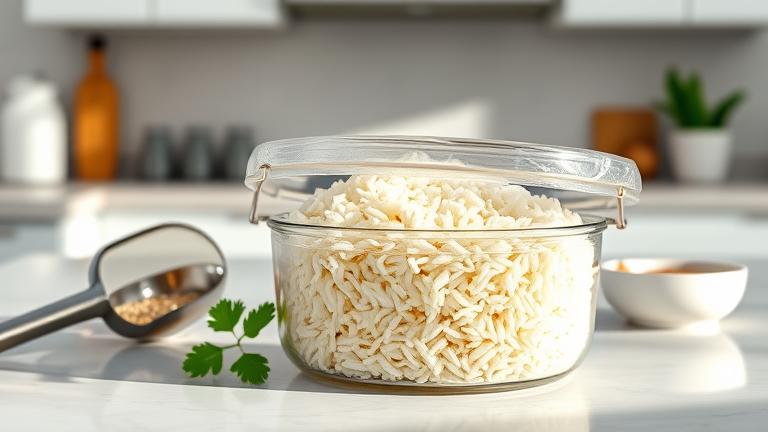
Effective Ways to Store Cooked Rice
Storing cooked rice properly is key to keeping it fresh, safe, and tasty for later meals. Whether you’ve made extra rice for leftovers or meal prep, knowing the best storage methods helps prevent spoilage and foodborne illnesses. In this section, we’ll cover practical tips and safe practices to store cooked rice effectively.
Cooling Rice Quickly
Before storing cooked rice, it’s important to cool it rapidly to prevent bacteria from growing. Leaving rice sitting out at room temperature for too long can be risky. To cool rice quickly, spread it out in a thin layer on a baking sheet or shallow dish. This allows heat to escape faster. Alternatively, transfer rice to a colander and run cold water over it, stirring gently. The goal is to bring the temperature down to below 40°F (4°C) within two hours.
Choosing the Right Container
Use airtight containers or resealable bags to store rice. These containers prevent moisture and air from entering, which helps keep the rice fresh and prevents odors from seeping in. Glass or plastic containers with tight-fitting lids work well. If using plastic bags, squeeze out excess air before sealing. For best results, label the container with the date so you know how long it’s been stored.
Proper Storage Duration
Cooked rice can stay safe in the fridge for about 4 to 6 days. Beyond that, the risk of bacteria growth increases. If you’re not planning to eat the leftover rice within that time frame, consider freezing it. When stored in the freezer, rice can last up to 6 months. Keep in mind that freezing may slightly change the texture, making it a bit drier or firmer when reheated.
Freezing Cooked Rice
To freeze rice, divide it into portion-sized amounts. Place each portion in a freezer-safe container or resealable plastic bag. Squeeze out as much air as possible to prevent freezer burn. Label the bags with the date of freezing. When ready to eat, thaw rice directly in the microwave or in the fridge overnight. Reheat thoroughly to at least 165°F (74°C) to ensure safety.
Reheating Tips for Freshness
When reheating cooked rice, add a splash of water or broth to help restore moisture. Cover the rice with a damp paper towel or lid to trap steam. Use the microwave on high in short intervals, stirring in between. You can also reheat rice on the stove in a skillet over low heat, stirring until heated through. Always check that rice is steaming hot before eating to kill any lingering bacteria.
- Avoid leaving rice at room temperature for more than two hours.
- Do not reheat rice more than once.
- Store rice in a clean, airtight container to prevent contamination.
- Label stored rice with the date to keep track of how long it’s been refrigerated or frozen.
Best Containers for Rice Freshness
When it comes to keeping cooked rice fresh, choosing the right container is key. The best containers help prevent spoilage, keep rice moist and fluffy, and make reheating leftovers easy. Whether you’re storing a small portion or a batch for the week, the right container makes a big difference.
Start by considering the material. Glass containers are a popular choice because they are non-porous, which means bacteria and odors won’t seep in. They are also microwave-safe, making reheating convenient. Plastic containers are lightweight and usually more affordable. Look for BPA-free options to ensure safety. Stainless steel containers are durable and odor-resistant but may not be microwave-safe, so keep that in mind.
Next, think about features that promote freshness. Airtight lids are essential they prevent air from getting in and drying out the rice. Some containers come with silicone seals or locking lids, which are great for creating a tight seal. Clear containers help you see what’s inside at a glance, saving time and avoiding unnecessary opening.
Size matters too. Use a container that fits the amount of rice you’re storing. Not too big, to avoid excess air inside, and not too small, to prevent overcrowding. If you plan to freeze rice, opt for freezer-safe containers to prevent cracks or warping at cold temperatures.
Other helpful features include vented lids. These are especially useful if you’re reheating rice in the microwave, as they allow steam to escape safely. Additionally, stackable containers save space in your fridge or freezer and keep your storage area organized.
Safety tips for storing rice include cooling it quickly after cooking before sealing it in a container. Leaving hot rice in a sealed container can create condensation, which fosters bacteria growth. Aim to transfer rice to the fridge within two hours of cooking.
For best results, consume stored cooked rice within 4 to 6 days if kept in the fridge. If you need to store it longer, freezing is a good option just be sure to use a freezer-safe container and label it with the date. Proper storage helps prevent bacterial growth, which can cause food poisoning, especially with rice that has been left out too long.
To sum up, the ideal container for rice should be made of glass, plastic (BPA-free), or stainless steel, with an airtight, preferably silicone-sealed lid. Choose the size based on your needs and opt for features like vents or stackability. With the right container, you can enjoy fresh, tasty rice longer and avoid waste or food safety issues.
Tips to Prevent Rice Spoilage
Rice is a staple food in many households, but it can spoil if not stored properly. Spoiled rice can develop mold, bacteria, or an off smell, making it unsafe to eat. Fortunately, with a few simple tips, you can keep your rice fresh and safe for longer. Proper storage, handling, and awareness of spoilage signs are the keys to avoiding waste and enjoying tasty rice every time.
First, it’s important to understand how long rice stays good. Cooked rice, for example, should usually be refrigerated within two hours of cooking and eaten within three to four days. Uncooked rice, on the other hand, has a much longer shelf life if stored correctly, often lasting up to a year or more. But improper storage can dramatically shorten that time or cause spoilage. Let’s explore some practical ways to keep your rice fresh and safe.
Store rice in a cool, dry place
Temperature plays a big role in preventing spoilage. Store uncooked rice in an airtight container in a cool, dry location, such as a pantry or cupboard away from direct sunlight. Excess heat and humidity promote mold growth and attract pests like insects. For added protection, you might consider using a sealed plastic or glass container with a tight lid. This prevents moisture from seeping in and keeps pests out.
Use proper containers and airtight seals
When storing rice, avoid using open bowls or loosely covered containers. Airtight containers help maintain the rice’s quality and prevent contamination. If you buy rice in bulk, transfer it to smaller portions so you don’t repeatedly open large packages, exposing the remaining rice to air and moisture. Adding a silica gel packet or a bay leaf inside can also help absorb excess moisture and deter pests.
Keep cooked rice refrigerated promptly
After cooking, do not leave rice sitting at room temperature for more than two hours. Bacteria, especially Bacillus cereus, can multiply quickly at temperatures between 40°F and 140°F. To prevent this, transfer cooked rice into a clean, shallow container and place it in the refrigerator. When reheating, make sure the rice is steaming hot all the way through to kill any bacteria.
Monitor storage duration and inspect regularly
Regularly check stored rice for signs of spoilage. For uncooked rice, look for discoloration, a funky smell, or the presence of pests. Cooked rice should be discarded if it develops a sour smell, slimy texture, or visible mold. Keeping track of how long rice has been stored is helpful: cooked rice should be eaten within three to four days, while uncooked rice can last much longer, provided it stays dry and stored properly.
Tips to avoid common mistakes
- Never store rice in warm or humid areas.
- Avoid opening and closing the rice container excessively, which introduces moisture and air.
- Do not store cooked rice at room temperature overnight.
- Check for pests or mold regularly, especially if you notice a strange smell or discoloration.
Summary of storage times
| Type of Rice | Storage Duration | Storage Tips |
|---|---|---|
| Uncooked rice | Up to 1 year or more | Store in airtight container in a cool, dry place |
| Cooked rice | 3 to 4 days in the refrigerator | Refrigerate within 2 hours of cooking, keep in shallow container |
How to Reheat Rice Safely
Reheating rice safely is important to prevent food poisoning, especially because leftover rice can sometimes harbor bacteria that cause illness. When cooked rice is left at room temperature for too long, bacteria can grow quickly. So, knowing the proper way to reheat rice helps keep your meals both tasty and safe to eat.
Start by storing cooked rice properly. After cooking, let the rice cool down within one hour. To do this quickly, spread it out on a baking sheet or a shallow container so it cools evenly. Once cooled, store it in an airtight container in the refrigerator. Don’t leave rice sitting out at room temperature for longer than two hours. This creates a perfect environment for bacteria to multiply.
How to Reheat Rice Safely
The goal when reheating rice is to heat it all the way through to at least 165°F (74°C). This temperature kills most bacteria that might be present. Here are some methods and tips to get it just right:
- Microwave: Place rice in a microwave-safe dish. Break up any clumps so heat spreads evenly. Cover the dish with a microwave-safe lid or damp paper towel. Heat on high for 1-2 minutes, then stir to distribute the heat. Continue heating in 30-second bursts until steaming hot.
- Stovetop: Put the rice in a skillet or saucepan. Add a splash of water or broth to keep it moist. Cover with a lid and warm over medium heat, stirring occasionally. Heat until the rice is steaming hot all the way through.
- Oven: Spread rice evenly in an oven-safe dish. Cover tightly with foil to prevent moisture loss. Bake at 350°F (175°C) for about 15-20 minutes or until steam rises inside.
Tips for Reheating Rice Safely
- Always reheat rice to a high temperature at least 165°F (74°C). Use a food thermometer if you’re unsure.
- Reheat only the portion you plan to eat. Don’t reheat the same rice multiple times, as this increases the risk of bacteria growth.
- If the rice smells off or has an unusual slimy texture, discard it. Don’t take chances with spoiled food.
- Try to consume reheated rice within 24 hours of storage. The longer it sits in the fridge, the higher the chance of bacterial growth.
- When storing rice, cool it quickly and keep it cold. Fast cooling helps prevent bacteria from growing and keeps the rice fresh.
Common Mistakes to Avoid
- Not cooling rice quickly after cooking. Leaving it out at room temperature allows bacteria to multiply.
- Storing rice for too long. Even refrigerated rice should be eaten within a day or two.
- Reheating rice more than once. Reheat only what you need each time.
- Using low heat during reheating. Ensure the rice reaches a steaming hot temperature all over to kill bacteria effectively.
By following these reheating tips and safety guidelines, you can enjoy your leftover rice without worry. Proper reheating preserves flavor and keeps your meals safe and delicious.
Common Mistakes in Rice Storage
Storing cooked rice might seem simple, but many home cooks make mistakes that can affect its freshness and safety. Knowing what to avoid helps prevent spoilage and keeps your rice tasting great. Let’s go over some common errors people make when storing cooked rice and share tips on how to do it right.
One of the biggest mistakes is leaving cooked rice at room temperature for too long. Bacteria can grow rapidly when rice is kept between 40°F and 140°F, the temperature range called the “danger zone.” If rice stays out for more than two hours, harmful bacteria like Bacillus cereus can develop, making it risky to eat. To stay safe, refrigerate or freeze leftover rice as soon as possible after it cools down.
Another common error is storing rice in large amounts without dividing it into smaller portions. Large containers can trap heat, slowing down the cooling process. When rice cools slowly, bacteria have more time to grow. Instead, divide the rice into shallow, airtight containers. This allows the rice to cool evenly and quickly, reducing the risk of contamination.
Many people forget that rice should be cooled quickly and not left to cool at room temperature overnight. The longer rice sits out, the greater the chance bacteria will multiply. The best practice is to transfer cooked rice to the fridge within one hour. If you want to store rice for several days, do so in airtight containers to prevent moisture loss and contamination from other foods.
Storing rice in improper containers is another mistake. Glass or plastic containers with tight-fitting lids work best because they prevent air from entering, which can cause rice to dry out or absorb odors from the fridge. Avoid using open bowls or flimsy wrap, as these do not provide a good barrier and may lead to spoilage or flavor transfer.
It’s also important to remember that reheated rice should be heated thoroughly until steaming hot. Reheating rice without reaching the right temperature can leave bacteria alive. For best safety and taste, reheat rice to at least 165°F and consume it promptly. Leftover rice should be eaten within four to six days when stored properly.
- Avoid leaving cooked rice at room temperature longer than two hours.
- Use shallow containers to allow fast, even cooling.
- Store rice in airtight containers to prevent spoilage and odor transfer.
- Reheat thoroughly to kill any bacteria that may have grown.
- Label stored rice with the date so you know when it needs to be eaten or discarded.
By keeping these common mistakes in mind and following simple storage tips, you can keep your cooked rice fresh, flavorful, and safe to enjoy. Proper storage not only preserves texture and taste but also helps prevent foodborne illnesses. Happy cooking and safe storing!
Quick Guide to Rice Freshness
Keeping your cooked rice fresh and safe to eat is easier than you think. Whether you’ve made a big batch or just have leftovers, a few simple tips can help your rice stay tasty and prevent spoilage. Fresh rice not only tastes better but also keeps you away from foodborne illnesses.
First, it’s important to cool the rice quickly after cooking. Hot rice left out at room temperature can develop bacteria fast, increasing the risk of food poisoning. Aim to spread the rice in a thin layer on a baking sheet or shallow dish to cool it rapidly. If you’re in a hurry, you can also use a fan or ice packs around the container.
Once cooled, store the rice in an airtight container. Use a container that seals well to keep out moisture and bacteria from the air. Label the container with the date of storage, so you know how long it’s been sitting. Remember, cooked rice should be stored in the refrigerator and eaten within 4 to 6 days for optimal freshness and safety.
How to Properly Store Rice
- Cool rice quickly after cooking, ideally within one hour.
- Place rice in a shallow, airtight container to promote faster cooling.
- Refrigerate promptly at or below 40°F (4°C).
- Use the rice within 4 to 6 days.
Reheating Tips
When reheating rice, make sure it is steaming hot all the way through, reaching at least 165°F (74°C). This temperature helps kill bacteria that may have developed during storage. For even heating, add a splash of water and cover the rice with a microwave-safe lid or damp paper towel to trap moisture.
If reheating on the stove, stir the rice occasionally and ensure it’s heated evenly. Avoid reheating rice multiple times, as each reheating process can allow bacteria to grow. It’s best to only reheat what you plan to eat and leave the rest untouched.
Signs of Spoiled Rice
- Foul or sour smell.
- Slimy or mushy texture.
- Discoloration or presence of mold.
- Unusual or strong odor after reheating.
If you notice any of these signs, it’s safest to discard the rice. Never taste test spoiled rice to check if it’s still good.
Extra Tips for Freshness
- Avoid leaving cooked rice out at room temperature for more than two hours.
- Reheat only the portion you plan to eat and keep the rest refrigerated.
- Consider freezing rice for longer storage place it in a freezer-safe container and use within a month.
- When thawing frozen rice, do so in the fridge or microwave; avoid leaving it out at room temperature.
Storing rice properly and reheating it carefully can make your leftovers taste fresh and prevent food safety issues. With these tips, you can enjoy rice that is always safe and delicious, even days after cooking.
FAQs About Keeping Cooked Rice Fresh
Cooking rice is quick and easy, but keeping it fresh and safe afterward can be tricky. Whether you’re storing leftovers or reusing cooked rice, it’s important to know the best practices. Here are some common questions and helpful answers to keep your rice fresh and safe to eat.
How long can cooked rice stay fresh in the fridge?
Cooked rice can generally stay fresh in the fridge for up to 4 to 6 days. To maximize its freshness and safety, make sure to store it in an airtight container. This prevents it from drying out and avoids contamination from other foods.
Right after cooking, allow the rice to cool slightly (but not for too long) before placing it in the fridge. Putting hot rice directly into the fridge can raise the temperature inside, which encourages bacteria growth.
What is the best way to store cooked rice?
The best way to store cooked rice is in a clean, airtight container. Use a container with a tight-fitting lid to keep moisture in and prevent odors from other foods from seeping in.
If you’re not planning to eat the rice within a few days, consider freezing it. Freeze in small portions so you can thaw only what you need. Label the container with the date so you keep track of how long it has been stored.
How do I reheat cooked rice safely?
Reheat cooked rice thoroughly before eating. Make sure it reaches an internal temperature of 165°F (74°C). You can reheat rice in the microwave, on the stovetop, or in the oven.
In the microwave, add a splash of water or broth to keep the rice moist, then cover with a microwave-safe lid or damp paper towel. Heat in short intervals, stirring in between to ensure even temperature.
Reheating rice properly helps kill any bacteria that may have grown during storage. Avoid reheating rice more than once, as repeated cooling and reheating increase the risk of food poisoning.
Can I freeze cooked rice?
Yes, freezing cooked rice is a great way to extend its shelf life. Divide the rice into small portions or meal-sized servings before freezing. Use freezer-safe containers or resealable plastic bags.
Before sealing, squeeze out excess air to prevent freezer burn. Frozen rice can stay good for up to 6 months. To reheat, thaw in the fridge overnight or microwave directly from frozen, adding a little water if needed.
What are some signs that cooked rice has gone bad?
If cooked rice smells sour, moldy, or has a slimy texture, it should be discarded. These are signs bacteria or mold have developed. Do not taste rice to check if it’s bad, as some bacteria can cause illness even if it looks or smells okay.
Always store rice properly and consume it within the recommended time to reduce the risk of foodborne illness.
By following these simple tips and guidelines, you can keep your cooked rice fresh, safe, and delicious for your next meal. Proper storage and reheating not only save money but also keep your family healthy and happy.