
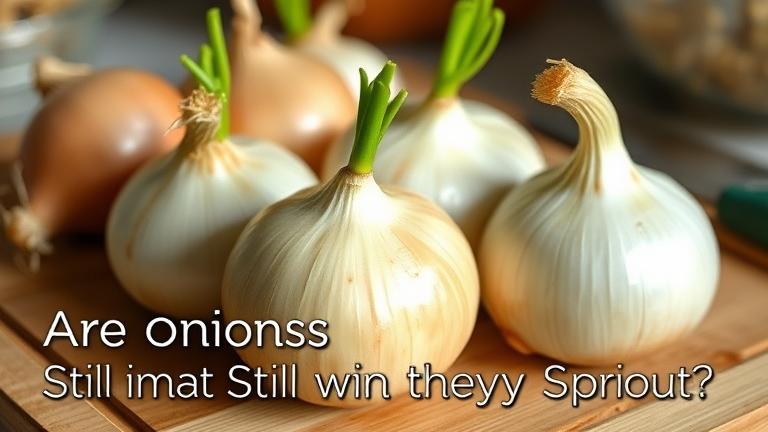
What Happens When Onions Sprout?
When onions start to sprout, it’s a natural sign that they are preparing to grow new plants. This process begins when the onion detects the right environmental conditions, such as warmth and moisture. As a result, tiny green shoots emerge from the top of the bulb, signaling that the onion is entering a new phase.
Sprouting onions undergo a series of changes, both in texture and flavor. The texture of the onion becomes softer and sometimes a bit spongy. The skin may also begin to wrinkle or loosen as the bulb uses some of its stored nutrients to support new growth. Inside, the onion might develop small, green sprouts, which are actually new shoots trying to grow into tiny plants.
Flavor-wise, sprouted onions tend to become milder but can also develop a slightly bitter or green-tasting flavor where the shoots grow. Some people find that once onions sprout, they don’t taste as sweet or crisp as fresh ones. Instead, they may have a faint mustiness or a stronger, more pungent flavor, which can affect their overall taste in recipes.
The sprouting process also impacts how long the onion will stay fresh. Generally, once sprouting begins, the onion’s quality starts to decline more quickly. The bulb may become soft, dried out, or develop dark spots. It’s a sign that the onion is nearing the end of its shelf life. While you can still use sprouted onions, it’s best to do so soon before they become overly soft or moldy.
Some practical tips: If you notice green shoots but the onion still feels firm and smells fresh, you can peel away the outer layer and cut out the sprouted part. This way, you can still enjoy the onion, especially in cooked dishes. However, if the onion feels mushy, has a bad smell, or shows signs of mold, it’s safer to discard it.
To extend the freshness of your onions and prevent sprouting, store them in a cool, dry, well-ventilated place away from direct sunlight. Avoid storing onions in the refrigerator for long periods, as this can encourage sprouting and spoilage. By keeping your onions properly stored, you can enjoy them longer and catch them before sprouting disrupts their flavor and texture.
In summary, sprouting onions are a natural part of their life cycle. While they may not look as appealing or taste as fresh, with some careful preparation, they can still be used in many dishes. Keep an eye on their appearance and smell, and use them before they go beyond their prime for the best flavor and texture.
Can Sprouted Onions Be Eaten Safely?
Many home cooks notice sprouted onions in their pantry and wonder if they should toss them out or use them. Sprouted onions are onions that have begun to grow green shoots from the bulb. While it might look a little strange, sprouted onions are generally safe to eat, but there are some important safety considerations to keep in mind.
First, examine the onion carefully. If the onion feels firm and smells typical of fresh onions, it’s usually safe to use. Look for signs of spoilage such as a slimy texture, a bad odor, or mold. If the onion is soft, darkened, or has mold spots, it is best to discard it. Sprouts themselves are not harmful, but the overall condition of the onion matters.
How to Identify a Safe vs. Unsafe Onion
- Safe: Firm texture, no foul smell, sprouts present but the bulb looks healthy and dry.
- Unsafe: Soft or mushy texture, a sour or rotten odor, mold, or discoloration on the bulb.
If the onion has sprouted but remains firm and smells fresh, you can still use it. In fact, sprouted onions can be a sign that the bulb is still alive and healthy enough to grow, which usually means they’re safe for consumption.
Tips for Preparing Sprouted Onions
- Start by cutting away the sprouts. If the green shoots look healthy and vibrant, you can choose to use them in salads or cooking. If they look yellow or wilted, it’s best to discard them.
- Peel off any outer layers that are soft or darkened. This helps ensure you’re only using the firm, fresh parts of the onion.
- Use the onion as you normally would in cooking, such as grilling, sautéing, or adding to soups. The sprouted part will add a slight green flavor, which can be quite nice in certain dishes.
- If the onion tastes bitter or off after peeling, it’s better to throw it away.
Safety Notes and Tips
- Always wash onions thoroughly before use to remove dirt and bacteria.
- Do not consume onions that are soft, shriveled, or have mold spots, even if they have sprouts.
- If you notice any signs of mold or an unpleasant odor, it’s safest to discard the onion.
- Store onions in a cool, dry, well-ventilated place to prevent premature sprouting and spoilage.
In conclusion, sprouted onions can be safe to eat if they are still firm, smell good, and show no signs of spoilage. Just be sure to inspect them carefully and remove the sprouts before cooking. With proper handling, sprouted onions can be a delicious addition to your meals rather than a waste product.
Signs That Onions Have Gone Bad
Knowing how to tell if onions have gone bad is important to avoid eating spoiled produce. Fresh onions are firm, have shiny skins, and smell mild and fresh. But when they start to spoil, their appearance and smell change, giving you clues that it’s time to toss them out.
One of the clearest signs that onions are no longer good to eat is a change in their appearance. If you see mold growing on the surface, it’s a big red flag. Mold may appear as fuzzy white, green, or black patches. Even if only a small spot is affected, it’s safest to discard the entire onion.
Another visual clue is softness or sprouting. Fresh onions feel firm and have smooth, tight skins. If the onion feels mushy, floppy, or has soft spots, it’s a sign of decay. Similarly, green shoots or sprouting on top indicate the onion is past its prime. While sprouted onions are still edible if the rest is fine, their flavor might be bitter and less appealing.
Pay attention to unusual discoloration. A slimy or wet outer layer can mean bacteria or mold are taking hold. If the onion’s skin looks shriveled, dried out, or has dark patches, it’s a good idea to throw it away. Sometimes, the flesh inside might be dark or discolored, which also signals spoilage.
The smell is another key indicator. Fresh onions smell mild and slightly sweet. When onions are bad, they develop a strong, unpleasant odor that can be sour, rotten, or sulfurous. If opening the bag or container reveals a foul smell, it’s safest to discard the onions immediately.
It’s also worth noting how the onion feels. A slimy or sticky texture on the surface is a sign of bacterial growth. If your touch reveals a wet or sticky surface, do not use the onion. Always err on the side of caution when it comes to spoiled produce.
Quick Tips for Checking Onions
- Look for mold, dark spots, or shriveled skin.
- Feel for softness or mushiness.
- Sniff for foul or off-putting smells.
- Inspect sprouting; small green shoots are okay but large sprouts might affect flavor.
By paying attention to these signs, you can keep your kitchen safe and ensure that only fresh, tasty onions make it into your meals. When in doubt, it’s better to be cautious and discard questionable onions to avoid any risk of foodborne illness.
Best Storage Tips for Onions
Storing onions properly can make a big difference in how long they stay fresh and flavorful. Whether you have a bunch from your garden or bought some at the store, knowing the right conditions helps prevent sprouting and spoilage. Onions are best kept in a cool, dark, and well-ventilated place.
One of the common mistakes is storing onions in the fridge, which can cause them to become soft and moldy. Instead, aim for a storage spot with good air circulation, such as a pantry or cellar. Proper storage not only keeps onions fresh longer but also stops them from sprouting prematurely.
Ideal Conditions for Storing Onions
- Temperature: Keep onions in a cool spot, ideally around 45-55°F (7-13°C). Too warm, and they will sprout or rot faster. Too cold, and they can become mushy or develop gray mold.
- Light: Onions need darkness to prevent sprouting. Store them away from direct sunlight or bright artificial lights.
- Ventilation: Good airflow is crucial. Use mesh bags, baskets, or open bowls instead of plastic bags that trap moisture.
- Humidity: Keep humidity levels moderate to low. Too much moisture can cause mold and rot, so avoid damp areas.
Common Storage Methods
- Mesh or Sacks: Use breathable bags like mesh or burlap sacks. They allow air to circulate and prevent mold build-up.
- Baskets or Bowls: Place onions in open bowls or baskets on your countertop or pantry shelf. Avoid stacking them too high.
- Cloth Bags: Cloth bags are also effective, especially if they are breathable and kept in a cool, dark corner.
Additional Tips for Longer Storage
- Separate Storage: Keep onions away from potatoes. Potatoes emit moisture and gases that can cause onions to spoil faster.
- Check Regularly: Inspect stored onions weekly. Remove any that show signs of sprouting, soft spots, or mold to prevent spoilage of others.
- Harvested Onions: If you grow your own and pull onions from the ground, allow them to cure in a warm, dry, and well-ventilated area for a week or two before storing.
What to Avoid When Storing Onions
- Avoid storing onions in plastic bags or sealed containers, as this traps moisture.
- Don’t store onions in the fridge unless they are peeled or sliced and kept in an airtight container.
- Keep onions away from fruits like apples or other produce that emit ethylene gas, which can cause onions to sprout faster.
Nutritional Benefits of Onions
Onions are a popular vegetable found in kitchens around the world, and they are more than just a flavorful addition to many dishes. These humble bulbs pack a punch when it comes to health benefits and nutritional content. Adding onions to your meals can boost your overall wellbeing, thanks to their rich mix of vitamins, minerals, and antioxidants.
One of the main reasons onions are so good for you is their high antioxidant content. Antioxidants help protect your cells from damage caused by harmful molecules called free radicals. Onions contain a variety of antioxidants, such as quercetin and sulfur compounds, which may reduce inflammation and support your immune system. Eating onions regularly can contribute to lower risks of chronic diseases like heart disease and certain cancers.
Onions are also a great source of essential nutrients. They provide vitamin C, which is important for a healthy immune system, collagen production, and skin health. A small onion can supply a significant portion of your daily vitamin C needs. Alongside vitamin C, onions contain B vitamins like B6 and folate, which help keep your energy levels up and support brain function.
Key Nutritional Highlights of Onions
| Nutrient | Amount per 100g | Daily Value (%) |
|---|---|---|
| Calories | 40 kcal | – |
| Carbohydrates | 9 g | 3% |
| Fiber | 1.7 g | 6% |
| Vitamin C | 8 mg | 13% |
| Vitamin B6 | 0.1 mg | 5% |
| Folate | 19 mcg | 5% |
| Minerals | Includes small amounts of calcium, iron, magnesium, and potassium | – |
Another benefit of onions is their support for heart health. The sulfur compounds in onions can help lower blood pressure and reduce the risk of blood clots. Additionally, onions may help improve cholesterol levels by decreasing LDL (bad cholesterol) and increasing HDL (good cholesterol). Incorporating onions into your diet can be a simple way to promote a healthier heart.
It is worth noting that onions contain compounds with antimicrobial properties, which can help fight off certain bacteria and viruses. This makes them a smart choice for boosting your immune system naturally. Plus, their naturally low calorie and fat content make onions ideal for adding flavor without extra calories or fat.
For maximum health benefits, try to include a variety of onions in your meals, such as red, yellow, and white onions. Each type offers its own unique flavor and nutrient profile. Remember to store onions in a cool, dry place away from direct sunlight, and chop them just before cooking or eating to preserve their nutrients.
Overall, onions are not just a tasty component of many dishes but also a smart addition for anyone interested in maintaining good health. Regularly eating onions can help support your immune system, improve heart health, and provide essential nutrients to keep your body functioning at its best.
Cooking Tips for Sprouted Onions
Sprouted onions are quite common in many kitchens, and they can still be used in your favorite recipes. While the sprouts may change the texture and flavor slightly, with a few simple tips, you can turn sprouted onions into a tasty addition to many dishes.
First, it’s important to examine the onion. If it’s soft, moldy, or has an unpleasant smell, it’s best to discard it. However, if the onion looks firm and healthy aside from the sprouts, you can proceed with preparing it.
Preparation Tips
- Start by removing the sprouted green shoots. Use a sharp knife to cut off the sprouts and the thin layer of the onion surrounding them. This helps avoid any bitterness they might add.
- Peel away the onion’s outer layers, just like you would with a fresh onion. Sometimes the outer layers can become dull or slightly shriveled, but the inside remains good to use.
- Once peeled, chop the onion as your recipe requires. Remember, sprouted onions might have a slightly milder or more pungent flavor depending on how long they’ve sprouted.
Flavor Considerations
Sprouted onions tend to have a sharper taste compared to fresh onions. They can sometimes be more bitter or have a stronger aroma. To balance this, you can cook the onion longer or use them in recipes with other bold flavors like garlic, herbs, or spices.
If you’re worried about bitterness, soaking chopped sprouted onions in cold water for 10-15 minutes can help mellow their flavor. Drain well before adding to your dish.
Incorporating Sprouted Onions into Recipes
- Use sprouted onions in cooked dishes like soups, stews, or sautés. Cooking helps soften their texture and reduce bitterness.
- They work well in recipes where onions are a background flavor, such as casseroles or stir-fries.
- If you’re making raw salads, consider soaking first or using only the inner, less sprouted parts for a milder taste.
Practical Tips to Keep in Mind
- Always taste a small piece first to check for off-flavors or excessive bitterness.
- Sprouted onions are best used within a week of sprouting, especially if stored in the refrigerator.
- If the onion begins to sprout extensively or turns soft and slimy, it’s time to discard and replace it.
By following these simple tips, you can make the most of sprouted onions and add flavor to your meals, even if they’ve started to sprout. With a little extra preparation, they can be just as tasty as new onions, helping you save money and reduce waste in your kitchen.
Different Onion Varieties Explained
Onions are a staple in many kitchens around the world. With so many varieties to choose from, it can be helpful to understand their distinct flavors, uses, and what makes each one special. Whether you’re sautéing, roasting, or slicing for salads, knowing the differences can help you pick the perfect onion for your dish.
Let’s explore some common onion types and what sets them apart. From sharp and pungent to sweet and mild, each variety has its own personality and best uses in the kitchen.
Yellow Onions
Yellow onions are the most versatile and widely used onion variety. They have a golden-brown skin and a strong, slightly pungent flavor that becomes sweeter when cooked. These onions work well in almost anything, from soups and stews to caramelized dishes. Their robust flavor adds depth to many recipes.
White Onions
White onions tend to be milder than yellow onions with a crisp texture. They have a clean, sharp flavor that makes them ideal for raw applications like salads, salsas, and sandwiches. White onions are also popular in Mexican cuisine, often used in tacos and fresh salsas for their crisp texture and fresh taste.
Red Onions
Red onions are known for their vibrant purple color and mild, slightly sweet flavor. They are perfect for eating raw, adding color and crunch to salads, sandwiches, and garnishes. Red onions can also be grilled or roasted, where their sweetness intensifies. They are a favorite for pickling due to their attractive appearance and tangy flavor.
Sweet Onions
Sweet onions, such as Vidalia, Walla Walla, and Maui, are famous for their naturally higher sugar content. They have a mild, mellow flavor and are excellent for eating raw, on burgers, or in salads. Because they are less pungent, they can also be cooked gently without turning bitter. Be cautious, though, as they tend to spoil faster and may not last as long as other varieties.
Shallots and Other Varieties
Shallots are small, teardrop-shaped onions with a fine, delicate flavor that is slightly sweet and garlic-like. They are often used in dressings, sauces, and fine cooking because of their subtle taste. There are also other regional varieties like pearl onions, which are small and often used in stews or pickled.
- Tips for choosing the right onion: Consider the flavor profile needed for your dish. Use yellow onions for cooking, red onions for raw applications, and sweet onions for a mellow taste.
- Storage tip: Keep onions in a cool, dry, well-ventilated area away from sunlight. Do not store them in the fridge unless peeled or sliced, as moisture can cause spoilage.
- Common mistake: Using the wrong onion for a dish can affect flavor. For example, using a sharp yellow onion in a raw salad might be overpowering, while a sweet onion in a stew might turn dull.