
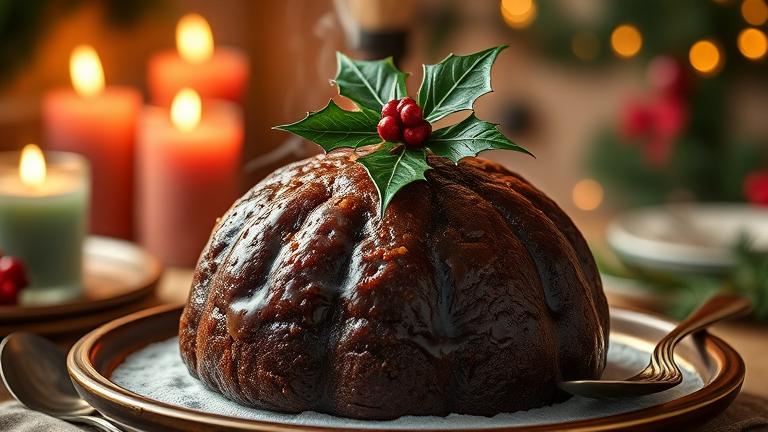
What Happens When You Over Steam a Christmas Pudding?
When you steam a Christmas pudding, the goal is to cook it gently and evenly, resulting in a moist, flavorful treat. But if you leave it steaming too long or turn up the heat too high, you might notice some changes. Over steaming can affect both the texture and flavor of your pudding, so it’s helpful to know what to look for.
One of the main signs of over steaming is that the pudding can become excessively dense or gooey. Instead of a soft, tender interior, it might turn out sticky or squishy. This happens because the moisture inside the pudding keeps building up and doesn’t have a chance to escape, leading to a soggy texture. Sometimes, the pudding can even start to fall apart when you cut into it, especially if it’s been overcooked for a long time.
Effects on Texture
- Gummy or Mushy Interior: Over steaming can turn the pudding into a thick, gluey mass. The proteins and starches break down too much, and the pudding loses its structure.
- Dense and Heavy: Instead of light and airy, the pudding becomes overly dense. It may feel heavy in your stomach and less enjoyable to eat.
- Possible Cracking or Splitting: When overcooked, the outer layer can dry out or crack, especially if steam escapes during cooking.
Effects on Flavor
Over steaming doesn’t just change the texture; it can also impact the flavor. The pudding might develop a slightly burnt or steamed taste if it’s cooked too long. The richness of the dried fruits, spices, and alcohol used in traditional recipes can become muted or bland when overcooked. Sometimes, excess moisture can dilute the flavors, making the pudding taste less vibrant.
How to Recognize When It’s Overdone
- Unusual Stickiness: If the pudding releases too much sticky liquid when you pierce or cut into it, it’s a sign of over steaming.
- Appearance: A shiny, wet surface or cracks suggest it has been overcooked.
- Texture: If it feels overly dense and mushy rather than moist and tender, it might be overdone.
Tips to Avoid Over Steaming
- Follow the recipe timing carefully, usually around 6 hours for a traditional Christmas pudding.
- Use a timer and check the water level in your steamer regularly. Keep the water simmering but not boiling vigorously.
- Insert a skewer or toothpick into the pudding. If it comes out clean after steaming, it’s likely done. If it’s wet or sticky, give it more time carefully.
- Ensure your pudding is covered properly during steaming to prevent excess moisture loss or drying out.
Understanding what happens when you over steam a Christmas pudding can save you from ending up with a less-than-perfect dessert. Keep an eye on the cooking process, and you’ll be rewarded with a beautifully moist, flavorful pudding that everyone will enjoy.
Signs of Over-Steaming and How to Spot Them
When making a Christmas pudding, steaming is a key step to get that perfect, moist texture. But sometimes, the pudding can be over-steamed, which affects the final result. Knowing how to spot these signs can save your pudding from turning out dry or rubbery.
One of the first visual clues is the color. An over-steamed pudding often appears darker than usual. Instead of the glossy, rich brown you expect, it may look dull or even slightly burnt on the surface. If the pudding skin looks cracked or dry, that’s another warning sign. Over-steaming can cause the outer layer to become overly tough or hard.
Touch also helps you gauge if the pudding has been overcooked. When you gently press the surface, a properly steamed pudding feels firm but gives a little. If it feels very hard or even rock-like, it’s a sign it’s been over-steamed. Conversely, if it’s very soft or sticky, that might mean it’s underdone, but sometimes over-steaming can produce a firm exterior while the interior dries out.
A telltale sensory sign is the aroma. An ideal Christmas pudding smells rich, warm, and spicy. If you notice a burnt or overly strong smell, it’s likely overcooked. Usually, a burnt odor indicates that the outer layer has dried out and may be slightly burnt or overcooked.
In terms of texture, slices of an over-steamed pudding tend to be dry and crumbly rather than moist and tender. When you cut into it, the center might be overly dense or tough. You might also notice that the pudding sticks heavily to the knife or fork because it has dried out too much.
Here are some practical tips to help you spot over-steaming:
- Check the color and surface: Dark, cracked, or overly tough skin suggests over- steaming.
- Feel the texture: A firm, hard exterior with a dry interior is a sign of overdone pudding.
- Smell the aroma: A burnt or overly smoky smell indicates overcooking.
- Test the consistency: When poked, the pudding should spring back slightly. If it feels dense or hard, it’s over-steamed.
- Avoid opening the lid too early: Peeking too often can cause uneven cooking, but if you see signs of drying out, it may have gone too far.
If you notice these signs while steaming, it’s best to remove the pudding sooner rather than later. Over-steamed pudding loses its moist, tender qualities and can become tough or dry. Remember, steaming times can vary based on the size of your pudding and your equipment, so use these visual and sensory clues to guide you to a perfect Christmas pudding.
Keeping a close eye and trusting these simple indicators will lead to a beautifully steamed pudding every time.
Perfect Steaming Tips for Christmas Pudding
Steaming is the best way to cook a traditional Christmas pudding, giving it that rich, moist texture and deep flavor. Getting the timing and technique just right will make all the difference in your pudding turning out perfect. Here are some friendly, practical tips to help you achieve that ideal steamed Christmas pudding.
Choosing the Right Steaming Equipment
First, select a sturdy, heatproof basin or bowl that fits comfortably inside your steaming vessel. The bowl should have a lid or be covered tightly to prevent water from seeping in. A large stockpot or a dedicated steamer works well, as long as it allows enough space for water to simmer without touching the pudding.
Preparing Your Pudding Batter
Make sure your pudding mixture is well-mixed but not over-beaten. Use fresh ingredients for the best flavor and texture. When filling your basin, leave a little space at the top because steam will expand the mixture during cooking. Cover the top with a layer of parchment paper or a clean cloth, then place the lid on tightly.
Perfect Steaming Techniques
- Bring the water in your steaming vessel to a gentle simmer before placing your pudding inside. It should never be boiling vigorously, as this can cause uneven cooking or cracks in the pudding.
- Keep the water level just below the top of the pudding basin. Add boiling water when necessary to maintain this level during the steaming process.
- Use a trivet or folded cloth underneath the pudding basin to insulate it from direct heat. This helps cook the pudding evenly and prevents scorching.
Timing Is Everything
The steaming time for Christmas pudding varies depending on the size. A standard 1.5 to 2-pint pudding usually takes about 6 hours. If you are steaming a larger or smaller pudding, adjust the time accordingly. It’s best to gently steam the pudding for the full recommended time to ensure it’s cooked all the way through.
One helpful tip is to check periodically that the water hasn’t evaporated completely. If it has, carefully add boiling water to keep the steaming consistent. Cover the pudding with foil if you plan to steam for an extended time, especially if you are steaming for more than 4 hours, to prevent condensation from dripping into the pudding.
Checking for Doneness
You can test if your Christmas pudding is ready by inserting a skewer or cake tester into the center. If it comes out clean and the pudding feels firm, it’s done. Another tip is to give the basin a gentle shake; the pudding should feel set and not wobble too much.
Letting it Rest
Once cooked, carefully remove the pudding from the steaming vessel. Allow it to cool slightly before turning it out onto a plate. Wrap it in clean parchment or foil and store in a cool, dark place until the big day. Proper steaming ensures your Christmas pudding will stay delicious, moist, and flavorful for the celebration.
Common Mistakes While Steaming Christmas Pudding
Steaming Christmas pudding is a cozy and rewarding tradition, but it can be tricky if you’re not careful. Many home cooks make some common mistakes that can affect the texture, flavor, or even the safety of their pudding. Understanding these pitfalls can help you achieve a perfectly moist and delicious Christmas pudding every time.
One of the most frequent errors is not preparing the pudding correctly before steaming. It’s important to make sure your pudding mixture is well combined and has the right consistency. If it’s too runny, it may not hold together during steaming, leading to a collapsed or messy pudding. Conversely, if it’s too thick, it might become dense and heavy. Follow your recipe carefully, and don’t hesitate to test the mixture by scooping a small portion into boiling water for a few minutes. If it holds together and is cooked through, you’re good to go.
Another common mistake is using too little water in the steaming pot. When steaming a Christmas pudding, you want a steady supply of gentle steam, not boiling water that touches the pudding directly. If the water level drops too low during cooking, the pudding can dry out or burn around the edges. To prevent this, keep the water below the rise of your pudding basin and check it regularly to top up if necessary. Use a kettle or hot water to add rather than cold, to avoid disrupting the steaming process.
Many people forget to use a proper pudding basin or wrap the pudding securely before steaming. The basin should be heatproof and large enough to allow the pudding to expand slightly during cooking. Cover the basin tightly with a lid or a layer of parchment paper and foil, tying it securely with string. This keeps out water and prevents condensation from dripping onto your pudding, which can make it soggy. Skipping this step or using loose covers can result in a pudding with a wet, sticky exterior rather than a firm, moist texture.
Timing is also crucial. Over-steaming can lead to a pudding that is overly dense and soggy, while under-steaming might leave it raw inside. As a general guide, most Christmas puddings need about 6 hours of steaming, which can be spread over a day or done in one long session. Check your recipe for specific times and remember to start steaming early to give the flavors time to develop. Make sure to steam on a gentle simmer rather than a rolling boil, which can cause the pudding to bounce around and become misshapen.
Lastly, don’t forget safety! Steam can be very hot, and steam burns are common. Always lift the pudding carefully from the hot water, using oven gloves. Allow the pudding to cool slightly before removing the cover, so hot steam doesn’t scald your hands or face. Also, be cautious when removing the water from the steaming pot, and never leave it unattended while steaming.
- Use the right size and type of basin, with a tight cover.
- Keep water at a gentle simmer, and check regularly.
- Wrap the pudding securely to prevent water from seeping in.
- Follow recommended steaming times and avoid rushing the process.
- Handle hot equipment with care to prevent burns.
How to Fix a Pudding That’s Over Steamed
Over steaming pudding can lead to a texture that’s too soft, rubbery, or even chunkily cooked. Don’t worry if your pudding didn’t turn out perfectly the first time. There are several simple ways to rescue and improve an over steamed pudding so you can still enjoy a tasty treat.
Identify the Issue
First, determine how your pudding has been affected. If it feels too mushy or fragile, it might be over steamed or cooked too long. If it’s rubbery or dense, it could be overcooked at a high temperature. Recognizing the problem helps you decide the best fix.
Cooling and Assessment
Start by removing the pudding from the heat and allowing it to cool slightly. This helps it set a little and makes it easier to handle. Touch the surface gently to check consistency. If it feels overly soft and moist, it may just need some adjustments. If it’s quite firm or rubbery, different methods will be needed.
Solutions for an Overly Soft or Mushy Pudding
- Refrigerate and Serve Cold: If the pudding is too soft, allow it to cool completely and then refrigerate. Chilling can help firm up the texture, making it easier to slice or scoop.
- Add Thickening Agents: For pudding that’s runny, consider stirring in a bit of cornstarch dissolved in cold water. Gently reheat the pudding on the stove and stir until it thickens. Be careful not to overheat, which can cause more overcooking.
- Use in Other Recipes: If the pudding’s texture is not perfect for serving on its own, repurpose it. It can be used in trifle, layered with fruit, or folded into cake batter to add moisture and flavor.
Solutions for a Dense or Rubber-Like Pudding
- Moisten with Syrups or Sauces: Serve the pudding with a warm caramel, toffee sauce, or fruit compote. The added moisture can soften a dense pudding, making it more enjoyable.
- Slice Thin and Reheat: Thin slices of overcooked pudding can be gently reheated with a splash of milk or cream, which helps make the texture more tender.
- Steam Briefly: For slightly undercooked sections, you can try steaming the pudding briefly to add moisture, but be cautious to avoid over steaming again.
Prevent Future Over Steaming
To avoid over steaming next time, always monitor your pudding closely during cooking. Use a timer and check for doneness by inserting a skewer or toothpick into the center. If it comes out clean or with moist crumbs, your pudding is ready. Adjust the steaming time based on your specific recipe and the size of your pudding.
Remember that every stove and steamer setup is a little different. It’s good to keep notes on the perfect steaming duration for your kitchen. That way, you’ll craft consistently delicious puddings without the worry of overcooking.
Tips for Ensuring a Moist and Delicious Pudding
Making a pudding that stays moist and tastes amazing can sometimes be tricky, but with a few simple tricks, you can improve your results every time. The key is to focus on ingredients, cooking methods, and proper storage. Here are some helpful tips to guarantee your pudding turns out beautifully rich and delicious.
Choose the Right Ingredients
Start with quality ingredients. Use fresh milk or cream, as they add natural moisture and flavor. If your recipe calls for eggs, fresh eggs give a smoother, richer texture. Adding a bit of butter can boost both moisture and taste. Also, consider incorporating ingredients like vanilla extract or spices to enhance the flavor, which can make the pudding more satisfying even if it’s slightly less moist.
Mind Your Cooking Technique
Cooking at a gentle temperature is crucial. Puddings are delicate and can become dry if cooked too fast or at too high a heat. Use low to medium heat and stir gently. This helps to prevent the formation of a skin on top and ensures even cooking.
When baking pudding, cover it with a piece of foil or a lid. This traps steam and keeps the pudding moist during the process. Also, avoid overbaking. Remove the pudding from the oven as soon as it’s set but still slightly soft in the center to prevent it from drying out as it cools.
Use Preventative Techniques
- Adding a water bath, or bain-marie, during baking helps regulate temperature and maintains moisture. Place your pudding dish inside a larger pan filled with hot water. This gentle, even heat prevents the edges from drying out.
- Incorporate a small amount of gelatin or cornstarch to thicken smoothly without drying. These ingredients help maintain a silky texture and trap moisture.
- For no-bake puddings, soaking your ingredients in milk or cream beforehand can infuse extra moisture, especially when using dry ingredients like biscuits or cake layers.
Proper Storage for Lasting Moisture
Once your pudding is cooked, store it properly. Cover it tightly with plastic wrap or transfer it to an airtight container. This prevents it from drying out in the fridge. It’s best to consume puddings within a day or two of making them for the best flavor and moistness.
If you notice your pudding starting to get a little dry, a quick fix is to spoon a little warm milk or cream over the top before serving. This revives moisture and boosts the flavor instantly.
Additional Tips for Success
- Always taste your pudding before serving. If it seems slightly dry, a drizzle of syrup or a dollop of whipped cream can add moisture and richness.
- Don’t forget to let your pudding cool completely before refrigerating. Warm puddings can develop a crust or dry out if stored too soon.
- Experiment with adding fruits, nuts, or chocolate chips during the mixing stage. These ingredients can contribute moisture and flavor as they release their juices or oils.
Alternative Cooking Methods for Christmas Pudding
If you’re looking for new ways to cook your Christmas pudding beyond the traditional steaming method, you’re in luck. Trying different cooking techniques can add unique flavors and textures to your festive treat, giving you more flexibility in the kitchen. Whether you prefer baking, boiling, or even using the slow cooker, there’s an option that can fit your schedule and taste.
Baking Christmas Pudding
Baking is a popular alternative that results in a slightly firmer pudding with a crusty top. To bake your Christmas pudding, start by preparing the mixture as usual and wrapping it securely in parchment paper and foil. Place the wrapped pudding in a baking dish and add hot water to reach halfway up the sides of the pudding. Preheat your oven to around 160°C (320°F).
Cook the pudding in the oven for about 2 to 2.5 hours, checking occasionally to ensure the water hasn’t evaporated. If needed, carefully add more hot water during cooking to keep the pudding moist. Baking creates a delightful caramelized exterior, perfect if you want a different texture or plan to reheat slices on the day.
Boiling or Simmering in a Large Pot
This method is close to traditional steaming but often involves boiling the pudding gently in a large pot. For this approach, place your pudding in a heatproof bowl that fits inside a big pot. Seal the bowl with a lid or cover the top tightly with foil. Fill the pot with enough water to come about halfway up the sides of the bowl, then bring to a gentle simmer.
Let the pudding simmer for 6 to 8 hours, topping up with hot water as needed. This slow cooking process ensures the pudding stays moist and evenly cooked. It also reduces the risk of condensation leaking into the pudding, which can happen if the wrapping isn’t secure. This method is excellent for large batches and can be a fun, less traditional way to prepare your Christmas pudding.
Using a Slow Cooker
The slow cooker offers a convenient, energy-efficient way to cook your Christmas pudding without babysitting a boiling or steaming pot. Wrap your pudding thoroughly in baking paper and foil, then place it in the slow cooker. Add a couple of cups of hot water to the base of the cooker to create a gentle steaming environment.
Cook the pudding on low for 6 to 8 hours. This method is perfect if you want a set-it-and-forget-it approach. Plus, it keeps your kitchen mess-free and saves space on your stove or oven. Just be sure to check periodically that there’s still enough water in the slow cooker gauge or base.
Tips for Successful Alternative Cooking
- Always wrap the pudding properly to prevent water from seeping in and ruining the texture.
- Adjust cooking times based on the size and density of your pudding.
- Use oven mitts carefully when handling hot wrapped puddings.
- If baking, consider brushing the pudding with brandy or butter before baking to add flavor and moisture.
- Test for doneness by inserting a skewer in the center; it should come out clean when done.
Trying different cooking methods for your Christmas pudding can be a fun way to experiment and create a unique festive dessert. Each method offers its own taste and texture, so don’t hesitate to give them a try and find your favorite!