
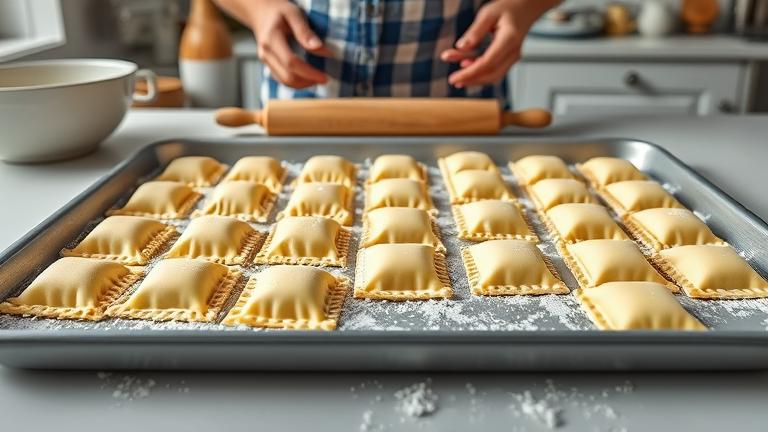
Why Freeze Ravioli?
Freezing ravioli is a smart way to extend their shelf life and make meal planning easier. If you often cook in advance or buy ravioli in bulk, keeping some in the freezer helps prevent waste and means you always have a tasty ingredient ready to go.
When you freeze ravioli, you can enjoy a quick and convenient meal even on busy days. Instead of cooking from scratch or buying takeout, you can simply heat the frozen ravioli and have a satisfying dish in minutes. It’s perfect for those nights when time is tight but you still want a homemade feel.
Freezing also gives you the flexibility to try different fillings or recipes. If you love experimenting with stuffed pasta, freezing allows you to try new flavors without worrying about spoilage. Plus, it’s a smart way to store leftovers from a large batch of ravioli you’ve made yourself or when you pick up a good deal at the store.
Another benefit is that freezing preserves the quality of the ravioli. Properly stored, they stay fresh and maintain their flavor for months. This means you don’t have to rush through your supplies or settle for less than ideal pasta when craving a quick meal.
Lastly, freezing ravioli helps you reduce food waste and save money. Instead of letting leftover ravioli go bad, just freeze them for later use. It turns your kitchen into a resourceful space, making sure nothing goes to waste and your grocery budget stays in check.
- Extends shelf life to keep ravioli fresh for months
- Creates quick, easy meal options for busy days
- Allows for experimenting with different fillings and recipes
- Prevents food waste by storing leftovers properly
- Helps save money by avoiding spoilage
Best Methods to Store Ravioli
Storing ravioli properly is key to keeping it fresh and tasty until you’re ready to cook or serve. Whether you have leftovers or bought ravioli in bulk, the right storage method can prevent freezer burn and preserve its flavor and texture. Here are some practical tips and techniques for storing ravioli at home.
Fresh Ravioli Storage
If you have just made or bought fresh ravioli, it’s best to store it in the fridge if you’ll use it within a day or two. To keep it fresh, lightly dust the ravioli with a little flour to prevent sticking, then place it in an airtight container or a resealable plastic bag. Be sure to remove as much air as possible from the bag before sealing to prevent moisture loss and freezer burn if you plan to store it longer.
For short-term storage, keep the container in the coldest part of your refrigerator, usually near the back. Avoid stacking too many ravioli pieces on top of each other, as this can cause them to stick together or get squished. If you want to keep the shape intact, arrange the ravioli in a single layer on a baking sheet covered with parchment paper, then refrigerate until firm before transferring to a container.
Frozen Ravioli Storage
Freezing is a great way to extend the shelf life of ravioli. For best results, arrange the ravioli in a single layer on a parchment-lined baking sheet. Once they are frozen solid, usually after about 1-2 hours, transfer them to an airtight container or a resealable freezer bag. Label the bag with the date to keep track of how long they have been stored.
When packaging, try to remove as much air as possible from the bag, using a straw or a vacuum sealer if you have one. This prevents moisture from forming ice crystals that can cause freezer burn. Ravioli stored properly in the freezer can last for up to 2-3 months, maintaining good quality and flavor.
Proper Packaging Tips
- Use airtight containers or heavy-duty freezer bags that seal tightly.
- Remove excess air from plastic bags to prevent freezer burn.
- Label packages with the date to keep track of storage time.
- For homemade ravioli, freeze in a single layer first before stacking to avoid sticking.
- Avoid storing ravioli in paper or flimsy containers that allow moisture to escape.
Extra Tips for Best Results
- Never leave ravioli out at room temperature for more than 2 hours to prevent bacterial growth.
- If you’re storing cooked ravioli, let it cool to room temperature before freezing.
- When ready to cook frozen ravioli, do not thaw it first. Just add it directly to boiling water or sauce.
- Be cautious of overfilling your storage container, as it can crush delicate ravioli and cause spoilage.
How to Prepare Ravioli for Freezing
Freezing ravioli is a great way to save time and enjoy delicious pasta whenever you want. Whether you have fresh, homemade ravioli or leftover cooked ones, proper preparation makes all the difference in maintaining taste and texture. In this guide, you’ll find simple steps to prepare ravioli for freezing that will keep them fresh and flavorful.
First, consider whether your ravioli are cooked or raw. Both can be frozen, but the methods differ slightly. Fresh, uncooked ravioli need to be handled carefully to prevent sticking and deforming, while cooked ravioli require a different approach to maintain their structure and prevent sogginess.
Preparing Fresh Ravioli for Freezing
- Start by placing a baking sheet or tray in the freezer for about 15-20 minutes. This will help prevent the ravioli from sticking together later.
- Lay out your fresh ravioli in a single layer on a parchment-lined tray. Make sure they aren’t touching each other to avoid sticking.
- If you’re using homemade ravioli, ensure they are sealed tightly to prevent air from entering and causing freezer burn.
- Once the ravioli are arranged, place the tray in the freezer. Let them freeze for about 1-2 hours until firm.
- After they are frozen solid, transfer the ravioli into airtight freezer bags or containers. Remove as much air as possible to prevent ice crystals and maintain freshness.
- Label the bags with the date. Properly stored, fresh ravioli can last up to 2-3 months in the freezer.
Preparing Cooked Ravioli for Freezing
- Drain cooked ravioli thoroughly to remove excess water. Slightly undercooking slightly can help retain texture upon reheating.
- Spread the cooked ravioli in a single layer on a baking sheet lined with parchment paper. This prevents sticking and makes portioning easier later.
- Freeze the ravioli for about 1-2 hours until they are firm.
- Once frozen, transfer them into airtight containers or resealable freezer bags. Push out excess air and seal tightly.
- If desired, you can portion cooked ravioli into smaller servings for easier reheating later.
- Label the package with the date. Cooked ravioli stay good for about 2 months in the freezer.
Additional Tips for Freezing Ravioli
- Always use airtight containers or freezer bags to prevent freezer burn and preserve flavor.
- Try to use the ravioli within the recommended storage times for the best quality.
- If you notice any frost or ice crystals on the ravioli, gently brush them off before cooking or reheating.
- Label packs clearly with the date and type of ravioli to keep track of storage times.
- For best results, cook or reheat directly from frozen. Do not thaw before cooking, as this can make the pasta soggy.
Following these simple steps will help you preserve the quality of ravioli in your freezer. Properly prepared ravioli freezers well, tastes fresh when cooked or reheated, and offers a quick, satisfying meal anytime.
Step-by-Step Freezing Process
Freezing ravioli is a great way to prepare meals ahead of time and keep them fresh for later. Proper freezing ensures that the pasta maintains its flavor and texture when you’re ready to cook. Follow this friendly, step-by-step guide to freeze your ravioli effectively and enjoy a quick, homemade meal anytime.
1. Prepare the Ravioli for Freezing
Start by arranging the ravioli on a baking sheet lined with parchment paper. Make sure the pieces are spaced evenly and not touching each other. This prevents them from sticking together once frozen. If you bought pre-made ravioli, handle them gently to prevent breaking the wrapper.
If you’re making fresh ravioli, wait until they are fully cooked or just brushed with a little oil this will help prevent sticking. Once they’re ready, let them cool completely to room temperature. Freezing hot or warm ravioli can cause ice crystals to form and impact their texture.
2. Flash Freeze the Ravioli
This step helps keep the ravioli separate, making it easier to grab only what you need later. Place the baking sheet in the freezer for about 1 to 2 hours. During this time, the ravioli should firm up and become solid. Keep the sheet uncovered so they freeze quickly and evenly.
Make sure your freezer is set to 0°F (-18°C) for optimal freezing. If your freezer doesn’t freeze quickly, the ravioli might stick together or become soggy when stored long-term.
3. Pack the Ravioli for Long-Term Freezing
Once the ravioli are firm, transfer them to a resealable plastic bag or airtight container. You can also use a vacuum sealer if you have one, which prevents air exposure. Label the bag or container with the date so you keep track of how long they’ve been frozen.
Remove as much air as possible from the bag to prevent freezer burn, which makes the pasta dry and less tasty. For added protection, you can wrap the bag in aluminum foil or place it inside a second container.
4. Store Properly and Use within Recommended Time
Frozen ravioli can stay good for about 2 to 3 months in the freezer. After this, they may start to lose flavor or develop freezer burn. To store, keep the ravioli flat and not stacked too high, which can crush or deform them.
When you’re ready to cook, do not thaw the ravioli first. Instead, cook from frozen, adding an extra minute or two to the cooking time. Boil in salted water until they float, which signals they are done.
Helpful Tips for Freezing Ravioli
- Always cool cooked ravioli completely before freezing to prevent sogginess.
- Separate layers of ravioli with parchment paper during freezing to avoid sticking.
- Label your packages with the date to keep track of freshness.
- Avoid overfilling bags, giving some space for the ravioli to expand slightly during freezing.
Following these simple steps will help preserve the quality of your ravioli and make cooking quick and easy later on. Freezing is a smart way to enjoy homemade or store-bought ravioli whenever you want a tasty, satisfying meal.
Tips for Keeping Ravioli Fresh
Fresh ravioli is a delicious treat, but it can spoil quickly if not stored properly. Whether you’ve made homemade ravioli or bought it from the store, knowing how to keep it fresh ensures you enjoy its quality and flavor later on.
Here are some practical tips on storing ravioli to maintain its freshness and prevent issues like freezer burn or spoilage. Proper storage not only preserves taste but also keeps your ravioli safe to eat for longer periods.
1. Use Airtight Containers or Freezer Bags
One of the best ways to keep ravioli fresh is to store it in airtight containers or high-quality freezer bags. These prevent air from reaching the pasta, which is crucial for avoiding freezer burn and drying out the ravioli. If using freezer bags, squeeze out as much air as possible before sealing.
Label the container with the date so you can keep track of how long it’s been stored. Proper sealing helps maintain flavor and prevents the ravioli from absorbing other odors from the fridge or freezer.
2. Freeze Quickly and Spread Out
If you want to store ravioli for a longer time, freezing is your best option. For best results, freeze the ravioli as quickly as possible to lock in freshness. Spread the ravioli in a single layer on a baking sheet lined with parchment paper. This prevents the pieces from sticking together and makes it easier to take out just what you need later.
Once the ravioli is frozen solid, transfer it to your airtight container or freezer bag. This method preserves texture and prevents clumping.
3. Keep the Freezer at the Right Temperature
Keep your freezer at 0°F (-18°C) or lower to ensure the ravioli stays as fresh as possible. Maintaining a consistent temperature helps prevent freezer burn, which can cause ice crystals to form and dry out the pasta.
Avoid opening the freezer too often, which can cause temperature fluctuations. This way, your ravioli stays at the ideal temperature and retains its quality longer.
4. Store for a Reasonable Time
While ravioli can last in the freezer for up to 2-3 months, it’s best to consume it sooner for optimal taste. Over time, the quality can decline even if it’s safe to eat. Label your packages with the date so you don’t forget the storage time.
If you notice any signs of freezer burn or strange odors, it’s better to discard and make fresh ravioli next time. Always check your stored ravioli before cooking, especially if it has been in the freezer for a while.
5. Avoid Temperature Fluctuations During Storage
Once stored, keep ravioli away from areas in your freezer that are frequently opened or exposed to warmer temperatures. Fluctuations can cause moisture to form, leading to freezer burn and sogginess when cooked.
If you’re planning to use part of your frozen ravioli, take out only what you need instead of thawing everything at once. This prevents repeated temperature changes that harm overall quality.
- Tip: Do not refreeze thawed ravioli. It can compromise texture and safety.
- Tip: For short-term storage, refrigerate ravioli in a sealed container and use within 1-2 days.
- Tip: When cooking stored ravioli, frozen is fine no need to thaw. Just add a couple of extra minutes to the cooking time.
By following these simple tips, you can enjoy fresh-tasting ravioli even days or weeks after you first store it. Proper storage is key to maintaining flavor, texture, and safety, making every bite as good as the first.
Homemade Ravioli Freezing Tips
Freezing homemade ravioli is a great way to enjoy this delicious dish anytime. With a little preparation and care, your ravioli can stay fresh and tasty for weeks. Properly freezing your ravioli helps preserve the texture, flavor, and quality of both the dough and the filling.
To start, it’s important to handle the dough carefully. Make sure your ravioli are well-formed and sealed tightly to prevent freezer burn and filling leaks. If your filling contains moisture-rich ingredients like cheese or vegetables, consider pre-cooking or draining excess moisture to avoid sogginess after freezing.
Preparing Ravioli for Freezing
- Dust with flour: Lightly flour your ravioli before freezing to prevent sticking. Use a clean, dry surface and dust the outer edges and the bottom of the tray.
- Arrange in a single layer: Place the ravioli on a baking sheet lined with parchment paper. Make sure they do not touch each other to prevent sticking. If you have many ravioli, freeze them in batches.
- Pre-freeze: Put the tray in the freezer for about 1-2 hours, or until the ravioli are firm. This quick freeze keeps the shape intact and makes individual pieces easier to store.
Storage and Packaging
Once the ravioli are frozen solid, transfer them to airtight containers or resealable freezer bags. Remove as much air as possible to prevent freezer burn. Label each package with the date so you use the oldest ravioli first.
For best results, try to consume frozen ravioli within 2-3 months. Over time, their quality can decline, though they will still be safe to eat beyond this period if stored properly.
Freezing Tips for Dough and Filling
- Dough handling: Use a slightly undercooked dough if you plan to cook the ravioli from frozen. This helps prevent overcooking and maintains a tender texture.
- Filling tips: Do not overfill the ravioli as excess filling can cause bursting during cooking. Keep fillings moist but not overly wet to avoid sogginess after freezing.
- Seal carefully: Use water or beaten egg to seal edges tight, which helps keep the filling inside and prevents freezer burn.
Cooking Frozen Ravioli
No need to thaw frozen ravioli before cooking. Drop them directly into boiling salted water. Frozen ravioli may take a minute or two longer to cook than fresh ones. Watch for them to float to the surface, which signals they are ready.
Enjoy your ravioli with your favorite sauce or a simple drizzle of olive oil and herbs. Freezing is a smart way to have homemade ravioli ready for a quick, satisfying meal whenever you want.
Storing and Thawing Ravioli Properly
Storing frozen ravioli the right way is key to keeping it fresh, flavorful, and ready to cook whenever you want. When you buy or make ravioli in advance, proper storage helps preserve its texture and prevents freezer burn. Thawing ravioli the correct way ensures it heats evenly and stays tender, so every bite tastes great.
How to Store Frozen Ravioli
First, always use airtight containers or freezer bags designed for long-term storage. Removing as much air as possible minimizes ice crystals and freezer burn. If you’re using a freezer bag, squeeze out excess air before sealing. Label each package with the date you froze it to keep track of freshness.
Place ravioli in the coldest part of the freezer, ideally at 0°F (-18°C). Keep it stacked flat to prevent crushing and sticking together. If you prefer, you can freeze ravioli in a single layer on a baking sheet first, and once frozen, transfer it to a bag or container. This prevents clumping and makes it easier to grab just what’s needed.
For long-term storage, try to use the ravioli within three to six months. The quality remains best within this period, although it can be safe beyond that if stored properly. Regularly check your freezer for drafts or temp fluctuations, which can impact the quality of your frozen foods.
Safe Thawing Tips
Thaw ravioli carefully to keep its texture delicious. The safest method is to transfer it from the freezer to the refrigerator the night before you plan to cook. This slow thaw allows the ravioli to defrost evenly and safely, maintaining its shape and flavor.
If you’re in a hurry, you can cook ravioli directly from frozen. Just add a few extra minutes to the cooking time. Be gentle when handling it to avoid tearing the pasta or losing the filling.
Avoid thawing ravioli at room temperature. Leaving it out for too long can encourage bacterial growth, especially if the environment is warm. Never refreeze ravioli that has been thawed at room temperature without cooking it first, as this can cause food safety issues.
Practical Tips for Best Results
- Always label your frozen ravioli with the date so you use it within the best timeframe.
- Use shallow containers for quick and uniform thawing in the refrigerator.
- Cook frozen ravioli directly if you’re short on time, but expect a slightly longer cooking time.
- Try to cook ravioli soon after thawing for the best texture and flavor.
- After cooking, any leftovers should be cooled quickly and stored in an airtight container in the fridge. Consume within 2-3 days for safety and freshness.