
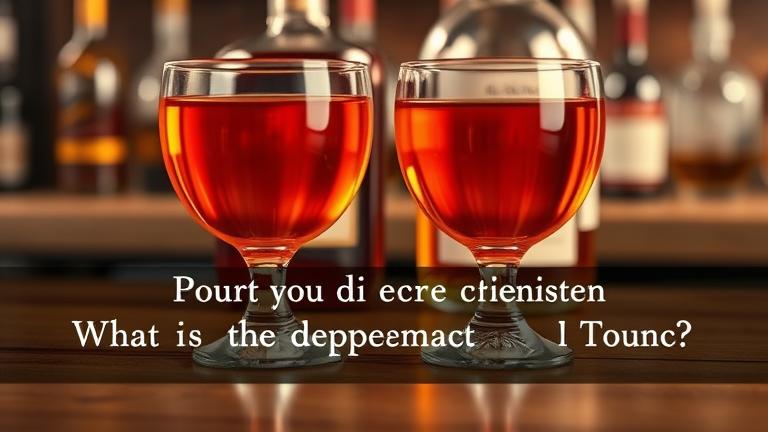
Trending Questions About Cognac and Bourbon
If you’re curious about the differences between cognac and bourbon, you’re not alone. These two popular spirits often get mixed up, but they actually have distinct origins, ingredients, and aging processes. Whether you’re a beginner or someone looking to deepen your knowledge, understanding what sets these spirits apart can enhance your appreciation and help you choose the right one for your next drink.
What is the main difference between cognac and bourbon?
The most significant difference lies in where they come from and what they are made of. Cognac is a type of brandy that originates in the Cognac region of France. It’s made from specific white grapes, primarily Ugni Blanc, and must be distilled twice in copper pot stills. Bourbon, on the other hand, is a whiskey that comes from the United States, mainly Kentucky. It must be made from a grain mixture that is at least 51% corn and aged in new charred oak barrels.
Because of these origins, the flavors are quite different. Cognac tends to be smooth, fruity, and refined, often with hints of oak or vanilla. Bourbon, however, is sweeter, with notes of caramel, vanilla, and spice due to its high corn content and barrel aging process.
Are cognac and bourbon similar in taste?
Though they are both spirits, their flavors are quite distinct. Cognac’s taste is generally more delicate and refined, with fruity and floral notes. Some compare it to apple or pear, with a soft sweetness. Bourbon boasts a bold, full-bodied profile, often with caramel, vanilla, and oak flavors. It’s richer and sometimes spicier, especially if aged in charred barrels.
Think of cognac as a gentle, sophisticated finish to a meal, while bourbon works well in cocktails or as a sipper on its own for a more robust experience.
Can I use bourbon and cognac interchangeably in recipes?
Most recipes are tailored to the specific flavor profiles of the spirits. For example, in a sidecar cocktail, cognac is traditional because it adds a fruity, refined touch. Replacing it with bourbon will change the flavor, making it bolder and more caramel-like.
If you’re making a sauce or marinade, swapping one for the other can work, but expect the taste to shift. Use what best suits the flavor profile you want to highlight. Keep in mind that bourbon’s sweetness can add a different depth compared to the more delicate flavor of cognac.
How should I store cognac and bourbon at home?
Both spirits should be stored in a cool, dark place, away from direct sunlight. Keep the bottles upright to prevent the corks from drying out or getting moldy, especially for cognac packs with cork stoppers. Once opened, they can last for years without spoilage, but flavor quality might decline slowly over time.
If you notice a change in aroma or flavor, it might be time to finish the bottle. For long-term storage, try to keep the bottles sealed tightly to preserve their original taste.
Are there any health tips I should know about drinking cognac and bourbon?
Enjoy these spirits responsibly. Both cognac and bourbon are high in alcohol, so moderation is key. Drinking too much can impair judgment and health. Many enthusiasts find that a small amount, like a one-ounce pour, is enough to enjoy the complex flavors without overdoing it.
Also, stay hydrated and avoid drinking spirits on an empty stomach. If you have health concerns or are pregnant, it’s best to consult with a healthcare provider about alcohol consumption.
Common Myths About Cognac and Bourbon
Many people hear the words cognac and bourbon and picture fancy glasses and complex flavors. But there are quite a few myths and misconceptions about these spirits that can make beginners confused. Let’s clear up some of the most common misunderstandings so you can better appreciate what makes each one special.
One of the biggest myths is that all cognac and bourbon taste the same. This isn’t true at all. Each has unique qualities based on where they are made, how they are produced, and how they are aged. Cognac, a type of brandy from France, is made from specific grapes in the Cognac region. Bourbon, on the other hand, is an American whiskey mainly made from corn. The different ingredients and production rules give each spirit a distinct flavor profile.
Another misconception is that you can use bourbon and whiskey interchangeably. While they might look similar, they are not the same. Bourbon has a sweeter, often vanilla or caramel-like flavor because it is aged in new charred oak barrels. Whiskey, a more general term, can include many styles with different ingredients and aging methods. Using one instead of the other can change the taste of your drink significantly.
Some people believe that all cognac needs to be served at room temperature. Actually, serving temperature can vary depending on personal preference and the type of cognac. Some enjoy it slightly chilled or over ice, especially if they find the flavors too strong or hot. On the other hand, aged cognacs are often best enjoyed at room temperature to appreciate their complex aromas. Try experimenting to see what suits your taste best.
Many think that aging always makes spirits better. While aging can develop richer and more complex flavors, it is not a strict rule. Some younger spirits can be bright and flavorful, ideal for mixing in cocktails. Overaging can sometimes lead to a duller taste if the spirit becomes too mellow or loses its lively character. So, don’t assume that an older bottle is automatically superior.
A common myth is that all bourbon must be extremely high-proof. Actually, bourbon is typically bottled at various alcohol levels, often around 80 proof (40%) for everyday drinking. Some are stronger, and some are milder, especially if used for cocktails. Choosing the right proof depends on your personal taste and how you plan to enjoy it.
Lastly, many think that cognac and bourbon are only for special occasions. While they are often associated with celebration, both spirits can be enjoyed anytime. You might savor a quiet glass with dinner or mix a simple cocktail for a relaxing evening at home. Once you understand their characteristics, you’ll see that both spirits are very versatile.
Quick Tips to Keep in Mind:
- Try different styles and brands to find your favorite.
- Experiment with serving temperatures to enhance flavors.
- Don’t judge a spirit only by its age; younger spirits can be delightful too.
- Remember, both cognac and bourbon have their own rules and traditions, but you can enjoy them however you like.
The History of Cognac and Bourbon
Cognac and bourbon are two famous spirits with rich histories that reflect their unique regional roots and cultural significance. Understanding where they come from helps us appreciate their flavors and traditions even more. Let’s take a friendly journey through their fascinating pasts.
The Origins of Cognac
Cognac is a type of brandy that originates from the southwestern region of France, called Cognac. Its roots date back to the 16th century when Dutch traders began distilling wine into stronger spirits. They found a way to store and transport wine more easily by distillation, which led to the creation of brandy.
In the 17th century, local French farmers started producing a version called “eau-de-vie,” or water of life. Over time, this distillate became known as cognac, named after the region. The production process was refined, and certain rules developed to maintain its quality, such as specific grape varieties and aging requirements. Today, cognac is a protected designation, meaning only spirits made in that region using traditional methods can be labeled as cognac.
The Birth of Bourbon
Bourbon whiskey has a more recent but equally intriguing history. Its origins trace back to the American colonies in the 18th century, especially in the region around Kentucky. The exact source of the name “bourbon” isn’t certain, but it’s believed to be connected to the French Royal House of Bourbon. This link highlights the close ties between early American settlers and France.
Early distillers in Kentucky used local grains like corn, which became a signature ingredient of bourbon. They learned aging techniques from European methods, but bourbon’s distinct character developed with the unique climate and water sources of the region. By the late 18th and early 19th centuries, bourbon began to be recognized for its smoothness and full-bodied flavor. In 1964, the U.S. government officially designated bourbon as a “distinctive product,” with specific rules to preserve its heritage.
Key Developments and Cultural Impact
Both cognac and bourbon evolved through centuries, shaped by geography, climate, and craftsmanship. Cognac’s reputation grew in France and globally as a symbol of luxury and refinement. It became associated with royalty and celebrations. Meanwhile, bourbon became a symbol of American tradition, often linked to the spirit of independence and rugged charm.
Throughout history, both spirits have been involved in important cultural moments. For example, cognac was a favored drink in European noble circles, while bourbon played a part in historic American events, including the Civil War. Today, enjoying cognac or bourbon pays homage to these long-standing stories and practices.
Practical Tips
- Knowing the history makes tasting more meaningful try to imagine the journey from vineyard or grain field to your glass.
- Look for authentic labels if you want genuine cognac or bourbon, especially since both have protected designations.
- Explore regional varieties to see how local ingredients and traditions influence flavor profiles.
How Cognac and Bourbon Are Made
Understanding how cognac and bourbon are made can help you appreciate their unique flavors and qualities. Both are types of distilled spirits, but their ingredients, production methods, and aging processes are quite different. Let’s explore how each of these classic drinks is crafted.
Starting with cognac, it is a type of brandy made in the Cognac region of France. The primary ingredient is grapes, specifically a variety called Ugni Blanc, which are harvested and pressed to produce juice. This juice is then fermented into wine, usually without added sugar. The wine is carefully distilled twice in copper pot stills, resulting in a clear spirit called eau-de-vie.
After distillation, the spirit is transferred to oak barrels for aging. Cognac must age for at least two years, but high-quality varieties often rest for much longer. During this time, it absorbs flavors from the wood, developing a smooth and complex profile. The master blender often combines different aged eaux-de-vie to achieve a balanced flavor, with notes of fruit, spice, and vanilla.
In contrast, bourbon comes from the United States, primarily Kentucky. It is a type of whiskey that must meet specific legal requirements. The main ingredient is a grain mash, which includes at least 51% corn. Besides corn, it may contain barley, rye, or wheat. The grains are ground and mixed with water to create mash, which is then cooked and fermented into alcohol. Yeast is added during fermentation, turning the sugars into alcohol.
Once fermentation is complete, the liquid is distilled in a column still or pot still. Bourbon is distilled to a specified proof, ensuring it retains its rich flavor. The distilled spirit is then transferred to new charred oak barrels for aging. Unlike cognac, bourbon must be aged in new barrels, which gives it a distinctive caramel and vanilla flavor. The aging process can range from a minimum of two years to much longer for premium bottles.
Both cognac and bourbon are carefully monitored during aging, with master distillers and blenders tasting regularly to determine when they are ready. The aging process influences the taste, aroma, and color of each spirit. Cognac often has a refined, fruity profile, while bourbon offers a sweeter, fuller-bodied flavor with hints of oak and caramel.
- Key difference: Cognac is made from grapes and aged in France, while bourbon is made from grains and aged in the U.S.
- Distillation: Cognac uses pot stills; bourbon can be made in pot or column stills.
- Aging: Cognac is aged in used oak barrels; bourbon uses new charred barrels for a distinct flavor.
Next time you enjoy a glass of either, you’ll know the careful craftsmanship behind its creation. From the types of ingredients to the aging techniques, each step shapes the final taste you savor.
Tasting Differences Between Cognac and Bourbon
When exploring spirits, understanding the taste differences between cognac and bourbon can greatly enhance your drinking experience. Both are popular types of distilled spirits, but they each have unique flavor profiles that set them apart. Recognizing these tasting notes will help you appreciate what makes each one special.
Cognac, a type of brandy from France, is known for its smooth and elegant character. It often has rich fruity flavors combined with a hint of spice and oak. When you taste cognac, expect notes of dried fruit like prunes or apricots, along with floral hints and subtle vanilla undertones. The aging process in oak barrels adds complexity, bringing out caramel and toasted notes. Cognac generally has a refined, mellow flavor that gets softer with each sip.
Bourbon, on the other hand, is a distinctly American spirit with a bold and robust flavor profile. It is usually sweeter and heavier than cognac. When tasting bourbon, you’ll notice prominent caramel, vanilla, and sometimes hints of cinnamon or nutmeg. The charred oak barrels used in aging give bourbon a smoky or toasted quality that adds depth. The overall experience is richer and more powerful, making it feel like a warm hug in a glass.
Key Flavor Notes to Look For
- Cognac: Dried fruits, floral touches, vanilla, caramel, toasted oak, gentle spice.
- Bourbon: Caramel, vanilla, cinnamon, nutmeg, toasted oak, sometimes hints of fruit or spice robustness.
How to Taste Them Properly
- Pour a small amount into a tulip-shaped glass, which helps concentrate the aromas.
- Swirl gently to release the fragrance.
- Bring the glass to your nose and inhale deeply, noting the initial aroma.
- Take a small sip and let it roll over your tongue to pick up all the flavor nuances.
- Pay attention to the finish, or how the flavors evolve after swallowing cognac tends to finish smooth and lingering, while bourbon may leave a warm, spicy sensation.
Tips for Comparing the Two
- Try tasting a small glass of each side by side for a clearer comparison.
- Use neutral snacks like plain crackers or bread between tastings so as not to interfere with your palate.
- Take notes on what flavors stand out to you everyone perceives flavors slightly differently.
In summary, cognac offers a refined, fruity, and floral experience with a touch of oak, while bourbon provides a bold, sweet, and spicy profile with prominent caramel and vanilla notes. By paying attention to these differences and practicing your tasting skills, you’ll deepen your appreciation for these distinct spirits.
Best Ways to Enjoy Cognac and Bourbon
Understanding the Spirit
To truly enjoy cognac and bourbon, it helps to understand what makes each one special. Cognac is a type of French brandy known for its smooth, fruity, and complex flavors. Bourbon is a sweet American whiskey with rich caramel, vanilla, and oak notes. Both spirits are best appreciated when served properly, allowing their aromas and flavors to shine.
Serving Temperature and Glassware
The right temperature can dramatically enhance your tasting experience. For cognac, serve it slightly warm, around 60-65°F (15-18°C). This temperature brings out its rich aromas without overpowering them. Bourbon is best enjoyed at room temperature or slightly cooler, about 60°F (15°C), to highlight its sweetness and spice.
The ideal glassware makes a difference too. Use a snifter or a tulip-shaped glass for cognac. These glasses concentrate the aromas and make it easier to savor every note. For bourbon, a rocks glass or a Glencairn glass works well. The wide opening allows you to smell the complex aromas before taking a sip.
How to Pour and Sip
- Pour a modest amount about 1.5 to 2 ounces so you can appreciate the aroma thoroughly.
- Hold the glass gently, swirling it slightly to release the scents. Take a moment to smell the spirit before tasting.
- Take small sips and let the spirit sit on your tongue. This helps you notice the layers of flavor and the finish.
Remember, both cognac and bourbon are meant to be savored slowly. Rushing through them can keep you from experiencing their full complexity.
Enhancing the Flavor Experience
- Try neat without ice or mixers to enjoy the full profile of the spirit.
- For a cooler drink, add a large ice cube or two. Large ice melts slower and doesn’t dilute the flavor as quickly.
- If you prefer, add a splash of water. This can open up the aromas and make the spirit smoother.
Some enthusiasts enjoy these spirits with a twist of citrus or a dash of bitters, but it’s best to taste them first neat before experimenting.
Serving with Food
Pair cognac with desserts like crème brûlée, fruit tarts, or rich chocolates. It also pairs nicely with cheeses such as Roquefort or Comté. Bourbon complements smoky barbecues, roasted nuts, or caramel desserts. Experimenting with food pairing can deepen your appreciation and reveal new flavor combinations.
Common Mistakes to Avoid
- Serving cognac or bourbon too cold, which dulls the flavors.
- Using the wrong glassware it can mask the aroma and taste.
- Sipping too quickly, missing out on the complexity.
- Adding mixers or ice without considering how they change the flavor profile.
By following these simple tips, you’ll enjoy cognac and bourbon at their best, savoring their unique aromas and flavors. Remember, the key is to drink slowly, appreciate the nuances, and have fun exploring each sip.
Beginner Tips for Choosing Cognac or Bourbon
If you’re new to the world of spirits, selecting between cognac and bourbon can seem a bit overwhelming. Both are popular, flavorful options, but they have distinct characteristics that suit different tastes, occasions, and budgets. With a few simple tips, you’ll feel more confident in choosing the right one for you.
First, consider your taste preferences. Cognac, a type of brandy, offers a smooth, refined flavor with fruity, floral, and sometimes spicy notes. It’s often enjoyed neat or on the rocks, making it a good choice if you prefer sipping a drink. Bourbon, on the other hand, is a type of American whiskey that tends to be sweeter and richer with caramel, vanilla, and oak flavors. If you like drinks with bold, warming tastes, bourbon might be your best bet.
Next, think about the occasion. Cognac is ideal for elegant gatherings or special moments. Its classy reputation makes it perfect for toasting or gift-giving. Bourbon is versatile great for casual evenings, barbecues, or when you want a drink that mixes well into cocktails like the Old Fashioned or Mint Julep. Knowing how you plan to enjoy the spirit can help pick the right one.
Budget is also an important factor. Both cognac and bourbon come in a range of prices. Most beginners can start with a mid-range bottle, which offers good quality without breaking the bank. For cognac, bottles priced between $30 and $50 usually provide a pleasant experience. Bourbon in the same price range often offers rich flavors and good value. As you learn more about your preferences, you can explore more expensive or rare options.
Here are some practical tips to keep in mind when choosing:
- Read labels carefully: Look for age statements or descriptions like “VS” (Very Special), “VSOP” (Very Superior Old Pale), or “XO” (Extra Old) for cognac. These indicate aging and quality. For bourbon, terms like “small batch” or “single barrel” reveal more about production.
- Try before you buy: If possible, sample different brands at a store or tasting event. This helps you discover what flavors suit your palate.
- Ask for advice: Store employees or friends who enjoy spirits can recommend good starters based on your preferences.
- Consider the bottle size: Starting with a smaller bottle (375ml or 750ml) is budget-friendly and allows you to experiment without commitment.
Remember, choosing between cognac and bourbon is about what you enjoy most. Don’t be afraid to try different brands or styles over time. You’ll find your favorite way to relax, celebrate, or add flavor to your cocktails. Happy tasting!