
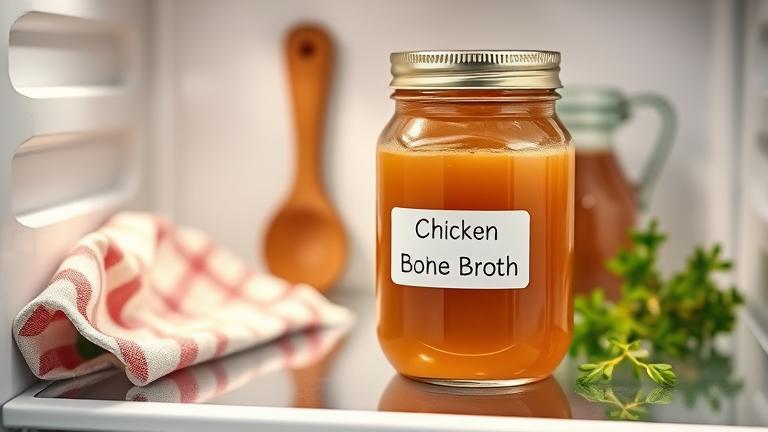
How Long Is Chicken Bone Broth Fresh?
When you make homemade chicken bone broth, you want to enjoy its delicious, nutritious flavor at its best. Knowing how long it stays fresh in the refrigerator is key to getting the most out of your effort. Proper storage helps ensure your broth remains safe to eat and retains its taste and nutrients.
Generally, homemade chicken bone broth stays fresh in the refrigerator for about 3 to 4 days. This timeline applies when you store it correctly in an airtight container. After cooking, let the broth cool down to room temperature before sealing and refrigerating. This helps prevent bacterial growth and keeps the broth tasting fresh.
Tips for Proper Storage
- Use clean, airtight containers to store your broth. Glass jars with lids or plastic containers with tight-fitting lids work well.
- Label the container with the date you made the broth. This helps you keep track of how long it has been in the fridge.
- Keep the broth at or below 40°F (4°C). Use a refrigerator thermometer if you’re unsure about your fridge’s temperature.
- Store the broth away from raw meats or other foods with strong odors to prevent cross-contamination or flavor transfer.
Checking if Your Chicken Bone Broth is Still Good
Before using leftover broth, give it a quick smell and visual check. Fresh broth should smell savory and clean. If it has a sour or off-putting odor, it’s best to discard it.
You can also look for signs of spoilage, such as a cloudy appearance, mold, or a slimy texture. If you see any of these, do not taste or use the broth. When in doubt, it’s safer to throw it out to avoid food poisoning.
Freezing for Longer Storage
If you don’t plan to use the broth within 3 to 4 days, consider freezing it. Properly frozen chicken bone broth can last 2 to 3 months in the freezer. Just ensure you pour it into freezer-safe containers or ice cube trays for easy portioning. Remember to leave some space at the top of containers to allow for expansion during freezing.
Summary of Storage Durations
| Storage Method | Duration |
|---|---|
| Refrigerator | 3 to 4 days |
| Freezer | 2 to 3 months |
By following these storage tips, you’ll maximize the freshness of your chicken bone broth and enjoy its rich flavors safely. Remember, when in doubt, it’s better to be cautious and discard broth if you suspect it’s gone bad. Proper storage keeps your homemade broth tasting its best and safeguards your health.
Tips for Storing Bone Broth Safely
Storing your homemade chicken bone broth properly is important to keep it fresh and safe to consume. When you’ve cooked a batch, the right storage methods help preserve its rich flavor and prevent spoilage. Whether you plan to enjoy it within a few days or store it for later, these practical tips will guide you.
First, choose the right containers for storing your bone broth. Glass jars or BPA-free plastic containers with tight-fitting lids work well. They are sturdy, safe for freezing, and won’t absorb flavors or odors. Avoid using regular plastic bags for long-term storage, as they can easily leak or get damaged. If you’re short on containers, you can also use ice cube trays to portion out small amounts for quick use later.
Before pouring the broth into containers, let it cool down to room temperature. Hot liquid can cause condensation inside the container, which may lead to spoilage or mold growth. You can speed up cooling by placing the containers in an ice bath or setting them in the fridge for a short while. Just make sure the broth isn’t still steaming hot before sealing it up.
Label each container with the date when you stored the broth. This helps you keep track of how long it has been in the fridge or freezer. Write the date on a piece of tape and stick it to the container, or use a marker directly on the lid. Remember, storage time matters for safety and flavor.
In the refrigerator, bone broth can last up to 4 to 5 days. Make sure your fridge is set below 40°F (4°C) to prevent bacterial growth. When using broth within this time, reheat only the amount you plan to use, and bring it to a boil before adding it to your recipes. This helps kill any bacteria that may have developed.
If you want to store broth for longer, freezing is the best option. Frozen bone broth stays good for about 3 to 6 months. For easy use, freeze the broth in small portions around ½ cup or 1 cup so you can defrost only what you need. Keep the containers in the back of the freezer, where the temperature stays more consistent. Avoid opening the freezer door repeatedly, as temperature fluctuations can affect the broth’s quality.
When you’re ready to use frozen broth, thaw it safely by transferring it to the fridge overnight. Alternatively, you can thaw it quickly using a microwave or placing the container in a bowl of warm water. Do not leave broth out at room temperature for too long, as this can promote bacteria growth. Once thawed, consume within 24 hours and reheat thoroughly.
- Always store broth in airtight containers to prevent spills and contamination.
- Label containers with the date to avoid keeping broth past its safe period.
- Use the refrigerator for short-term storage, and freeze for longer storage.
- Thaw frozen broth in the fridge or microwave, not at room temperature.
Following these simple storage tips ensures your bone broth remains delicious, nutritious, and safe to enjoy whenever you want a comforting sip or ingredient for your recipes.
Signs Your Broth Has Spoiled
Keeping an eye on your broth is important to prevent food waste and avoid getting sick. Whether you’ve homemade the broth or bought it from the store, knowing how to tell if it has gone bad can save you time and trouble. Spoiled broth can sometimes be hard to spot right away, so paying attention to visual, smell, and taste clues is a good habit.
1. Visual Changes
The first sign that your broth might be spoiled is in its appearance. Fresh broth is usually clear or slightly cloudy, with a consistent color. If you notice any of these visual cues, it’s best to discard it:
- Cloudiness or murkiness: If the broth becomes noticeably murky or thick, it could be a sign of bacteria or mold growth.
- Discoloration: A change in color, such as a dull or brownish hue, may indicate spoilage.
- Unusual particles or mold: Spotting mold, fuzzy growth, or floating debris on the surface means the broth has gone bad.
- Separation of fats or liquids: Excessive separation or a slimy film floating on top can also point to spoilage.
2. Smell Indicators
Your nose is a powerful tool for checking broth safety. Fresh broth should smell savory, meaty, or like vegetables, depending on its ingredients. If it smells off or unpleasant, take it seriously:
- Rotten or sour scent: A strong, funky, or sour smell indicates bacterial growth and spoilage.
- Putrid odor: A truly foul, decomposing smell is a clear sign the broth is no longer safe to consume.
- Unusual odors: Any strange or different smell that wasn’t there when you first cooked or bought the broth should be considered a warning.
3. Taste Clues
While it’s best not to taste broth if you’re unsure about its safety, if you do, remember that spoiled broth will have a strange or sour taste. If the flavor seems off or different from what you expected, it’s safer to toss it. Never taste broth that looks or smells suspicious, as it could cause illness.
Practical Tips for Safety
- Store broth properly: Keep broth refrigerated at or below 40°F (4°C), and use it within a few days for homemade varieties. Store-bought broth often has a longer shelf life, but always check the expiration date.
- Use airtight containers: Store broth in sealed containers to prevent contamination.
- Follow the “when in doubt, throw it out” rule: If you’re unsure whether broth is safe, it’s better to discard it. Food poisoning is not worth the risk.
- Label older broth: Write the date you made or opened the broth so you know how long it’s been stored.
Best Methods to Reheat Broth
Reheating broth might seem simple, but doing it the right way helps preserve its rich flavor and keeps it safe to eat. Whether you’re warming up leftover chicken, beef, or vegetable broth, choosing the best method can make a big difference. With these friendly tips, you can enjoy your broth just as delicious as when it was first made.
Gentle Stovetop Reheating
This is the best method for maintaining the broth’s flavor and aroma. Start by pouring the amount of broth you want to reheat into a saucepan. Place the pan over medium-low heat. Slowly bring the broth to a gentle simmer, about 165°F (74°C). Stir occasionally to prevent sticking and ensure even heating.
Use a lid to help heat evenly and keep the broth from evaporating too quickly. Once it reaches the right temperature, it’s ready to serve. This method takes a few minutes, but it offers control to prevent boiling over or scorching.
Microwave Reheating
Microwaving is quick and convenient, perfect for small portions. Transfer the broth into a microwave-safe bowl or container. Cover it with a microwave-safe lid or a paper towel to avoid splatters. Use medium power and heat in 1-minute intervals.
Stir the broth after each interval to distribute the heat evenly. Check the temperature and continue microwaving until steaming hot, around 165°F (74°C). Be cautious not to overheat, which can cause the broth to boil over or lose flavor.
Slow Cooker or Crockpot
If you have a large batch, reheating in a slow cooker works very well. Set it to low or warm, and pour in your broth. Let it heat slowly for about an hour, stirring occasionally. This gentle process keeps the broth hot without risking scorching or boiling over.
This is ideal if you want to keep your broth hot over a period of time, like during a meal or party. Just make sure it’s heated thoroughly to safety standards.
Important Safety Tips
- Always reheat broth to at least 165°F (74°C) to kill any bacteria.
- If reheating multiple times, try to do so within 2-3 days after initially cooking.
- Do not leave reheated broth at room temperature for more than two hours to avoid bacterial growth.
- Store leftover broth in airtight containers in the refrigerator for up to 3-4 days.
Common Mistakes to Avoid
- Reheating broth until it boils vigorously, which can strip away flavor.
- Shoving hot broth straight into the fridge without cooling first, increasing bacterial risk.
- Reusing the same broth multiple times without proper reheating or storage, which can compromise safety.
Reheating broth the right way makes a big difference in taste and safety. Whether using the stove, microwave, or slow cooker, gentle heating to the right temperature will keep your broth flavorful and nutritious. Enjoy your warm, comforting bowl of broth anytime!
Nutritional Benefits of Homemade Broth
Making your own chicken bone broth at home is a fantastic way to boost your health and enjoy a delicious, nutritious meal. This homemade broth is packed with essential nutrients that can support your overall wellness and add flavor to many dishes.
One of the main benefits of chicken bone broth is its rich supply of collagen. Collagen is a protein that helps keep your skin firm, supports joint health, and promotes healthy digestion. When you simmer bones for hours, the collagen breaks down into amino acids like glycine and proline, which your body can absorb and use.
In addition to collagen, homemade broth contains valuable minerals such as calcium, magnesium, phosphorus, and potassium. These minerals are important for strong bones, muscle function, and maintaining a healthy balance of fluids in your body. Drinking broth can be especially helpful if you want to replenish minerals lost during exercise or illness.
Another key advantage is the presence of amino acids, the building blocks of protein. Amino acids like glycine help improve sleep, reduce inflammation, and support detoxification. Bone broth also contains glucosamine and chondroitin, compounds that are known to promote joint health and may relieve symptoms of arthritis.
Homemade broth is low in calories but high in nutrients, making it an excellent choice for those looking to nourish their body without excessive calories. Plus, it’s naturally free of additives and preservatives often found in store-bought varieties.
Consuming broth regularly can also enhance your immune system. The minerals and amino acids in chicken bone broth support the production of white blood cells and help your body fight off colds and infections. Some people find that sipping warm broth during cold seasons provides comfort and wellness benefits.
It’s important to keep in mind that the nutritional content can vary depending on how long you simmer the bones, the types of bones used, and whether you add vegetables and herbs. Adding vegetables like carrots, celery, and onions not only boosts flavor but also increases vitamin content, especially vitamin C and antioxidants.
For maximum benefit, aim to simmer your broth for at least 8 hours. This slow cooking helps extract the maximum nutrients from the bones. You can store homemade broth in the fridge for up to five days or freeze it in portions for later use.
- Remember to use high-quality bones, ideally from organic or pasture-raised chickens, for the best nutrient profile.
- Adding apple cider vinegar during cooking helps draw out minerals from the bones.
- Skim off any foam or impurities that float to the top for a clearer, cleaner broth.
In summary, homemade chicken bone broth is a nourishing addition to your diet that provides a wealth of health benefits. Its rich blend of proteins, minerals, and other compounds supports digestion, joint health, immunity, and overall vitality. Incorporating it into your weekly meals can be a simple yet powerful way to boost your wellness naturally.
Freezing Bone Broth for Longer Storage
Freezing bone broth is a smart way to keep it fresh and flavorful for future meals. Proper storage ensures you can enjoy the nutritious benefits and rich taste whenever you need them. Whether you’ve made a large batch or want to save leftovers, knowing how to freeze bone broth correctly is key.
When freezing bone broth, the main goals are to prevent freezer burn and maintain its quality. This means packaging it well and choosing the right containers. Let’s go over simple steps to freeze your broth effectively.
Preparing Bone Broth for Freezing
- Allow the broth to cool completely before freezing. Hot broth can raise the temperature inside your freezer, affecting other frozen foods.
- Skim off any excess fat from the surface if you prefer a leaner broth, but leaving some fat can help preserve the flavor.
- Decide on portion sizes that suit your typical use. Smaller portions freeze and defrost faster and help prevent waste.
Choosing the Right Containers
- Use airtight containers made for freezing, such as heavy-duty plastic containers or glass jars with tight lids.
- If using plastic bags, pour the broth into them, lay them flat until frozen, then stand them up for easy stacking.
- Leave some headspace in containers about an inch since liquids expand as they freeze.
Freezing Tips for Best Results
Pour the cooled broth into your chosen containers, leaving space for expansion. Seal tightly to prevent air from getting in, which can cause freezer burn.
Label each container with the date of freezing. This helps you keep track of how long the broth has been stored. Bone broth can generally be frozen for up to 6 months without losing much flavor or nutritional value.
Thawing and Using Frozen Bone Broth
- Plan ahead and thaw the broth in the refrigerator overnight for the best quality.
- If you need it quickly, you can thaw it in a bowl of warm water or use the microwave’s defrost setting. Just be sure to use the broth immediately after thawing.
- Reheat on the stove or in the microwave until steaming hot.
Precautions and Tips
- Avoid refreezing broth that has been thawed once unless you reheat it thoroughly first. This helps prevent bacteria growth.
- Don’t fill containers completely to the top leave some space for the broth to expand during freezing.
- For convenience, consider freezing broth in ice cube trays for small amounts. Once frozen, transfer the cubes into a freezer bag. This way, you can add small portions directly into stews or sauces.
By following these simple steps, you can store your bone broth safely and efficiently. Proper freezing ensures each batch maintains its rich flavor and health benefits, ready to enhance any dish you prepare.
Can You Extend Broth Shelf Life?
When you make homemade chicken bone broth, you want it to stay fresh and safe for as long as possible. Extending the shelf life of your broth means you can enjoy its rich flavor without worry. Luckily, there are simple tips and methods to help keep your broth fresh longer.
The most important step is proper storage. Once your broth has cooled down after cooking, don’t leave it sitting out at room temperature. Bacteria can grow quickly in warm environments, making the broth unsafe to enjoy. Instead, transfer it into clean, airtight containers. Glass jars, plastic containers with tight-fitting lids, or even resealable freezer bags work well.
Another key tip is to–