
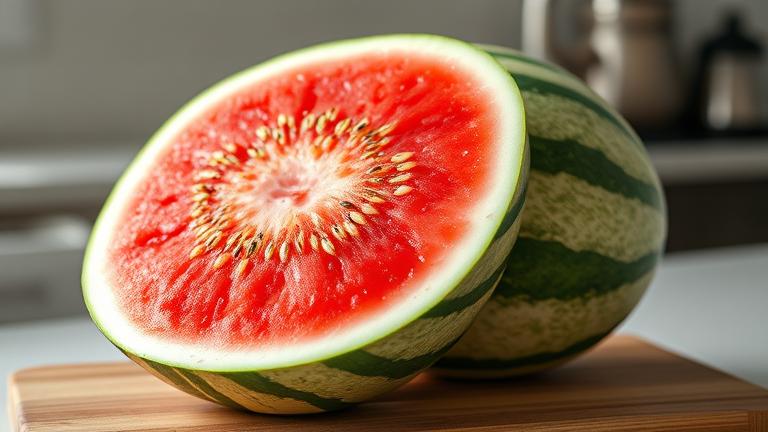
How to Tell If Watermelon Is Fresh
Choosing a fresh watermelon can make a big difference in how tasty and juicy your fruit will be. When shopping or preparing to eat watermelon, it’s helpful to know what signs indicate that it is still good to enjoy. Fresh watermelon not only looks appealing but also smells and feels just right. Let’s explore the key indicators to help you pick a ripe, refreshing piece every time.
Look at the Appearance
The first thing to check is the watermelon’s appearance. A ripe watermelon usually has a firm, symmetrical shape without irregular bumps or dents. Avoid fruits that look misshapen or have cracks, as these can be signs of poor quality or early spoilage.
- Color: The outer rind should be deep green with contrasting darker stripes. It should not look faded or dull, which can indicate age.
- Field Spot: Look for a creamy, light yellow spot on the bottom of the melon. This is where it rested on the ground and is a good sign of ripeness. A white or very pale spot might mean the watermelon was harvested too early.
- Surface: The rind should be hard and tough, not soft or dull. Avoid watermelons with shiny, slimy patches or wrinkled skin.
Smell the Watermelon
Fresh watermelon has a subtle, clean scent. When you sniff near the stem end, you should notice a sweet, fresh aroma. If it smells sour, sour or moldy, it’s best to put it back. A strong fragrance can sometimes mean the melon is overly ripe or starting to spoil.
Feel the Texture
The texture of a good watermelon is firm and solid when pressed lightly. It should feel heavy for its size, indicating it is full of juice. If the watermelon feels soft, mushy, or leaves indentations easily, it might be overripe or beginning to spoil. Also, check the rind for any soft spots or cracks, which could allow bacteria to enter and accelerate deterioration.
Additional Tips for Selecting Watermelon
- If possible, pick up a few watermelons to compare weight and firmness. The heavier one is likely to be juicier.
- Beware of watermelons with bruises, cuts, or mold. These are signs of damage or spoilage.
- Give the watermelon a gentle tap – a ripe one often sounds hollow, while unripe or overripe fruit can sound dull.
Common Mistakes to Avoid
- Choosing based purely on color bright green isn’t always ripe.
- Ignoring the smell never rely solely on appearance.
- Buying watermelons with soft spots or cracks that could indicate damage or beginning spoilage.
By paying attention to appearance, smell, and texture, you can confidently select a fresh, delicious watermelon. A little extra care at the store helps ensure every slice is juicy, sweet, and perfect for your summer snacks or salads.
Proper Storage Methods for Watermelon
Storing watermelon correctly can keep it fresh and delicious for longer. Whether you have a whole watermelon or just leftover slices, knowing the right techniques helps prevent spoilage and waste. Watermelon is best enjoyed when it’s sweet, crisp, and juicy. Proper storage methods are simple and can make a big difference in taste and texture.
If you plan to eat the whole watermelon within a few days, keep it uncut at room temperature. This allows it to stay ripe and juicy. However, once you cut into the watermelon, it becomes more vulnerable to spoilage. That’s when cold storage becomes important.
Storing Whole Watermelon
- Temperature: Keep the whole watermelon in a cool, dry place away from direct sunlight. A pantry or cellar works well. Ideally, store it at around 50-60°F (10-16°C). Temperatures that are too warm can cause it to spoil faster, while too cold might affect the texture.
- Container: Use a clean, breathable container or leave it uncovered in a well-ventilated area. If you prefer, you can place the watermelon on a tray or rack to avoid contact with cold surfaces that could cause condensation, leading to mold.
- Duration: A whole watermelon can stay fresh for about 7-10 days when stored properly. Check it regularly for any signs of soft spots or mold.
Storing Cut Watermelon
Once sliced, watermelon should be refrigerated quickly to prevent bacteria growth. Wrap the slices tightly in plastic wrap or place them in an airtight container. This keeps moisture in and prevents the watermelon from drying out or absorbing other odors from the fridge.
Ideal Temperature for Cut Watermelon
The refrigerator should be set between 35-40°F (1-4°C). This cold environment slows bacteria growth and maintains the fruit’s freshness. Avoid storing cut watermelon in the door of the fridge, as the temperature there can fluctuate due to frequent opening.
Container Choices
- Plastic containers: Use food-grade, airtight containers with a secure lid. They prevent contamination and help retain moisture.
- Plastic wrap or foil: Wrap slices tightly in plastic wrap, making sure there are no air pockets. This helps keep the slices juicy and prevents them from picking up fridge odors.
- Reusable beeswax wraps: These are an eco-friendly option that provides a good seal and natural breathability.
Additional Storage Tips
- Label leftovers: Mark the date you stored the watermelon to keep track of freshness.
- Keep away from strong odors: Watermelon readily absorbs other smells. Store it away from pungent foods like onions or garlic.
- Use within a few days: For the best taste and texture, try to eat cut watermelon within 3 to 4 days of refrigeration.
Following these easy storage tips ensures that your watermelon stays fresh, juicy, and delicious for as long as possible. Proper storage not only enhances flavor but also helps you get the most enjoyment from your favorite summer fruit.
How Long Does Watermelon Stay Good?
Watermelon is a favorite summer treat, juicy and refreshing. If you’ve just bought a watermelon or cut into one, you might wonder how long it stays fresh and safe to eat. Knowing how to store watermelon properly can help you enjoy it at its best for as long as possible. Here, we’ll cover how long watermelon lasts under different conditions and share tips to extend its freshness.
When kept in the right conditions, whole, uncut watermelon can stay fresh for about one to two weeks. This depends on how fresh it was when purchased and how it’s stored. If you leave a whole watermelon at room temperature, it will only last a few days before it starts to spoil. For longer storage, it’s best to keep it in the fridge.
Once you cut into a watermelon, its shelf life drops. Cut watermelon typically stays good for about three to five days in the fridge. It’s important to handle it carefully to prevent spoilage and bacterial growth. Always cover your cut watermelon tightly with plastic wrap or store it in an airtight container. This keeps it from drying out or absorbing fridge odors.
Here are some tips to help extend the freshness of your watermelon:
- Keep it cold: Store uncut watermelon in the refrigerator for up to two weeks. The cold slows down bacteria and mold growth.
- Store cut watermelon properly: Cover it tightly or use a sealed container to avoid it drying out and picking up other fridge smells.
- Avoid leaving it out: Don’t keep cut watermelon at room temperature for more than two hours. Bacteria grow quickly at warm temperatures.
- Check regularly: Before eating, inspect for any signs of spoilage, like an off smell, slimy texture, or mold.
If you notice your watermelon is starting to spoil, it’s best to toss it out. Signs include an unpleasant sour smell, sticky or slimy flesh, or mold spots. Eating spoiled watermelon can lead to food poisoning, so it’s better to be safe.
For maximum freshness, buy watermelon that feels heavy for its size and has a firm, smooth rind. Once cut, aim to consume it within three days for the best taste and safety. If you won’t finish it in time, consider freezing some pieces for smoothies or cold treats later on.
In summary, whole watermelon can last up to two weeks in the fridge, while cut pieces are good for about three to five days. Proper storage and handling are key to enjoying fresh, delicious watermelon whenever you crave it. Keep it cold, cover it well, and check for spoilage to ensure every bite is safe and tasty.
Signs Watermelon Has Gone Bad
Watermelon is a popular and refreshing fruit, but it can spoil over time. Knowing the signs of a bad watermelon helps you avoid eating spoiled fruit and potential health issues. Fresh watermelon should look vibrant, smell sweet, and feel firm. When it starts to go bad, you’ll notice some clear changes. Keep an eye out for these indicators to keep your fruit safe and tasty.
Color Changes
One of the first signs that watermelon has gone bad is a change in color. Fresh watermelon has a bright red or pink flesh with darker seeds. If the flesh appears dull, brownish, or gray, it might be spoiled. Similarly, the rind should be firm and unblemished. If you see dark spots, mold, or a slimy appearance on the outside, it’s best to discard the fruit.
Unpleasant Odor
Smell is a good indicator of watermelon freshness. Fresh watermelon has a light, sweet aroma that is inviting. If you notice a sour, off, or fermenting smell, it means the fruit is likely spoiled. Trust your nose if it smells unusual or foul, it’s safer not to consume it.
Texture Clues
Touch can reveal a lot about the fruit’s condition. When watermelon starts to go bad, it often becomes soggy, slimy, or mushy. The flesh should be juicy but firm. If it feels excessively soft or sticky, that’s a sign it’s past its prime. Also, if the rind is soft or shriveled, the watermelon may be deteriorating.
Slow or No Drip
Fresh watermelon is juicy and will drip when cut. But if the fruit seems dry or the juice has dried out, it could be old. Moisture that appears moldy or slimy indicates spoilage. Check around the cut surfaces for any signs of mold or fuzzy growth.
Presence of Mold or Decay
Watch for mold on both the outside and inside. Mold can appear as fuzzy white, green, or black spots. If you spot mold on the rind or flesh, do not eat the watermelon. Sometimes mold grows inside, which might not be visible from the outside. When in doubt, discard the fruit to avoid health risks.
Storage Time
Even if your watermelon looks fine, consider how long it has been stored. Whole, uncut watermelons last about one to two weeks in the fridge. Once cut, they should be consumed within three to five days. Always check the date when you bought it and store it properly in the refrigerator to keep it fresh longer.
Practical Tips to Keep Watermelon Fresh
- Keep watermelon refrigerated when not in use.
- Wrap cut watermelon tightly with plastic wrap or store in an airtight container.
- Eat cut watermelon within a few days to enjoy it at its best.
If you notice any of these signs, it’s safer to throw the watermelon away. Consuming spoiled fruit can lead to stomach upset or food poisoning. When in doubt, trust your senses smell, look, and feel to decide if your watermelon is still good to eat.
Tips to Keep Watermelon Fresh Longer
Watermelon is a refreshing summer treat, but it can spoil quickly if not stored properly. Whether you’ve just bought a large watermelon or sliced it for snacks, knowing how to keep it fresh longer helps you enjoy it at its best.
Proper handling and storage are key to preserving the sweet flavor and juicy texture of watermelon. With a few simple tricks, you can make your watermelon last several days longer and reduce waste.
Select a Ripe and Good-Quality Watermelon
Start with a good-quality watermelon. Look for a watermelon with a uniform shape, free of cuts or bruises. The rind should be firm and heavy for its size, indicating plenty of water content and freshness.
You can also check the field spot, the cream-colored patch where the watermelon rested on the ground. A creamy yellow spot suggests it’s ripe, while a white or greenish spot may mean it was picked too early.
Store Whole Watermelon Properly
Keep an uncut watermelon at room temperature if you plan to eat it within a few days. However, for longer storage, it’s best to refrigerate it. Whole watermelons can last up to a week under cool conditions without losing much quality.
Place the watermelon in the crisper drawer or on a shelf in your refrigerator. Make sure it’s not in contact with other fruits or vegetables that emit ethylene gas, which can speed up spoilage.
Handling Cut Watermelon
Once your watermelon is sliced, it’s essential to store it correctly. Cover the cut surfaces tightly with plastic wrap or place the pieces in an airtight container. This prevents it from drying out and absorbing odors from other foods.
Use a clean knife and cutting board to avoid contaminating the fruit. Always wash the watermelon thoroughly before cutting, especially on the rind, to remove any dirt or bacteria.
Temperature and Storage Tips
- Keep cut watermelon refrigerated at or below 40°F (4°C).
- Avoid leaving sliced watermelon out at room temperature for more than two hours, especially in warm weather. Bacteria can grow quickly on the exposed flesh.
- If you notice the watermelon start to develop a sour smell or slimy texture, it’s best to discard it.
Additional Tips for Freshness
- Try to consume sliced watermelon within 3-4 days for optimal taste and safety.
- If you want your watermelon to stay crisp longer, consider storing it with a damp paper towel to maintain moisture, especially in the fridge.
- For a quick cool-down, chill the whole watermelon in the fridge before slicing to enhance its refreshing quality.
Common Mistakes to Avoid
- Don’t leave sliced watermelon out overnight. Bacteria can grow rapidly once the fruit is exposed to warm air.
- Avoid cutting into a watermelon that’s not ripe; it might spoil faster and won’t taste as sweet.
- Never forget to cover or store cut watermelon properly to prevent it from drying out or absorbing fridge odors.
Following these simple tips can help you enjoy juicy, fresh watermelon for days. Proper handling, storage, and timely consumption ensure every bite is as delicious as the first.
Best Ways to Store Cut Watermelon
Storing cut watermelon properly is essential to keep it fresh, juicy, and safe to eat. When you have leftover watermelon, knowing the best methods to store it will help prevent spoilage and flavor loss. Whether you’ve cut into a large watermelon or just have a few pieces, these tips will help you enjoy it for days to come.
First, always use an airtight container. A good-quality plastic or glass container with a tight-fitting lid is ideal. This keeps the watermelon from absorbing other fridge odors and prevents bacteria from getting in. If you don’t have a container with a lid, you can cover the cut fruit tightly with plastic wrap or aluminum foil. Just make sure the cover is snug so that moisture doesn’t escape and air doesn’t get in.
Next, think about the placement in your refrigerator. Store the watermelon in the main body of the fridge, ideally on a shelf rather than in the door. The temperature is more consistent there, usually around 36 to 40°F (2 to 4°C). Keeping it cold slows down bacterial growth and preserves the fruit’s crispness and flavor. Avoid leaving cut watermelon at room temperature for more than two hours. Warm temperatures promote bacteria and mold growth, making the watermelon unsafe to eat.
To maximize freshness, cover the watermelon completely. If you’re using a container without a lid, press plastic wrap directly onto the fruit’s surface before sealing with foil or another cover. This prevents air from drying out the melon and keeps it tasting fresh. Remember, moisture is key. If the watermelon starts to dry out, it can become mealy and less enjoyable.
If you plan to keep the cut watermelon for more than a day or two, check it regularly. Look for signs of spoilage such as a sour smell, a slimy texture, or discoloration. Discard any pieces that seem questionable to avoid foodborne illnesses.
For longer storage, freeze the watermelon. Chop it into cubes, spread the pieces on a baking sheet, and freeze until solid. Then transfer the frozen chunks into a resealable freezer bag or airtight container. Frozen watermelon is great for smoothies and drinks but note that freezing can change the texture, making it less firm once thawed.
Here are some quick tips for storing cut watermelon effectively:
- Use airtight containers or tightly wrap with plastic wrap.
- Store in the coldest part of your fridge.
- Consume within 3 to 5 days for best quality.
- Check for spoilage before eating.
- Freeze in small portions for smoothies and recipes.
By following these simple storage methods, you can enjoy your cut watermelon tastefully and safely for several days. Proper coverage, temperature control, and prompt refrigeration are the keys to keeping your watermelon juicy and delicious.
Frequently Asked Watermelon Spoilage Questions
If you love watermelon, you probably want to enjoy it at its freshest and safest. Sometimes, questions come up about how to tell if a watermelon has gone bad or how best to store it. Here are some common questions and simple answers to help you keep your watermelon tasty and safe to eat.
How can I tell if a watermelon has spoiled?
Fresh watermelon should be firm, smooth, and bright in color. If you notice any soft spots, mold, or a strange smell, it’s a sign that the fruit may be going bad. A watermelon that has spoiled might also have a slimy or dull surface instead of a shiny skin. If it feels overly soft or it’s leaking juice, it’s best to toss it. Sometimes, the only sign of spoilage is a sour or fermenting smell from the cut surface.
What are the signs of overripe or spoiled watermelon?
- Soft or mushy texture
- Dark or dull spots on the rind
- Unpleasant odor
- Discoloration or mold
- Juice leaking from the fruit
Overripe watermelon can still be safe to eat if it’s not spoiled, but it often tastes less fresh. If you see mold or smell sour, it’s best to discard it.
How should I store watermelon to keep it fresh longer?
The key to keeping watermelon fresh is proper storage. If you have a whole watermelon, keep it in a cool, dry place out of direct sunlight. Once cut, wrap the leftover pieces tightly with plastic wrap or store in an airtight container to prevent moisture loss and contamination. Refrigeration is recommended for cut watermelon and can keep it good for about 3 to 4 days.
Can I freeze watermelon?
Yes, you can freeze watermelon, but it’s best to cut it into chunks first. Spread the pieces on a baking sheet and freeze until solid, then transfer to a freezer-safe container or bag. Frozen watermelon is perfect for smoothies or chilled drinks. Keep in mind, freezing can change the texture, making it softer once thawed.
How long does watermelon stay fresh?
| Storage Method | Whole Watermelon | Cut Watermelon |
|---|---|---|
| Counter (cool, dry place) | Up to 1 week | Not recommended |
| Refrigerator (wrapped or in container) | N/A | 3 to 4 days |
| Frozen | N/A | 8 to 12 months, for best quality |
Always check for signs of spoilage before eating, especially if the watermelon has been stored for a few days or longer.
Are there safety concerns with eating spoiled watermelon?
Yes. Eating spoiled or moldy watermelon can cause stomach aches, food poisoning, or other health issues. If you notice any signs of mold, a strange smell, or slimy texture, it is safest to discard the watermelon. When in doubt, it’s better to be safe than sorry, especially if the fruit has been stored too long or shows signs of spoilage.
Remember, proper storage and regular checks are your best tools for enjoying fresh, delicious watermelon while keeping safety in mind.