
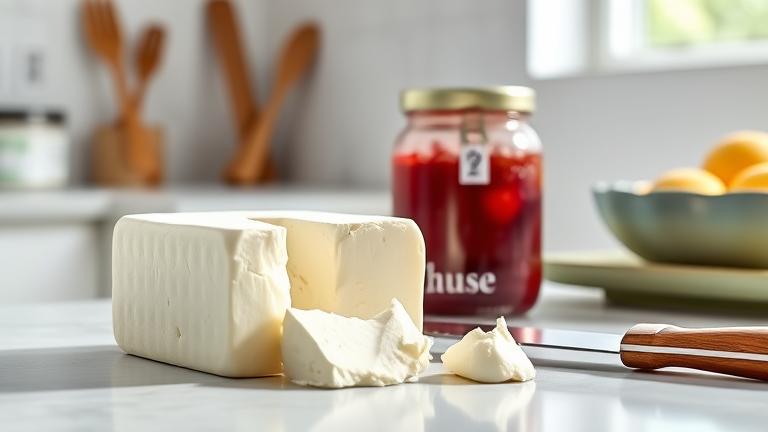
How Long Does Cream Cheese Last?
Wondering how long cream cheese stays fresh? Whether you’ve just bought a new block or are trying to use up leftovers, knowing the shelf life of cream cheese helps keep your food safe and tasty. Typically, cream cheese lasts for about one to two weeks in the refrigerator after opening, but several factors can influence its freshness and safety.
Unopened cream cheese can last for about a month past the sell-by date if stored properly in your fridge. Always check the packaging for specific expiration dates, as these are a good initial guide. Once opened, it’s best to consume cream cheese within 7 to 10 days for the best quality and safety.
Factors That Affect Cream Cheese Freshness
- Storage Temperature: Keep cream cheese refrigerated at or below 40°F (4°C). Fluctuating temperatures or leaving it out for extended periods can speed up spoilage.
- Packaging: Airtight containers or the original sealed packaging help prevent exposure to air, which can cause mold or drying out.
- Contamination: Always use clean utensils when scooping out cream cheese. Dipping dirty knives or fingers can introduce bacteria, leading to faster spoilage.
- Presence of mold or an off smell: Check your cream cheese before use. If you notice fuzzy mold, a sour or ammonia-like smell, or a slimy texture, it’s time to toss it.
How to Store Cream Cheese Properly
- Keep cream cheese in the coldest part of your fridge, usually on a shelf rather than in the door where temperatures fluctuate more.
- Rewrap opened cream cheese tightly with plastic wrap or transfer it to an airtight container to reduce exposure to air and prevent it from drying out.
- Always use clean utensils to scoop out what you need, rather than dipping directly into the container with dirty utensils.
- If you won’t use cream cheese within the recommended time, consider freezing it. Keep in mind that freezing may change its texture, making it less ideal for spreading but still fine for cooking or baking.
Signs Cream Cheese Has Gone Bad
- Visible mold or discoloration on the surface.
- A sour or rancid smell that is different from its normal tangy aroma.
- A slimy or watery texture that wasn’t there before.
- Unusual or strong ammonia-like odor.
When in doubt, remember the “trust your senses” rule. If cream cheese looks, smells, or feels off, it’s safer to throw it away. Using spoiled cream cheese can lead to food poisoning or stomach upset, so it’s best to stay cautious.
Tip:
- Label your cream cheese with the purchase or opening date to help track its freshness and avoid forgetting how long it’s been open.
Storage Tips for Freshness
Cream cheese is a versatile and popular ingredient in many recipes. To keep it delicious and safe to eat, proper storage is essential. Proper storage methods can extend its freshness and help prevent spoilage. Whether you buy it fresh or have leftovers, following these simple tips will ensure your cream cheese stays tasty and safe.
First, always keep cream cheese refrigerated. It should be stored at or below 40°F (4°C). When stored in the fridge, keep it in its original packaging if unopened. This packaging helps protect it from exposure to air, bacteria, and other odors in the fridge. Once opened, it’s best to transfer the cream cheese to an airtight container or resealable plastic bag. This extra layer of protection keeps the cheese moist and prevents it from absorbing other flavors in your fridge.
Choose the right spot in your fridge. Store cream cheese on the main shelf rather than in the door. The temperature tends to fluctuate more in the door, which can reduce freshness. Keep it away from strong-smelling foods like onions or garlic. Cream cheese easily absorbs odors, which can spoil its subtle flavor.
How Long Can You Keep Cream Cheese?
| Storage Method | Optimal Shelf Life | Notes |
|---|---|---|
| Unopened | 1-2 weeks past the “use by” date | Keep refrigerated until use; unopened packages last longer |
| Opened (in airtight container) | 1 week | Check for signs of spoilage before using |
Remember, always inspect cream cheese before using. Look for mold, discoloration, a sour smell, or a slimy texture. If any of these signs appear, it’s safest to discard the cheese to avoid illness.
Tips for Extending Freshness
- Wrap cheese tightly with plastic wrap if not using an airtight container. This helps prevent drying out.
- Label opened packages with the date you opened them to keep track of freshness.
- Keep your fridge at a steady, cold temperature. Use a refrigerator thermometer if needed.
- Avoid storing cream cheese in the cold door, where temperatures fluctuate more.
- Do not leave cream cheese out at room temperature for more than 2 hours as bacteria grow quickly at room temperature.
Freezing Cream Cheese
If you have leftovers or buy in bulk, you can freeze cream cheese. Wrap it tightly in plastic wrap, then place it in a freezer-safe container or bag. Freeze for up to 2 months for best quality. Keep in mind that thawed cream cheese may have a different texture and is best used in cooking or baking rather than as a spread.
When ready to use, thaw the frozen cream cheese in the fridge overnight. Stir well before using to regain a smooth consistency. Always trust your senses if it smells off or looks strange after thawing, best to discard it.
Signs Cream Cheese Has Gone Bad
Cream cheese is a tasty and versatile ingredient, but like all dairy products, it can go bad over time. Knowing the signs of spoilage helps you stay safe in the kitchen and avoid eating spoiled cheese. Let’s explore how to tell if your cream cheese has gone bad using visual clues, smell, and texture.
Visual Indicators
The first thing to check is how the cream cheese looks. Fresh cream cheese should be smooth, creamy, and free of any discoloration. If you notice any of the following, it’s best to discard it:
- Mold: Any fuzzy or colorful spots, such as green, blue, or black mold, are clear signs that the cream cheese is spoiled. Never taste moldy cheese, as it can cause food poisoning.
- Discoloration: If the cheese has turned yellow, brown, or has dark patches, it might be past its prime.
- Separation or liquid pooling: A layer of watery liquid on top, called whey, can be normal, but if it’s excessive or the cheese looks overly watery, it could indicate spoilage.
Smell Clues
The scent of cream cheese can tell you a lot about its freshness. Fresh cream cheese has a mild, slightly tangy aroma. When it starts to spoil, you may notice:
- Strong, sour smell: An intense sour or putrid odor means bacteria are growing, and the cheese should be thrown away.
- Off-putting smell: Any strange, rancid, or hospital-like odor is a red flag that the cream cheese is no longer safe to eat.
If your cream cheese smells sour or strange, it’s best to avoid tasting it and discard it immediately.
Texture Changes
The texture of cream cheese can also indicate spoilage. Fresh cream cheese is soft, smooth, and spreadable. Signs of spoilage include:
- Clumping or curdling: If the cheese feels lumpy, gritty, or develops a grainy texture, it’s no longer good.
- Slimy or sticky surface: A slimy or filmy coating suggests bacterial growth.
- Hardening or drying out: If it becomes firm or crumbly, it’s either old or gone bad.
If the texture feels off or looks unusual, it’s safest to toss it out.
Additional Tips to Keep Cream Cheese Fresh
- Always keep cream cheese refrigerated at or below 40°F (4°C). Proper storage slows spoilage.
- Seal the container tightly after each use to prevent exposure to air and bacteria.
- Check the expiration date before using, and try to use it within a week of opening.
Remember, when in doubt, trust your senses. If the cream cheese looks, smells, or feels wrong, it’s safer to throw it away than risk food poisoning. Better safe than sorry, and your stomach will thank you!
Best Practices for Refrigeration
Refrigeration is key to keeping cream cheese fresh and safe to eat. Proper storage techniques help maximize its shelf life and prevent spoilage. Whether you buy cream cheese in a tub or package, knowing how to store it correctly can save you money and prevent food waste.
First, always keep cream cheese refrigerated at or below 40°F (4°C). Use a refrigerator thermometer to double-check your fridge’s temperature if needed. This cold environment slows down bacterial growth and preserves the quality of the cheese.
Once opened, always close the cream cheese container tightly. Exposure to air can lead to drying out or absorbing odors from other foods. Consider transferring it to an airtight container if the original packaging is not resealable. This creates a barrier that keeps moisture in and odors out.
Store cream cheese on the main shelf of the refrigerator, not in the door. The door tends to have fluctuating temperatures due to frequent opening. Keeping it in a steady, cold spot helps maintain its freshness.
Handling and Storage Tips
- Use a clean knife or utensil each time you scoop out cream cheese to avoid contamination.
- Do not leave cream cheese out at room temperature for more than two hours. Bacteria can grow quickly in the danger zone, between 40°F and 140°F.
- If you notice any mold, odd smell, or changes in texture, discard the cream cheese. It’s better to be safe than risk foodborne illness.
- Label opened cream cheese with the date you first opened it. Most will stay good in the fridge for about 1 to 2 weeks.
Maximizing Shelf Life
Fresh cream cheese typically lasts about two weeks stored properly in the fridge. Unopened, it can last longer until the expiration date printed on the package. Always check the “use by” date for guidance.
If you have leftover cream cheese, consider freezing it for longer storage. Note that freezing may change its texture, making it less ideal for spreading but still good for cooking or baking. Wrap it tightly in plastic wrap and then foil, or store it in an airtight container. Use within 1 to 2 months for best quality.
Common Mistakes to Avoid
- Leaving cream cheese out too long or at room temperature.
- Using dirty utensils when handling it.
- Not closing the container tightly after each use.
- Packing it near strongly scented foods, which can cause unpleasant odor transfer.
Following these simple yet effective refrigeration practices will help keep your cream cheese fresh, safe, and delicious for as long as possible. Proper storage is a small step that makes a big difference in the quality of your ingredients and your cooking results.
How to Extend Cream Cheese Shelf Life
If you love cream cheese but are worried about it going bad too quickly, don’t worry. There are simple ways to keep your cream cheese fresh and safe for longer. By following a few practical tips, you can enjoy that creamy delight in your recipes days or even weeks after opening. Let’s explore some effective methods to extend the shelf life of cream cheese.
Proper Storage is Key
The first step to keeping cream cheese fresh is storing it correctly. Always keep your cream cheese in the coldest part of your refrigerator, ideally at or below 40°F (4°C). Make sure it’s tightly wrapped or stored in an airtight container to prevent exposure to air, which can accelerate spoilage. If you notice the original packaging is damaged or opened for a while, consider transferring the cream cheese to a clean, airtight container. This helps prevent contamination and keeps the moisture in, which is essential for maintaining its texture and flavor.
Use Clean Utensils
Every time you scoop out cream cheese, use a clean knife or spoon. Introducing bacteria or other particles can lead to faster spoilage. Avoid eating directly from the package with your fingers or unwashed utensils. This small habit can make a big difference in prolonging the freshness of your cream cheese.
Freeze for Longer Storage
If you’ve bought cream cheese in bulk or won’t use it all soon, freezing is a handy option. Wrap the unopened block tightly in plastic wrap or foil, then place it in a freezer-safe bag or container. Label it with the date. Cream cheese can last up to two months in the freezer without losing significant quality. Keep in mind that the texture might become slightly crumbly when thawed, so it’s best suited for cooking or baking rather than spreading on bagels.
Thaw Properly
When you’re ready to use frozen cream cheese, thaw it in the fridge overnight. Avoid thawing at room temperature, as this can promote bacterial growth. Once thawed, give it a good stir; the texture may be slightly different, but it will still taste just as good in recipes.
Monitor for Signs of Spoilage
Even with all precautions, cream cheese doesn’t last forever. Keep an eye out for changes in appearance, smell, or texture. If you see mold, strange discoloration, or if it smells sour or off, it’s safest to discard it. Some surface mold can sometimes be cut off, but it’s better to err on the side of caution.
Additional Tips to Keep Cream Cheese Fresh
- Use the original foil wrapper to cover opened cream cheese tightly.
- Avoid leaving cream cheese out at room temperature for more than two hours.
- Consider adding a thin layer of water over the cream cheese in the container; change the water regularly to create a barrier against air.
- If cream cheese develops a watery appearance or separates, it may still be safe if it smells normal; stir well before use.
By following these tips, you can enjoy cream cheese longer and prevent unnecessary waste. Proper storage, careful handling, and awareness of spoilage signs will ensure your cream cheese remains safe and delicious for as long as possible.
Using Leftover or Expired Cream Cheese
If you find yourself with leftover or slightly expired cream cheese, don’t rush to throw it away. In many cases, you can still safely use it in different recipes, saving money and reducing waste. The key is to check its freshness carefully and use it in cooking or baking where it will be heated or incorporated into other ingredients. This way, you can enjoy its creamy texture without risking your health.
Check the Freshness First
Before using cream cheese that is close to or past its expiration date, examine it carefully. Look for any signs of spoilage such as an off smell, visible mold, discoloration, or a slimy texture. If any of these are present, it’s safest to discard the product. If it looks and smells normal, it is likely still good to use, especially if you plan to cook with it.
How to Safely Use Expired Cream Cheese
Using cream cheese in recipes that involve cooking or baking is the best way to ensure safety. The heat involved in these methods kills most bacteria that could cause foodborne illnesses. Here are some ideas on how to utilize it:
- Baked Goods: Incorporate cream cheese into muffins, cheesecakes, cookies, or bread. The heat during baking ensures safety and enhances flavor.
- Cooked Dishes: Use it in sauces, creamy soups, or pasta dishes. Heating these dishes thoroughly reduces any potential risk.
- Homemade Dips: Make warm dips like spinach or crab dips, which are cooked or baked before serving.
Creative Ideas for Leftover Cream Cheese
If the cream cheese appears fresh and safe to consume, even if slightly past its date, here are some creative ways to use it up:
- Spread and Toast: Mix softened cream cheese with herbs or spices and spread it on bagels or toast for a quick snack.
- Filling for Pastries or Wraps: Cream cheese is perfect as a filling for cinnamon rolls, savory pastries, or wraps with vegetables and meats.
- Homemade Frosting: Combine with powdered sugar and a splash of vanilla for a sweet frosting for cakes or cupcakes.
Tips for Storage and Safety
- Always store cream cheese in the coldest part of your refrigerator, ideally at or below 40°F (4°C). Keep it tightly sealed to prevent contamination.
- When in doubt, do the sniff test. If it smells sour or off, discard it.
- If you plan to use expired cream cheese in a recipe, consider cooking or baking it first to reduce health risks.
- Label homemade dishes made with cream cheese if they contain ingredients nearing their expiration date, so you know how long they are safe to eat.
By following these tips, you can safely enjoy cream cheese that is nearing or just past the expiration date. Always prioritize safety, and when in doubt, better to be cautious to keep your meals both delicious and healthy.
Delicious Recipes with Cream Cheese
Cream cheese is a versatile ingredient that adds richness and creaminess to many dishes. Whether you have a block of cream cheese in your refrigerator or a soft spread in your pantry, you can create a variety of tasty recipes. Using fresh ingredients along with cream cheese helps you achieve the perfect balance of flavors and textures. Here, you’ll find some easy and appetizing recipes to make the most of cream cheese.
Cream Cheese Spreads and Dips
One of the simplest ways to enjoy cream cheese is as a spread or dip. It works well with fresh herbs, vegetables, or even fruits. For a classic favorite, try mixing softened cream cheese with chopped chives, a squeeze of lemon juice, and a pinch of salt. Spread it on bagels or crackers for a quick snack.
If you prefer a savory dip, blend cream cheese with sour cream, grated garlic, and chopped fresh dill. Serve with sliced cucumbers, carrots, or pita chips. This creamy dip is perfect for parties or a casual snack at home.
Cream Cheese Stuffed Recipes
Stuffing ingredients with cream cheese creates rich and flavorful bites. A popular example is stuffed jalapenos. Cut jalapenos in half, remove seeds, and fill with a mixture of softened cream cheese, shredded cheese, and chopped bacon if you like. Bake until bubbly and golden for a spicy, cheesy appetizer.
You can also fill crescent roll dough with a cream cheese mixture, add cooked spinach or ham, and roll it up. Bake until golden brown for a delicious savory pastry.
Sweets with Cream Cheese
Cream cheese is a star ingredient in many desserts. Classic cheesecake is the most well-known example. Use softened cream cheese, sugar, eggs, and vanilla to make a smooth filling. Pour into a graham cracker crust and bake until set. Chill before serving for the best texture.
For an easier treat, try cream cheese frosting on cupcakes or muffins. Mix softened cream cheese with powdered sugar and a splash of vanilla. Spread over baked goods for a creamy finish.
Another delightful dessert involves rolling fruit in a cream cheese mixture, then refrigerating. For example, spread cream cheese on a tortilla, add fresh strawberries or bananas, roll it up, and chill. Slice into bite-sized pieces for a quick, fruit-filled snack.
Practical Tips for Cooking with Cream Cheese
- Always soften cream cheese before mixing it blends more smoothly and avoids lumps.
- Store cream cheese in the fridge and use it within a week of opening for the best flavor and safety.
- When baking, reduce the oven temperature slightly if your dish contains cream cheese to prevent curdling.
- Feel free to customize flavors by adding herbs, spices, or flavor extracts to your cream cheese recipes.
- For healthier options, mix cream cheese with Greek yogurt or cottage cheese to cut down on fat but keep the creamy texture.
Using cream cheese in your recipes can elevate simple dishes to something special. Whether you are making a savory spread, a stuffed appetizer, or a decadent dessert, its creamy texture makes your creations irresistible. Play around with combinations and ingredients you love, and enjoy delicious results every time!