
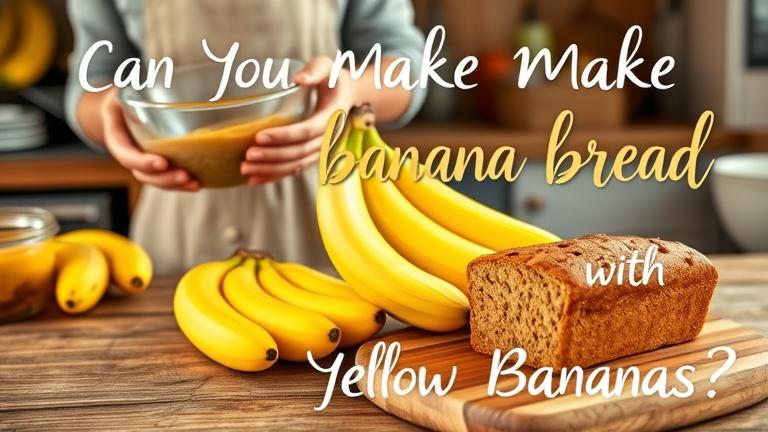
Why Use Yellow Bananas for Banana Bread
If you’re making banana bread, choosing the right bananas can really make a difference. Yellow bananas are often considered the best choice for baking. They strike the perfect balance between ripeness and flavor, giving your bread a richer taste and better texture.
Yellow bananas are sweet but not overly mushy. They have a soft, creamy texture that mixes easily into the batter. This helps create a moist and tender loaf. If your bananas are too green or underripe, they will lack the sweetness needed for classic banana bread. On the other hand, overripe bananas that are almost brown or black can become too mushy and sometimes even off-putting in flavor.
Using bananas that are just yellow ensures your bread will have the ideal flavor. They are sweet enough to develop that deep banana taste everyone loves, without overpowering other flavors. Plus, ripe yellow bananas add a natural moisture to the bread. This keeps it soft and prevents it from turning dry as it bakes.
Flavor Considerations
Yellow bananas deliver a mellow, natural sweetness that enhances your banana bread without the need for excessive sugar. They also have a pleasant aroma that infuses the bread during baking, making it more inviting.
If you want a more intense banana flavor, you can use very ripe bananas, but be careful not to go overboard. Very soft or black bananas can sometimes taste fermented or sour, which can spoil your loaf. Beginners should stick with yellow bananas to ensure a balanced, delicious flavor.
Texture Tips
Soft, ripe yellow bananas mash easily, helping you achieve a smooth batter. This creates a uniform crumb in your banana bread, making it moist and fluffy. In contrast, unripe bananas are firmer and harder to mash, which can result in lumps and uneven texture.
Overripe bananas, especially those with brown spots or black skins, are soft and jam-like. They blend quickly but might release excess liquid, making your batter too wet if not adjusted. Therefore, using bananas that are yellow with some brown spots is usually the sweet spot ripe enough to mash easily and boost flavor without the downsides of over-ripeness.
Storage and Preparation Tips
- Keep bananas at room temperature until they’re ripe enough. Refrigerating can slow ripening but may darken the skin.
- If your bananas are not quite yellow yet but start to develop brown spots, they are ready for baking.
- Leftover overripe bananas can be frozen. When thawed, they are perfect for banana bread, but aim to use bananas that are mostly yellow for the best flavor and texture.
In summary, choosing yellow bananas for banana bread ensures your baked good is flavorful, moist, and easy to work with. They offer the ideal sweetness and texture, making your baking experience more enjoyable and your results delicious.
Choosing the Ripeest Bananas
When it comes to baking with bananas, choosing the right ripeness is key to getting that perfect flavor and texture. The best bananas for baking are usually those that are yellow with a few brown spots. These bananas are sweet, moist, and easy to mash, making them ideal for muffins, bread, and pancakes.
Look for bananas that are mostly yellow, with some small brown spots or freckles. The spots indicate natural sugars are developing, which enhances sweetness. If the bananas are completely yellow without any spots, they might be underripe, less flavorful, and firmer. On the other hand, bananas that are overly brown or black may be too ripe and overly soft, which can sometimes lead to a mushy texture in your baked goods.
Press gently on the banana’s peel. Ripe bananas will yield slightly to pressure but won’t be too mushy. If they feel very soft or squishy, they are at their peak for baking. If you see areas of dark brown or black, these bananas are very ripe and will bring a strong banana flavor. This is perfect for recipes needing a pronounced banana taste, like banana bread or banana pancakes.
Sometimes, you might have underripe bananas. If they are still mostly green or firm, you can speed up ripening by leaving them at room temperature in a paper bag. The bag traps ethylene gas, which bananas naturally produce, speeding up the ripening process. For quick ripening, add a ripe apple or tomato to the bag to boost ethylene levels. Check daily until they develop the desired yellow color and brown freckles.
In addition to visual cues, smell is a good indicator. Ripe bananas have a sweet, fragrant aroma. If they smell sour or tangy, they are overripe and may not be suitable for baking, as the flavor could be off.
Keep in mind that the ripeness of bananas can affect your recipes. Ripe bananas are always best when sweet and soft, perfect for mashing or blending into batter. Overripe or underripe bananas can alter your baking results, so choose wisely based on what flavor and texture you want to achieve.
- Tip: Store bananas at room temperature until ripe. For longer storage, once ripe, move them to the fridge. The peel may turn brown but the fruit inside stays good longer.
- Tip: Freeze overripe bananas in a sealed bag. Thaw and mash for quick banana bread or smoothies.
Preparing Bananas for the Recipe
Getting bananas ready for your banana bread is a simple process but an important one. Using properly prepared bananas will give your bread the best flavor and texture. Whether your bananas are perfectly ripe or just getting there, a few easy steps will help you prepare them for your batter.
First, start with selecting the right bananas. Look for bananas that are bright yellow with a few brown spots. These bananas are sweet and soft inside, making them ideal for baking. If your bananas are still mostly green or barely yellow, they might be firmer and less flavorful. On the other hand, very overripe bananas with heavy brown spots can sometimes be too mushy, but they work great for quick recipes like banana bread.
Peeling the Bananas
Peeling bananas is straightforward. Hold the banana firmly, and gently peel back the skin. It’s easiest to peel from the top, the stem end. If the peel is stubborn, make a small cut at the stem to help you start peeling. Sometimes, as bananas ripen, their skin becomes easier to peel, which makes the process even quicker.
If your banana is very ripe and mushy, be gentle to avoid squishing it. You want it to stay as intact as possible for even mashing. Once peeled, inspect the banana for any dark spots or blemishes that might affect the flavor. You can trim off any dark parts if desired, but they are usually just extra sweetness.
Mashing the Bananas
Next, it’s time to mash the bananas. This step ensures they blend smoothly into the batter, providing moisture and flavor. You can mash bananas with a fork or, for a quicker process, use a potato masher. If you want very smooth banana puree, a blender or food processor works well too.
Place the peeled bananas in a bowl, and mash with a fork until they reach your desired texture. For most banana bread recipes, a chunky mash works fine, but if you prefer a smoother batter, mash until there are no large lumps. Don’t over-mash; a few small pieces are okay and add texture to your bread.
Preparing in Advance
If you’re preparing the bananas ahead of time, store the mashed fruit in an airtight container in the fridge. Use within a day or two for the freshest flavor. Alternatively, you can freeze mashed bananas if you plan to bake later. Just place them in a freezer-safe bag or container, and they will keep for up to three months. Thaw frozen bananas at room temperature before using.
Tips for Success
- Use a ripe banana to avoid adding extra sugar, which is common with overripe bananas.
- If you want a smoother batter, mash thoroughly, but don’t worry if you see a few small pieces they add nice texture.
- Peel bananas over a plate or cutting board the juice can be sticky and can stain surfaces.
- For even more flavor, you can lightly toast bananas in a dry skillet for a minute or two before peeling and mashing, adding a caramelized note to your bread.
With these simple steps, your bananas will be perfectly prepared to create a moist, delicious banana bread. Proper preparation means every bite will be full of sweetness and flavor, just what you want for a cozy homemade treat.
Step-by-Step Banana Bread Making Tips
Making delicious banana bread at home is simple once you know a few helpful tips. The key is starting with ripe bananas, mixing the ingredients just right, and baking at the correct temperature. Whether you’re new to baking or looking to improve your recipe, these tips will help you get perfect banana bread every time.
First, choose ripe bananas. Look for bananas that have lots of brown spots or are even nearly black. These bananas are sweeter and softer, which makes them ideal for baking. If your bananas are still yellow, you can speed up ripening by placing them in a paper bag for a day or two. Ripe bananas mash easily and blend smoothly into the batter, giving your bread a rich flavor.
Preparing the Ingredients
- Measure your ingredients carefully. Use standard measuring cups and spoons for flour, sugar, and other dry ingredients. Accurate measurements help your bread turn out just right.
- Preheat your oven. Set it to 350°F (175°C) and give it time to reach that temperature before baking. A hot oven is crucial for an even rise and proper browning.
- Line your baking pan with parchment paper or grease it lightly with butter. This prevents sticking and makes cleanup easier.
Mixing the Batter
Start by mashing the bananas in a mixing bowl until smooth. In a separate bowl, whisk together the dry ingredients: flour, baking soda, and salt.
- In a large bowl, cream the butter and sugar until the mixture is light and fluffy. Use a hand or stand mixer for best results.
- Add eggs one at a time, mixing well after each addition. This creates a stable batter.
- Stir in the mashed bananas. If you want extra flavor or texture, add chopped nuts or chocolate chips now.
- Gradually add the dry ingredients to the wet ingredients. Mix gently until just combined. Overmixing can make the bread dense.
Baking the Banana Bread
Pour the batter into your prepared loaf pan. Use a spatula to spread it evenly. A smooth top helps the bread bake uniformly.
Bake in the preheated oven for about 60 to 70 minutes. Check the bread around the 60-minute mark. Insert a toothpick or cake tester into the center. If it comes out clean, your banana bread is ready.
Temperature and Timing Tips
- Make sure your oven is properly preheated. An oven thermometer can help verify the actual temperature.
- For a moist and tender loaf, avoid opening the oven door too often during the first 45 minutes of baking. Sudden temperature drops can cause the bread to collapse.
- If the top starts to brown too quickly but the inside isn’t cooked yet, tent it loosely with foil. This prevents burning while allowing the inside to finish baking.
Cooling and Serving
Once baked, remove the banana bread from the oven and let it cool in the pan for about 10 minutes. Then, transfer it to a wire rack to cool completely. Cooling helps the bread set properly and makes it easier to slice.
For the best flavor, wait a little before slicing. Fresh banana bread is tasty warm, but it tastes even better the next day when the flavors have melded. Store leftovers in an airtight container at room temperature for up to 3 days, or freeze slices for longer storage.
Troubleshooting Common Banana Bread Issues
Why Is My Banana Bread Dense?
When banana bread turns out dense or heavy, it usually means the structure didn’t develop properly. This can happen if you overmix the batter or use too much flour. Overmixing develops gluten, which can make the bread chewy and dense, while too much flour adds weight.
To avoid this, mix your ingredients just until combined. When adding the flour, fold gently with a spatula instead of stirring vigorously. Also, measure your flour accurately too much can make your banana bread heavy. Using ripe bananas helps create a moist texture without extra flour.
Is My Banana Bread Underbaked?
Undercooked banana bread often feels wet or doughy in the center. This can happen if your oven temperature is too low or if you remove the bread too early. It’s tempting to test with a toothpick, but remember, it should come out with moist crumbs, not wet batter.
To fix this, make sure to preheat your oven fully before baking. Use an oven thermometer if you can, as oven gauges are sometimes off. Insert a toothpick in the center and if it comes out with wet batter, bake for a few more minutes. Cover the loaf loosely with foil if the edges are browning too fast, but the middle isn’t done yet.
What Causes Dry Banana Bread?
Dryness happens when the bread loses moisture during baking or storage. This often occurs if you bake it too long or if you use too much flour or dry ingredients. Overbaking pulls out the moisture, leaving the bread crumbly instead of soft.
To prevent dryness, keep a close eye on baking time and check doneness early. Use a toothpick to test for doneness it should come out with a few moist crumbs, not wet or dry. Store your banana bread properly by wrapping it tightly in plastic wrap or keeping it in an airtight container. Adding a spread of butter or cream cheese can also add moisture when eating.
Additional Tips for Success
- Use very ripe bananas the darker, the sweeter and more fragrant.
- Don’t overmix your batter; keep it gentle for a tender crumb.
- Measure ingredients accurately, especially flour and baking soda.
- Check your oven temperature with a thermometer for consistent results.
- Allow the bread to cool slightly before slicing this helps it set properly.
Variations and Add-ins for Banana Bread
Banana bread is a versatile treat that can be easily customized to suit your taste and mood. Adding different ingredients not only makes each loaf unique but also boosts its flavor and texture. Here are some popular ideas to help you elevate your banana bread baking experience.
Nuts and Seeds
Adding nuts is a classic way to give banana bread a crunchy texture. Walnuts and pecans are favorites, but almonds, hazelnuts, or sunflower seeds also work well. Chop them coarsely and fold them into the batter before baking. If you love a more toasted flavor, you can toast the nuts lightly in the oven first. Nuts add a hearty feel and are an excellent source of healthy fats and protein.
Chocolate Chips and Cocoa
If you’re a chocolate lover, mixing in chocolate chips is an easy way to make your banana bread feel extra indulgent. Semi-sweet, dark, or even white chocolate chips all taste great. Sprinkle them on top of the batter before baking or fold them in thoroughly. You can also add a tablespoon or two of cocoa powder to the batter for a richer, chocolatey twist. These options turn an ordinary banana bread into a decadent dessert or snack.
Spices and Flavors
Spices add warmth and depth to banana bread. Popular choices include cinnamon, nutmeg, and cloves. Start with a teaspoon of cinnamon and adjust to taste. You can also experiment with ginger or cardamom for a more exotic flavor profile. Vanilla extract is another easy way to enhance sweetness and aroma. For a more savory variation, try adding a pinch of sea salt or even a tablespoon of orange zest for brightness.
Fruits and Extras
Beyond bananas, other fruits can be added for extra moisture and flavor. Blueberries, chopped apples, or dried fruits like cranberries or apricots are excellent options. Fold fresh or dried fruits into the batter carefully to keep their shape. You might also consider mixing in shredded coconut or even swirl in peanut butter or cream cheese for a richer texture.
Creative Combinations
- Chocolate and nuts: A classic combo that adds crunch and melt-in-your-mouth sweetness.
- Cinnamon and apples: Perfect for a cozy, autumn-inspired loaf.
- Blueberries and lemon zest: Bright and fresh, ideal for spring and summer baking.
- Peanut butter and banana: A nutty, creamy twist that mimics a popular sandwich flavor.
Tips for Customizing Your Banana Bread
- Start with small amounts of add-ins and taste test before adding more.
- Ensure ingredients like nuts or fruit are evenly distributed but avoid overmixing to keep the bread tender.
- Adjust baking time if you add many moist ingredients; it might need a few extra minutes.
- Use high-quality, fresh ingredients for the best flavor. For example, fresh vanilla or freshly grated spices add more aroma.
Feel free to experiment with different combinations until you find your perfect banana bread recipe. These variations allow you to adapt to what you have at home and explore new flavors each time you bake.
Storing and Freezing Banana Bread
Keeping your banana bread fresh and flavorful is easy when you know the best storage methods. Proper storage helps prevent mold, staleness, and freezer burn, so you can enjoy your homemade treat for days or even weeks.
To start, let the banana bread cool completely after baking. This prevents condensation from forming inside the storage container, which can make it soggy or cause mold. Once cooled, you have a couple of options for storing your banana bread.
If you plan to eat the banana bread within 2 to 3 days, wrapping it tightly in plastic wrap or aluminum foil is perfect. You can also place it in an airtight container. This method keeps the bread moist and protects it from air exposure. For extra security, especially if you like to keep it for longer, consider placing the wrapped bread in a resealable plastic bag, squeezing out excess air.
For longer storage, freezing is the best choice. Wrap the banana bread tightly in plastic wrap, then add a layer of aluminum foil or put it in a freezer-safe zip-top bag. Label the package with the date so you know how long it’s been stored. Proper wrapping prevents freezer burn and preserves flavor.
When you’re ready to enjoy the frozen banana bread, remove it from the freezer and leave it at room temperature for about 30 minutes if you want it soft. For quicker thawing, you can microwave slices for 10 to 15 seconds, but be careful not to overheat. If you prefer warm banana bread, reheating in the oven at 350°F (175°C) for about 10 minutes works well.
Banana bread can be kept in the freezer for up to 3 months, but for the best taste, try to consume it within the first month. After this period, it might start to lose moisture and flavor.
A few tips to keep in mind:
- Always label your frozen banana bread with the date so you can enjoy it at its freshest.
- To prevent mushy slices after thawing, slice the bread before freezing. Wrap each slice individually for convenient grab-and-go portions.
- For added freshness, store banana bread in a place where temperature changes are minimal, like a deep freezer rather than a rapidly warming freezer drawer.
- If your banana bread has toppings like nuts or chocolate chips, wrapping tightly is especially important to prevent these from falling off or getting soggy.
- Thawed banana bread is best enjoyed within 2 days for optimal flavor and texture.
By following these simple storing and freezing tips, you can enjoy your banana bread later without sacrificing flavor or moisture. Plus, it’s a handy way to have a delicious treat ready whenever you crave it!