
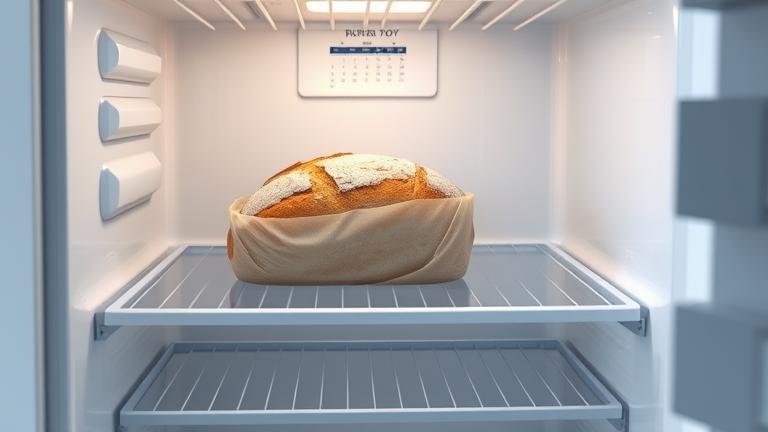
How Long Does Bread Last in the Fridge?
If you want to keep your bread fresh for a longer time, storing it in the fridge might seem like a good idea. However, bread in the refrigerator can behave differently compared to room temperature. It’s helpful to know how long bread stays good in the fridge to avoid waste and enjoy fresh slices whenever you want.
Generally, bread stored in the fridge lasts about 3 to 5 days. This can vary based on the type of bread, ingredients, and how it’s stored. Keep in mind, refrigeration slows mold growth but can also cause bread to become stale faster due to a process called retrogradation, which makes the bread lose moisture and become hard.
Factors That Affect Bread Freshness in the Fridge
- Type of Bread: Soft breads like sandwich loaves or brioche tend to last slightly longer because they contain more moisture. Conversely, crusty breads like baguettes or artisan loaves may become stale or dry out faster in the fridge.
- Ingredients: Breads with added preservatives or preservatives themselves generally have a longer shelf life. Natural, homemade bread without preservatives might spoil quicker.
- Storage Method: How you store your bread matters. Keep it in an airtight container or resealable plastic bag to reduce exposure to air and moisture, which can accelerate mold and staling.
Tips for Storing Bread in the Fridge
- Use a plastic bag or an airtight bread box to keep moisture in and prevent the bread from drying out.
- Place the bread in the coldest part of the refrigerator, usually towards the back, away from the door.
- Label the bread with the date you put it in the fridge so you can keep track of its freshness.
- Plan to consume refrigerated bread within 3 to 5 days for the best taste and texture.
Signs Your Bread Has Gone Bad
Check your bread regularly so you don’t miss the signs of spoilage. Look for these indicators:
- Mold growth: Green, blue, or white fuzzy spots mean the bread should be discarded.
- Odd smell: A sour or off-putting odor suggests the bread is no longer safe to eat.
- Dry or hard texture: While some staling is normal, if the bread feels excessively dry or cracked, it might be past its prime.
In summary, store bread in the fridge for up to 5 days, but always keep an eye out for spoilage signs. When in doubt, it’s safer to toast or reheat bread that’s a little past its prime instead of eating moldy or sour-smelling slices. If you want to enjoy bread longer, freezing is often a better option than refrigerating. Remember, freshness is key to great bread eating!
Signs Your Bread Has Gone Bad
Knowing how to spot spoiled bread helps keep you safe and ensures you enjoy your snacks without worry. Bread can last for several days when stored properly, but it’s important to pay attention to certain signs that indicate it’s time to toss it out. Mold, strange smells, or changes in texture are common clues that your bread has gone bad.
Mold Growth
Mold is the most obvious sign that bread has spoiled. It appears as fuzzy spots that range in color from green and blue to white or black. Mold usually starts on the surface but can spread quickly inside the loaf. If you see any mold, it’s safest to discard the entire loaf, even if only a small part seems affected. Cutting away mold isn’t enough because spores can penetrate deeper into the bread.
Unpleasant Odors
Fresh bread has a pleasant, yeasty smell. If your bread develops a sour, rancid, or off-putting odor, it’s a sign that bacteria or mold are growing. When you open the bag or loaf and notice a strange smell that’s different from usual, it’s best to avoid eating it. Trust your nose if it smells wrong, it probably is.
Changes in Texture
- Dry, hard crusts or crumbly texture indicate the bread has dried out and is no longer fresh.
- Sticky or slimy surfaces often mean the bread is contaminated with bacteria or mold growth.
Additionally, if the bread feels excessively damp or if the texture is unusually spongy, it may be going bad. These changes can happen even if there’s no visible mold or smell, so it’s good to check the touch as well as the appearance.
Other Spoilage Signs to Watch For
- Discoloration: Dark or uneven patches can point to mold or decay.
- Presence of insects: Small bugs or larvae are clear signs that the bread is no longer safe to eat.
It’s always better to be cautious. If in doubt about your bread’s freshness, it’s safer to discard it rather than risk food poisoning. Remember, consuming spoiled bread can lead to stomach upset or worse. When storing bread, keep it in a cool, dry place and consider freezing slices if you won’t eat them soon, to prolong freshness.
Best Ways to Store Bread for Freshness
Want to keep your bread soft, flavorful, and fresh for as long as possible? Storing bread properly is key, whether you prefer to keep it at room temperature, in the fridge, or freeze it for longer storage. Here are some practical tips to help you preserve your bread’s taste and texture.
Storing Bread at Room Temperature
For most bread types, the simplest method is to keep it at room temperature. The best way is to store it in a paper bag or a bread box. These options allow just enough air circulation to prevent mold while keeping the bread crust crisp and the inside soft.
- Avoid plastic bags for bread kept at room temperature. Plastic traps moisture, leading to a soggy crust or mold. If you want to use a plastic bag, do so only for short periods or to prevent insects.
- Store in a cool, dry place. Avoid sunlight or near heat sources, which can cause quick spoilage.
Remember, bread stored this way usually stays fresh for 2 to 3 days. After that, it might start to go stale or develop mold, especially in humid conditions.
Refrigerating Bread
Refrigeration seems like a good idea, but it can actually make bread go stale faster. The cold temperature accelerates the staling process, making the bread dry and crumbly. However, if your bread contains perishable ingredients like dairy or eggs, refrigeration can help prevent spoilage.
- If refrigerating bread, wrap it tightly in plastic wrap or foil to prevent it from drying out.
- Use within a few days. Ideally, consume refrigerated bread within 3 to 4 days for the best flavor and texture.
To enjoy bread stored in the fridge, you can warm slices in the oven or toaster. This helps revive some of the softness and aroma lost during refrigeration.
Freezing Bread for Long-Term Storage
If you have extra bread or want to keep bread fresh for longer, freezing is your best option. Proper freezing preserves the flavor and prevents mold growth.
- Wrap the bread tightly in plastic wrap, aluminum foil, or a resealable freezer bag. Removing excess air helps prevent freezer burn.
- Label with the date so you know how long it has been stored.
Most bread can be stored in the freezer for up to 3 months. When ready to eat, thaw bread at room temperature or warm slices in the oven or toaster. This instantly restores some of its original freshness.
Tips to Keep in Mind
- Avoid storing bread in the refrigerator unless necessary, as it speeds up staling.
- If bread starts to become dry, use it for breadcrumbs, bread pudding, or croutons.
- Consider slicing bread before freezing. This way, you can grab only what you need, saving time and space.
Effects of Refrigeration on Bread Texture
When you store bread in the refrigerator, it can change how it feels and tastes. Many people find that bread becomes staler faster when kept in the fridge. This is because refrigeration speeds up a process called starch retrogradation, which makes the bread lose its soft, fresh texture.
Instead of staying soft and chewy, refrigerated bread can become dry, hard, and crumbly. You might notice the crust toughening or the bread becoming dense and less enjoyable to eat. This can be disappointing, especially if you looked forward to fresh, soft slices.
But don’t worry. While refrigeration can make bread stale more quickly, there are ways to help keep its texture better or to refresh it when needed. Understanding how refrigeration affects bread helps you decide the best storage method based on how soon you want to eat it.
Why Does Refrigeration Make Bread Stale?
Refrigeration accelerates a process called starch retrogradation. This happens when the moisture within the bread dough exits the starch molecules and re-crystallizes. As a result, the bread loses its softness and gains a dry, crumbly feel.
Think of it as the bread slowly turning back into a starchy, dry substance. Even if the bread looks good on the outside, inside it can be quite different from freshly baked bread.
Tips to Minimize the Negative Effects
- Wrap the bread tightly: Use plastic wrap or a resealable plastic bag to trap moisture and reduce contact with air, which speeds up staling.
- Store at room temperature if you plan to eat it within a day or two: Bread stays fresher longer outside the fridge if used soon after baking.
- Freeze for longer storage: If you won’t eat the bread fast, freezing is better. Wrap it well and store it in a freezer-safe bag. You can later thaw and refresh the bread.
How to Refresh Stale Bread
If your bread has become a bit dry or hard after refrigeration, don’t despair. You can bring back some of its softness with a simple trick: reheating.
- Preheat your oven to 350°F (175°C).
- Lightly sprinkle the bread with water or brush it with a little water this adds moisture back into the loaf.
- Wrap the bread in foil to keep it moist and prevent the crust from burning.
- Bake for about 10 minutes, or until the bread feels soft and fresh again.
This method is especially effective for bread that has just become a bit dry. It won’t restore the bread to its original freshness, but it can make it much more enjoyable to eat.
Quick Tips for Fresh Storage
- For daily bread, keep it in a bread box or paper bag at room temperature for the best texture.
- If refrigerating, always wrap tightly and consume quickly to prevent excessive staling.
- Use freezing for long-term storage, and remember to defrost and reheat properly before eating.
By understanding how refrigeration impacts bread’s texture, you can make smarter choices for storing and enjoying your baked goods. Proper storage and simple reheating tricks can help you keep bread tasting delicious longer.
Tips for Preserving Bread Longer
Keeping bread fresh for as long as possible is a common concern for home bakers and shoppers alike. Proper handling and storage can make a big difference in maintaining its softness, flavor, and texture. By following some simple tips, you can enjoy bread at its best for a longer time and reduce waste.
First, it is important to store bread in a way that prevents it from drying out or becoming moldy too quickly. The most common method is to keep it at room temperature in a bread box or a paper bag. These options allow some air circulation, which helps prevent moisture buildup that can cause mold, while also protecting the bread from drying out too fast.
If you plan to eat the bread within a couple of days, avoid plastic bags or airtight containers because they trap moisture and can lead to mold growth. For longer storage, consider freezing bread. Freezing keeps bread safe for months and preserves its freshness if done correctly.
How to Properly Freeze Bread
- Wrap the bread tightly in plastic wrap or aluminum foil. This prevents freezer burn and keeps out air that can cause freezer odors or drying.
- For best results, slice the bread before freezing. This way, you can take out only what you need without thawing the whole loaf.
- Place the wrapped bread in a resealable freezer bag or airtight container. Label it with the date for easy tracking.
- Store in the coldest part of your freezer to prevent fluctuations that could affect quality.
Thawing and Reheating Tips
When you’re ready to enjoy the bread, thaw slices at room temperature or warm the whole loaf in a low oven for a few minutes. Reheating in the oven at around 350°F (175°C) for 10 minutes can help restore the crust to a crispy state. Avoid microwaving bread for too long, as it can make the texture rubbery or dry.
Additional Tips for Freshness
- Don’t store bread in the fridge unless you live in a very humid climate. Refrigeration speeds up staling by drawing moisture out of the bread, making it dry and crumbly.
- Keep bread away from direct sunlight and heat sources, which can cause mold and spoilage.
- If you notice mold developing, discard the entire loaf, as mold can spread beyond what’s visible.
Common Mistakes to Avoid
Some errors many people make include sealing bread in airtight plastic bags at room temperature, which traps moisture and promotes mold. Also, freezing bread without wrapping it properly can lead to freezer burn and loss of quality. Lastly, keeping bread in a humid environment or near strong-smelling foods can cause it to absorb odors and spoil faster.
By handling bread with care and storing it correctly, you can enjoy fresh, tasty slices for days and even weeks. A little planning and the right storage techniques go a long way in making your bread last longer and taste great!
Difference Between Fridge and Freezer Storage
When it comes to storing bread, many people wonder whether to keep it in the fridge or in the freezer. Both options can help preserve bread, but they do so in different ways and have different effects on bread’s freshness and texture. Understanding these differences can help you choose the best storage method based on how quickly you plan to enjoy the bread.
The main difference is temperature. A fridge operates at a cool temperature, usually between 35 and 40 degrees Fahrenheit (1.7 to 4.4 degrees Celsius), while a freezer keeps items at 0 degrees Fahrenheit (-18 degrees Celsius) or lower. These temperature differences impact how bread stays fresh and how long it can last.
Storing Bread in the Fridge
If you plan to eat the bread within a few days, the refrigerator might seem like a convenient choice. It helps prevent mold growth caused by humidity and warmth. However, storing bread in the fridge can lead to a process called “staling.”
This means that the bread becomes dry and crumbly more quickly when stored in a cold, moist environment. The starch molecules in bread change structure at refrigerator temperatures, which causes it to lose its soft, chewy texture. It’s a common mistake to keep bread in the fridge expecting it to last longer, but in reality, it may become less enjoyable to eat after a few days.
Storing Bread in the Freezer
Freezing bread is a popular method for long-term storage. When wrapped properly in plastic wrap or foil and placed inside an airtight freezer bag, bread can stay fresh for several months. The low temperature slows down the staling process and prevents mold growth effectively.
To enjoy it later, you can thaw the bread at room temperature or warm slices in the toaster directly from frozen. This method preserves the bread’s original texture and flavor much better than the fridge does. The key is to wrap the bread tightly to avoid freezer burn and to prevent it from drying out.
Quick Comparison Table
| Storage Method | Best For | Preservation Time | Effect on Bread |
|---|---|---|---|
| Refrigerator | Short-term (up to 1 week) | Few days | Can cause staling, dryness |
| Freezer | Long-term (up to 3 months or more) | Several months | Preserves freshness, texture, and flavor |
In summary, if you plan to eat the bread within a few days, keep it in a breadbox or at room temperature for the best freshness. If you are not going to eat it soon, freezing is the better choice for maintaining quality over time. Just remember to wrap it well to prevent freezer burn, and you’ll have delicious bread whenever you need it.
Frequently Asked Questions About Bread Storage
If you love bread, you probably want to keep it fresh and tasty for as long as possible. Storing bread might seem simple, but there are some helpful tips to prevent mold, staleness, and spoilage. Here are some common questions home cooks ask about bread storage, along with practical advice to keep your bread fresh and delicious.
How should I store my bread to keep it fresh?
The best way to store bread depends on how long you want it to stay fresh. For short-term storage usually a day or two keep bread in a paper bag or a bread box. These containers allow just enough air circulation to prevent moisture buildup, which can cause mold.
If you plan to keep bread longer, you can freeze it to preserve its texture and flavor. Wrap the bread tightly in plastic wrap or aluminum foil, then place it in an airtight freezer bag. Label the bag with the date so you know how long it has been frozen.
Can I store bread in the refrigerator?
Refrigerating bread is generally not recommended. While it might seem like a good way to keep bread longer, the cold temperature actually speeds up staling. Bread stored in the fridge can become dry and crumbly in just a few days.
If you live in a very humid climate where mold is a concern, refrigerate bread only if it will be eaten within a day or two. Otherwise, freezing is a better option for longer storage.
Should I keep bread in a plastic bag or a paper bag?
For short-term storage, paper bags are better because they absorb excess moisture and allow the bread to breathe. This reduces the chance of mold and keeps the crust crisp.
If you want to keep bread soft or plan to store it for a few days, a plastic bag can be useful as it traps moisture. Just be sure to keep the bread in the plastic bag at room temperature and consume it within a few days to avoid mold growth.
How long can bread be stored in the freezer?
Most bread can stay in the freezer for up to three months. After this period, the quality may decline, and the bread may develop freezer burn or dry out.
To maximize freshness, slice the bread before freezing. This way, you can take out only as much as you need without thawing the entire loaf.
What are some tips to prevent mold on bread?
- Always store bread in a cool, dry place away from direct sunlight.
- Wrap bread tightly to prevent mold spores from settling on it.
- Use a clean bread box or paper bag to allow good airflow.
- Eat bread within a few days of purchase or baking to enjoy it at its freshest.
What is the best way to re-soften stale bread?
If your bread has become a little stale or dry, you can revive it by misting it lightly with water and warming it in the oven at 350°F (175°C) for about 10 minutes. Wrap the bread in foil before baking to retain moisture. This method helps restore some softness and makes the bread taste fresher.
Are there any mistakes to avoid when storing bread?
- Don’t store bread in the fridge unless necessary, as it causes faster staling.
- Avoid leaving bread exposed to air for long periods, which can dry it out quickly.
- Never store bread in a humid environment, as it promotes mold growth.
- Check for mold regularly, especially if stored for several days or weeks.