
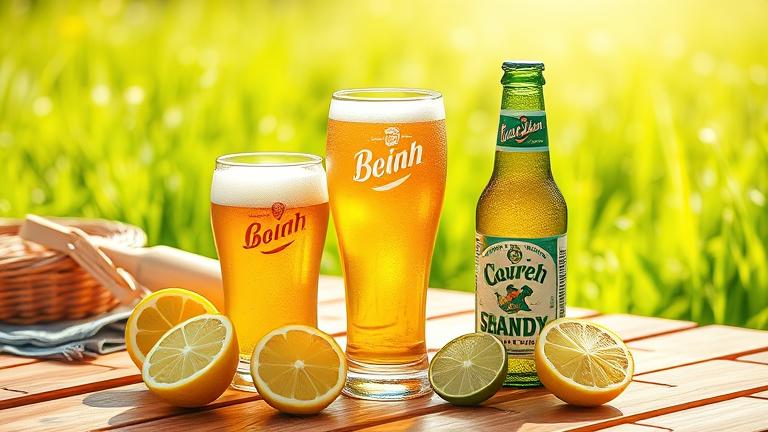
Best Beers for Making Shandy
If you want to make a classic shandy at home, choosing the right beer is key. The best beers for shandy are those that blend well with citrus flavors and create a refreshing taste. Usually, lighter beers work best because they don’t overpower the sparkling lemon or lime juice you add.
Many people prefer using lagers or pale ales as a base for shandy. These beers have a mild, clean flavor that works perfectly with the citrus. They also tend to be less bitter, which makes the drink more refreshing and easier to enjoy on hot days.
Opt for Light and Mild Beers
Light beers, such as lagers or pilsners, are popular choices. They are pale, crisp, and have a subtle malt flavor that isn’t too strong. These qualities help the citrus shine through and keep the drink light and thirst-quenching.
Some good options include:
- Domestic lagers — like Budweiser or Coors Light
- Pilsners — such as Stella Artois or Heineken
- V brightness beers — like Corona or Modelo Especial
Choose Beers with Fresh Tasting Profiles
When selecting a beer for your shandy, look for ones that taste fresh and clean. Avoid darker or more bitter beers like stouts or porters, because they can clash with the citrus and make the drink too heavy.
Consider Craft Beers, but Keep Them Light
If you prefer craft beers, look for those that are light and citrusy or have a mellow flavor. Some craft lagers or wheat beers can give a unique twist to your shandy, making it more flavorful and interesting.
Tips for Picking the Right Beer
- Pick a beer you already enjoy drinking on its own.
- Try things like a pilsner or a light lager first — they work great with citrus.
- If you want a hint of fruitiness in your beer, look for beers with subtle citrus or fruity notes.
- Avoid dark, heavy beers that can overpower the crispness of your shandy.
Storage and Freshness
Always store your beer in a cool, dark place until ready to use. Use chilled beer for your shandy to ensure it’s extra refreshing. Also, plan to make your shandy soon after opening your beer, since sitting out can affect the flavor and fizz.
Top Brands to Try in Your Shandy
If you’re looking to make a refreshing shandy, choosing the right beer brand can make all the difference. A good beer provides a solid base, enhancing the fruit and citrus flavors that make shandies so popular. Whether you prefer lighter lagers or slightly richer ales, there’s a brand out there that fits your taste perfectly.
Here are some top beer brands to consider while crafting your perfect shandy. Each offers unique flavor profiles and qualities that can elevate your drink. Let’s explore why they’re favorites among home bartenders and enthusiasts alike.
1. Bud Light
Bud Light is known for its clean, mild flavor and light body. Its subtle taste allows the citrus soda or lemonade to shine through, making it a classic choice for a shandy. It’s easy to find and affordable, which makes it a great option for casual gatherings or backyard relaxations.
Plus, its refreshing quality means your shandy will stay crisp and cool, perfect for summer days. If you want a straightforward, no-fuss base, Bud Light is a reliable pick.
2. Heineken
Heineken offers a slightly richer flavor with a hint of maltiness and a crisp finish. Its balanced taste pairs well with fruit juices, and it adds a bit more depth to your shandy. If you prefer a beer with a bit more character, Heineken is a smart choice.
It also gives your drink a hint of European tradition, making your homemade shandy feel a bit more special. Just remember, its flavor is stronger than very light beers, so adjust your mixers accordingly.
3. Coors Light
Like Bud Light, Coors Light is known for its mild, light flavor. It’s brewed to be crisp and refreshing, which makes it perfect for a summer shandy. Its clean finish doesn’t overpower the fruit flavors you add.
This brand is widely available and often priced competitively. It’s a good choice when you want a simple, easy-drinking beer that keeps the focus on your fruit mixer.
4. Corona
Corona is famous for its smooth, slightly citrusy taste. Its bright flavor complements the citrus or lemon-lime sodas often used in shandies. It also brings a hint of tropical vibe that’s perfect for sunny days.
If you enjoy a beer with a bit more character, Corona can add a nice dimension to your drink. Consider adding a slice of lime for an extra zing.
5. Pilsner Urquell
Pilsner Urquell’s crispness and slightly bitterness make it a sophisticated choice. Its bold flavor balances well with the sweetness of fruit juices, making your shandy more complex. It’s suitable for those who like a beer with a bit more punch.
Using a high-quality pilsner can take your homemade shandy from simple to special, especially if you’re trying to impress friends or enjoy a more refined taste.
Tips for Choosing the Right Beer
- Consider the flavor profile you want—light and refreshing or slightly richer and more complex.
- Pick beers with neutral or citrus notes to complement the fruit juices.
- Don’t hesitate to experiment with different brands to find your favorite combo.
- Check the beer’s alcohol content if you’re aiming for a lighter or stronger shandy.
How to Choose the Perfect Beer
Picking the right beer for a shandy can make a big difference in how enjoyable your drink turns out. Whether you prefer a light, citrusy flavor or a richer, malty taste, understanding what to look for will help you choose the best beer to mix.
First, consider the flavor profile. Most shandies are refreshing and slightly sweet, so it’s best to choose beers that won’t overpower the mixer. Classic options include lagers, pilsners, or wheat beers. These tend to be light, crisp, and flavorful without being too heavy or bitter.
Next, think about the alcohol content. Beers with a moderate alcohol level, around 4-5%, are ideal. Too high, and the drink might become too strong or unbalanced. Too low, and it might lack flavor. A balanced beer will complement the lemonade or fruit juice without overpowering it.
When selecting a beer, also keep in mind its compatibility with mixers. Light beers work best because they mix well with citrus and fruit flavors, creating a balanced taste. For example, a pilsner pairs nicely with lemon or orange, while a wheat beer can be great with a splash of raspberry or grapefruit.
- Choose beers that are fresh and well-carbonated for the best fizziness and flavor.
- Avoid overly hoppy or bitter beers, as they can clash with the sweetness of the mixer.
- Look for beers with a mild malt flavor if you prefer a softer, smoother shandy.
Remember, the best way to find your favorite beer for a shandy is to experiment a little. Try a few different styles and see which one you enjoy most when mixed. Keep in mind that the quality of the beer matters, so opt for fresh bottles or cans from reputable brands.
If you’re unsure, check the label for the type of beer and alcohol content. Avoid beers with added flavors or preservatives that might alter the taste or reduce shelf life. A good rule of thumb is to pick a beer that you already enjoy drinking on its own, then combine it with your preferred mixer to create a refreshing shandy.
In summary, choose a light, fresh beer with moderate alcohol, and make sure it pairs well with your mixer. With a little experimenting, you’ll discover the perfect beer to make your shandy just how you like it.
Tips for Mixing the Ideal Shandy
Making a refreshing shandy is straightforward once you know the right balance between beer and citrus juice. The goal is to create a drink that is bubbly, tangy, and not too overpowering. Whether you prefer a hint of lemon or lime, these handy tips will help you master the perfect mix every time.
Start with the right type of beer. Light lagers or pilsners are popular choices because they have a mild flavor that blends well with citrus. Avoid dark beers or stouts, as their strong flavors can clash with the lemon or lime juice. For a more authentic shandy, opt for a beer that is crisp and refreshing.
Next, think about the juice-to-beer ratio. A common starting point is to mix one part citrus juice with three parts beer. For example, pour one part lemon juice into a glass, then top it up with three parts of cold beer. This ratio gives a nice balance of tanginess without overwhelming the beer’s flavor. If you prefer it more citrusy, you can increase the juice to one part in a two-to-one ratio. Always taste and adjust to your preference.
Fresh juice is best. Squeeze lemons or limes just before mixing to keep the drink bright and flavorful. If fresh juice isn’t available, a high-quality bottled version works fine, but avoid pre-sweetened or flavored citrus drinks, which can alter the taste.
Mix gently to retain the bubbles. Pour the beer into a tall glass, then carefully add the citrus juice. You can do this by pouring the juice slowly over the back of a spoon into the beer, which helps preserve the fizzy head. Stir gently with a straw or spoon to combine, but avoid stirring too vigorously, as this will flatten the bubbles.
Serve your shandy cold. Adding ice cubes is optional, but it can make the drink even more refreshing, especially on hot days. If using ice, keep the ratio of beer and juice the same, and then add the ice last.
Presentation matters too. Garnish with a wedge of lemon or lime on the rim of the glass. This adds visual appeal and reinforces the citrus flavor. For extra flair, sprinkle a tiny bit of salt on the rim or add a sprig of fresh mint.
Finally, don’t be afraid to experiment a little. Try different citrus fruits like grapefruit or orange for a twist. Adjust the ratios based on your taste — some might prefer a more tart or sweeter shandy. With practice, you’ll find the perfect mix that suits your palate.
- Use cold ingredients and serve immediately for the best fizz.
- Start with the basic ratio and tweak it to match your taste preferences.
- Choose light, mild beers for a more balanced flavor.
- Garnish to add visual appeal and extra flavor.
Health Tips for Shandy Drinkers
Enjoying a shandy can be a refreshing way to unwind, especially on a warm day. Since shandies are typically made with beer and lemonade or citrus soda, it’s good to think about how they fit into your overall health and wellness. With a few simple tips, you can savor your drink responsibly and avoid any unwanted effects.
First, moderation is key. A shandy is usually lower in alcohol than straight beer, but it still contains alcohol that can affect your health if consumed in excess. Drinking too many shandies might lead to dehydration, increased calorie intake, or impaired judgment. Aim to enjoy them occasionally and keep track of your overall alcohol consumption to stay within recommended limits. For most adults, moderation means no more than one standard drink per day for women and up to two for men.
Be mindful of the sugar content too. Many recipes use lemonade or flavored soda, which can add quite a bit of sugar. Excess sugar intake is linked to weight gain, tooth decay, and increased risk for conditions like diabetes. If you’re watching your sugar intake, consider making your own shandy with fresh lemon juice and a splash of sparkling water or using diet-friendly mixers. This way, you can enjoy the lemony flavor without too much added sugar.
Think about the type of beer you choose. Light beers contain fewer calories and less alcohol, making them a slightly healthier option for mixing into a shandy. Also, some beers are lower in additives or preservatives, which can be gentler on your stomach and overall health.
- Stay Hydrated: Drinking water alongside your shandy helps prevent dehydration caused by alcohol.
- Know Your Limits: Pay attention to how your body reacts. If you notice any negative effects like dizziness or stomach upset, scale back.
- Healthy Alternatives: Try making a non-alcoholic shandy by mixing lemon juice with sparkling water. It’s a great way to enjoy the flavor without the alcohol or sugar concerns.
- Be Mindful of Calories: Remember that even lower-alcohol drinks have calories. If you’re watching your weight, factor in the drink’s calories into your daily intake.
Some health benefits may come from moderation. For example, containing some electrolytes and antioxidants from beer, combined with vitamin C from lemon, can be a light, refreshing beverage. However, these benefits are small and can be easily offset by overindulgence.
In summary, enjoying shandies responsibly means being aware of your portion sizes, choosing healthier ingredients when possible, and balancing your drinks with water and a healthy diet. Keeping these simple tips in mind can help you enjoy your favorite refreshment without compromising your health.
Serving and Garnishing Your Shandy
When it comes to enjoying a refreshing shandy, how you serve and garnish it can make a big difference. A well-presented drink not only looks appealing but also enhances your overall drinking experience. Whether you’re hosting friends or just relaxing at home, these simple tips will help you serve your shandy like a pro.
First, choosing the right glass is important. A tall, slim glass like a Pilsner or a Collins glass works well because it shows off the drink’s bubbly nature. The clear glass also allows you to enjoy the golden color of the beer mixed with citrus. For a more casual vibe, a sturdy Mason jar or a large tumbler can be fun and practical.
Presentation Tips
- Always chill your glass beforehand. A cold glass keeps your shandy crisp and prevents it from quickly warming up.
- Pour gently to avoid too much foam. Fill the glass about three-quarters full, then top with a splash of lemon or lime soda for a lively finish.
- If you’re serving many guests, prepare the glasses in advance and keep them in the fridge for extra refreshment.
Garnishing Your Shandy
Garnishes are a great way to add visual interest and a little extra flavor to your shandy. The most common garnishes include citrus slices, mint sprigs, or even a few berries. Here are some ideas:
- Lemon or Lime Wedge: Place on the rim of the glass for easy squeezing or just for decoration. Citrus adds a bright, tangy aroma.
- Herb Sprigs: A sprig of fresh mint or basil can add a fresh, herbal aroma that complements the citrus undertones.
- Berries or Fruit Slices: A few fresh berries or a slice of orange can give your shandy vibrant color and a subtle fruity flavor.
Presentation Tips & Tricks
- For a touch of elegance, serve your shandy on a small tray with additional garnishes on the side. Guests can customize their drinks as they like.
- If you’re making a batch, consider decorating the serving pitcher with slices of lemon or lime around the rim for a festive look.
- To make your drinks stand out, use colorful straws or drink stirrers. They add a playful touch and can help prevent the foam from overflowing.
Safety and Practical Tips
- Always serve your shandy at the right temperature. Keep it chilled but avoid freezing, which can dull the flavors.
- Clean your glasses thoroughly before serving to prevent any lingering odors or residues from affecting the taste.
- If serving outdoors, protect your drinks from insects with covers or coasters, especially if garnished with fresh herbs or fruit.
By paying attention to how you serve and garnish your shandy, you’ll make every sip more enjoyable. A little effort in presentation can turn a simple drink into a charming centerpiece. Experiment with different garnishes and glassware to find what suits your style, and most importantly, have fun creating your perfect shandy experience!
Frequently Asked Questions About Shandy
Shandy is a refreshing drink that combines beer with a non-alcoholic beverage like lemonade or ginger ale. It’s popular in many countries because it’s light, flavorful, and perfect for warm days. If you’re curious about shandy or want to learn how to make and enjoy it, you’re in the right place. Here are some common questions answered to help you become a shandy enthusiast.
What is the history of shandy?
Shandy has been around for centuries, with roots in the United Kingdom and parts of Europe. Originally, it was a way to dilute beer and make it more refreshing, especially for outdoor activities or during warmer weather. The term “shandy” may come from the French word “schindle” or from the Scottish slang “shandry,” meaning a mixture. Over time, people started experimenting with different types of non-alcoholic mixers, creating the variety of shandies enjoyed today.
What are common variations of shandy?
There are many ways to make a shandy, and the best part is you can customize it to your taste. The classic version mixes light beer, such as lagers or pilsners, with lemonade or lemon-lime soda. Some popular variations include:
- Lemon shandy: beer mixed with lemon soda or fresh lemon juice.
- Ginger shandy: beer combined with ginger ale or ginger beer for a spicy kick.
- Fruit shandy: adding fruit juices like orange or berry for extra flavor.
There’s also non-alcoholic shandies made with alcohol-free beers and mixers, perfect for those avoiding alcohol but still wanting the refreshing taste.
How do I serve a perfect shandy?
Serving shandy well can make a big difference in how much you enjoy it. Here are some tips:
- Use a tall glass: a pint glass or a highball glass works great for showcasing the drink.
- Chill your ingredients: both the beer and the mixer should be cold before mixing. This keeps the drink refreshing.
- Mix gently: pour the beer slowly into the glass, then add the mixer to prevent too much foam or fizz from escaping.
- Adjust proportions: start with half beer and half mixer, then tweak based on your taste. Some prefer a stronger beer flavor, others favor more mixer.
- Garnish optional: add a wedge of lemon, lime, or a sprig of mint for visual appeal and extra flavor.
For an extra touch, serve your shandy with ice cubes, especially on hot days. Remember, the key is balance—not too strong, not too sweet.
Can I make a shandy alcohol-free?
Absolutely! Many people enjoy non-alcoholic shandies as a fun and refreshing drink without alcohol. To make one, simply use alcohol-free beer and mix it with your favorite non-alcoholic mixers like lemonade, ginger ale, or fruit juices. It’s a great option for all ages or those who prefer to avoid alcohol but still want a festive beverage.
Are shandies popular worldwide?
Shandies are especially popular in the UK and Europe, but you can find similar drinks in many countries. In the United States, they are often enjoyed during summer barbeques and outdoor events. Different regions might have their own twists, using local beers and flavors. Overall, shandies are appreciated worldwide for their light, flavorful profile and easy customization.
If you’re new to shandies, I encourage you to experiment with different mixers and beers until you find your perfect blend. They are simple to make, flexible, and fun to try with friends or on your own for a relaxing afternoon. Cheers to discovering new ways to enjoy this classic, cheerful drink!