
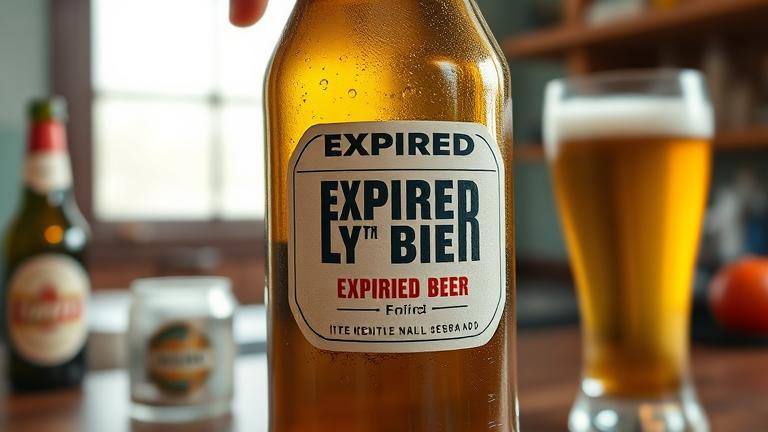
Do Expired Beer Really Make You Sick?
If you’ve ever looked at an old bottle or can of beer and wondered if it’s safe to drink, you’re not alone. Many people ask, “Does expired beer really make you sick?” The truth is, it depends on a few factors. Understanding what happens to beer after its expiration date can help you decide when to pour and when to pass.
First, it’s important to understand what the expiration date on beer really means. Usually, it’s a “best by” or “sell by” date made by the manufacturer to ensure quality and flavor. It does not necessarily mean the beer becomes unsafe immediately after that date. Beer is a fermented beverage, and fermentation can slow down but not stop entirely once it’s past its prime.
What Happens to Beer After Its Expiry?
Over time, beer’s taste and appearance may change. You might notice it becoming flat, dull, or more sour. This is because the carbonation can escape and the hop or malt flavors can degrade. Sometimes, if beer is stored improperly exposed to heat or sunlight it could develop off-flavors more quickly.
However, spoilage and the risk of illness are different. Beer spoilage is usually caused by bacteria or wild yeasts getting into the bottle, which can sometimes produce unpleasant flavors or appearance changes. The main concern is whether harmful bacteria can grow in the beer. The good news is, most commercially brewed beers are brewed in sterile environments and contain alcohol and preservatives that inhibit harmful bacteria.
Is Drinking Expired Beer Unsafe?
In most cases, drinking beer a little past its expiration date won’t make you sick. It may taste off or less enjoyable, but it’s unlikely to cause harm. That said, if the beer smells sour in an unusual way, or if you notice mold, cloudiness, or a strange color, it’s best to discard it.
Some people worry about bacteria like Clostridium botulinum, which can cause serious illness. Fortunately, beer’s alcohol content, pH level, and preservatives make it very resistant to this kind of bacteria. The risk of getting sick from drinking expired beer is very low unless it’s been contaminated with harmful bacteria due to poor storage or tampering.
Tips for Safely Handling Expired Beer
- Check the smell and appearance before drinking. If it smells sour or has mold, throw it away.
- Look for any changes in color or cloudiness, which may indicate spoilage.
- Proper storage is key: keep beer in a cool, dark place away from direct sunlight and temperature fluctuations.
- If you’re unsure, it’s better to be safe and toss it out rather than risk drinking spoiled beer.
Ultimately, most expired beer won’t make you sick. It’s more about personal taste and quality. If the beer has gone bad, it’s usually obvious through smell, look, and taste. When in doubt, trust your senses rather than the date stamped on the bottle.
Common Myths About Drinking Old Beer
Many people worry about drinking beer that has been sitting around for a while. It’s understandable to wonder if old beer is safe or if it will taste terrible. In this section, we’ll clear up some common myths about drinking old beer and share helpful facts so you can make informed choices.
First, let’s talk about the idea that all old beer is unsafe to drink. This is actually a myth. Beer, because of its alcohol and brewing process, is generally safe to drink even after some time. However, its flavor and carbonation might change. Beer that has gone bad often develops an off smell or taste, but it usually won’t make you sick unless it’s contaminated with bacteria or mold, which is rare if it’s been stored properly.
Another popular myth is that beer never really expires. While beer doesn’t spoil like milk, it does have a shelf life. Most beers are best enjoyed within six months to a year of the bottling or canning date. After that, the quality can decline. Light, heat, and oxygen can cause the beer to go stale or develop skunky flavors. So, it’s a good idea to check the date on the bottle or can before you drink it.
A common misconception is that all darker beers like stouts or porters last longer than lighter beers like lagers or pilsners. While darker beers often contain more robust flavors and sometimes slightly higher alcohol content, their longevity depends more on storage than color. Properly stored, most beers can last quite a while. But lighter beers, especially those in clear bottles, are more vulnerable to light damage which can cause a stale taste known as ‘skunking.’
Many people believe that if a beer tastes flat or stale, it’s unsafe. That’s not entirely true. Flat beer simply indicates loss of carbonation, often due to improper storage or aging. It’s not harmful to drink, but it may not be enjoyable. If a beer tastes sour or has a strange, unpleasant smell, that could be a sign it’s gone bad. In that case, it’s better to avoid drinking it.
Finally, some think that once opened, a beer should be finished immediately. While drinking beer fresh is ideal, opened beer can last a little while if stored correctly. Tightly reseal the bottle or can, and keep it in the fridge. Usually, it’s best to drink it within a day or two after opening to enjoy it’s best flavor and carbonation. Beyond that, it may lose its quality, but it’s not dangerous to consume.
- Store beer upright in a cool, dark place to preserve flavor.
- Check the expiration or bottling date before drinking old beer.
- Refrigerate opened beer and try to finish it within a few days for the best taste.
Understanding these facts can help you enjoy beer responsibly, whether it’s fresh or a little older. The key is proper storage and being aware of how it might change over time. Now you can confidently decide whether that bottle or can of old beer is worth trying or if it’s best to pass.
How to Spot Spoiled Beer
When you open a beer, you want to enjoy its fresh taste and crispness. But sometimes, beer can spoil, and it’s important to know how to tell if your drink has gone bad. Spoiled beer might look, smell, or taste off, and drinking it can be unpleasant or even cause stomach upset. Here are some simple tips to help you spot spoiled beer before you take a sip.
Visual Signs of Spoiled Beer
Start by inspecting the appearance of your beer. Look closely at the bottle or can, and then at the poured beer in your glass. If you notice any of these signs, the beer might be spoiled:
- Cloudiness or sediment: While some beers, like wheat ales, are naturally hazy, a sudden change to an overly cloudy or milky appearance can indicate spoilage. Also, thick sediment that wasn’t there before may be a sign.
- Change in color: A color that seems darker or duller than usual can suggest oxidation or contamination.
- Unusual foam or head formation: If the beer fizzes excessively or doesn’t develop a proper head when poured, it might be spoiled.
- Presence of particles or floaters: Small particles, floating bits, or mold on the inside of the bottle or can are definite signs of spoilage.
Smell Clues
A quick sniff can tell you a lot about your beer’s freshness. Fresh beer should smell clean, malty, hoppy, or fruity, depending on the style. However, if you notice any of these odors, it’s a warning sign:
- Off or sour smell: A sour or vinegary aroma indicates bacterial contamination or spoilage.
- Musty or moldy odor: This can suggest mold growth or spoilage from packaging issues.
- Rotten or sulfur smell: Sometimes, spoiled beer develops a rotten egg or foul smell due to improper brewing or storage.
Taste Test
If the beer passes the visual and smell tests but you’re still unsure, take a small sip. Spoiled beer often tastes flat, sour, or rancid. It might also have a metallic or bitter flavor that feels out of place for the style. Remember, if your beer tastes weird or off, it’s best not to drink more.
Common Causes of Spoiled Beer
Beer can spoil from exposure to heat, sunlight, or air. Fluctuations in temperature can cause the beer to develop off-flavors. Similarly, if the bottle or can has been damaged or stored for too long, spoilage becomes more likely.
Tips for Avoiding Spoiled Beer
- Check expiration dates: Always look at the best-by date on bottles and cans.
- Store beer properly: Keep it in a cool, dark place away from direct sunlight.
- Inspect packaging: Avoid beers with cracked bottles, dented cans, or broken seals.
- Buy from reputable sources: Purchase beer from trusted stores with good turnover to ensure freshness.
What Happens Inside Your Body When Drinking Alcohol
When you sip on beer or any alcoholic beverage, your body begins a fascinating process of breakdown and response. Alcohol is absorbed quickly into your bloodstream through the stomach and small intestine. From there, it travels to your liver, which is the main organ responsible for processing alcohol.
The liver works to break down alcohol into simpler substances, mainly water and carbon dioxide, so your body can eliminate them. Fortunately, your liver can process about one standard drink per hour, but this rate varies depending on your weight, age, and overall health. If you drink more than your liver can handle, alcohol builds up in your bloodstream, leading to intoxication.
Once in your system, alcohol affects your brain first. It acts as a depressant, meaning it slows down brain activity. That’s why you might feel relaxed or less inhibited after a few drinks. However, it can also impair judgment, coordination, and reaction times, making activities like driving dangerous.
Alcohol also causes your blood vessels to expand, which makes you feel warm but can also lead to a drop in blood pressure. This expansion helps increase blood flow, but it can sometimes cause lightheadedness or dizziness, especially if you stand up too quickly.
On a cellular level, alcohol can disrupt your body’s electrolyte balance those are minerals like sodium, potassium, and chloride that help your muscles and nerves work properly. This imbalance can cause dehydration, making you feel thirsty or tired. That’s why drinking water along with alcohol is a good idea.
There are some important things to keep in mind about spoiled beer. When beer goes bad, bacteria or mold can develop, producing harmful substances. Drinking spoiled beer might not only taste unpleasant but could also cause stomach upset or food poisoning. Always check for an unusual smell, cloudiness, or off taste before drinking beer that has been stored for a long time or in warm conditions.
In summary, drinking alcohol impacts many parts of your body, from your brain to your liver to your blood vessels. Knowing how your body processes beer can help you enjoy it responsibly. Remember, moderation is key, and listening to your body’s signals can keep drinking safe and fun.
Canned vs. Bottled Beer: What’s the Difference?
Choosing between canned and bottled beer can be confusing if you’re not sure what sets them apart. Both options are popular and easy to find, but they have some key differences that affect how long they stay fresh and how they taste.
Let’s explore these differences so you can decide which is best for your next get-together or personal treat. We’ll look at factors like storage, shelf life, and how these impact the beer’s quality.
Storage and Convenience
Canned beer is known for being lightweight and compact. It’s perfect for picnics, outdoor activities, and when you want something easy to carry around. Because cans are made from aluminum, they’re less likely to break if dropped, making them very practical.
Bottled beer is usually stored in glass bottles, which can be heavier and more fragile. Some bottles are returnable, which can save money and reduce waste, but they need careful handling. Glass bottles also protect beer from light better than some cans, which matters for preserving flavor.
Both cans and bottles should be stored in a cool, dark place away from direct sunlight. Light can cause a process called skunking, which makes the beer smell and taste bad. For longer storage, keeping beer in a refrigerator or a cool cellar helps maintain its quality.
Shelf Life and Freshness
When it comes to shelf life, cans generally have a slight edge. Aluminum cans are airtight and completely sealed, preventing oxygen from entering. Oxygen can spoil beer over time by causing it to become flat and dull.
Bottled beer, especially in non-opaque bottles, can be more vulnerable to light and oxygen exposure. Clear and green bottles let in more light, which can accelerate flavor degradation. Dark glass bottles are better at protecting the beer, but even they do not completely block light.
In terms of how long they stay good, most canned beers remain fresh for about 6 to 9 months if stored properly. Bottled beers, especially those in dark glass, can last a similar amount of time, but light exposure shortens their shelf life.
It’s best not to buy beer far in advance. Check the expiration date on the packaging to enjoy it at its freshest. The sooner you drink it after purchase, the better the flavor and fizz.
Impact on Beer Quality
Both cans and bottles preserve beer well if stored correctly, but there are small differences. Cans are completely sealed, which keeps the beer fresh longer and prevents light from affecting it.
Bottles in dark glass are also good at protecting flavor, but if light or oxygen sneaks in, the beer can develop off-flavors. Some craft brewers prefer bottles because they believe it allows for better aging of certain styles, like stouts or ales.
Be aware that some people think canned beer can taste slightly different due to the lining used inside cans. However, most people find the taste difference is minimal or negligible, especially with newer cans designed to prevent flavors from being affected.
In summary, your choice comes down to convenience, storage options, and personal taste. For outdoor adventures or quick drinks, cans are very handy. For collecting or aging specialty beers, bottles can be a better choice. Regardless of your pick, storing beer properly is key to enjoying it at its best.
Best Ways to Store Beer at Home
Storing beer properly is important if you want to enjoy its fresh flavors and avoid spoilage. Whether you like craft beer, lagers, or ales, knowing how to keep beer at home will ensure every sip tastes great. Good storage helps preserve the beer’s aroma, carbonation, and overall quality.
First, consider the temperature. Beer should be stored between 45 and 55 degrees Fahrenheit (7 to 13 degrees Celsius). Avoid exposing beer to temperature fluctuations, which can cause the beer to expand and contract, leading to spoilage or changes in flavor. A dedicated beer fridge or a cool, dark corner in your basement or cellar works well.
Keep Beer in a Cool, Dark Place
Light and heat are enemies of good beer. Ultraviolet rays from sunlight can cause a process called “skunky” off-flavor. To prevent this, store beer away from windows or in opaque containers. Also, avoid storing beer near heat sources like stoves or radiators. Darkness and a stable cool temperature help maintain freshness.
Store Bottles Upright
Position bottles upright to minimize oxidation and prevent the cork or cap from dry-out. This also reduces the surface area exposed to air. For canned beer, keeping cans upright also helps protect the label and makes stacking easier.
Control Humidity and Avoid Vibrations
Humidity doesn’t affect beer much, but very dry environments can dry out caps and seals. Aim for a humidity level of around 50-70%. Keep your beer storage in a place where vibrations are minimal. Vibrations can disturb the beer’s sediments and cause unwanted flavors to develop over time.
Pay Attention to Storage Time
Most beers are best enjoyed fresh. Light lagers and pilsners taste best within a few months. Heavier ales and stouts can be stored longer, often up to 6 months or more. Always check the bottling date and aim to consume the beer before it passes its peak freshness.
Special Tips for Different Types of Beer
- Craft Beers: Store these in a dark, cool place, and drink within 3-6 months for best flavor.
- Barleywines and Imperial Stouts: These can age well for over a year. Store them in a consistent environment for mature flavors.
- Canned Beer: Best stored upright in a cool, dark corner. They are less sensitive to light but keep away from heat.
Common Mistakes to Avoid
- Storing beer in the fridge for long periods can cause flavor changes. It’s best for serving, not storage.
- Exposing beer to direct sunlight or bright light can ruin the taste.
- Keeping beer in a place with temperature swings can speed up spoilage.
- Storing beer in warm environments, like garages in summer, can lead to off-flavors.
In summary, the best way to store beer at home is in a cool, dark, and upright position, with stable temperatures and minimal vibrations. Proper storage not only keeps your beer tasting its best but also extends its shelf life, so you can enjoy that refreshing drink anytime.
Can Eating Expired Beer Lead to Food Poisoning?
Many people wonder if drinking or eating expired beer can make them sick. After all, beer is a popular drink for relaxing or sharing with friends. The good news is that, in most cases, consuming expired beer does not lead to food poisoning. But it’s still important to understand what can happen and how to stay safe.
First, let’s clarify what “expired” means for beer. Usually, beer has a “best by” date printed on the bottle or can. This date is about quality, taste, and freshness. It does not necessarily mean the beer is unsafe after that date. Many beers can be safely enjoyed weeks or even months past the date if they haven’t been opened or stored improperly.
What Happens to Beer When It Gets Old?
- Over time, beer can lose its flavor and become flat or dull. The carbonation may diminish, making it less bubbly and refreshing.
- Some beers might develop an off smell or taste, such as cardboard, sourness, or odd flavors. These changes are usually a sign of spoilage or oxidation.
- In very rare cases, bacteria or mold can grow if the beer was stored improperly or the seal was broken. That could pose health risks, but it is uncommon with properly stored beer.
Will Drinking Expired Beer Make You Sick?
Most expired beer is safe to drink if it was stored well and shows no signs of spoilage. Drinking out-of-date beer might taste worse or be less enjoyable, but it usually doesn’t cause food poisoning. Food poisoning typically happens from bacteria, such as Salmonella or Listeria, or from improperly handled food. Beer, with its alcohol content and low pH, generally discourages dangerous bacteria from growing.
That said, if the beer smells sour, has a strange color, or shows visible mold, it’s best not to drink it. These signs suggest the beer might be spoiled and could cause stomach upset or discomfort if consumed.
Safety Tips for Drinking Old Beer
- Check the date, but remember it’s mainly about quality, not safety.
- Inspect the bottle or can for damage, leaks, or broken seals.
- Open the beer and smell it first. If it smells off or sour, avoid drinking it.
- Pour a small amount into a glass and look at its appearance. Cloudiness or sediments are usually fine, but mold or strange textures are red flags.
- If the beer tastes sour or weird, don’t drink more.
- Store beer in a cool, dark place to slow down spoilage and keep it tasting better longer.
When to Be Extra Careful
If your beer has been stored improperly, such as exposure to heat, direct sunlight, or fluctuating temperatures, it may spoil faster. Also, if the beer was stored open or in a compromised container, bacteria can get in and cause health issues.
In conclusion, while drinking expired beer usually won’t cause food poisoning, it’s wise to use your senses and common sense. If you’re unsure or notice signs of spoilage, it’s better to be safe and avoid drinking it. Enjoy beer responsibly and keep it stored properly for the best experience and safety.